
DDR5 Optimization Turns CXMT Into a Real Enthusiast Option
MSI’s DDR5 memory optimization for CXMT modules is a set of firmware and BIOS-level changes on recent AMD and Intel motherboards that unlock stable DDR5-8000+ speeds, transforming CXMT’s budget-focused DRAM into a viable high-performance choice for enthusiasts who want rapid memory without paying premium brand prices. This move matters because it directly attacks the gap between cheap high-capacity kits and the expensive, highly binned modules that have dominated the overclocking scene. Instead of treating CXMT as second‑tier silicon, MSI is betting that smarter motherboard DDR5 compatibility and memory training can let value-oriented DRAM compete at the same performance tier. For anyone planning a new build, this is less about raw benchmark records and more about shifting the economics of fast RAM toward budget DDR5 memory that can still clock aggressively.
What MSI Changed: Firmware, Training, and Intel Validation
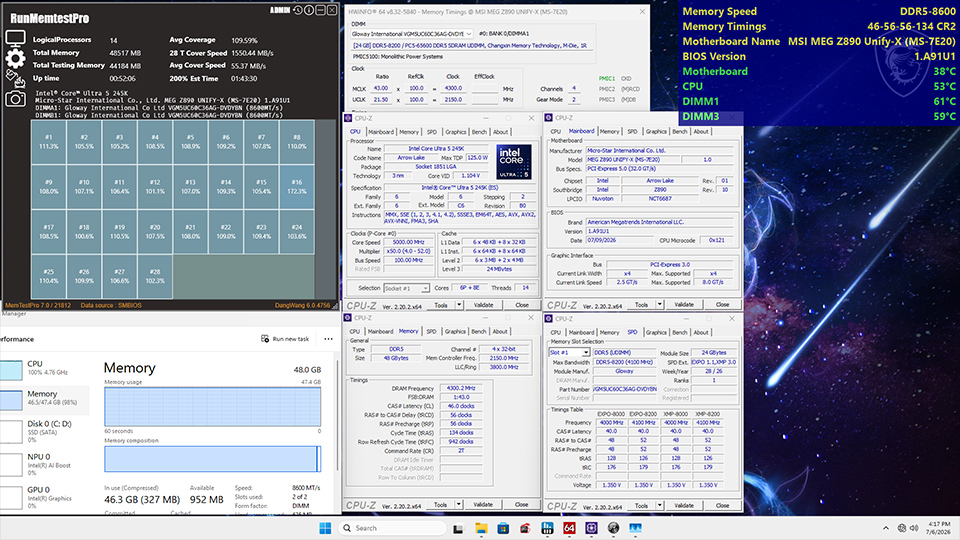
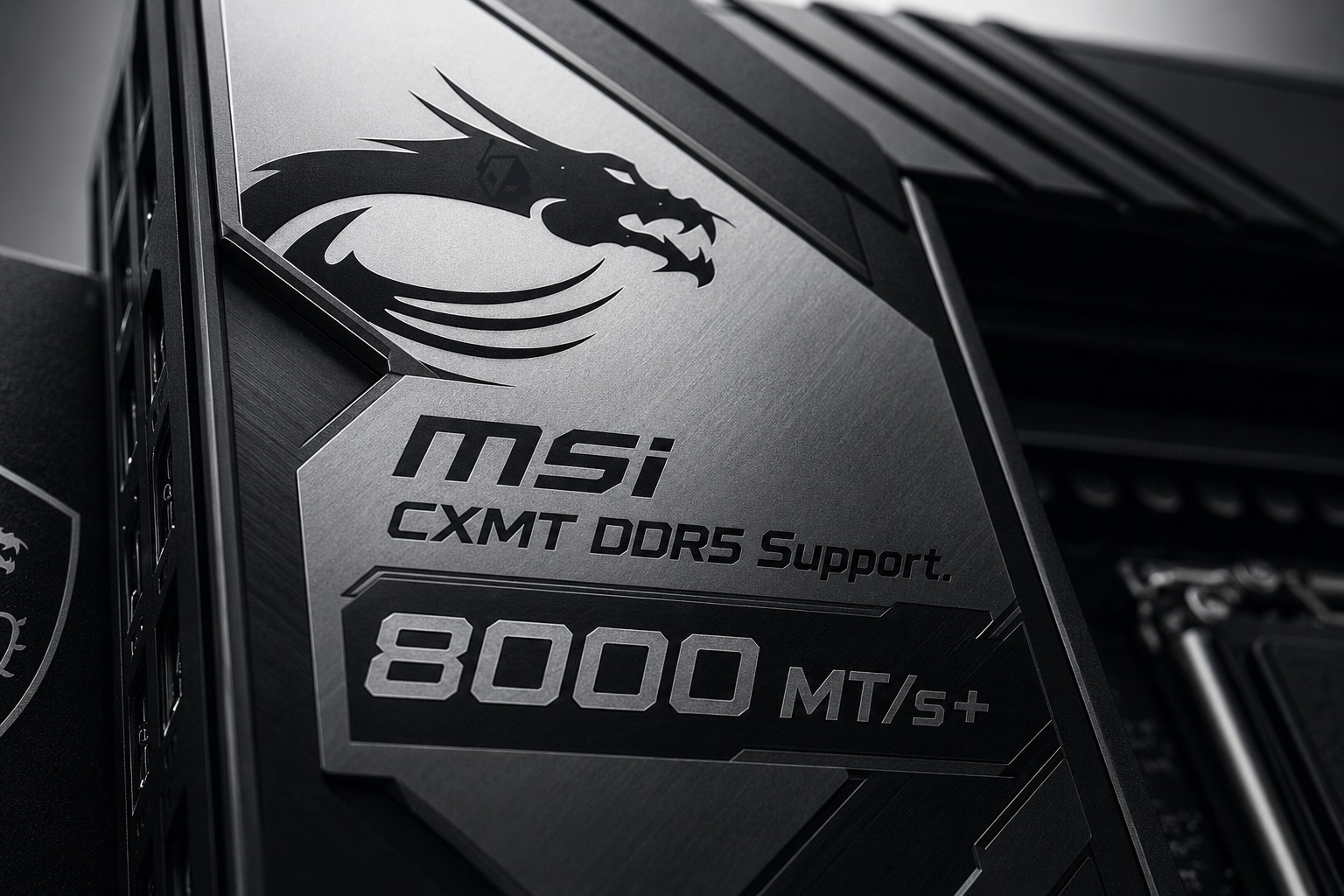
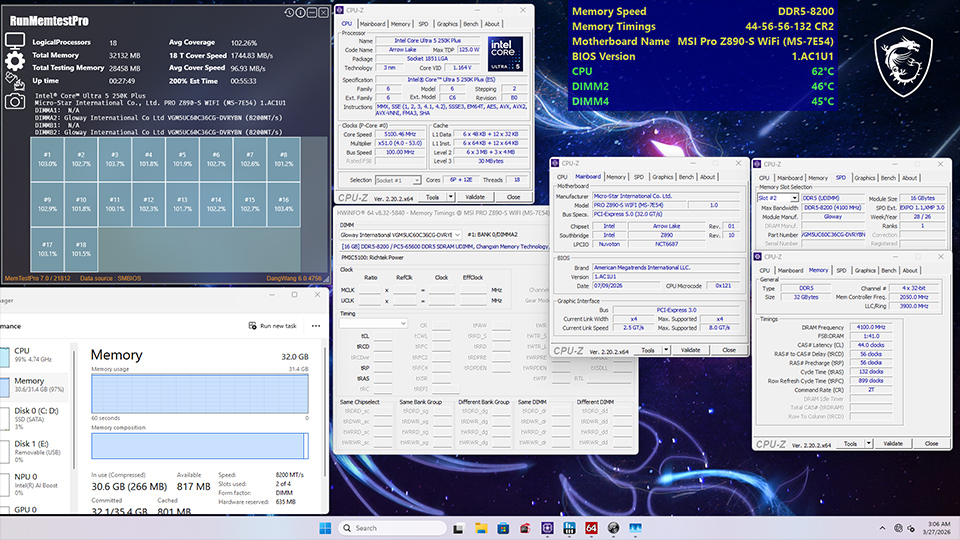
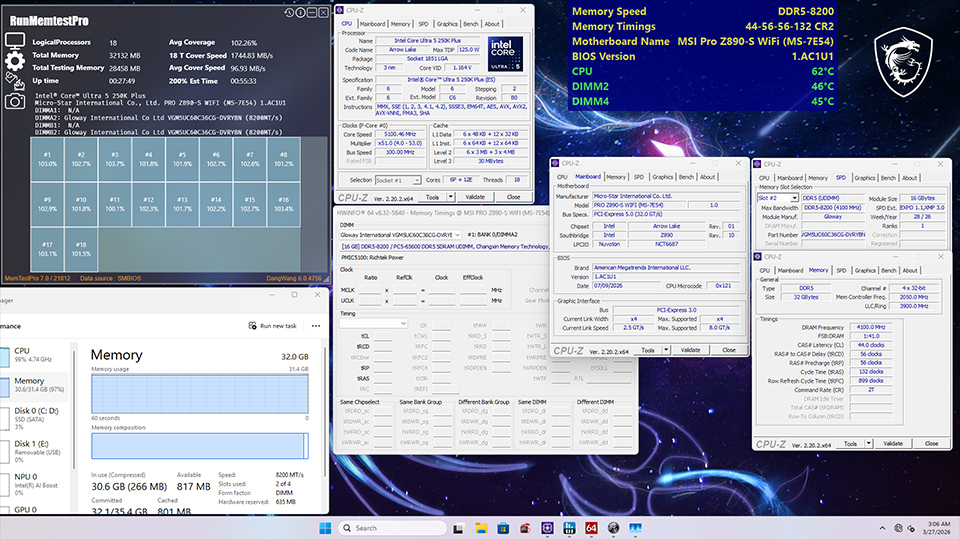
MSI did not unlock CXMT’s potential by changing the memory; it did it by changing the boards. The company has optimized its motherboard firmware with dedicated memory training and timing tweaks tailored to CXMT’s DDR5 ICs, allowing much higher speeds than before. On Intel, MSI announced that its 800‑series motherboards are now fully optimized for DDR5 built on CXMT DRAM, with Z890 models delivering stable DDR5‑8000+ operation across both 2‑DIMM overclocking designs and mainstream 4‑DIMM boards. On AMD AM5, the same approach broke the long‑standing DDR5‑6800 ceiling that had limited domestically produced memory. The key takeaway: Intel desktop platform support is more than a checklist item. It’s a practical validation of CXMT in the enthusiast segment, showing the DRAM can hang at speeds previously reserved for established brands.
High-Speed DDR5 8000 Without High-End Pricing
The interesting part for builders is not that CXMT can hit 8000+ MT/s; it’s that it can do so while keeping its value pitch intact. CXMT-based DDR5 modules have rapidly gained popularity because of their strong value proposition, offering an alternative to offshore brands that are known for charging heavy prices for DRAM solutions. Until now, the trade‑off was clear: you saved money but gave up frequency headroom, often topping out around DDR5‑6800. MSI’s DDR5 memory optimization changes that equation. With firmware that understands CXMT’s behavior, the brand’s budget DDR5 memory can approach or surpass 8000 MT/s on both AMD and Intel platforms, making high-speed DDR5 8000 feasible in performance builds that do not revolve around top‑shelf kits. That is a direct challenge to the idea that serious overclocking starts and ends with the most expensive DRAM.
Compatibility, Stability, and the End of "Second-Class" DRAM
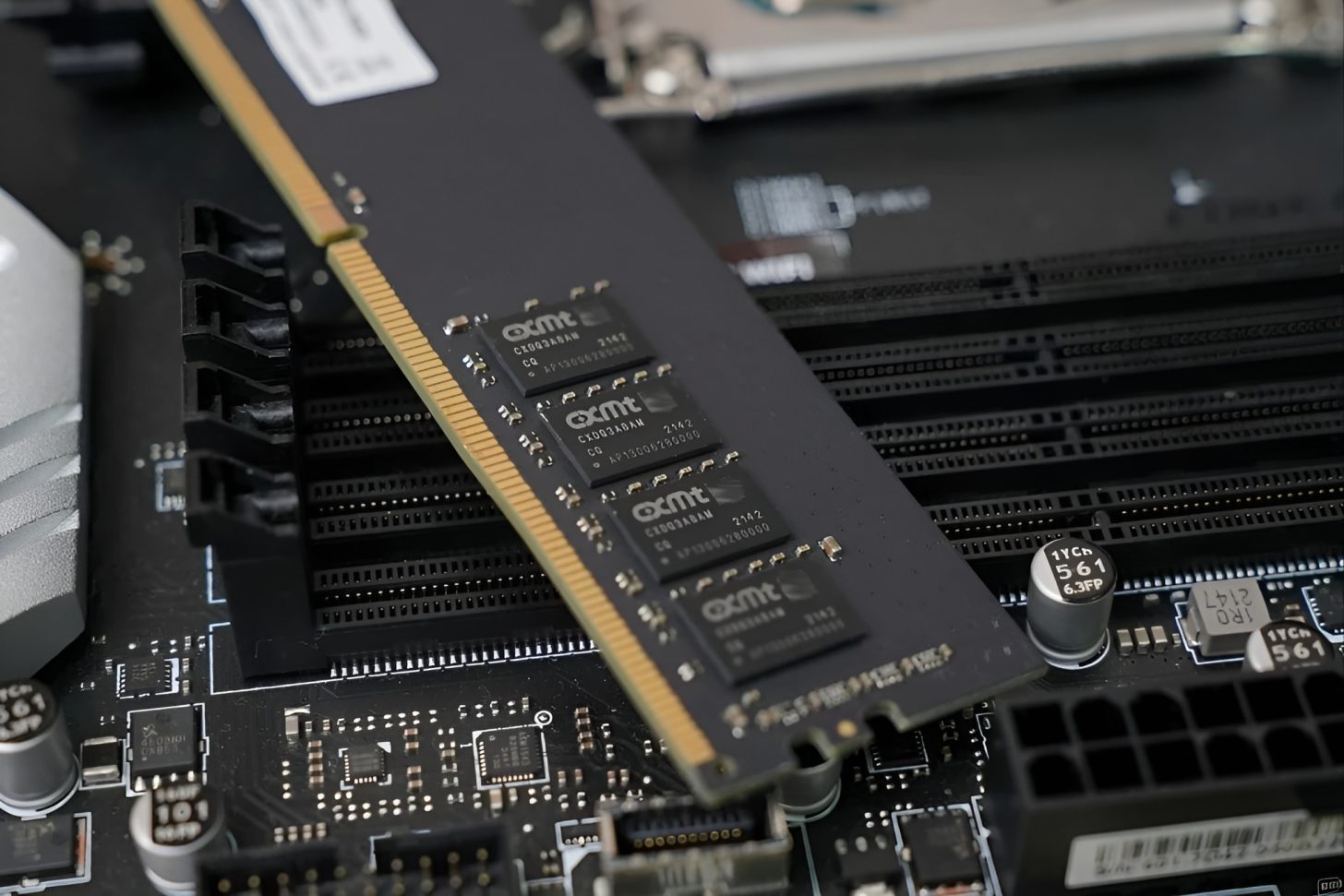
Alternative memory vendors have long carried a reputation for quirky behavior: XMP profiles that fail, unstable high‑speed boots, and endless manual tweaking. MSI is attacking that risk head‑on by tuning BIOS memory training and timings specifically for CXMT ICs, then validating with stress tests to ensure stability at DDR5‑8000+. According to MSI, "Following dedicated BIOS memory tuning, MSI Z890 motherboards deliver stable DDR5‑8000+ operation with CXMT-based modules, spanning from flagship overclocking designs all the way to mainstream 4‑DIMM boards." This is where motherboard DDR5 compatibility becomes the real feature. When a board is optimized for CXMT DDR5 support, the memory stops feeling like a gamble and starts behaving like any other enthusiast‑class kit. Better compatibility is not a marketing line; it is the difference between a budget build that boots first time and one that becomes a weekend project.
One-Click Overclocking and What Comes Next for Builders
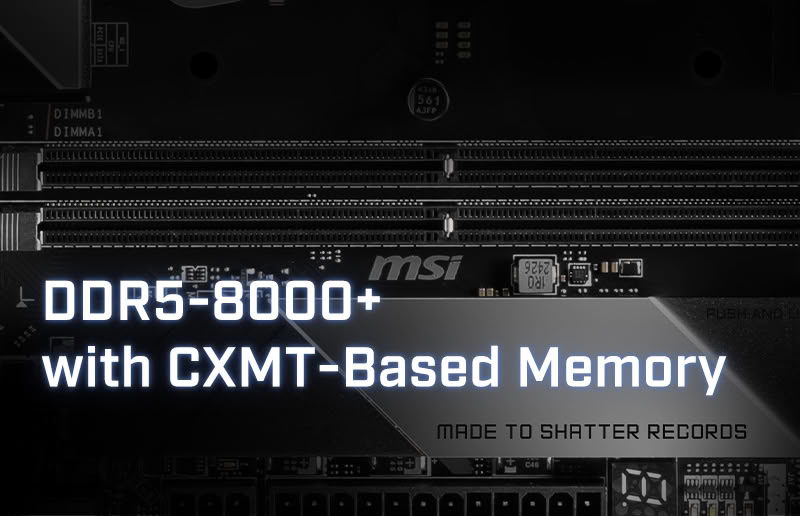
MSI is also folding these optimizations into its Memory Try It feature, which lets users select validated high‑frequency profiles in the BIOS instead of tuning frequencies, voltages, and dozens of timings by hand. As validation of CXMT’s memory continues, the company plans to add more higher‑frequency profiles for both Intel and AMD platforms over time. That roadmap matters because CXMT’s DRAM wafer capacity is expected to approach that of a major incumbent, which means CXMT DDR5 should become much more widely available worldwide. As supply scales, budget DDR5 memory from CXMT will not only be easier to buy; it will also arrive to a motherboard ecosystem already tuned for high‑speed operation. The conclusion is simple: MSI’s work turns CXMT from a regional value play into a realistic backbone for high‑end yet cost‑conscious gaming, content creation, and overclocked desktop builds.