
Real-World Productions: The Fastest Classroom for Photography
Learning photography through projects means gaining skills by shooting real assignments, solving live problems on set, and collaborating with crews instead of relying only on classroom exercises or online tutorials. It is a messy, high-pressure, feedback-heavy process where mistakes are expensive, schedules are tight, and every decision about light, framing, and movement has visible consequences for a real audience and client.
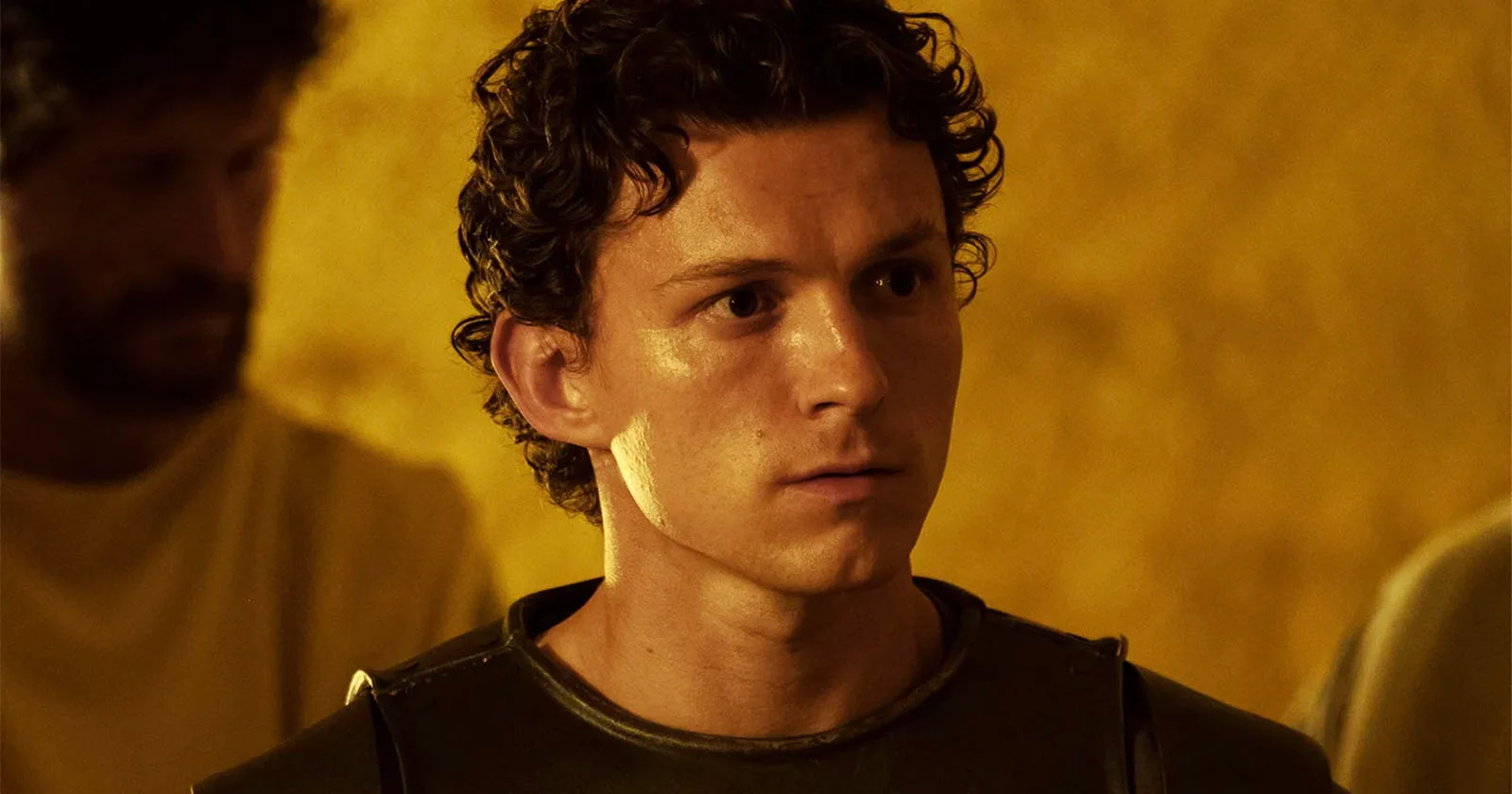
This kind of real world photography training is uncomfortable by design, and that discomfort is exactly why it works. Actor Tom Holland learned that the hard way on The Odyssey when the massive IMAX 70mm camera kept cutting after three minutes because the magazine only held 1,000 feet of film and burned through it at 5.6 feet per second. Under that kind of constraint, there is no time for endless takes or indecision about exposure. Film production experience compresses learning into intense bursts, where technical limits, schedule pressure, and performance all collide. If you want a cinematography career path, you cannot stay in the safe sandbox of course assignments forever; you need to stand where the camera, crew, and consequences are.
Pressure, Constraints, and the Problems Courses Cannot Simulate
Online courses can explain shutter speed and lighting ratios, but they cannot recreate the panic of a camera magazine that runs out in three minutes while a lead actor is mid-emotion. Nor can they simulate what happens when a camera system, like the IMAX Keighley designed around Christopher Nolan’s needs, brings its own quirks, noise issues, and physical bulk onto a tight set.
Historically, sound has always been an issue for large-format IMAX cameras, especially when recording dialogue in small spaces, which is why the new system uses a blimp to muffle their noise. That is not a multiple-choice problem; it is a real obstacle that sound, camera, and directing departments must handle together in minutes, not weeks. Holland admitted that repeated cuts made him question if his performance was failing. That is what real world photography training looks like: technical limitations bleeding into human psychology. No lesson video can teach you how to keep your framing steady, your exposure consistent, and your actor confident under that pressure; only real film production experience can.
From Corporate Videos to Festivals: Learning Photography Through Projects
If you want proof that learning photography through projects works, look at cinematographer Eben Bolter. He started with a DSLR, traveling and teaching himself to shoot stills for the love of images, completely separate from any career plan. That changed when his Canon 5D Mark II gained video mode and turned his photographs into moving images. Suddenly, his camera was not only a stills tool but a gateway to film production experience.
Working at a marketing company, Bolter volunteered to shoot corporate interview videos when the company needed content. He calls them “corporate interview rubbish videos,” but they forced him to learn editing and Final Cut Pro on real deadlines. This is the unglamorous side of real world photography training: bad office lighting, clients who do not care about the rule of thirds, and no time to obsess over every frame. Yet those projects built the practical habits—sound checks, exposure discipline, quick problem-solving—that textbooks cannot. The message is blunt: if a paid or semi-paid gig wants a camera and you have one, you are already closer to a cinematography career path than you think.
Mentorship, Short Films, and a Cinematography Career Path
Corporate work led Bolter into an evening film school and a group of filmmakers eager to shoot short films. Because he owned the camera, he became the de facto cinematographer by default. A couple of those shorts reached festivals, and he describes the feeling as the train leaving the station—he was suddenly a director of photography without even fully understanding the title. That is what learning photography through projects does: it promotes you before you feel ready.
From there, Bolter’s cinematography career path took him to working with Pedro Pascal on The Last of Us and Javier Bardem in Cape Fear, still driven more by practice than formal schooling. Even after being named a Breakthrough Brit by a major awards body in 2016 and earning a nomination for his work on The Last of Us, he admits he still feels imposter syndrome. Meanwhile, Holland describes collaborating with Christopher Nolan and producer Emma Thomas as a front-row seat to masters at work. That kind of mentorship—absorbing how experienced directors and crews think, decide, and adjust—cannot be packaged in a syllabus. Real film production experience is both training and audition: you learn while proving that you deserve to be there.
Who Benefits from Real-World Photography Training—and How to Begin
This path is not only for those already on big sets. If you feel, like Bolter once did, that you are a long way from the film and TV world but want to do something related to film because it feels like an attainable way in, real projects are your bridge. Photography communities exist to serve people like you; one major independent photography outlet openly states that their work relies on readers who care enough to support ongoing reviews, news, and features.
If you are serious about learning photography through projects, you should stop hoarding tutorials and start seeking assignments. That might mean offering to shoot internal videos at your workplace, finding local filmmakers through evening classes, or using one of the many DSLRs, cinema cameras, or other cameras for filmmaking that gear guides recommend to start shooting more serious work. The transition from shooting small corporate pieces to short films and, eventually, to prestige series or major features builds portfolio credibility faster than any certificate. The conclusion is uncomfortable but clear: your next lesson is not another course; it is the next imperfect, time-pressured, collaborative shoot you agree to do.