
Gaming laptop performance: power, price, and what you actually feel
Gaming laptop performance is the balance of CPU and GPU power, display quality, thermals, and battery behavior that determines how smoothly games run and how responsive a system feels under real-world workloads, from fast-paced shooters to demanding creative tasks.
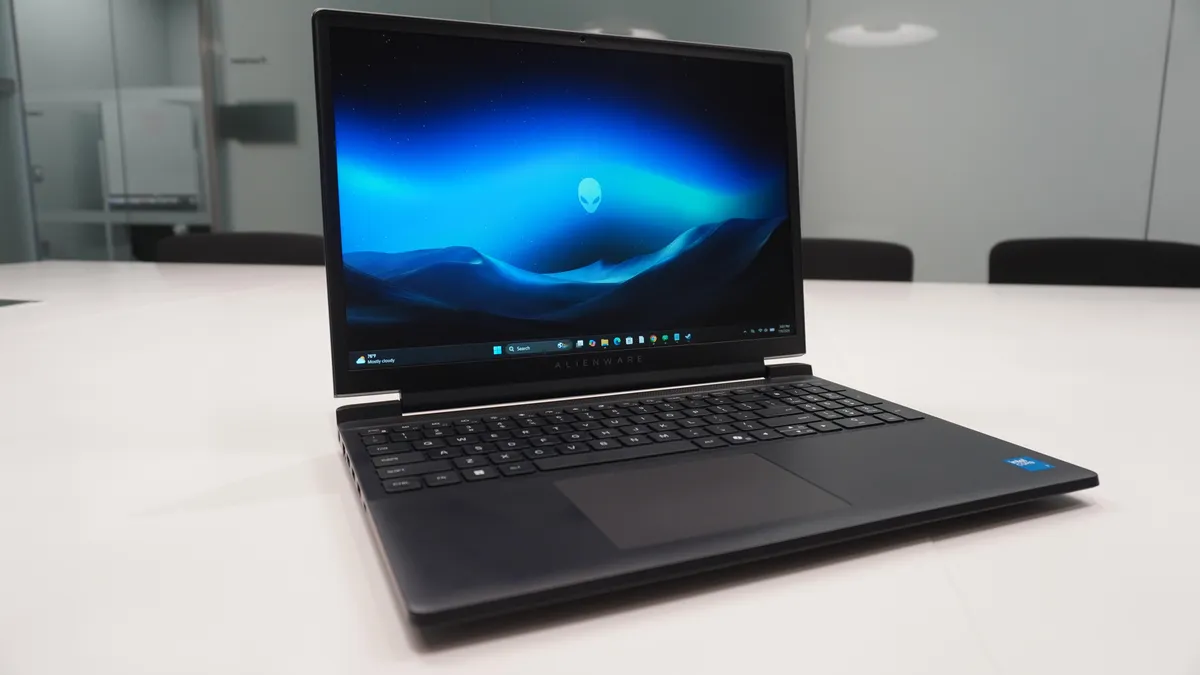
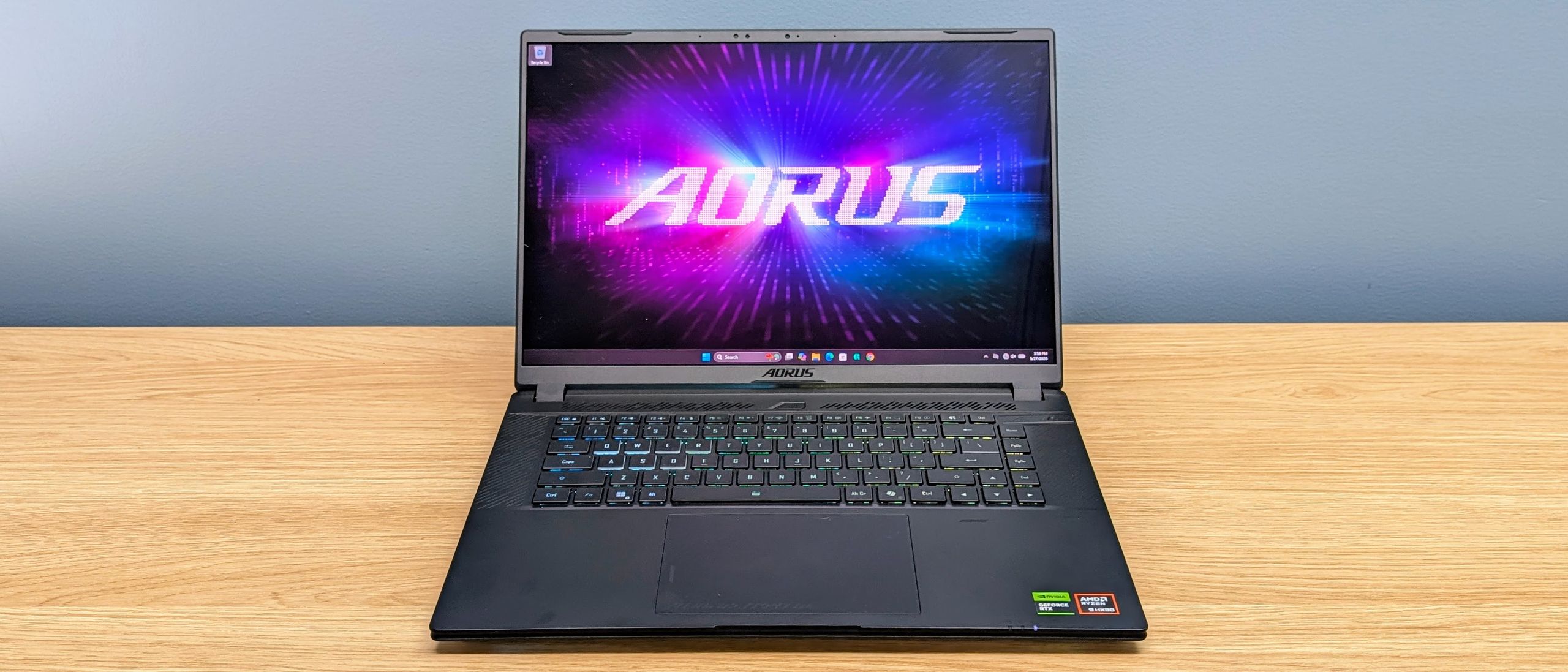
The uncomfortable truth is that high-end gaming laptops are not automatically good value; they only make sense when their speed advantage changes what you can do, not just how big your e-peen looks on a spec sheet. On one side, budget gaming laptops like the Alienware 15 try to deliver respectable frame rates and solid build quality at a lower entry price, but they cut corners where it hurts immersion, especially on display quality and features. On the other side, high-end gaming laptops such as the Gigabyte Aorus Master 16 Gen 2 are unapologetically expensive, but they aim to deliver desktop-class performance in a still-packable chassis. If you care about gaming laptop value, you need to stop asking “Is it fast?” and start asking “Is this speed worth the money for what I do?”
Specs and silicon: what you pay for in budget vs flagship machines
To understand whether premium price tags are justified, you have to compare what’s under the hood. The Alienware 15 leans on midrange hardware: it offers either an AMD Ryzen 5 220 or Intel Core 5 210H processor, with higher trims using a 10-core Intel Core 7 240H CPU. Graphics configurations span Nvidia’s RTX 4050, 5050, and 5060 GPUs, paired with 16GB or 32GB of RAM, driving a 300-nit WUXGA 1920 x 1200 display.
The Gigabyte Aorus Master 16 Gen 2, by contrast, is built unapologetically as a performance-first machine. The tested configuration combines an AMD Ryzen 9 9955HX3D processor with a 175W Nvidia GeForce RTX 5090 laptop GPU, 32GB of RAM, and a 1TB SSD. Its 16-inch OLED panel runs at 2560 x 1600 with a 240Hz refresh rate and full DCI-P3 coverage, designed to show off both high frame rates and rich color. In other words, the Alienware 15 gives you mainstream gaming laptop performance, while the Aorus Master 16 Gen 2 aims at the top of the stack with flagship GPU power and a display built for serious play and creative work.
| Spec | Alienware 15 (budget-leaning) | Aorus Master 16 Gen 2 (high-end) |
|---|---|---|
| CPU options | AMD Ryzen 5 220 / Intel Core 5 210H / Intel Core 7 240H | AMD Ryzen 9 9955HX3D |
| GPU options | RTX 4050 / 5050 / 5060 | RTX 5090 laptop, 175W |
| RAM | 16GB or 32GB | 32GB |
| Display | 15.3" WUXGA 1920 x 1200, 300 nits | 16" OLED, 2560 x 1600, 240Hz, 100% DCI-P3 |
| Storage (tested) | Not specified in source | 1TB SSD |
Price and performance-per-dollar: where value bends, not breaks
Price is where emotion and logic collide. The Alienware 15 starts at USD 1,300 (approx. ₱72,800), with a tested configuration of Intel Core 7 and RTX 5060 coming in at USD 1,649 (approx. ₱92,400). For what’s marketed as a budget gaming laptop, that is not a trivial spend, and it edges into the same territory as the brand’s more feature-rich lines. Performance is described as “quite good” and on par with competing entry-level gaming machines, but the unremarkable 300-nit WUXGA display and underwhelming speakers undermine the experience.
The Gigabyte Aorus Master 16 Gen 2 steps way up the ladder. The tested RTX 5090 model costs USD 4,299 (approx. ₱241,000). You are paying a steep premium for maximum gaming laptop performance: the RTX 5090 GPU runs at up to 175W and can be up to 35% faster than an RTX 5080 laptop in some gaming scenarios. A quotable way to frame it: “The tested RTX 5090 model is priced at USD 4,299 (approx. ₱241,000) and delivers flagship-class performance in a 16-inch chassis.” That kind of performance-per-dollar may look poor if you count only frames per second, but if your workloads demand that speed, the value picture changes.
The fine print: shared weaknesses and trade-offs you cannot ignore
Neither system is perfect, and both share caveats that blunt their appeal. The Alienware 15’s biggest flaw is its display: a 15.3-inch WUXGA panel that tops out at 300 nits and lacks vibrance. Paired with down-firing, tinny speakers, it delivers performance that you can’t fully enjoy. That is the classic trap of budget gaming laptops: strong internals strapped to mediocre screens and audio, undermining gaming laptop performance where it matters most—the experience on your eyes and ears.
The Aorus Master 16 Gen 2 swings the other way. Its OLED display is a highlight, but you pay through fan noise and poor battery life. Reviewers call it one of the loudest laptops at full load, with a high-pitched fan tone. Even with a large 99Wh battery, web browsing falls under 2.5 hours and video playback under four hours, with gaming on battery dropping further. Another quotable summary: “Despite its 99Wh battery, the Aorus Master 16 Gen 2 delivers under 2.5 hours of web browsing and less than four hours of video playback.” In practice, it behaves more like a moveable desktop than a truly portable gaming laptop.
So when does a premium gaming laptop make sense?
All of this leads to a simple conclusion: premium gaming laptops are worth the price only when their strengths align with your daily reality. If your sessions are mostly 1080p games, esports titles, or light workloads, the Alienware 15’s midrange CPU and RTX 40–50 series options provide gaming laptop performance that will feel smooth enough, and paying triple the price for a flagship GPU is overkill. But you must accept its lacklustre display and audio, which cap how immersive that performance feels.
If you live in heavy, sustained workloads—high-refresh 1600p gaming with ray tracing, complex video timelines, or 3D renders—the Gigabyte Aorus Master 16 Gen 2’s RTX 5090 and Ryzen 9 combo gives you performance that cheaper systems cannot touch. The trade-off is obvious: it is expensive, loud, and short on battery life. In the end, gaming laptop value is not about chasing the biggest number on a box, but about paying for the exact level of speed that meaningfully changes what you can play, build, and finish in a day.