
Meta’s New VR Bet: High-End Headsets, Not a Mass-Market Reset
Meta next generation headsets refer to the company’s upcoming line of VR and mixed reality devices, including an ultralight Phoenix MR headset and a gaming-focused successor to Quest 3, which together signal a shift toward higher-spec, less subsidized hardware for enthusiast and professional users.
Meta’s CTO Andrew Bosworth has made one thing clear: Meta has not given up on VR, but it has changed how it intends to fund it. During his latest Instagram AMA, he answered a blunt question—“Did you guys give up on VR?”—by reaffirming that the company is building “multiple next-generation headsets” and has moved VR into a “more sustainable” phase. That reassurance came with a teaser: “stay tuned for Connect and we’ll have more to share then”, a direct signal that a Meta Connect announcement in September will put hardware back at center stage. The headline takeaway is not that Meta is returning to its old, subsidy-fueled strategy, but that it is doubling down on VR hardware evolution while accepting slower, more expensive growth.
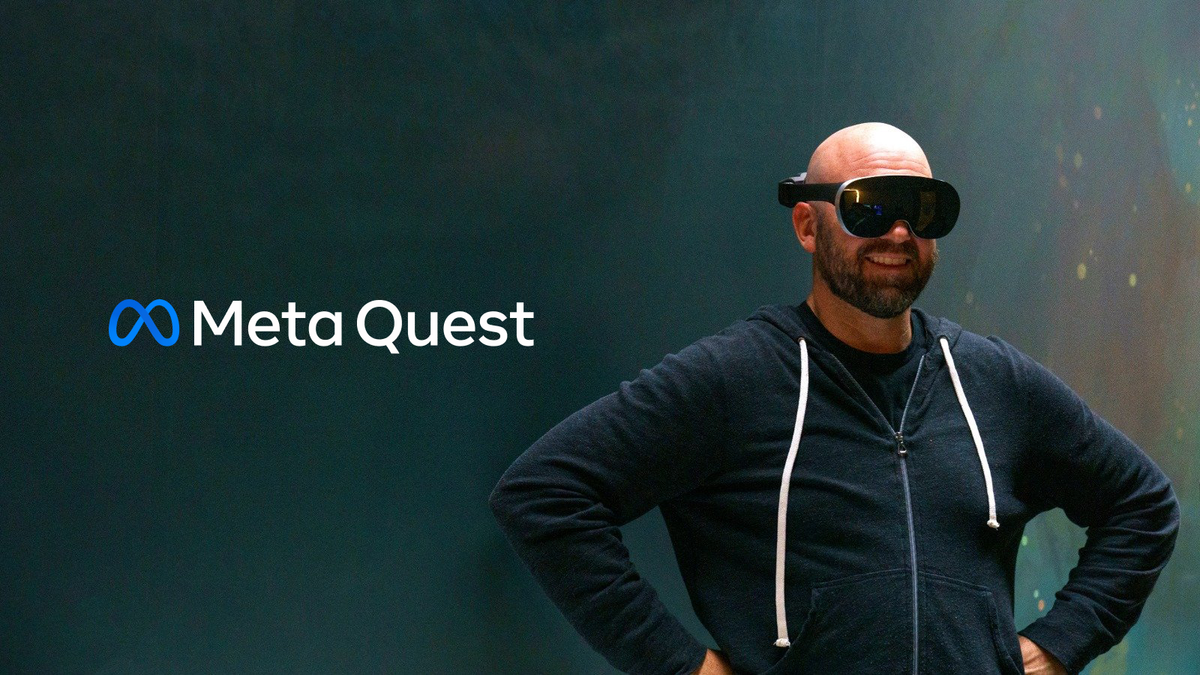
Phoenix MR Headset: Meta’s Answer to the High-End Mixed Reality Race
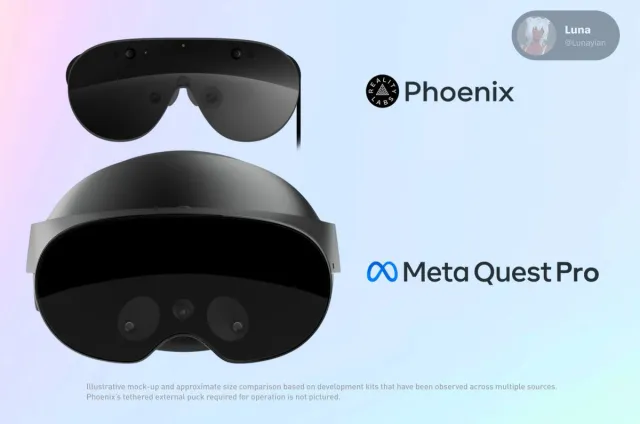
The clearest symbol of this pivot is the Phoenix MR headset, a lightweight mixed reality device tethered to a compute puck that has appeared both in internal memos and Quest firmware graphics. Rumors describe Phoenix (also referred to as Puffin or Loma) as an ultralight ski-goggle-like headset connected to an external computational unit, aimed at comfort and long-term wear rather than chunky, all-in-one designs. Many observers expect Meta to at least tease Phoenix at Connect, even if its launch window, suggested in internal documents, sits in the first half of 2027.
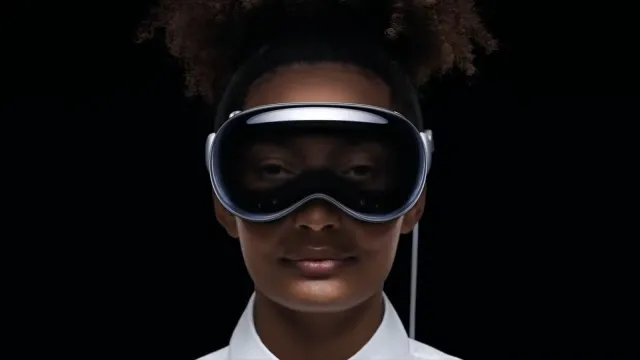
From a design perspective, Phoenix looks less like a radical new category and more like Meta’s iteration on the Apple Vision Pro model: a high-spec, high-price mixed reality device that prioritizes display quality, eye tracking, and advanced input over mass affordability. One source notes that Meta Phoenix is “basically a variation of the Vision Pro … cheaper, lighter, and more open,” which neatly captures the strategy: beat premium competitors on comfort and openness, not on inventing a new paradigm. That makes Phoenix a statement product about where Meta wants XR to go, rather than a guaranteed volume driver.
Beyond Phoenix: A Roadmap of Multiple Next Generation Headsets
Phoenix is only one piece of Meta’s next generation headsets roadmap. Bosworth has said that “we’re building multiple next-generation headsets” and that two devices on the roadmap have already been leaked. Internal documents describe two distinct paths: the ultralight mixed reality Phoenix with a tethered compute puck, and a more traditional gaming-focused headset often framed as a Quest 4-style successor. According to internal planning, Phoenix is targeted for the first half of 2027, while the gaming-centric Quest 4 would land later, with late 2027 cited as the earliest expected window, though Meta’s schedules frequently move.
This is not an abandoned platform quietly winding down; it is a long game. As one quotable summary of Meta’s stance puts it: “Meta’s CFO Susan Li says the company still has optimism in the future of VR and confirmed that it is still building future headsets.” But the cadence is slower and more cautious than the Quest 2 era. Instead of a rapid-fire succession of heavily subsidized devices, Meta is spacing out launches and focusing on fewer, more capable products that extend the VR hardware evolution curve rather than trying to restart it from scratch.
Features Over Fireworks: What the Next Wave Will Likely Deliver
The next generation of Meta headsets is unlikely to reinvent VR, but it is poised to push the existing formula forward. Quest 3 already provided a template with mixed reality pass-through and solid hand tracking, paired with the recently overhauled Horizon OS interface that leans into gaze-and-pinch style navigation. For Phoenix, expectations center on higher-end components: potential MicroOLED displays, integrated eye tracking aligned with the new UI, and a modern Qualcomm Snapdragon Elite-class chipset. That combination points to sharper visuals, more responsive input, and better mixed reality blending than current standalone headsets can offer.
But these improvements come with a cost. One analysis notes that even if Meta keeps Phoenix as cheap as possible, the likely price band sits between USD 1000 (approx. ₱56,000) and USD 2000 (approx. ₱112,000), simply based on the bill of materials. For context, Quest 3 launched at around USD 600 (approx. ₱33,600) yet sold “dramatically less than Quest 2”, which had been available at roughly half that price, even factoring in pandemic effects. The lesson is clear: feature upgrades alone do not guarantee adoption if the price climbs into premium territory.

A VR Winter Strategy: Sustainable Ambition, Limited Breakthroughs
Bosworth’s talk of putting VR into a “more sustainable shape” is not abstract; it follows a series of painful cuts. Meta has closed three acquired VR game studios, imposed significant layoffs at a fourth, cancelled a Batman: Arkham Shadow sequel, pulled Horizon Worlds back from VR, and deprecated its Horizon Workrooms and Quest for business offerings. Those decisions mark a retreat from the all-out spending spree that defined the early Quest years, even as hardware investment continues. The Connect tease is therefore not a victory lap, but a bid to convince developers and investors that Meta has a disciplined plan for VR hardware evolution.
For ordinary users, the near-term impact is paradoxical. On one hand, Meta Connect’s likely Phoenix MR headset preview shows that Meta remains committed to VR and MR as long-term platforms. On the other, the expected USD 1000–2000 (approx. ₱56,000–₱112,000) price range “at that price point, you can forget about huge adoption,” as one commentator bluntly puts it. Without a killer app or a dramatically new use case, these devices risk being “another expensive headset for prosumers and developers,” rather than a mainstream breakthrough. In that sense, Meta’s next generation headsets look less like a sudden thaw of the current VR winter and more like a carefully stoked fire, keeping the ecosystem warm until the next big paradigm shift eventually appears.