
Top Pick: CXMT DDR5 for Budget, Stock-Speed Builds
CXMT DDR5 memory is a newer class of budget DDR5 RAM built with ChangXin Memory Technologies DRAM chips that targets high frequencies at low cost but delivers weaker performance and overclocking flexibility than modules using established SK hynix, Samsung, or Micron dies. For most builders, the right way to use CXMT today is clear: it is a reasonable top pick only if you want affordable, stock-speed DDR5 and do not plan to tune timings or push manual overclocks. Motherboard vendors have invested in BIOS support to get CXMT DDR5 running past 8000 MT/s, proving that these modules can be trained and kept stable when the platform is configured correctly. That validation makes CXMT attractive for mainstream systems on tight budgets, but the same testing also shows why performance enthusiasts should choose SK hynix-based kits instead.
Performance and Overclocking Limits: Where CXMT Falls Behind
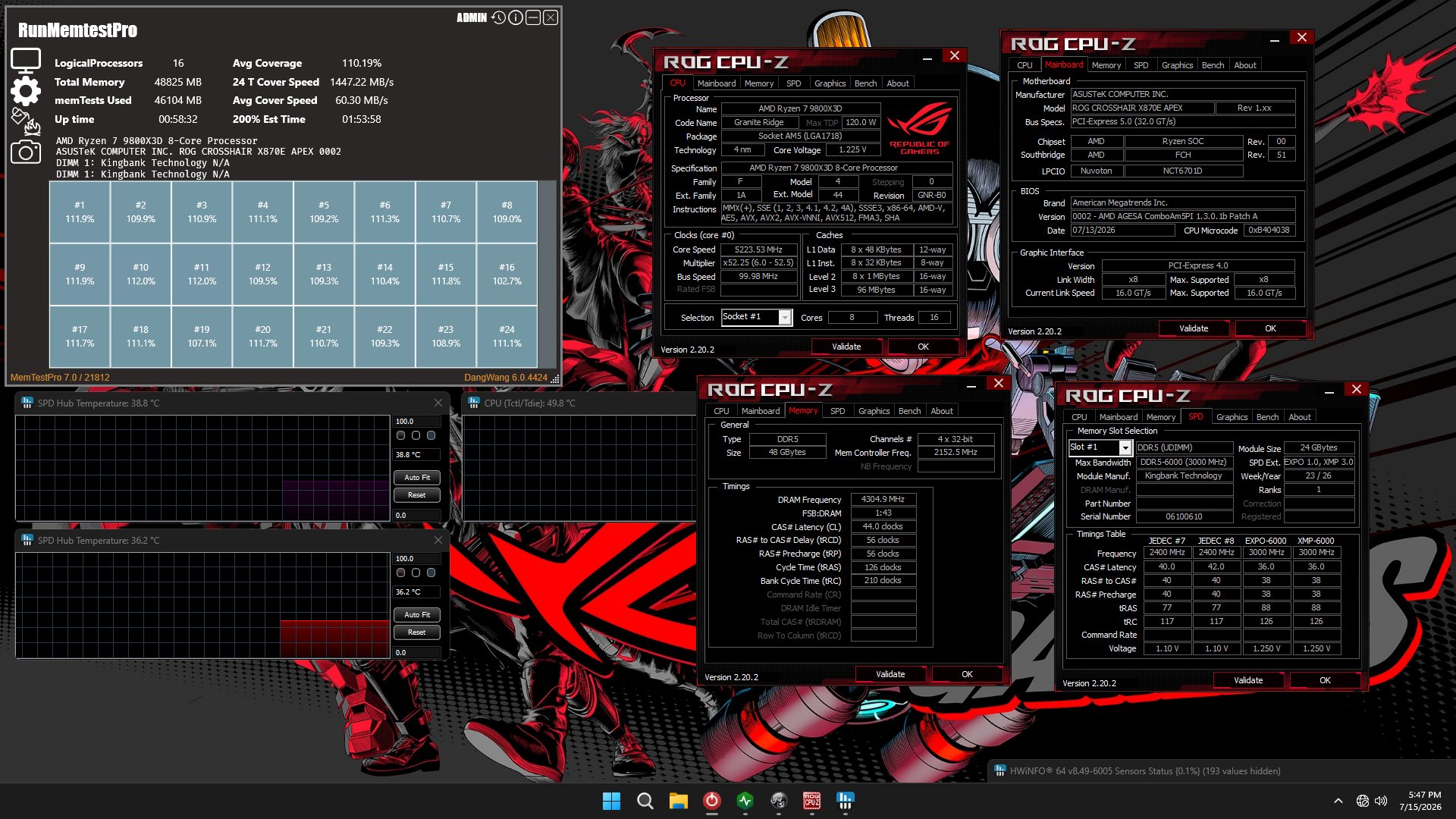
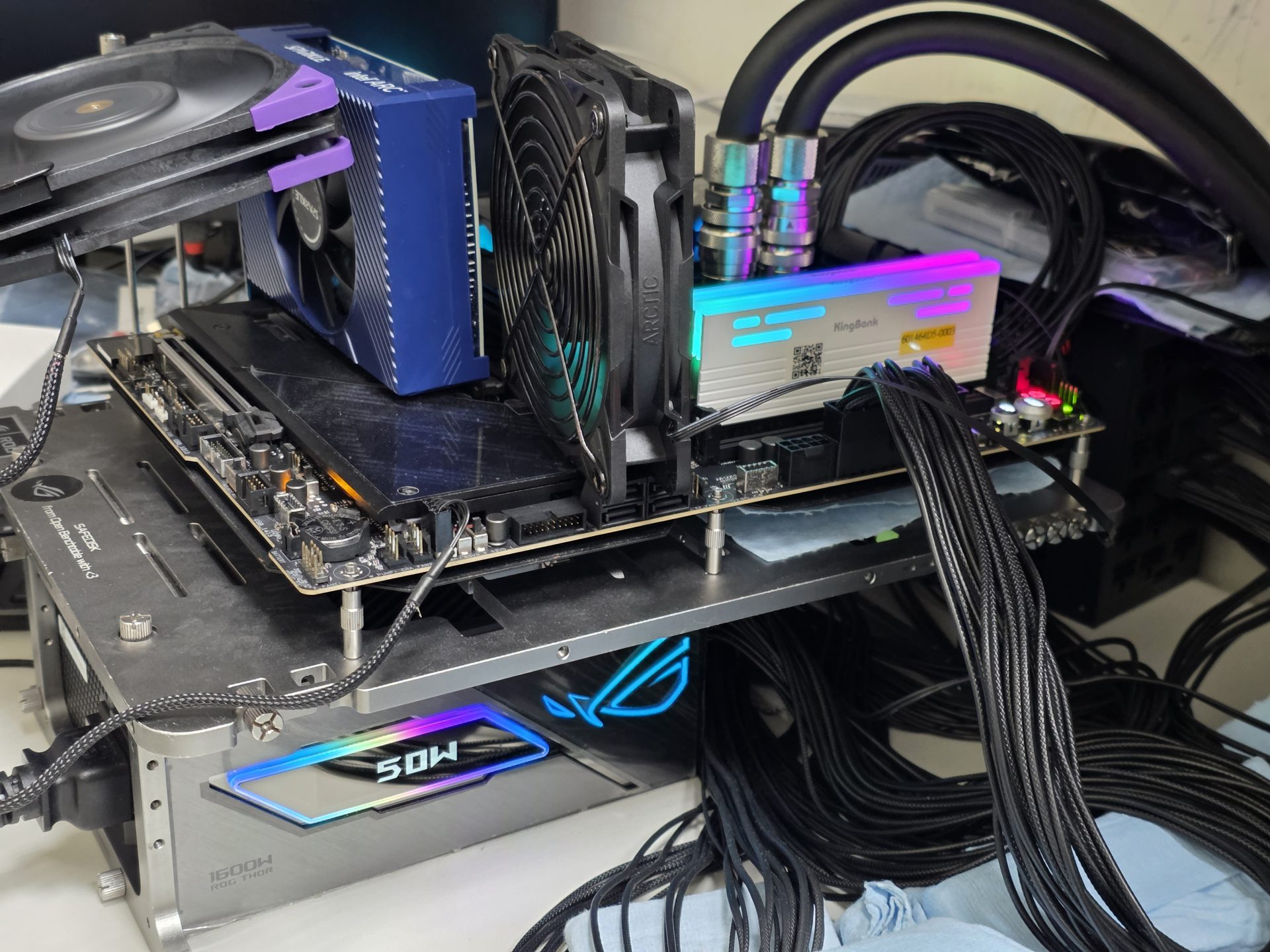
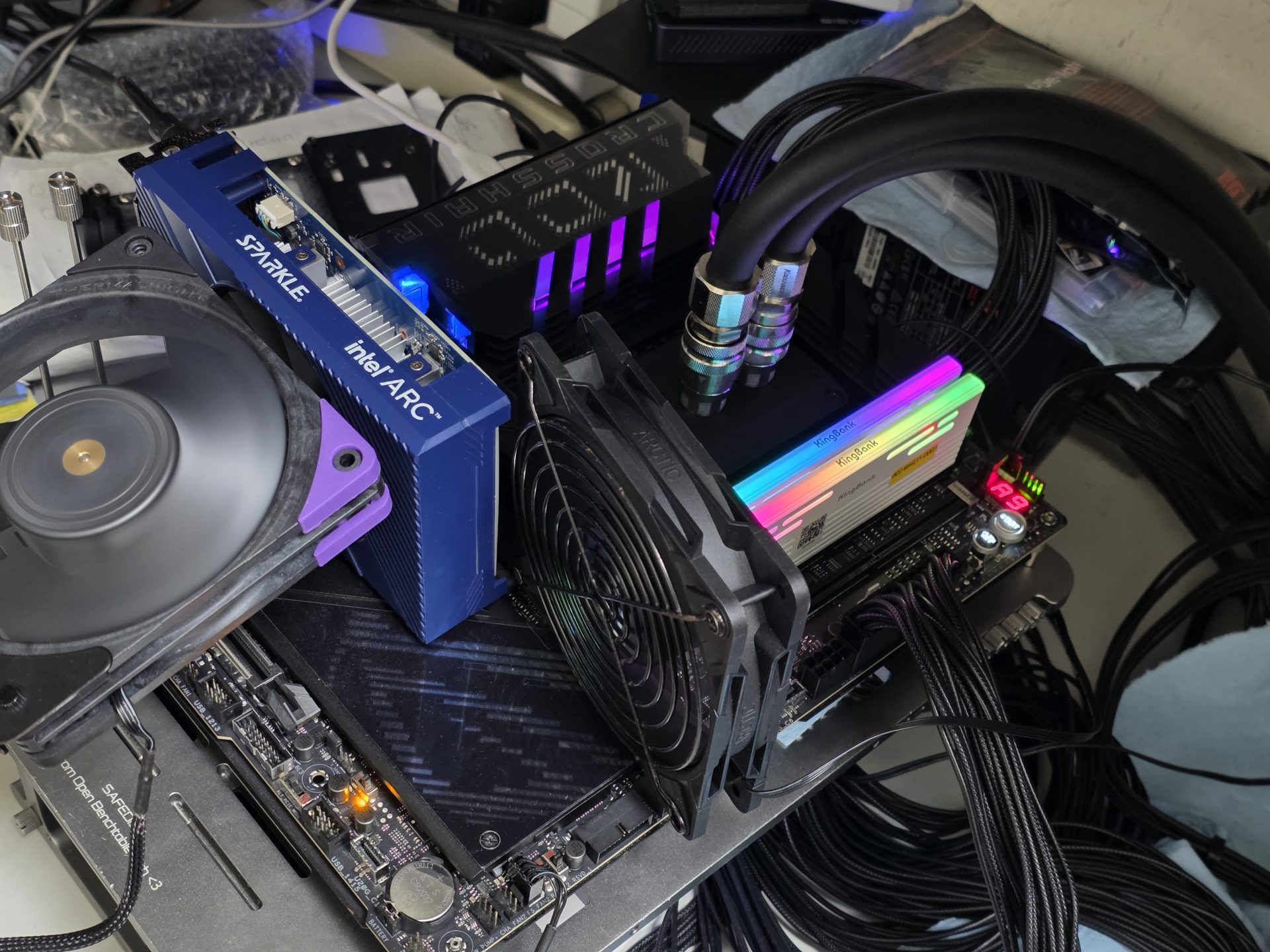
The big trade-off with CXMT DDR5 memory is overclocking behavior and effective performance at a given speed. Early testing shows that CXMT dies have poor voltage scaling: adding DRAM voltage hardly improves maximum frequency or timings, which sharply limits classic DDR5 tuning strategies. Secondary and tertiary timing adjustments deliver little benefit, and users report that timings on most kits cannot be meaningfully tightened beyond baseline values such as CL34–CL36. A KingBank 48GB kit rated for DDR5-6000 CL36 was manually pushed to around 8600 MT/s at CL44, but the timings had to be relaxed, and gains became harder to achieve even with more voltage. According to overclocker Safedisk, "at the same clock speed, this memory is slower than SK hynix DRAM," underlining that Chinese DRAM performance from CXMT trails the best DDR5 dies even when headline speeds match.
BIOS Optimizations and High-Frequency Validation
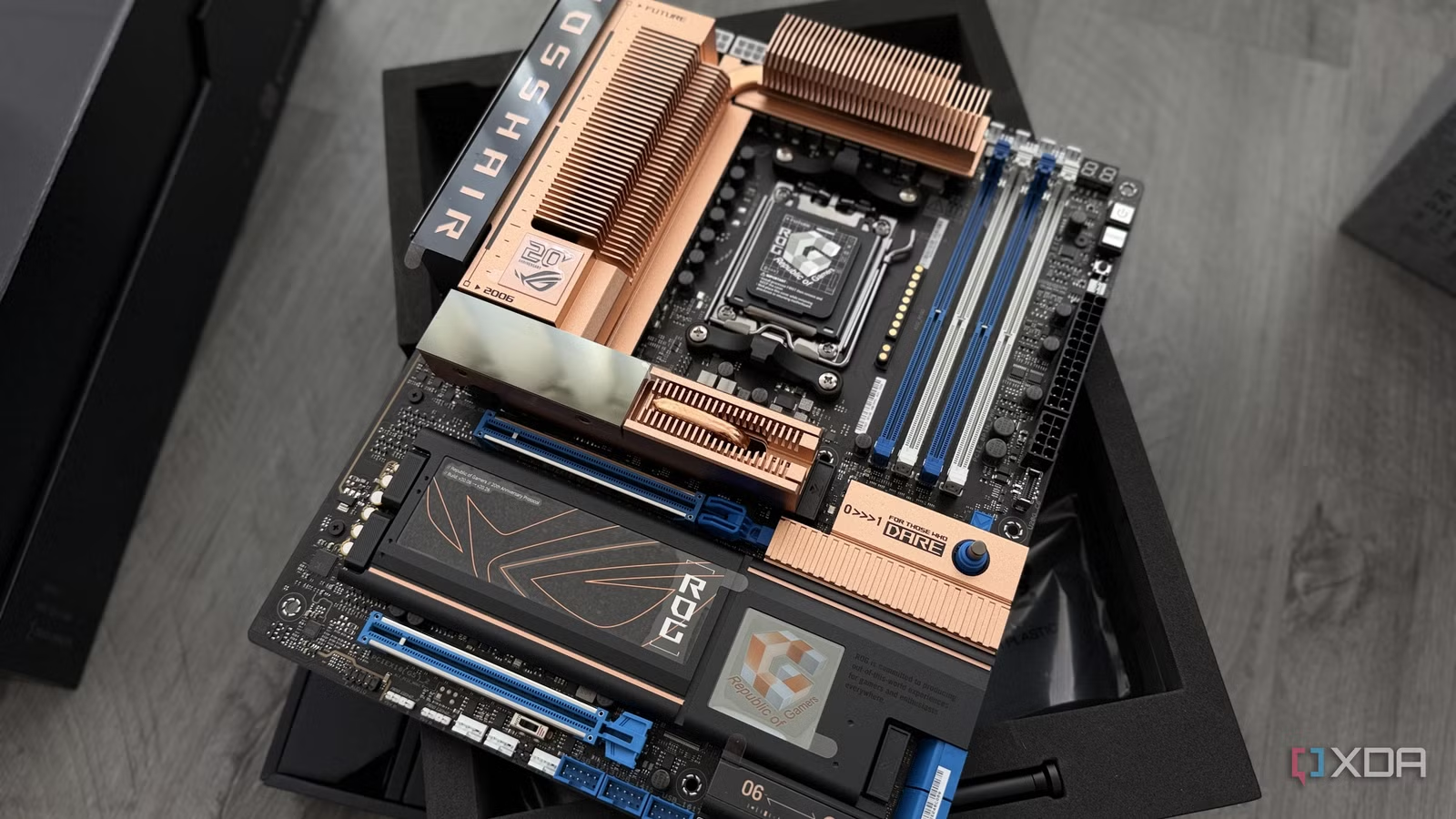
Despite its limits, CXMT DDR5 can hit impressive rated speeds when motherboard BIOS is tuned for it. MSI reports that new firmware for its Intel 800-series boards improves memory training and timing behavior for CXMT ICs, enabling stable DDR5-8000+ operation across multiple Z890 models, from two-DIMM overclocking designs to mainstream four-DIMM platforms. On a MEG Z890 UNIFY-X with an Intel Core Ultra 5 245K and two 24GB CXMT modules, MSI validated DDR5-8600 operation at 46-56-56-134 timings with MemTest coverage beyond 100%. A PRO Z890-S WIFI configuration with two 16GB modules reached DDR5-8200 at 44-56-56-132, again passing stress tests. Similar work on an X870E Apex motherboard shows BIOS updates that improve compatibility, performance, and stability for CXMT chips. These results confirm that CXMT DDR5 can be reliable at high XMP/EXPO profiles, provided the motherboard vendor has explicitly validated those kits.
Chinese DRAM Performance, Batch Variance, and Who CXMT Is For
Where CXMT DDR5 memory loses ground is consistency and fine-grained performance tuning. Testing indicates that comparable SK hynix DDR5 modules offer better tuning flexibility and higher performance at identical frequencies, reinforcing that CXMT is behind in real-world efficiency even when marketing speeds align. Overclockers also report major batch-to-batch silicon variance: some CXMT kits reach high clocks with acceptable stability, while others fail much earlier, making overclocking a silicon lottery to a greater degree than with established DRAM makers. At the same clock speeds, CXMT modules underperform, and the inability to tighten timings leaves enthusiasts stuck at baseline latency values. On the other hand, CXMT focuses production on conventional DDR5 and is expanding capacity fast, with reports that its output could match one of the big memory suppliers, turning it into a practical fourth choice for mainstream builders who care more about having affordable RAM than squeezing out the last few percent of performance.
Buy if / Skip if
- Buy the CXMT DDR5 memory if you want budget DDR5 RAM for a gaming or office PC that will run at stock XMP or EXPO speeds and you value capacity over tight timings.
- Skip the CXMT DDR5 memory if you plan heavy manual tuning, because poor voltage scaling and weak timing adjustment make overclocking gains small and unpredictable.
- Buy the CXMT DDR5 memory if your motherboard vendor lists explicit BIOS validation for CXMT modules at 8000 MT/s or higher and you are comfortable sticking to those profiles.
- Skip the CXMT DDR5 memory if you want the best Chinese DRAM performance at identical speeds, since SK hynix-based kits still deliver higher throughput and lower latency once tuned.
- Buy the CXMT DDR5 memory if you are building multiple mainstream systems during DRAM shortages and need a high-volume, fourth-choice supplier that prioritizes conventional DDR5 production.
- Skip the CXMT DDR5 memory if you care about consistent silicon quality across batches and prefer predictable overclocking behavior from long-established DRAM manufacturers.