
A Definition: What Forefront v4.0.153 Changes
Forefront v4.0.153 is a substantial Forefront VR update for the Battlefield-like 32-player VR FPS that adds a new map, a new weapon, more physical mechanics, network and balance fixes, and PCVR visual enhancements to refine its large-scale shooter experience.
The key takeaway is simple: Forefront is no longer experimenting with being a big VR FPS; with v4.0.153, it behaves like one. Triangle Factory has delivered a focused patch that touches map design, weapon handling, class tools, and matchmaking, instead of chasing side features. A desert Conquest map, a tactile revolver, and the ability to drag dead bodies are not cosmetic tweaks. They are systems that change how players move, survive, and cooperate in this 32-player VR shooter. This update signals a studio that wants Forefront to be played seriously—not as a tech demo, but as a persistent online battlefield that can anchor people’s VR FPS sessions.
Mojave: A New Conquest Map Built for VR Chaos
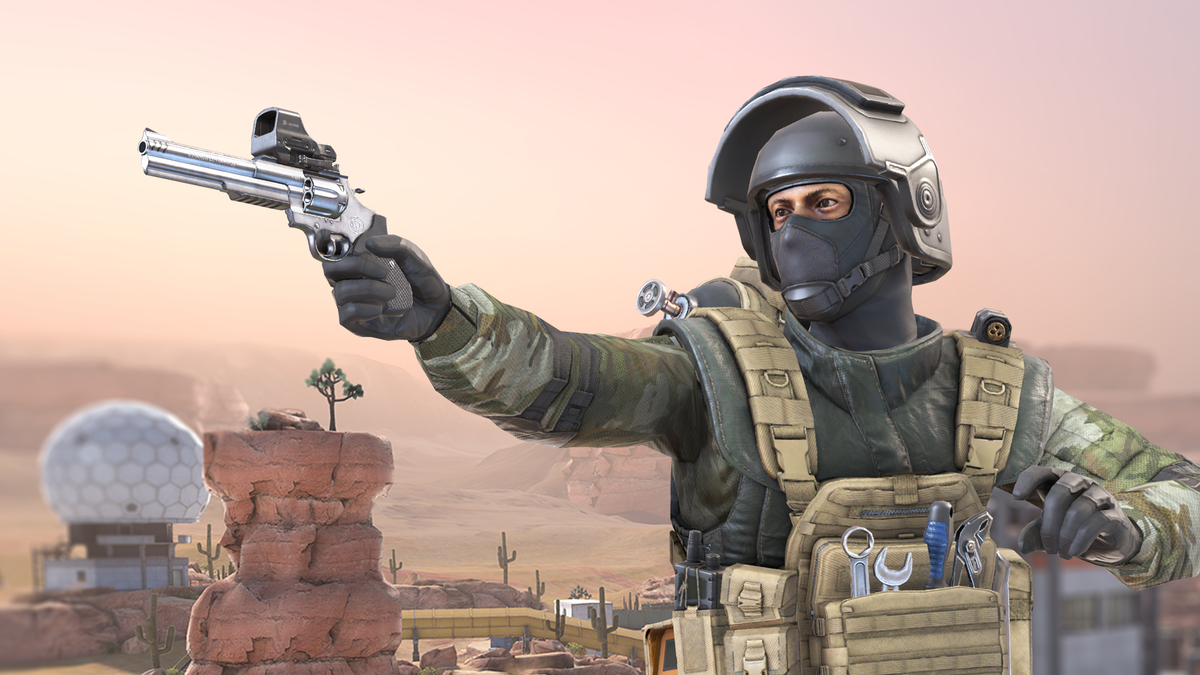
The headline content drop is Mojave, a desert-based Conquest map set around a production and refinement plant repurposed into an ICBM development facility by the O.R.E. This is exactly the kind of grounded, readable environment a large-scale VR shooter needs. Instead of abstract arenas, Mojave gives clear sightlines, meaningful cover, and obvious objectives that make 32-player firefights legible from inside a headset. Attacking or defending the facility, depending on faction, fits the Battlefield-style fantasy Forefront leans into.
The design choice matters because VR FPS games live or die on how well players can parse chaos while physically turning their heads and aiming. Mojave’s industrial structures and desert openness should encourage combined-arms play, with vehicles, gadgets, and infantry weaving around control points. It is not just “a new map”; it is a statement that Forefront understands that large-scale VR combat needs fewer gimmicks and more readable, tactical spaces.
The Marshal-6 and Dead-Body Dragging: Small Additions, Big Tactical Shifts
The Marshal-6 revolver is a six-shot sidearm that leans into Forefront’s physical weapon handling: you load, spin, flick, and fire it, with unlockable attachments including a Speedloader that reloads all six bullets in one move. This is the kind of gun designed for mastery; it rewards players who enjoy the ritual of VR reloading and want a high-skill backup weapon. It also broadens the pistol slot from an afterthought to a deliberate playstyle choice, especially in close-quarters Mojave fights.
More transformative is the ability to drag perished players, a mechanic added after community requests. You can haul both friendlies and enemies, letting squads pull downed allies into cover or deny revives by dragging enemies away from their team. In a VR FPS, this creates moments that feel far more physical and cinematic than pressing a revive button. It forces teams to think about body locations, not just kill feeds, and adds a new layer of risk around pushing corpses in exposed lanes.
Balance and Quality-of-Life: Quiet Fixes That Matter Most
Beyond headline features, v4.0.153 is packed with small changes that will define day-to-day play. The KLAV-6 rifle has been toned down, with its maximum spread increased by 50%, its spread increase per shot also raised by roughly 50%, and its post-falloff damage reduced from 20 to 17. This is a clear attempt to rein in a dominant gun and encourage broader weapon variety. Sniper scopes get corrected zoom levels, red-dot sizes are fixed between pistols and rifles, and exploits like scoping through geometry are removed. These are the adjustments competitive-minded players demand from a live-service shooter.
Practical improvements also target the experience of logging in and finding a fair match. Ping restrictions for Quickplay now stop US players from being dropped onto distant servers, while Quickplay behavior has been improved to fix false “Game Is Full” errors. Team balancing has been re-enabled and improved, and friend system recovery is more reliable if something fails at boot. For support roles, the stim gun gets slight auto-targeting for teammates, a green laser visible only to allies, bullet impacts on misses, and a shift from instant healing to 50HP over three seconds, plus 35HP damage when used offensively on enemies. Taken together, these tweaks make Forefront feel less like an early-access experiment and more like a maintained online shooter.
Visual Updates, PCVR Focus, and What Comes Next
On the presentation side, v4.0.153 adds ambient particles for PCVR and moving trees on all platforms, while reducing memory usage by lowering light probe density. Combined with fixes like better arm IK when two-handing a pistol and gun animations that now behave correctly when snap turning or crouching, the game should feel more grounded and less glitchy in moment-to-moment aiming. Vehicles also get attention, with the Anti-Air tank’s main turret spread reduced to make it more accurate. None of this will headline a trailer, but it tightens the overall feel of this VR FPS.
The clearest signal of long-term intent is that a PS VR2 version remains in the works. That commitment, paired with an update this broad, shows Triangle Factory is in this for an evolving core experience, not a one-and-done launch. According to one patch summary, “Forefront has launched a major update which adds a new map, new weapon, and new mechanics to the 32-player Battlefield-style VR first-person shooter.” The conclusion is straightforward: if you care about large-scale VR FPS games, Forefront v4.0.153 is the moment the game starts deserving a spot in your regular rotation.