
Cloud gaming vs PC builds: the new budget dilemma
Cloud gaming vs PC building is the choice between paying a recurring subscription to stream games from remote hardware and paying a large upfront cost to own a physical gaming computer you assemble from individual components. In a component price crisis where RAM, SSDs, and GPUs become far more expensive, this choice becomes a financial decision about risk, flexibility, and long‑term value rather than pure performance or hobby preference. When memory prices spike, cloud gaming starts to look less like a compromise and more like a hedge against volatile hardware costs, especially for players who mainly care about playing modern games at decent settings instead of owning every piece of silicon on their desk.
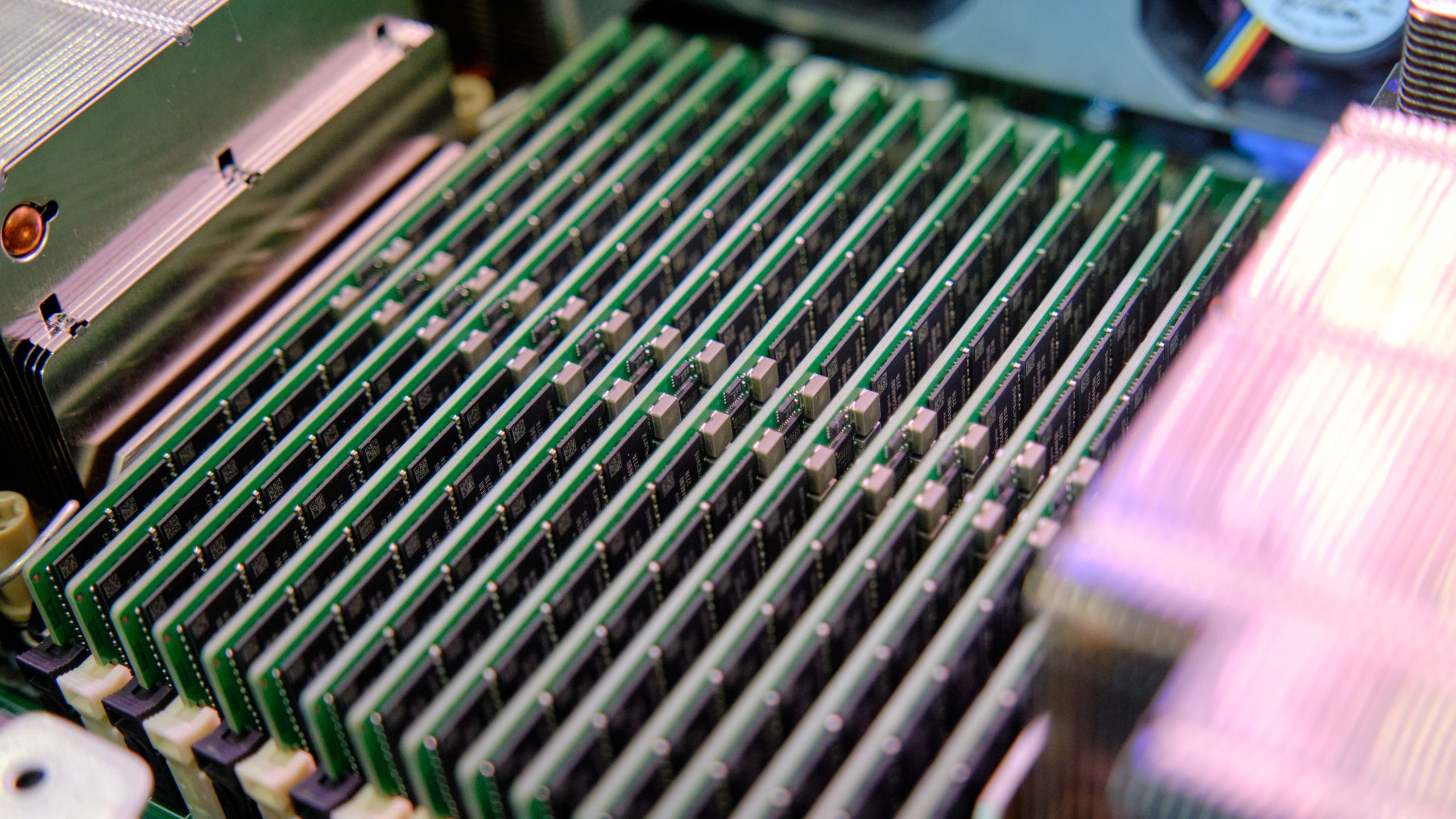
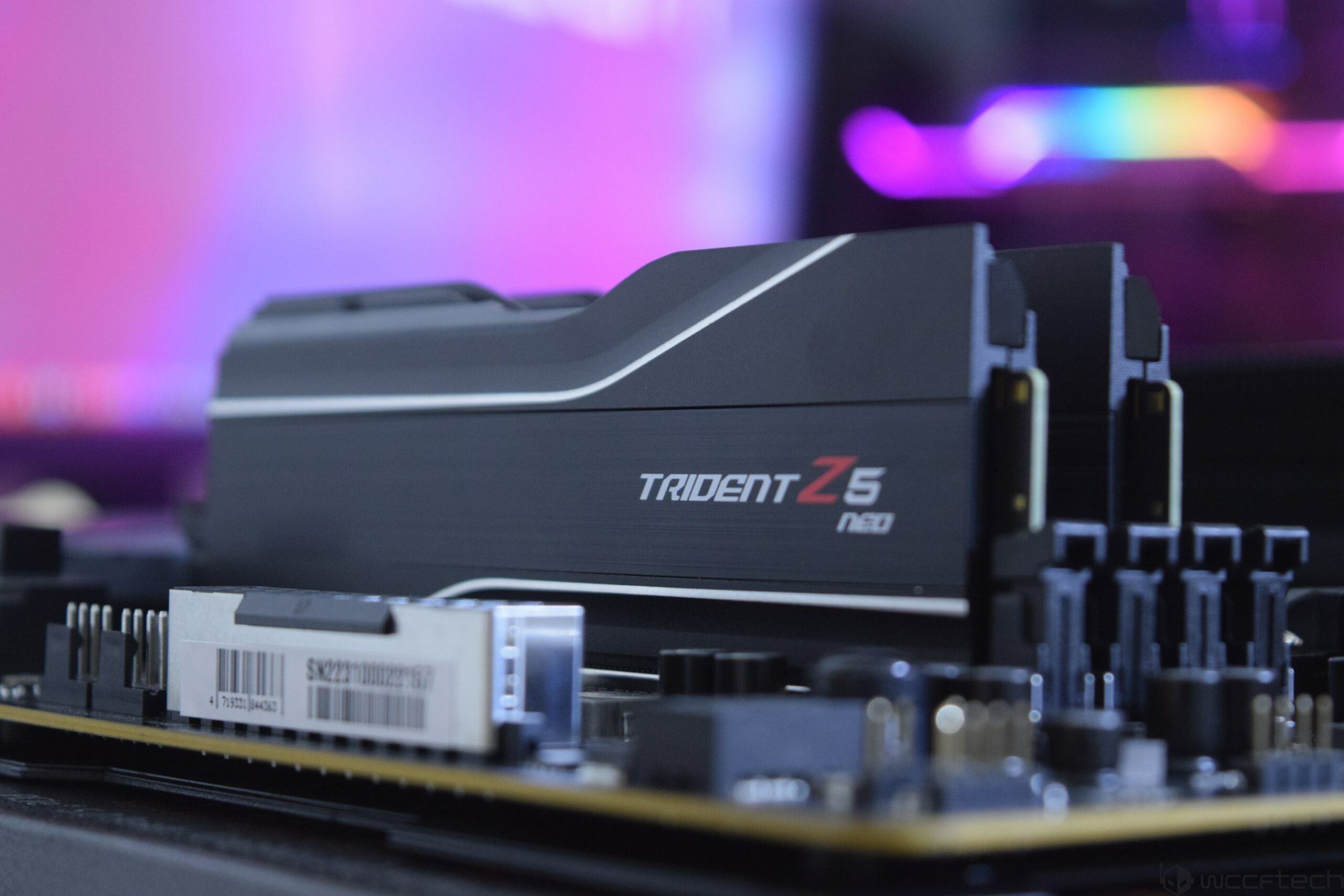
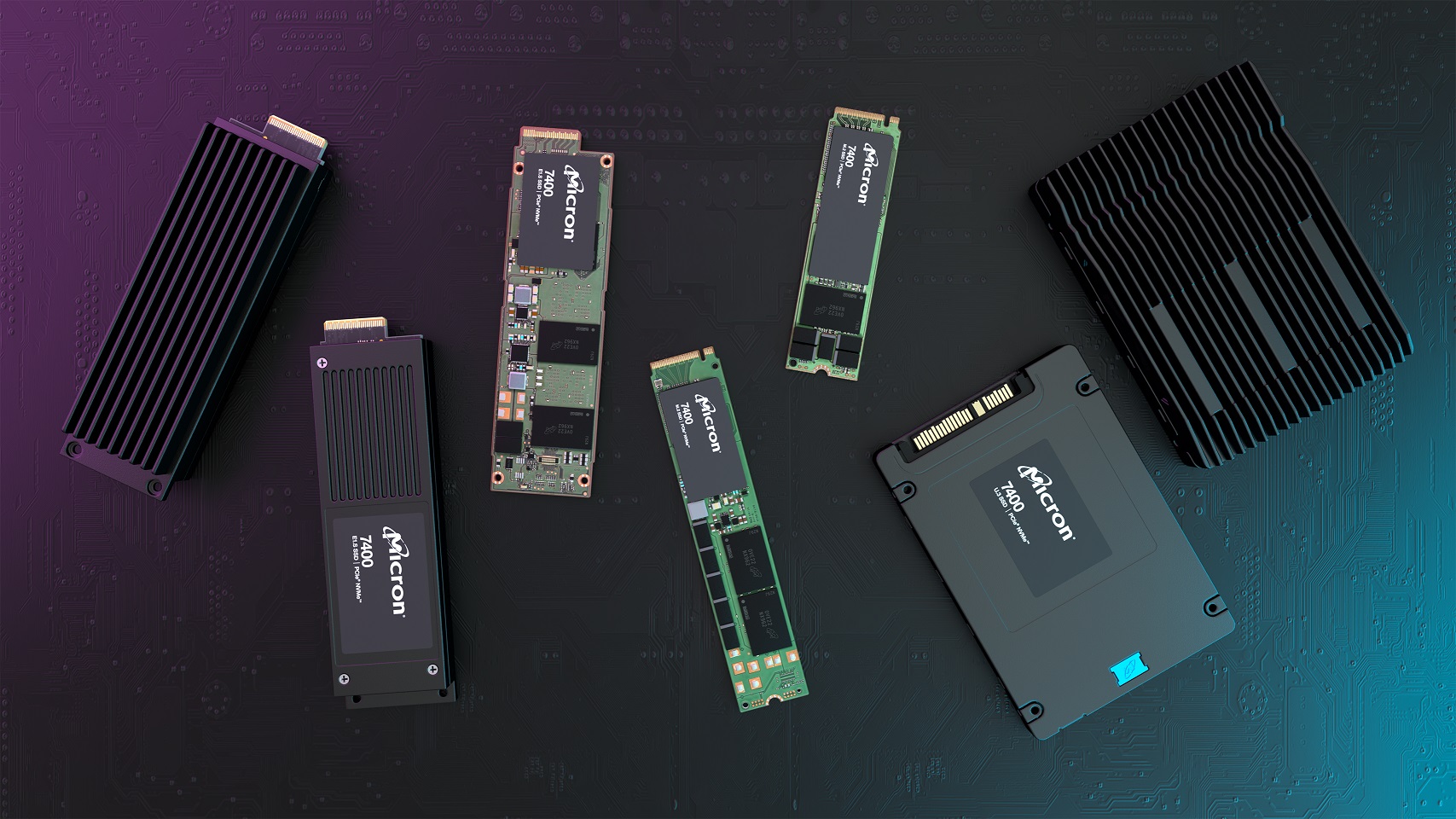
Today’s component price crisis has flipped the old wisdom that building a gaming PC is always the best long‑term investment. A 32GB DDR5 kit can now cost between USD 350 and USD 500 (approx. ₱19,600–₱28,000), a 1TB PCIe 4.0 NVMe SSD about USD 200 (approx. ₱11,200), and even a modest RTX 5060-based system can approach USD 1,300 (approx. ₱72,800) before you add a monitor, operating system, or peripherals. When analysts say the current RAM shortage has created a new pricing floor rather than a temporary spike, waiting it out looks increasingly like wishful thinking instead of a smart strategy.
How the RAM crisis wrecks PC build cost comparison
If your gaming budget options used to start with a sensible DIY rig, the RAM and NAND crunch has narrowed that path. One detailed parts guide pegs around USD 1,000 (approx. ₱56,000) as the realistic starting point for a decent new gaming PC, and explicitly avoids going lower because high GPU, RAM, and SSD prices would force major compromises in graphics performance, memory capacity, or component quality. In other words, the old “build a cheap starter PC and upgrade later” playbook now means swallowing painful trade‑offs or blowing up your budget.
The real damage isn’t only at checkout; it’s in the future. Memory prices have “skyrocketed,” and the ongoing shortage has driven up the cost of all DRAM and NAND flash products, including SSDs and graphics cards. Alongside the higher barrier to entry, the RAM crisis introduces a new maintenance risk: a failed stick that might once have meant an USD 80 (approx. ₱4,500) swap can now force you to buy a far more expensive kit in a different capacity. Since components can cost two or three times what they did before, the PC you build today is expensive upfront and expensive again when something fails or falls behind.
Cloud gaming: less ownership, far less hardware risk
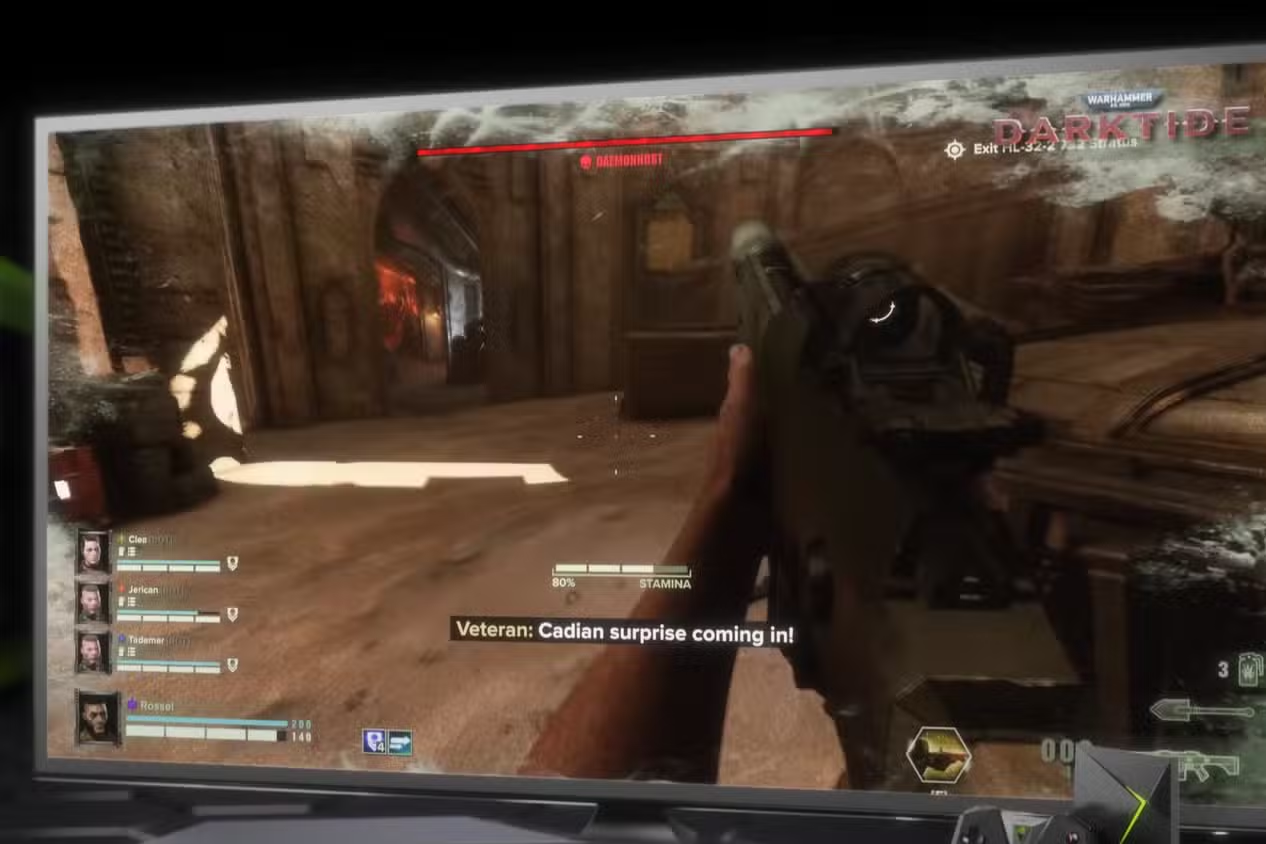
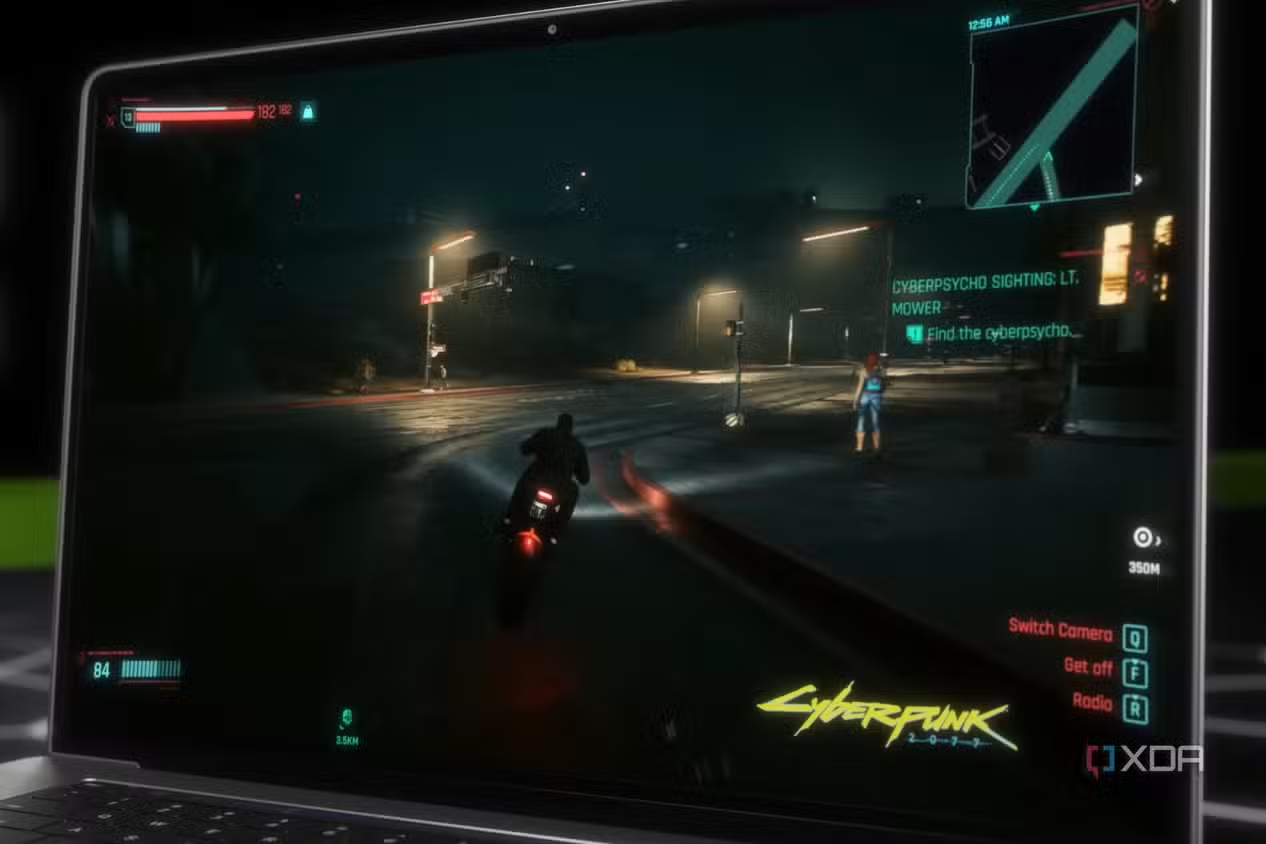
Cloud gaming is controversial among enthusiasts, but in a component price crisis it solves an ugly problem: hardware risk. For around USD 19.99 (approx. ₱1,100) a month, one popular service offers access to the performance of a flagship Ada Lovelace or Blackwell GPU, while another gives you a full remote PC instead of a locked catalog. That hardware is already built, already upgraded, and—crucially—already absorbing RAM and GPU price shocks on someone else’s balance sheet, not yours. Any PC, Mac, or mobile device can become a high‑powered gaming machine through such a cloud platform.
You do give up something meaningful: ownership. As one writer notes, subscribing is “tantamount to relinquishing ownership,” and skepticism about digital access is healthy when the whole industry is questioning digital ownership itself. But this trade‑off has an upside: continuity. When RAM shortages threaten whether new players can afford to access PC gaming at all, a subscription that costs about two coffees a week can keep you playing on almost any screen you own. A cloud gaming subscription sidesteps many of the compromises that now define entry‑level PC builds.
Hidden costs: bandwidth, licenses, and aging hardware
Neither path is clean. With a local rig, you face both planned and unplanned spending: upgrades when games demand more performance, and repairs when parts fail. PCs, by their nature as consumer electronics, are vulnerable to aging and eventual failure. In a market where memory and NAND prices are inflated, each failure is a financial dice roll. A RAM stick dying no longer means a small replacement; it can mean hundreds of dollars for a kit that doesn’t even match your original capacity. Factor in that realistic PC build cost comparison now starts around USD 1,000 (approx. ₱56,000) and rises with each USD 500 (approx. ₱28,000) step in budget to unlock better GPUs, memory, and storage.
Cloud gaming avoids those component headaches but has its own hidden costs. You still need to buy game licenses where the service does not bundle them, and you are on the hook for fast, stable internet with enough bandwidth to stream high‑resolution video reliably. Over time, monthly fees stack up, and you never end up owning the hardware you fund. Critics are right to worry that, in an era where digital ownership itself is under pressure, you can lose access if terms change or services shut down. Neither option is painless; they just concentrate the pain in different places.
So which wins when component prices spike?
When RAM and SSD prices soar, cloud gaming makes more financial sense for most people who view gaming as entertainment, not a hardware hobby. Building your own rig on a tight budget is still possible, but only by accepting trade‑offs that blunt the original advantage of PC gaming—better performance per dollar and a clear upgrade path. The ongoing component price crisis means even “budget” builds start high, and each future failure in RAM or storage can hammer your wallet again.
Cloud subscriptions flip that equation: predictable monthly costs, no hardware maintenance, and instant access to powerful GPUs, at the cost of ownership and reliance on strong internet. If you love tweaking, overclocking, and owning your machine, a PC is still worth the pain—just go in with open eyes about how expensive that love has become. For everyone else comparing cloud gaming vs PC to stretch a limited budget, the smarter move in a component price crisis is to rent the power and let someone else worry about the RAM bill.