
The Real Question: Where Does Speed Change How Your PC Feels?
High-speed DDR5 RAM and NVMe SSDs are PC build components that improve system responsiveness by reducing memory latency and storage access time, but their real-world impact on gaming performance and productivity workloads depends heavily on how often your applications hit main memory versus disk, and how sensitive those tasks are to latency rather than raw throughput. When enthusiasts chase DDR5 memory performance and gaming storage speed, the value comes from understanding which bottleneck you are fixing, not from buying the highest number on the spec sheet.
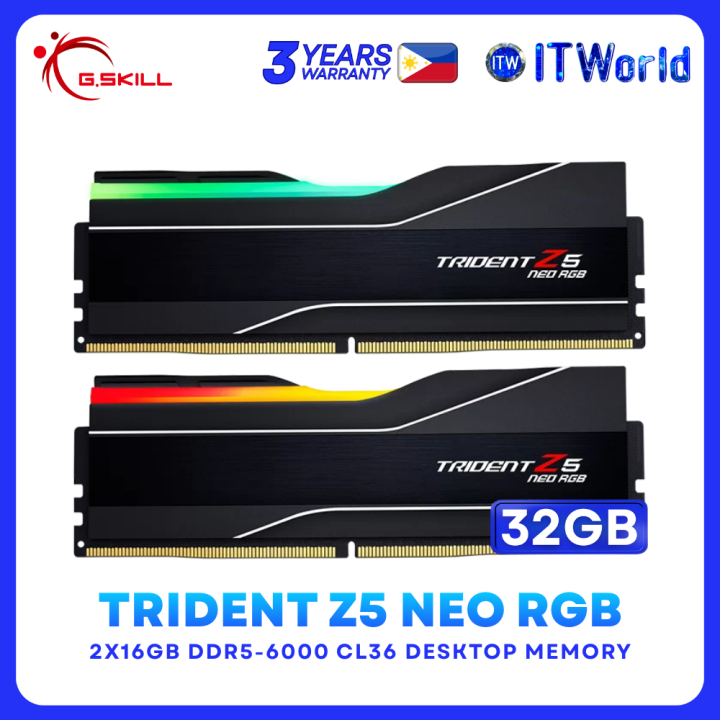
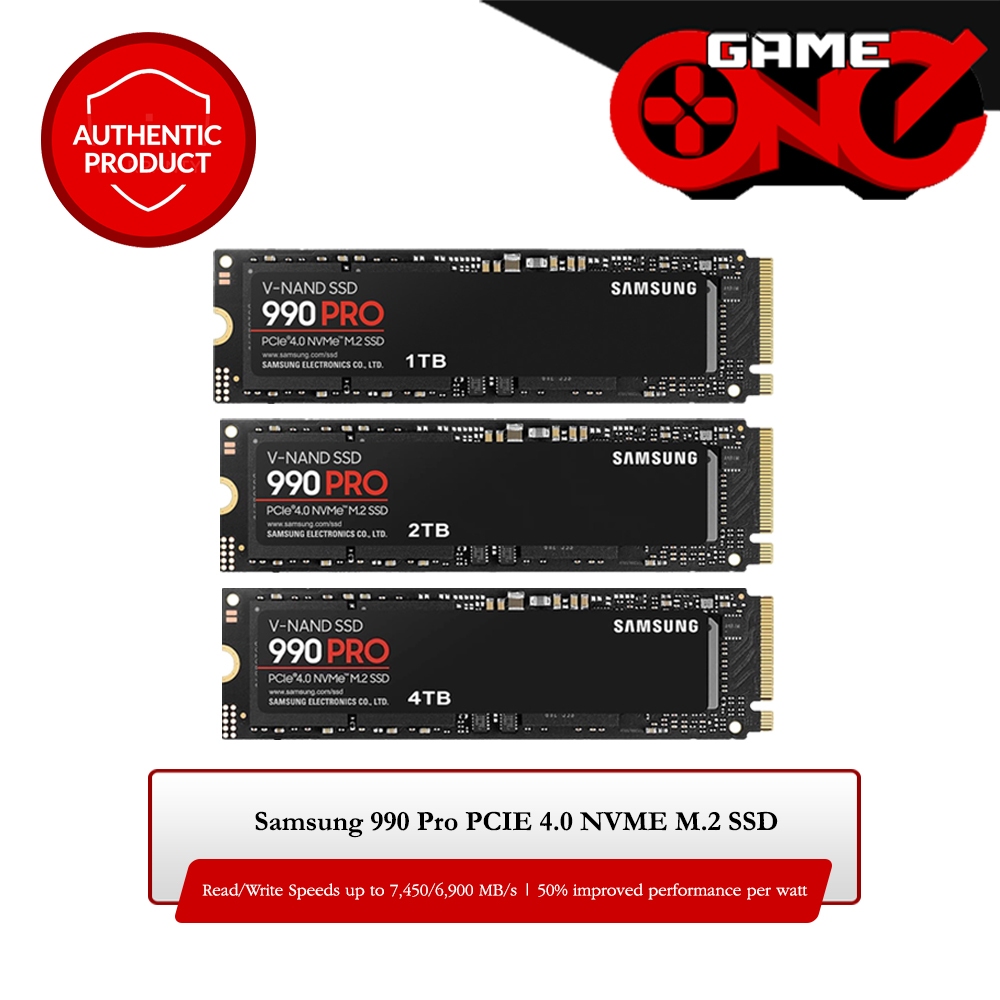
The key takeaway: if your games stutter or your creative apps crawl under heavy multitasking, smarter RAM and storage choices can help—but not always in the way marketing claims suggest. High-end DDR5 like G.Skill’s Trident Z5 NeoX EXPO ULL targets memory latency on modern Ryzen platforms, while drives such as the Samsung 990 M.2 NVMe focus on fast sequential transfers and solid PCIe 4.0 storage performance. Treat them as complementary tools, not interchangeable upgrades.
DDR5 Memory Performance: Why Low Latency Matters More Than a Bigger Number
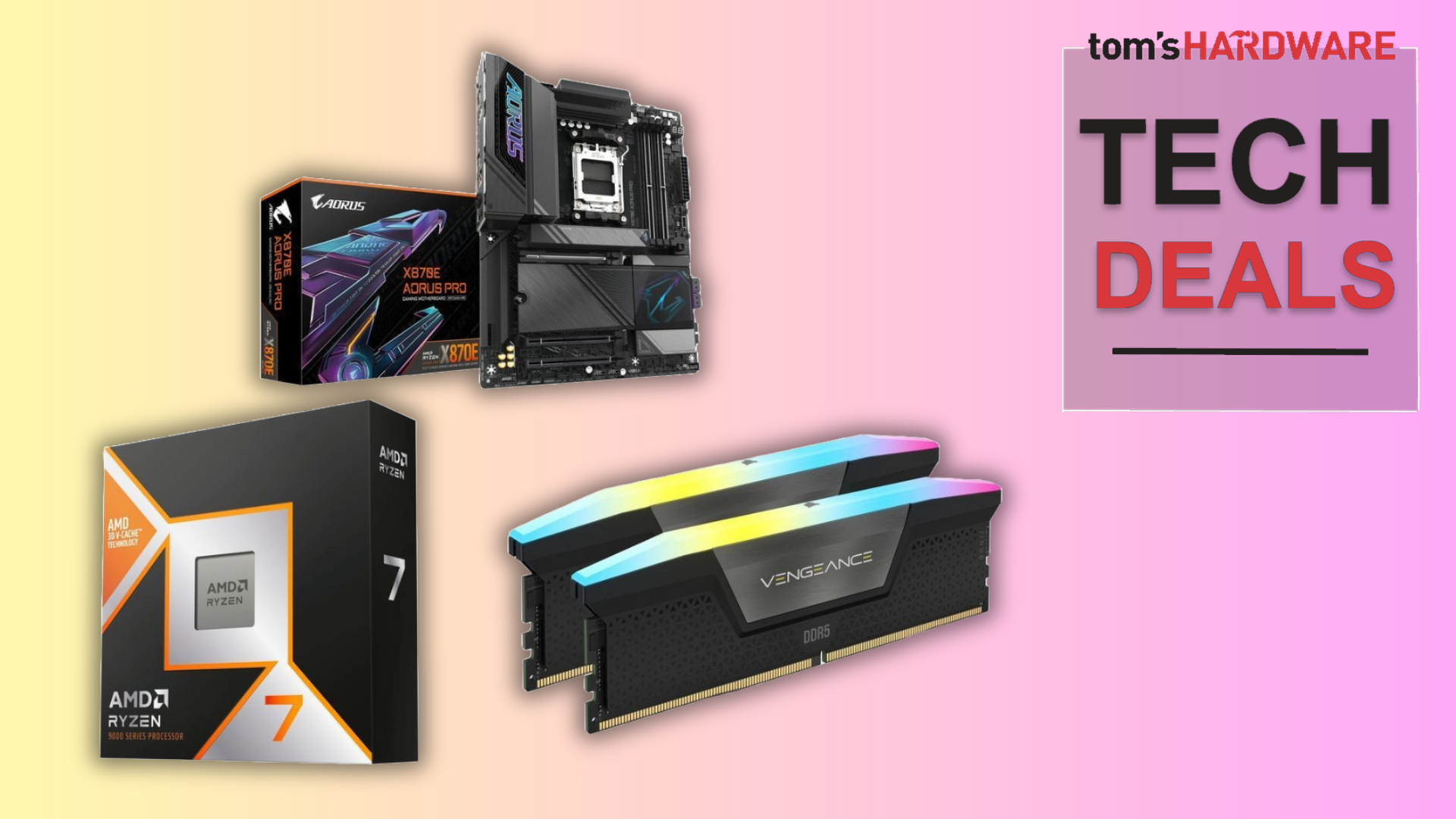
The G.Skill Trident Z5 NeoX EXPO ULL DDR5-6000 kit exists for one reason: squeeze extra responsiveness out of Ryzen systems through tighter timings, not only higher frequency. It keeps the familiar black brushed-aluminum heat spreader and RGB-lit top edge, signaling its position as a premium module in a modern build. But the real story is under the hood.
AMD’s EXPO ULL profile aggressively tightens primary, secondary, and tertiary timings, including a notable drop in tRAS from 96 to 76 clock cycles. That shorter row active time means memory rows close sooner, trimming latency during common access patterns. More importantly, hidden sub-timing optimizations—values like tRFC, tRRDS, and tCWL—have a surprisingly large influence on Ryzen performance, especially 1% lows in games and memory-sensitive workloads. This is where you feel the difference: fewer micro-stutters, snappier app switches, and smoother performance on non‑X3D Ryzen CPUs that are more exposed to main memory latency.
NVMe SSD Comparison: Speed Where It Counts, and Where It Does Not
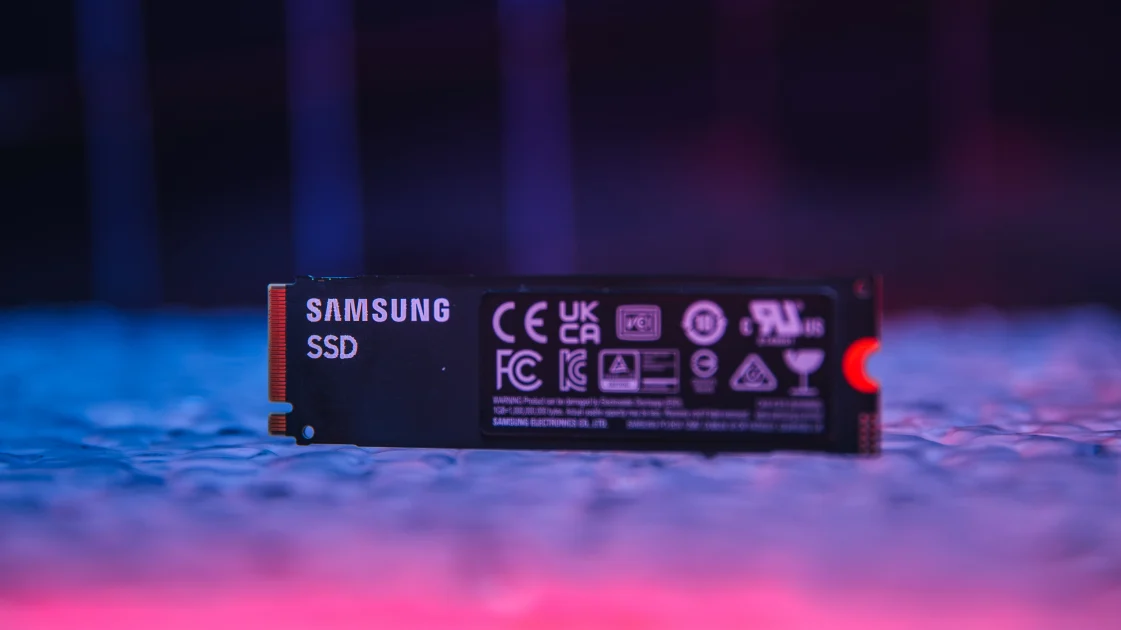
Unlike RAM, storage speed rarely shifts frame rates; it changes how fast you get into the game or load a project. The Samsung 990 M.2 NVMe SSD is built for strong PCIe 4.0 performance, and on a Ryzen desktop testbed with a discrete graphics card and DDR4 memory, it slightly exceeded both its sequential-read and -write speed ratings in Crystal DiskMark. That is classic NVMe strength: rapid straight-line transfers of large files and fast level loads.
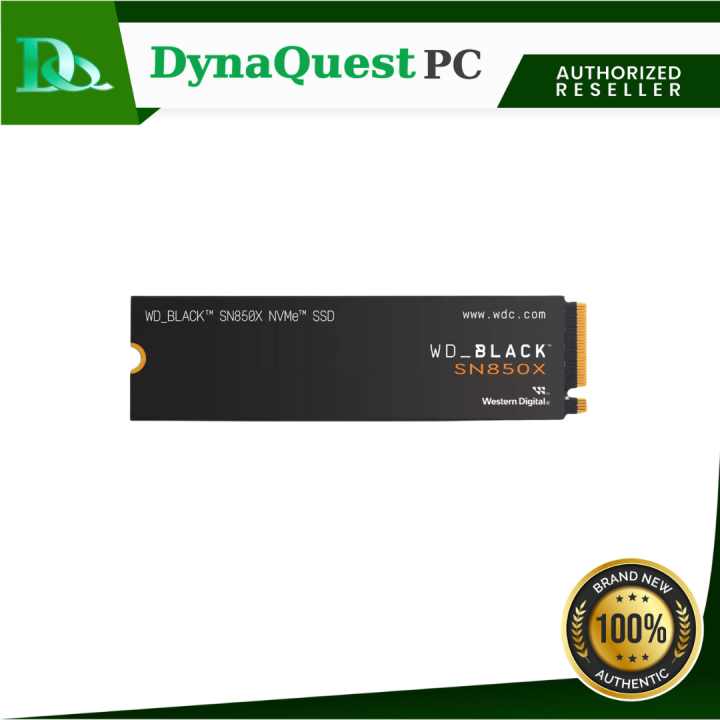
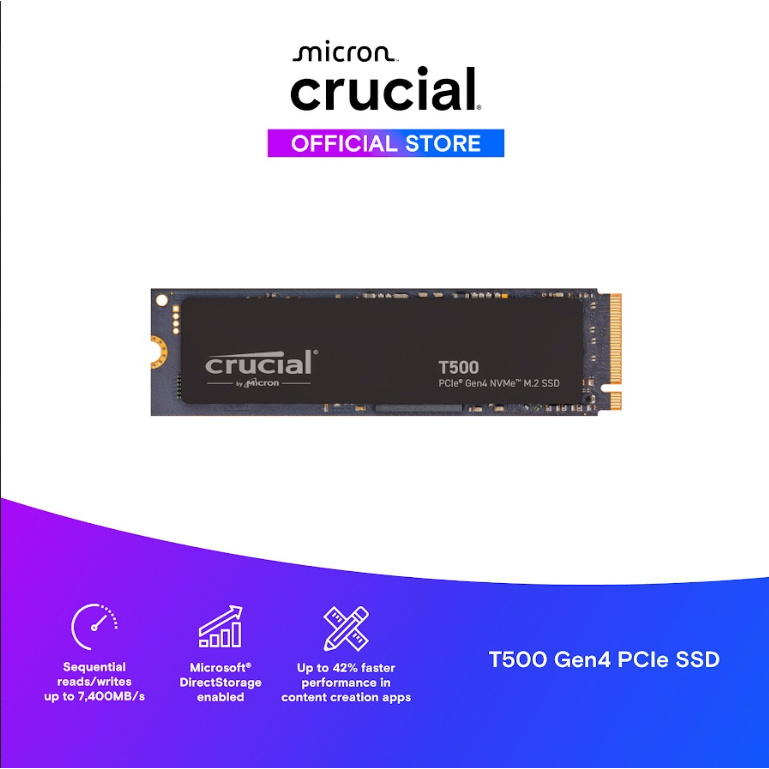
The nuance comes in small-file work and gaming storage speed. In 4K read/write tests, the SSD 990 delivered middling results among similar PCIe 4.0 drives, with 4K write ahead of the 990 EVO and even the 990 Pro, but 4K read behind the 990 Pro. In broader PCMark 10 storage benchmarks, it landed in the middle of the pack, effectively tying the 990 Pro while trailing a couple of discontinued Crucial models. Gaming-centric traces showed it as an average performer, and in 3DMark Storage—focused on game-related tasks—it matched the 990 EVO near the bottom of the group, well behind leaders like the WD Black SN850X and Crucial T500. That is good enough for most players, but it raises a tough question: why pay premium pricing when real-world gaming advantage is only average?
Value vs. Speed: Matching Components to How You Actually Play and Work
Both the Trident Z5 NeoX EXPO ULL kit and the Samsung 990 highlight a shared caveat: performance-tuned hardware carries a price premium, and that premium only makes sense when it lines up with your workload. EXPO ULL DDR5 is clearly aimed at enthusiasts chasing every last percentage point of performance from Ryzen, focusing on hidden timing tweaks that improve 1% lows and memory-bound applications. Meanwhile, the SSD 990 offers strong sequential performance and competent everyday storage metrics, but its gaming scores sit in the middle of the pack.
For a typical gaming rig, that means RAM has more potential to smooth out hitches than an incremental bump in NVMe speeds, assuming you already have any decent PCIe 3.0 or 4.0 SSD. In productivity workloads that juggle large projects and many apps, you feel the benefit of both: tighter memory timings for lower latency when your CPU hits RAM often, and reliable NVMe throughput when loading assets or swapping large files. According to one review, “these timings have a surprisingly large influence on Ryzen performance, especially 1% lows in games and memory-sensitive workloads”. Chasing performance is fine—but it should start with identifying whether your bottleneck is memory or storage.
Conclusion: Build for Bottlenecks, Not Bragging Rights
The simplest way to think about DDR5 versus NVMe is this: RAM dictates how quickly your CPU can think; SSDs dictate how quickly your system can fetch what it needs to think about. Tight EXPO ULL timings on kits like the Trident Z5 NeoX exist to sharpen that thinking on Ryzen platforms, especially in games and workloads where main memory latency sets the floor for smoothness. Drives like the Samsung 990 emphasize PCIe 4.0 throughput and decent trace performance, but they do not magically transform gaming when their scores sit mid-pack.
If your goal is better gaming or faster creation, focus on component choices that relieve the specific pressure points in your system. Pairing well-tuned DDR5 with a competent NVMe SSD is more effective than overspending on any single spec. Speed matters—but only when it answers the right problem.