
Classic cameras in street photography: what we are really comparing
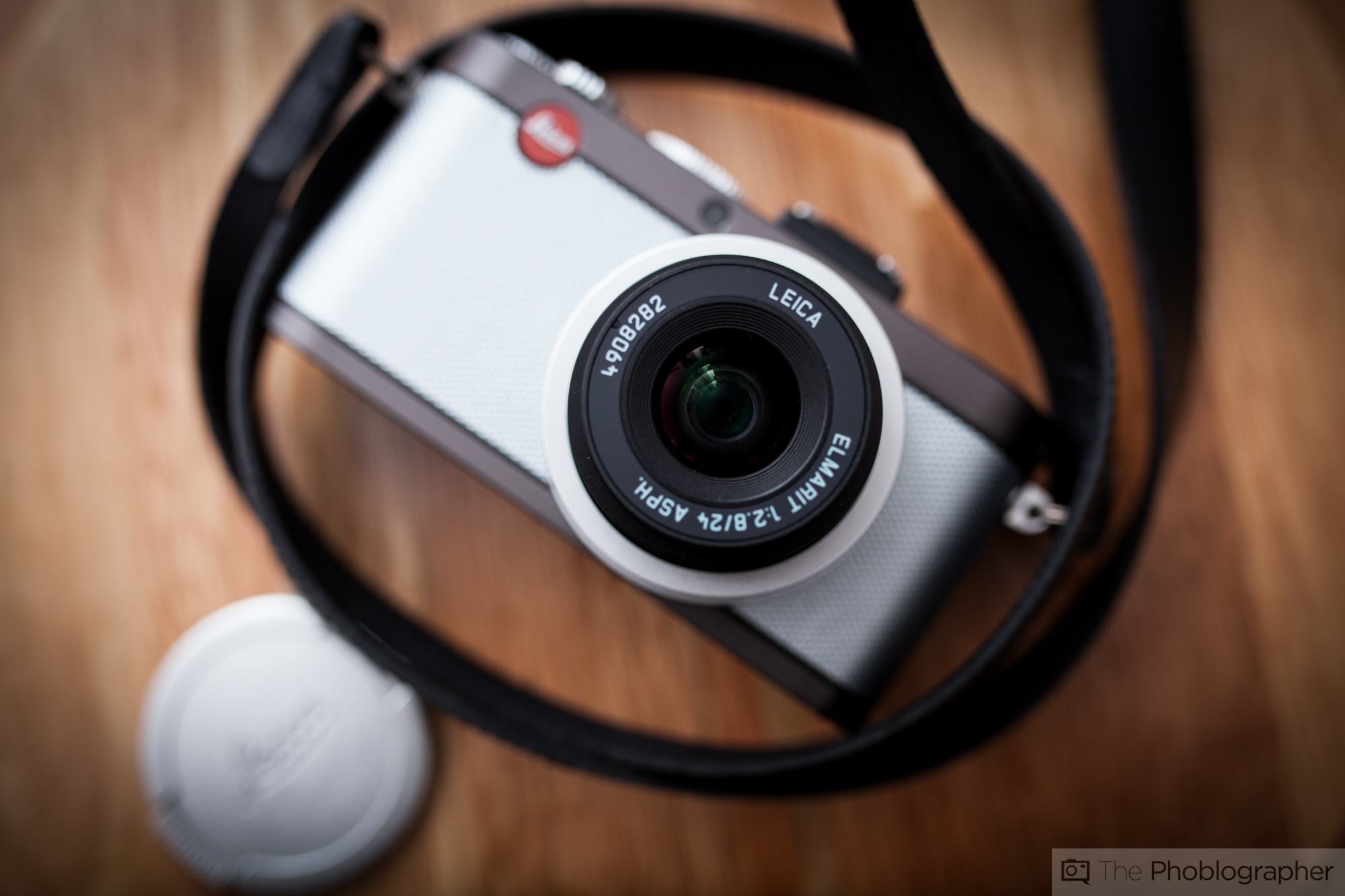
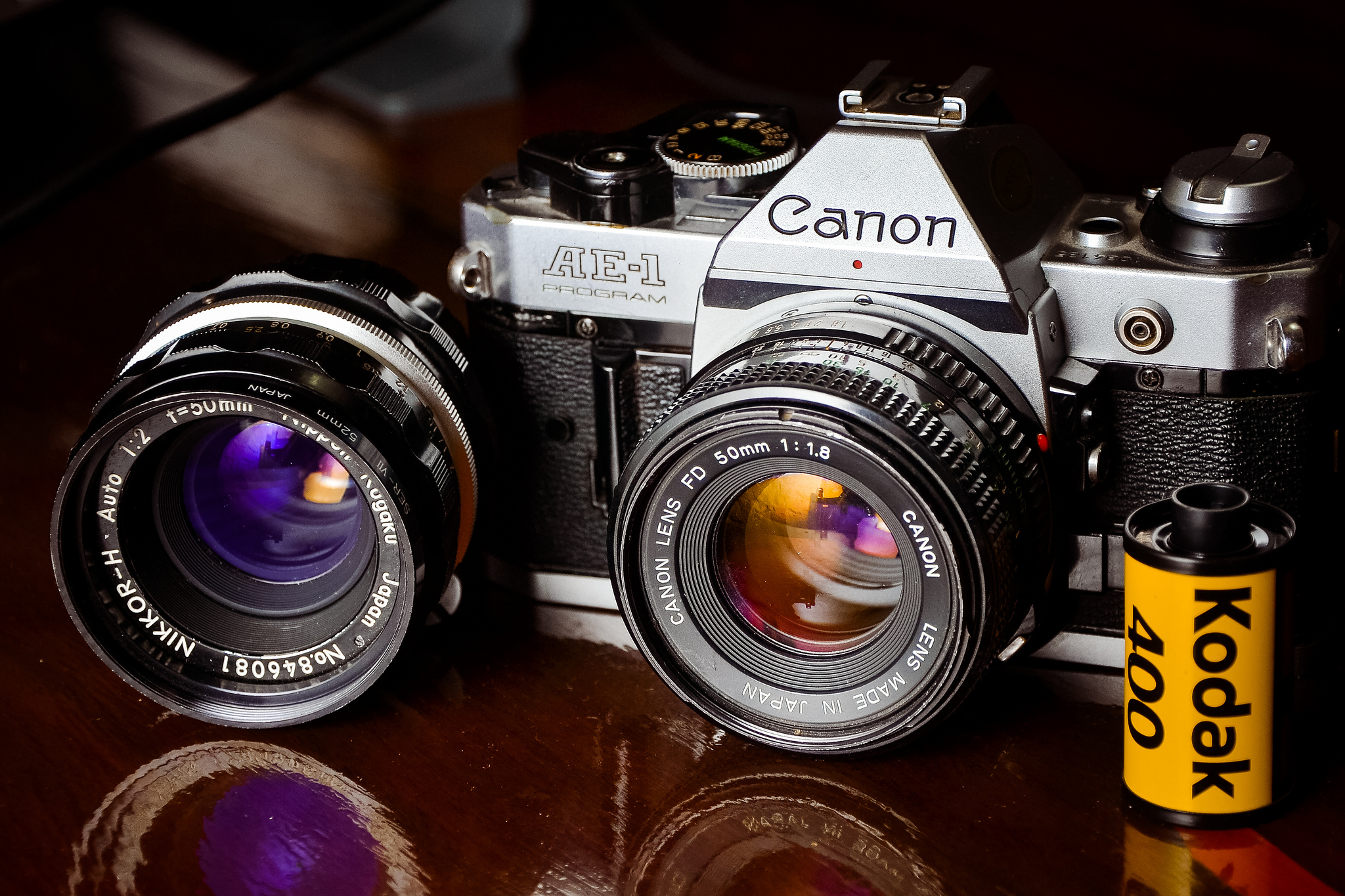
Classic cameras for street photography are durable, mechanically focused film or early-digital cameras whose simple controls, clear viewfinders, and reliable shutters make them ideal tools for fast, confident shooting in real-world urban environments. If your priority is sharp, characterful images and a shooting experience that keeps you engaged instead of buried in menus, a vintage Leica-style body or a mechanical SLR will often serve you better than a modern entry-level digital camera. The Leica XE, with its rangefinder-inspired ergonomics and fixed lens, caters to photographers who want a compact, premium-feeling digital option that echoes a vintage Leica rangefinder. The Canon AE-1, on the other hand, is a film SLR that shows how mechanical camera reliability can survive decades of use and still deliver for today’s street shooters.
Leica XE vs Canon AE-1: hard specs that matter on the street
Specs do not tell the whole story, but they explain why classic cameras street photography fans lean toward certain tools. The Leica XE is a compact digital camera with a Sony-made 16MP APS-C sensor and a fixed 24mm f/2.8 lens, giving you modern image quality in a body that feels like an old rangefinder. The Canon AE-1 is a 35mm film SLR with interchangeable FD lenses, built around a focal-plane shutter and a CPU that controls automatic exposure, flash, and other key operations. Where modern budget cameras cram in dozens of modes, these two focus on essentials: shutter, aperture, focus, and framing. That stripped-down approach is exactly why their ergonomics and optical performance still hold up for today’s street work.
| Spec | Leica XE (digital, rangefinder-style) | Canon AE-1 (35mm film SLR) |
|---|---|---|
| Capture medium | Digital APS-C sensor with 16MP resolution | 35mm film camera using a focal plane shutter |
| Lens setup | Fixed 24mm f/2.8 lens built in | Interchangeable Canon FD lenses supported |
| Focusing system | Autofocus with 11 AF points plus manual focus options | Manual focus through optical viewfinder (lens-dependent) |
| ISO / sensitivity range | Up to ISO 12,500 with strong performance at high ISO | Supports film from ISO 25 to 3200 via ISO dial |
| Shutter capability | Electronic shutter paired with digital sensor (exact range not stated) | Mechanical shutter up to 1/1000s plus Bulb mode and 1/60s flash sync |
| Power source | Rechargeable battery with USB access (exact life not stated) | Single 6V battery rated to just under one year of use |
| Street-friendly features | Rangefinder-like grip, zone focus options, versatile RAW files with strong shadow detail | Automatic program exposure, simple controls, and durable build that still works decades later |
| Launch price | Currently costs about USD 1,100–1,500 (approx. ₱61,600–₱84,000) | Launched at USD 250 (approx. ₱14,000), about 40% more affordable than rivals at the time |
Why classic build and optics outlast modern budget cameras
What sets these cameras apart from many modern entry-level bodies is how long they keep working—and how good the images still look. Older Leica rangefinders have set expectations for all-metal, well-built cameras, and many photographers still prefer that feel over plastic-heavy digital designs. The Leica XE channels that heritage: the body feels solid in the hand, the grip is comfortable, and the rangefinder-style ergonomics make it natural to hold at the ready, which matters when you are reacting to fleeting street moments. The Canon AE-1 shows mechanical camera reliability in action: now that some units are about 50 years old, it is remarkable that they still function well in day-to-day use. One quotable takeaway is that “many photographers these days may argue that they want an all metal and well built camera,” and they look to Leica rangefinders and classic SLRs to get that experience.
Price, learning curve, and real-world shooting experience
For learning street photography, cost and clarity matter. The Leica XE is not cheap: it currently costs about USD 1,100–1,500 (approx. ₱61,600–₱84,000), but that is still a fraction of many premium digital systems. In return, you get excellent high-ISO performance, versatile RAW files with strong shadow detail, and a fixed lens that removes the temptation to overthink gear choices. The main drawback is a long menu system, which can distract from shooting if you treat it like a feature checklist instead of setting it once and forgetting it. The Canon AE-1 sits firmly in the affordable film cameras camp: it “helped make photography simple” and became a go-to choice for people starting their film journey because it was cheap, accessible, and capable. Its automatic program exposure and clear layout let beginners focus on composition and timing rather than hunting through layers of options.
Which classic camera mindset suits your street work?
Choosing between a vintage Leica-style digital and an old-school SLR is less about tech and more about how you like to work. The growing street photography community that values retro ergonomics, tactile feedback, and a direct connection to the frame tends to gravitate toward cameras that feel like Leica rangefinders and classic SLRs. The Leica XE is for photographers who want classic cameras street photography handling in a digital workflow: quick autofocus when needed, clean high-ISO files, and a discreet fixed lens that keeps you light on your feet. A Canon AE-1 leans into the vintage experience even more: you commit to film, accept slower feedback, and learn to anticipate moments. According to Japan Camera Hunter, the AE-1 “is a very capable camera for not a lot of money and everyone should shoot one at least once in their life”.
Buy if / Skip if
- Buy the Leica XE if you want classic rangefinder-style handling with modern digital files, strong high-ISO performance, and a fixed 24mm lens suited to street work.
- Skip the Leica XE if you dislike long digital menus or want interchangeable lenses rather than committing to a single focal length.
- Buy the Canon AE-1 if you want an affordable film camera that offers mechanical camera reliability, easy automatic exposure, and a proven learning platform for street photography.
- Skip the Canon AE-1 if you need instant digital feedback, dislike dealing with film processing, or prefer autofocus over manual focus.
- Buy the Leica XE if you shoot low light streets and value film-like high-ISO grain in convenient digital files you can edit heavily.
- Skip the Leica XE if your budget is tight and you would rather put money toward film, lenses, and time on the street with a cheaper body like the AE-1.
- Buy the Canon AE-1 if you want to join the community of classic cameras street photography users who value tactile dials, clear viewfinders, and long-lasting build quality.
- Skip the Canon AE-1 if you are not prepared for the slower pace and costs that come with shooting, developing, and scanning 35mm film.