
Story First, Pixels Second: What Wins Awards Now
Award-winning photography techniques are visual strategies that use composition, light, and small narrative clues to create images that feel emotionally resonant and memorable, rather than focusing only on technical perfection or expensive equipment. If you want to win contests, you need to stop thinking like a camera manual and start thinking like a storyteller. That shift is obvious in the rise of competitions that are open to photographers of all levels, from beginners to seasoned professionals, across genres from travel and sport to science and climate imagery. Whether you are shooting for exposure, recognition, or to refine your personal style, contests reward photographs that say something — not photos that only show something. The bar is no longer about having the sharpest file; it is about having the clearest idea.
Inside an iPhone Winner: Composition and Light as Narrative
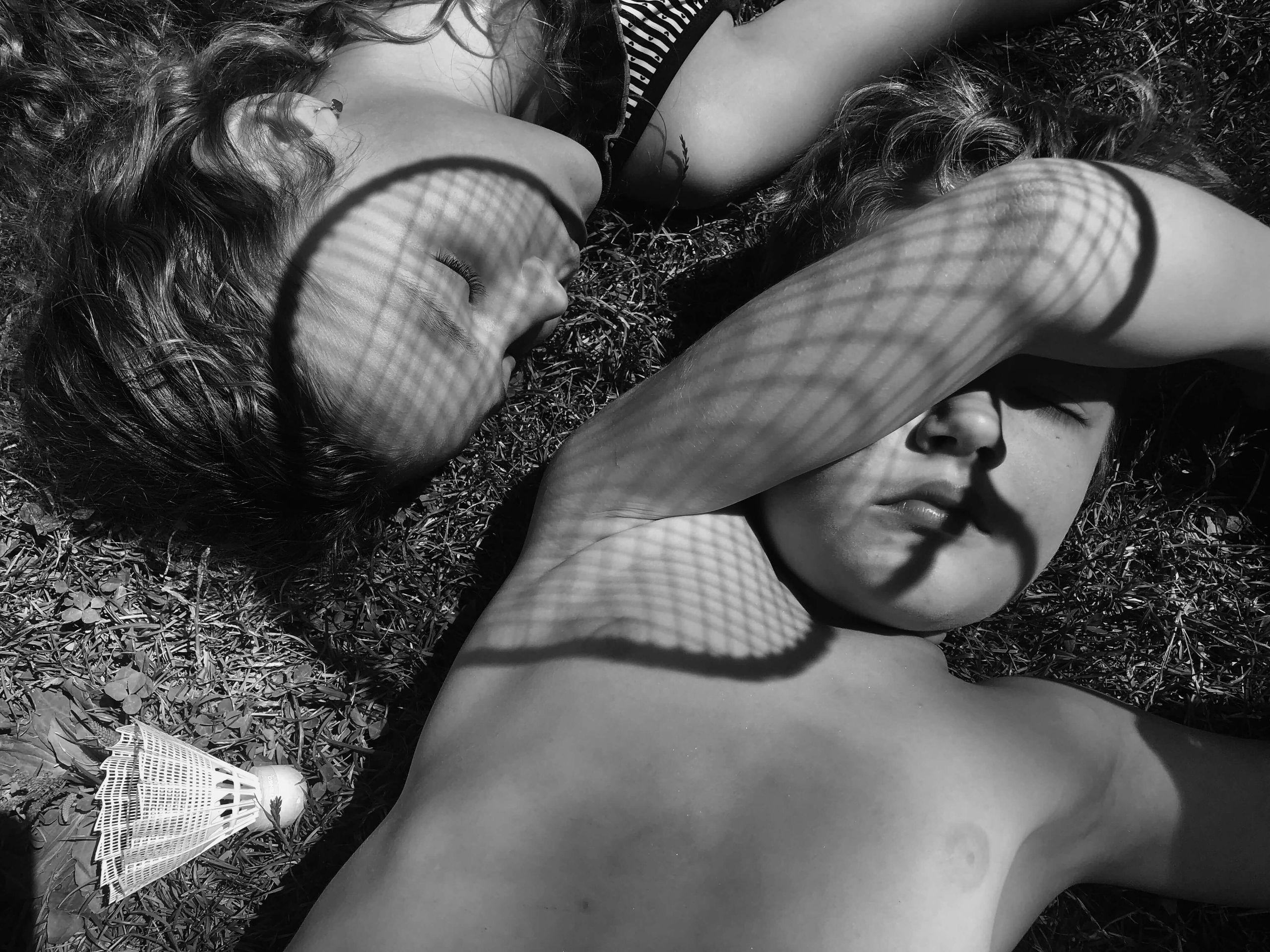
Nothing exposes lazy assumptions about gear more than the 2026 iPhone Photography Awards, where commercial photographer Gellért Gombai earned Photographer of the Year with an image made on an iPhone X using 4mm (28mm equivalent), 1/1500 sec, f/1.8 and ISO 20 settings. At first glance, his black‑and‑white frame reads as a clean, symmetrical composition of two children napping in the sun. Then the story unfolds: your eye drifts to a shuttlecock in the bottom-left corner and the faint shadow of a badminton racket across their faces. Those elements are literally in the frame, yet they reveal themselves a beat later, when the narrative becomes clear — the nap follows an energetic game, and someone, racket in hand, looks on. The power of this image lies in how light and shadow are “bent to his will” to add layers to the scene, creating an almost abstract feel that only resolves when the viewer connects the clues. That is composition and light storytelling in action.
Light and Shadow as Silent Co-Authors
The smartest award winning photography techniques treat light and shadow as characters, not background conditions. In Gombai’s frame, the shadow of the racket is not incidental; it is a plot device laid across the children’s faces. The judges were reportedly impressed by how he used those tonal contrasts to “infuse layers into the brilliant black‑and‑white scene,” and how the creative use of shadows and light makes sense of what initially feels like an abstract arrangement. This is the kind of work that lingers with judges. A highlight on a face can become a question. A dark corner can hide, then reveal, a critical object. The lesson: before you adjust sharpness, ask what your light is saying. If the light does not change the meaning of the frame, you are leaving narrative power on the table.
Contests Prove: Vision Matters More Than Status or Gear
One of the most encouraging realities about modern photography awards is that the doors are wide open. Major competitions in travel, fine art, sport, weather, climate, science and more are explicitly open to “photographers of all levels” and even to photographers and videographers of all levels working on specific mobile devices. Whether you are a beginner starting out, a hobbyist who loves capturing beautiful moments, or a seasoned professional, submitting to contests is described as “one of the best ways to gain exposure and recognition,” and many winners say competitions were the stepping stone to building a name or landing a first big feature. Fees vary — some contests begin from £14 while others are free or offer different rates for amateurs and students. The takeaway is blunt: judges are not awarding résumés; they are rewarding photographs that communicate something distinctive through composition and light.
Turn Judging Priorities into Your Creative Roadmap
If you study how winners are described, a pattern emerges. Judges highlight images where the photographer “bent light and shadow to his will” and used them to stack narrative layers into a scene. They also praise contests as a chance to dive into your archives, rediscover your strongest images, and refine a personal style rather than chasing trends. That is your blueprint. Build frames around subtle visual cues — a shadow that hints at an unseen character, an off‑center object that asks a question — then compose so the viewer discovers these details in sequence. Use contest deadlines, which currently stretch from July 2026 into January 2027 for many open calls, as creative sprints: shoot, edit, and submit with story in mind. When your photographs read like short stories made of light, you stop competing on technical tidiness and start competing on vision — and that is where awards are won.