
Softbox vs Umbrella vs Parabolic Reflector: The Bottom Line
A lighting modifiers comparison for portrait work looks at how softboxes, umbrellas, and parabolic reflectors shape light, control shadows, and fit different budgets, so photographers can match the right modifier to studio lighting techniques, on-location portraits, and natural-light enhancement without wasting money on the wrong tool. For most photographers, umbrellas are the quick, inexpensive way to soften light and cover larger scenes, softboxes are the go-to for precise, studio-style control, and parabolic reflectors are a specialist tool when you want luxurious, adjustable light that can swing between soft and punchy. In short: start with an umbrella if you need speed and cost savings, pick a softbox if you care about exactly where your light and shadows fall, and consider a parabolic reflector only when you’re ready to invest in more advanced portrait lighting equipment.
| Spec / Trait | Softbox | Umbrella | Parabolic Reflector |
|---|---|---|---|
| Typical light quality | Soft, directional, controlled shadows | Soft, broad, more spill | From very soft blanket to hard, punchy light depending on focus |
| Directionality | High; can be tightly controlled with grids | Low–medium; tends to spill light | Adjustable flood/spot throw with focusing rod |
| Setup speed | Slower; tent-like assembly | Very fast; open-and-go | Slowest; focusing system and larger hardware |
| Best use cases | Studio portraits, dramatic controlled setups | Fill light, events, simple portrait setups | Fashion/beauty, full-body portraits with stylized light |
| Price range notes | Part of tools from about USD 20 (approx. ₱1,100) up to thousands with accessories | Lower-cost end; cheap options can break quickly | High-end kits start above USD 2,000 (approx. ₱112,000) and rise with size |
| Shared caveats | Can be bulky; cheap versions may not be durable | Spill can cause flare; budget units may fall apart with use | Expensive, large, and require learning to focus for consistent results |
Softboxes: Controlled, Studio-Ready Light
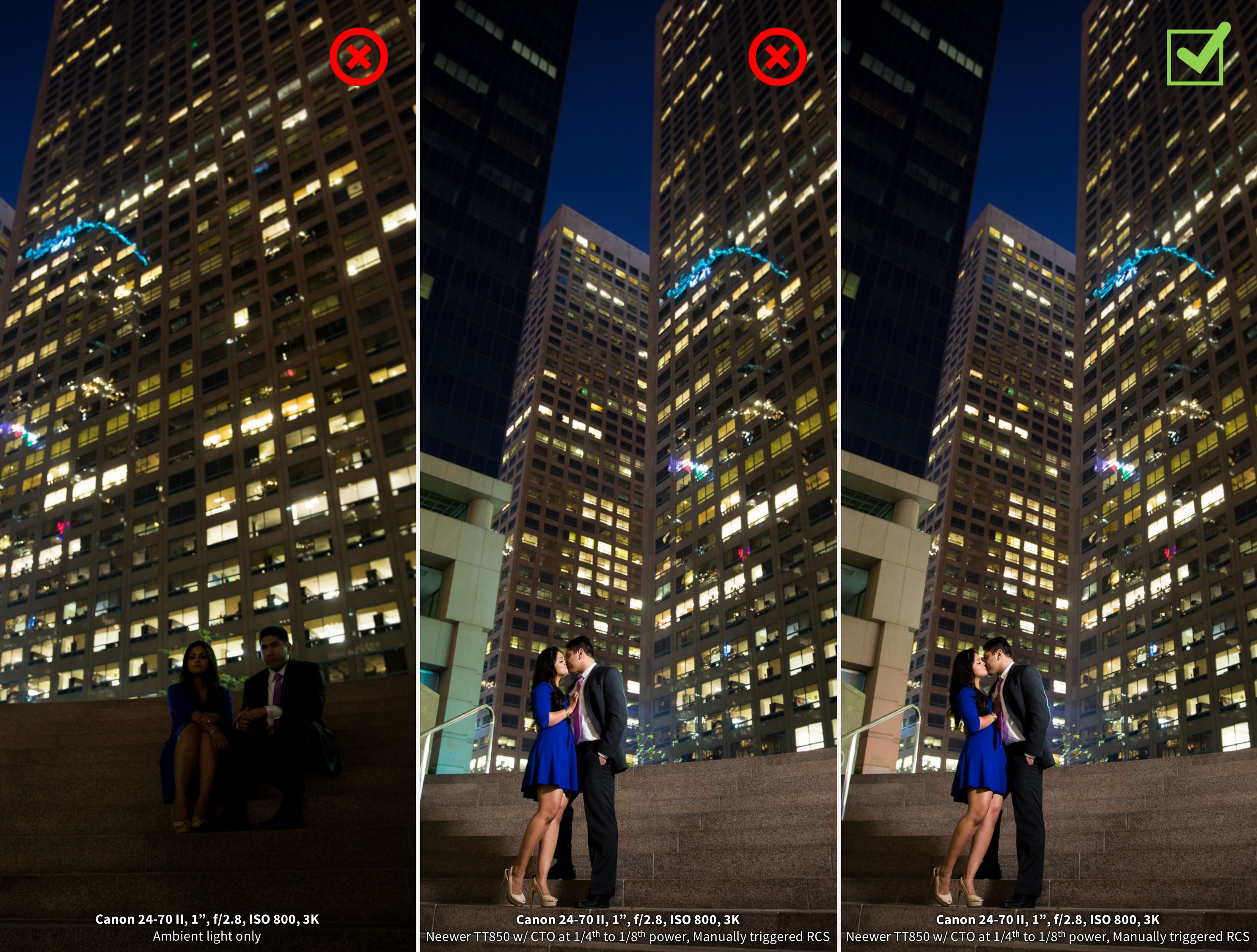
Softboxes turn a small, bright flash into a bigger, softer, semi-directional source, but their real advantage is control: unlike umbrellas that spill light everywhere, a softbox channels light toward the subject for precise placement of highlights and shadows. Built like small tents, they take longer to assemble, yet reward you with a bright, directional, highly modifiable beam that suits studio lighting techniques and detailed portrait work. Add a grid and the light becomes very selective, falling on your subject as if from a spotlight while staying beautifully diffused and flattering. That shadow control is what makes softboxes ideal when you care how cheekbones, jawlines, and clothing textures render. Within the broader range of portrait lighting equipment, they sit in the middle of the price spectrum—from affordable modifiers around USD 20 (approx. ₱1,100) to premium options costing thousands with grids and diffusion socks included.
Umbrellas: Fast, Wide, and Budget-Friendly
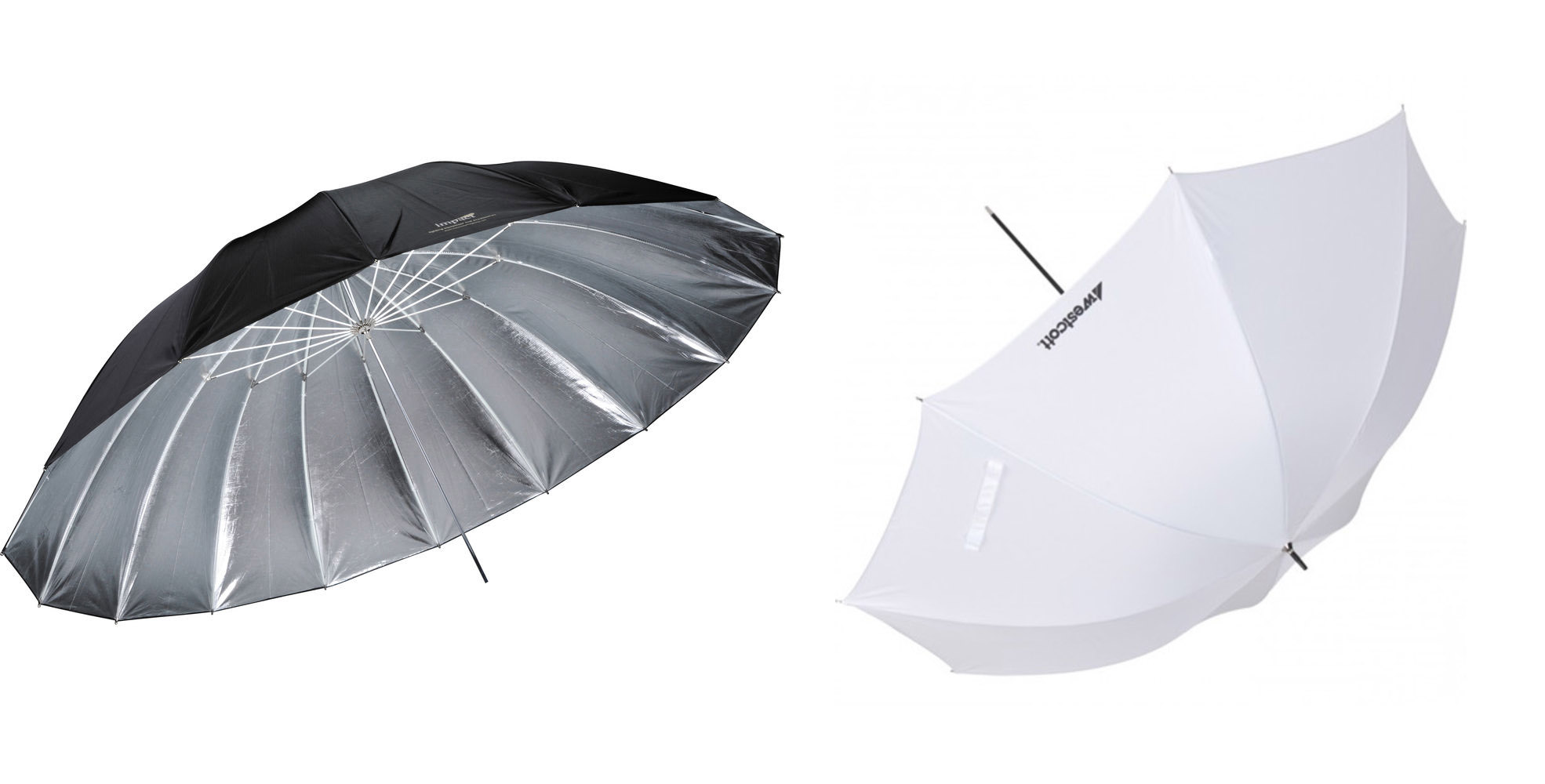
Umbrellas remain one of the most common portrait lighting equipment choices because they are fast to set up and easy to use: open the umbrella, attach it to your strobe, and you get a soft, diffused light source immediately. Shoot-through umbrellas are opaque white and placed between light and subject, softening the flash while allowing light to spill widely, which makes them well suited to simple fill light and small studios. Bounce umbrellas, with black exteriors and white or silver interiors, aim the flash away from the subject and return it as a more controlled splash of light, reducing flare and giving extra directionality for bigger scenes. Umbrellas are generally more affordable than softboxes, a strong draw for budget-conscious shooters. The compromise is control and durability: cheaper umbrellas can fall apart quickly with use, and their tendency to spill light can contaminate backgrounds or reduce contrast if you need crisp, sculpted shadows.
Parabolic Reflectors: Adjustable Soft-to-Hard Light
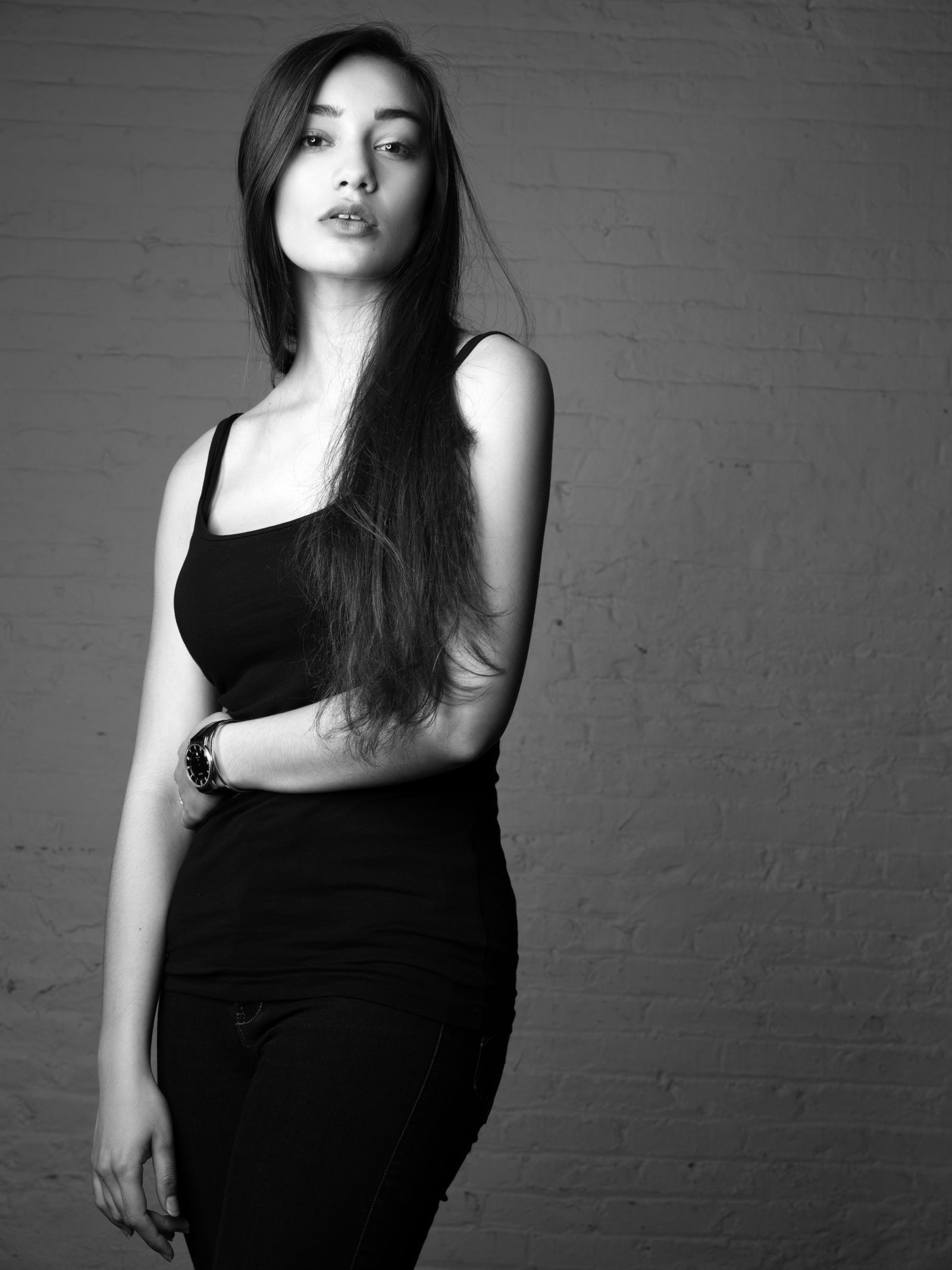
Parabolic reflectors look similar to umbrellas but add a focusing rod that transforms them into one of the most versatile lighting modifiers for fashion and beauty portraits. The flash mounts on the rod inside the paraboloid, producing indirect reflected light with very smooth gradation that can blanket a subject in soft tones when defocused, or tighten into harder light with punchier shadows when focused closer in. The focusing rod behaves like a flood/spot system, giving multiple lighting options from a single modifier and allowing endless artistic expression as you slide the light along the rod. Larger parabolic reflectors provide broader coverage and softer transitions, while smaller versions can still light full-body portraits effectively. According to the original reflector article, “the pricing for these kits start at over USD 2,000 (approx. ₱112,000) for the smaller sizes and increase in accordance with the larger sizes,” which makes them luxury items that offer the benefits of several modifiers in one.
Shadow Quality, Real-World Scenarios, and Final Recommendations
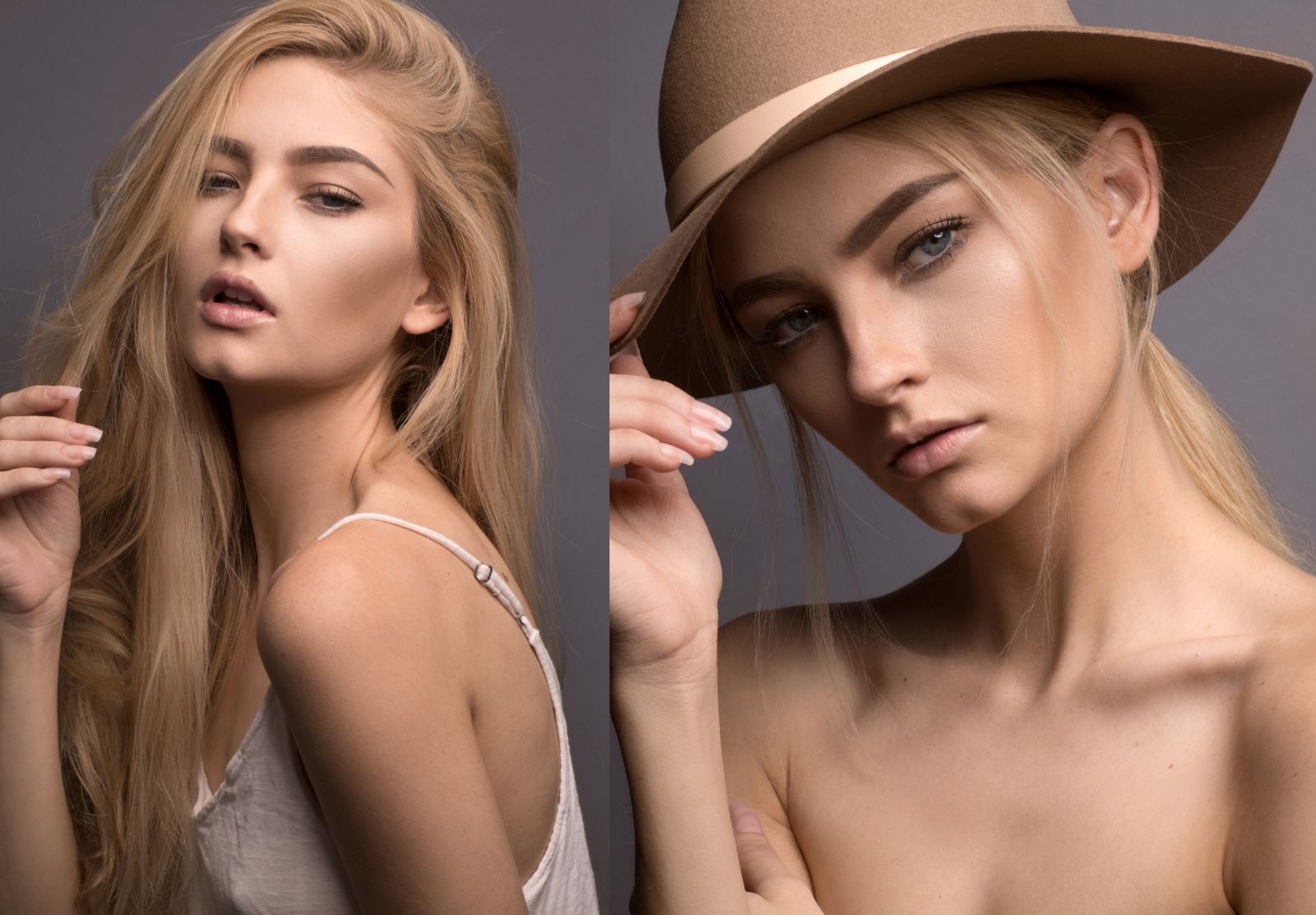
When comparing softbox vs umbrella vs parabolic reflector, understanding shadow quality matters more than obsessing over modifier labels. Softness is not only about the tool, but how large the source is relative to your subject, its distance, and whether you use grids or focusing systems to tighten the beam. A defocused parabolic reflector can gently blanket a model in smooth light, then shift to harder, punchy shadows via a small focusing adjustment. A gridded softbox can place light only on the face and let the background drop to darkness while still feeling soft. A shoot-through umbrella can give pleasing, natural-looking fill when you do not need tight control. In practical terms: umbrellas excel at speed and cost, softboxes win for direction and studio portraits, and parabolic reflectors shine when you want high-end, natural-yet-sculpted light that can replace multiple modifiers in one.
- Buy the softbox if you shoot studio portraits and care about precise, directional light with defined yet flattering shadow quality.
- Skip the softbox if you mostly need quick, broad fill for events or casual portraits and do not want slower setup.
- Buy the umbrella if you want fast, affordable soft light for general portrait lighting equipment and simple studio lighting techniques.
- Skip the umbrella if you need tight control over spill and dramatic, sculpted shadows on your subject and background.
- Buy the parabolic reflector if you shoot fashion or beauty and want adjustable soft-to-hard light with a single, high-end modifier.
- Skip the parabolic reflector if your budget is limited or you are not ready to handle heavier, more complex gear.
- Buy the umbrella if you are starting out and want the most light for the least money, accepting lower durability at the cheap end.
- Skip the parabolic reflector if you rarely work in controlled studio environments and mostly rely on quick, on-location setups.