
From Project Tailwind to Gemini Notebook: A Research Tool With Bigger Ambitions
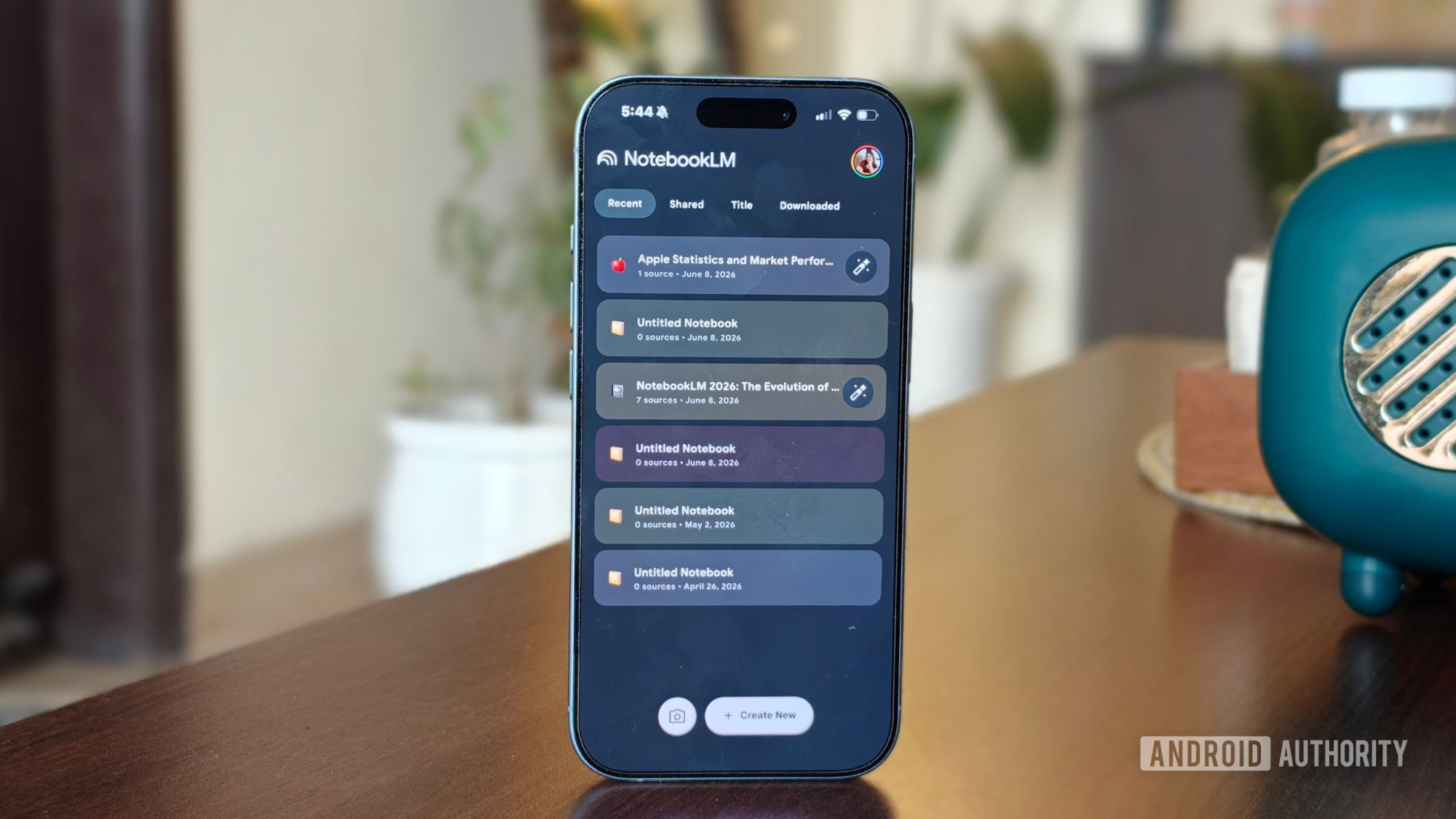
Gemini Notebook is Google’s AI-powered note-taking and research assistant that helps users organise sources, query them conversationally, and generate summaries and multimedia explainers grounded in their own material rather than the open web. This week, Google renamed NotebookLM to Gemini Notebook, shifting a niche-sounding product into its flagship AI brand. The app began life in 2023 as Project Tailwind, a research assistant first introduced at a developer conference before moving off a waitlist and expanding to more users. It remains a standalone product billed as a “premier research tool”, but Google is clear that it will now “do more across the Google ecosystem, including inside the Gemini app and Google Search”. The key point: this is not a shutdown or a side-grade; it is Google turning a clever AI note pad into a first-class Gemini citizen.
The scale already justifies the attention. Google reports that more than 30 million people and over 600,000 organisations now use Gemini Notebook, a striking number for an app that started as an experiment a few years ago. According to Google, “more than 30 million people and over 600,000 organizations” have used the tool as their AI research assistant, a rare, concrete metric in a space full of vague adoption claims. That kind of footprint explains why the product can no longer afford an experimental identity: it needs a clear place in the Gemini line-up. Rebranding signals that future AI note-taking tools and research features are likely to land here first, not in scattered side projects.
NotebookLM AI Features Grow Up: From Notes to Full Research Workflows
Label changes aside, Gemini Notebook’s power lies in how it reshapes research workflows. What began as a note organiser has become a multi-modal engine for turning dense material into usable outputs. The app can still take notes and provide text summaries, but it now goes further: it can transform those notes into AI-generated podcasts, narrated slideshows, and short-form clips styled like TikTok videos, all grounded in the sources you provide. Students can convert class notes into audio or video summaries, while businesses can turn documentation into onboarding material. That is a substantial shift from “smart notes” to a production pipeline for knowledge assets. In practice, this means Gemini Notebook is less a notebook and more a personal content studio aimed at research-heavy tasks.
The most consequential new capability is under the hood: each notebook can now connect to a secure cloud computer to write and run code. This feature, already live for AI Ultra subscribers and Workspace business customers and rolling out to AI Pro users on the web in the coming weeks, turns Gemini Notebook into a light research lab for data work, simulations, or complex analysis without leaving the notebook. Google says this system comes with more than 100 curated software skills for deeper research and more complex analysis, which hints at specialised tools rather than a generic chat interface. With Gemini 3.5 and the Antigravity upgrade expanding from AI Ultra to AI Pro subscribers soon, the quality of that analysis should also improve. For researchers, this is where the product stops being a fancy outliner and starts feeling like an integrated research environment.
Gemini Ecosystem Integration: The Research Assistant Spreads Out
The rebrand matters most because of where Gemini Notebook now lives. Google is weaving it deeper into the wider Gemini ecosystem and Google Search while keeping it as a standalone product. Notebooks can already connect to the Gemini app, and the research assistant experience arrived inside that app earlier this year so you can sync notebooks between the two surfaces. Next, Google plans to bring the notebook experience directly into AI Mode, the chatbot-style experience inside Search. That move turns Gemini Notebook into the persistent memory of your AI interactions: instead of single, disposable chats, you get structured notebooks that accumulate context over time. In effect, your research does not vanish once a session ends; it becomes an asset you and Gemini can keep querying.
For researchers and knowledge workers, this deeper Gemini ecosystem integration cuts both ways. On the upside, your AI note-taking tools become easier to reach from wherever you work: Search, the Gemini app, or the standalone interface. Cross-product capabilities—like asking Gemini in Search to use a specific notebook as context—could reduce the constant copy‑paste shuffle between tabs. On the downside, the more everything funnels into Gemini, the more you are betting long term on a single AI stack, with its models, interfaces, and quirks. Google’s decision to keep Gemini Notebook standalone is reassuring, but the direction is clear: the “Google research assistant” is no longer one app; it is an ecosystem, and Gemini Notebook is its structured memory layer.
What This Means for Researchers, Students, and Teams
So what changes day to day if you are doing serious research? First, the workflows get denser. You can assemble a notebook of papers, lecture notes, or reports; ask Gemini Notebook for summaries or explanations; generate audio or video briefings; and now run code and specialised analysis directly against that material. That is a coherent pipeline from raw sources to shareable outputs without bouncing between several tools. Second, cross-device and cross-product access should improve, making it easier to continue a line of inquiry whether you are in the Gemini app or in Search’s AI Mode. For teams, those same features scale up to internal knowledge bases and training content, with onboarding, policy explainers, or technical primers generated from existing documents. In other words, Gemini Notebook is positioning itself as the default interface between your organisation’s documents and Google’s AI.
Yet the shift also raises practical questions. As more of your research history and outputs live inside Gemini Notebook, the cost of switching away grows. Mixed user reactions to recent updates elsewhere in the Gemini ecosystem show that people care not just about new features but about stability and predictable behaviour. The rebrand makes a promise: Gemini Notebook will be “your premier research tool” rather than a side experiment. To live up to that, Google will need to treat research workflows as a long-term commitment, not a playground for flashy demos. For now, the direction is clear and, for many researchers, welcome: the scattered world of AI note-taking tools is consolidating, and Gemini Notebook is Google’s bet on where serious AI-assisted research will happen.