
Direct Gaze Is Not a Flaw — It’s the Point
Direct eye contact in documentary photography is best understood as visual evidence of a human relationship: when a subject looks into the lens, they acknowledge the photographer as a participant in their world, signaling comfort, trust, and a shared moment rather than a detached act of surveillance. This runs against the familiar myth that documentary photography techniques must keep the photographer invisible, the subject unaware, and the camera hidden behind a long lens. In truth, a subject eye contact portraiture frame often contains more information about authentic portrait connection than a distant candid: it tells you the photographer was welcome, that their presence had been negotiated, and that the person in front of the camera felt safe enough to be seen. If your aim is candid portrait storytelling with emotional weight, that is not a failure of candor—it is exactly the outcome you should work for.
Relationships, Not Gear, Drive Authentic Documentary Work
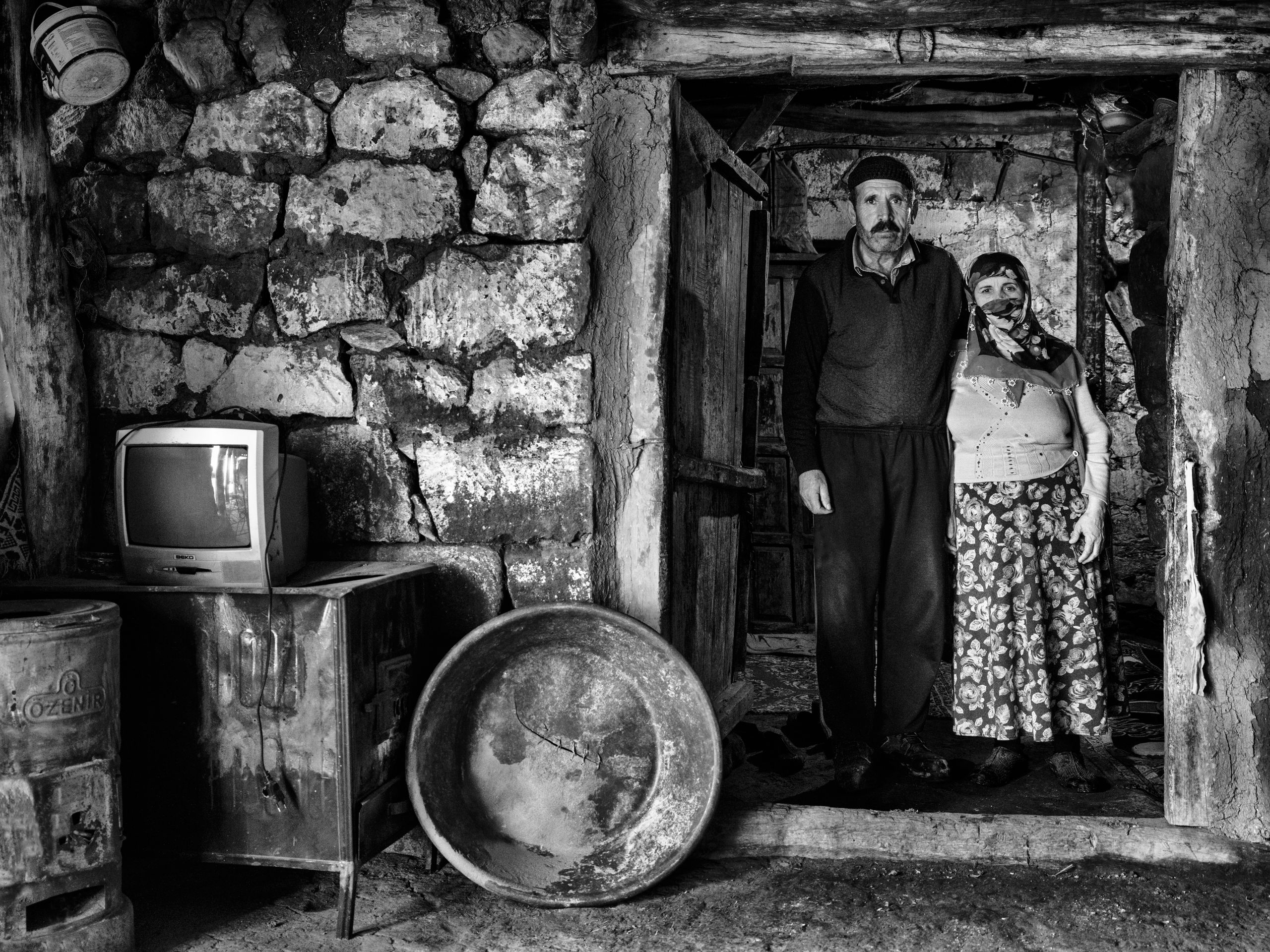
Oliver Klink’s series in rural Europe makes this point plain: his subjects repeatedly meet the camera head‑on, from children steadying a donkey loaded with firewood to couples in stone doorways and elderly women at church gates. These direct looks are not random interruptions; they are the result of time spent living alongside people before lifting a camera. According to Klink’s own account, he leans on patience and time inside communities before he starts shooting, making eye contact the visible evidence of invisible work. He used both a fixed‑lens compact and a medium‑format body, two digital cameras that are about as different as they can be, yet the emotional continuity of the series proves that documentary photography techniques matter less than the relationship behind them. When subjects stare down the lens, they show vulnerability and willingness to be seen, which strengthens the narrative impact far more than any perfectly neutral candid could.
Redefining Candid Portrait Storytelling
Many photographers are taught that the ideal candid portrait storytelling image is made from afar: a long lens, no interaction, the subject caught mid‑life rather than mid‑pose. That approach can produce elegant compositions, but it also risks turning people into specimens, observed rather than engaged. A subject who looks straight into the lens has, by definition, paused to acknowledge the person holding it—and that pause is harder to earn than any stolen frame because it demands trust that being seen will not cost them. In Klink’s project, some subjects look directly at him while others, like the woman knitting in a barn doorway, remain fully absorbed in their tasks. Both images feel authentic because both grow from the same groundwork of rapport. The lesson is blunt: a subject eye contact portraiture image is not a broken candid; it is proof that the photographer was allowed in, emotionally and physically.
Eye Contact as the Signature of Authentic Portrait Connection
When we reframe direct gaze as the signature of authentic portrait connection, our priorities shift. Instead of hiding behind the idea that the best documentary work is invisible, we accept that meaningful images demand being present, being seen, and being accountable to the people we photograph. For documentary photography techniques, that means spending time before shooting, listening more than directing, and letting the camera arrive as a natural extension of a conversation. The moment someone meets your eyes in their doorway, on a snow‑covered road, or beside an old television set is the moment they decide you are allowed in their story. Candid portrait storytelling that chases only unacknowledged moments misses this richer layer. If your frame shows a person looking straight down the lens, treat that not as a compositional error but as proof that you built enough trust for them to say, with their gaze, "I know you are here, and I accept it."