
Artistic Photography Is a Set of Choices, Not a Set of Specs
Artistic photography techniques are the deliberate creative decisions photographers make about subject, light, timing, and medium to serve a specific emotional or narrative intent, instead of passively following technical best practices or camera specifications. This means choosing how people look at the lens, which printing process slows you down, and how shadows fall across a face, even when those choices contradict the usual advice about sharpness, speed, or efficiency.
That mindset is clear in Oliver Klink’s portraits of disappearing rural communities, where a fixed‑lens compact and a medium‑format body sit side by side in one coherent series. The point is not that he found the perfect sensor size, but that the work proves a successful series is “rarely based on one particular camera, lens or even technical approach” and that, for a documentary photography approach, relationships matter more than gear. In an era obsessed with autofocus modes and dynamic range charts, these projects argue that intent, not equipment, is what makes pictures memorable.
Eye Contact as Evidence of Trust, Not a Documentary Flaw
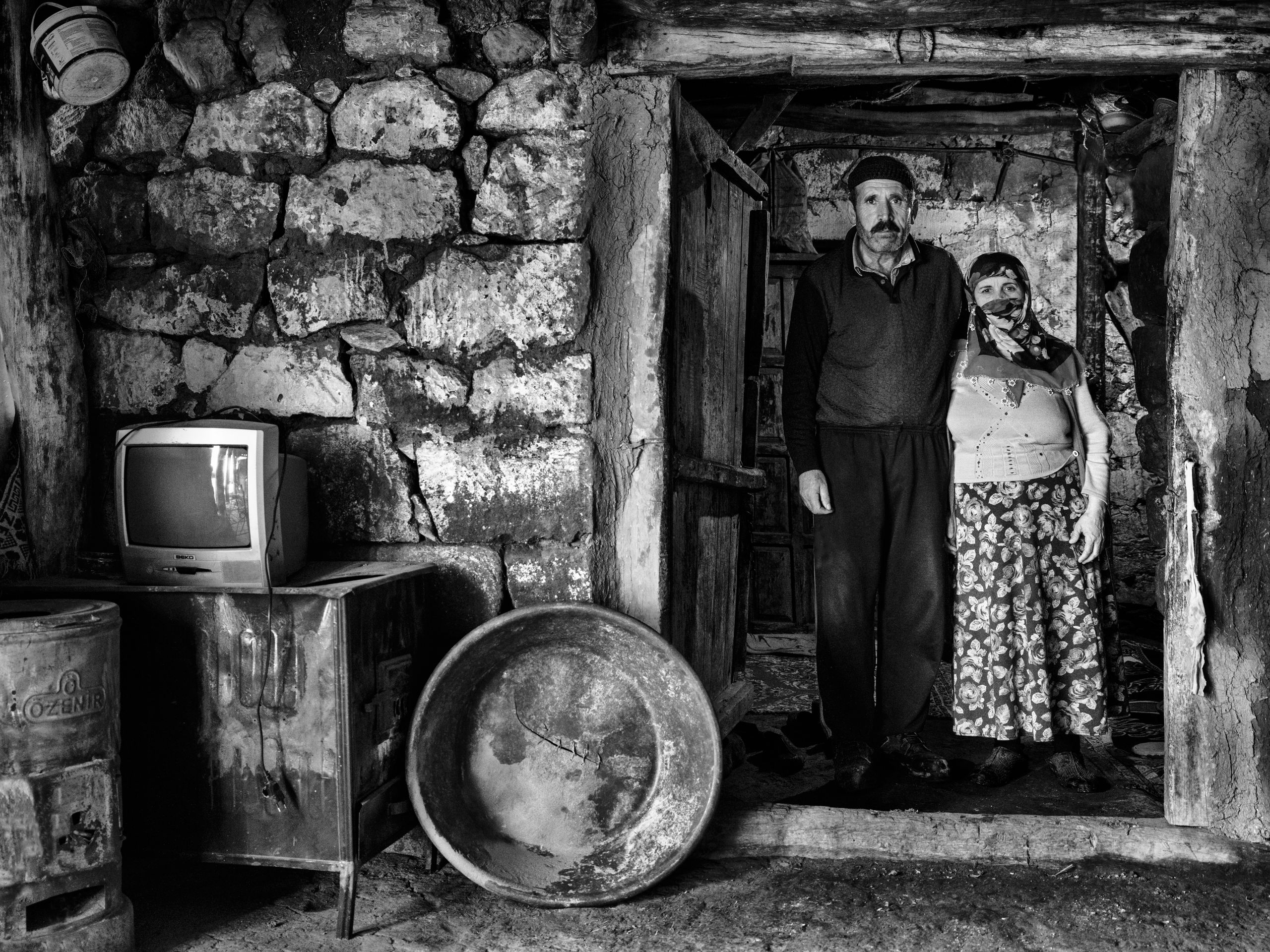
Conventional wisdom says documentary photographers should be invisible, avoiding eye contact so life appears “unposed.” Klink’s series quietly refuses that rule. Many of his subjects—children bracing a donkey loaded with firewood, an elderly couple in a stone doorway, women at an iron church gate—look straight into the camera. Far from being a mistake, that gaze is evidence of permission. A subject who looks straight into the lens has paused their life to acknowledge the person behind it, an act that demands trust that “being seen won’t cost them anything.”
This is the heart of his documentary photography approach: the camera follows the relationship, not the other way around. Klink documented communities using both a Leica Q3 Monochrom and a Fujifilm GFX100, tools that “are about as different from each other as two digital cameras can be.” Yet the emotional throughline is consistent because the work is built on patience and time spent in those communities before the camera ever appears. For anyone shooting portraits of strangers, his series is a “useful corrective”: direct eye contact is not a failure of candor; it is proof you were allowed to be there.
Analog Printing Methods: Slowing Down to Say More
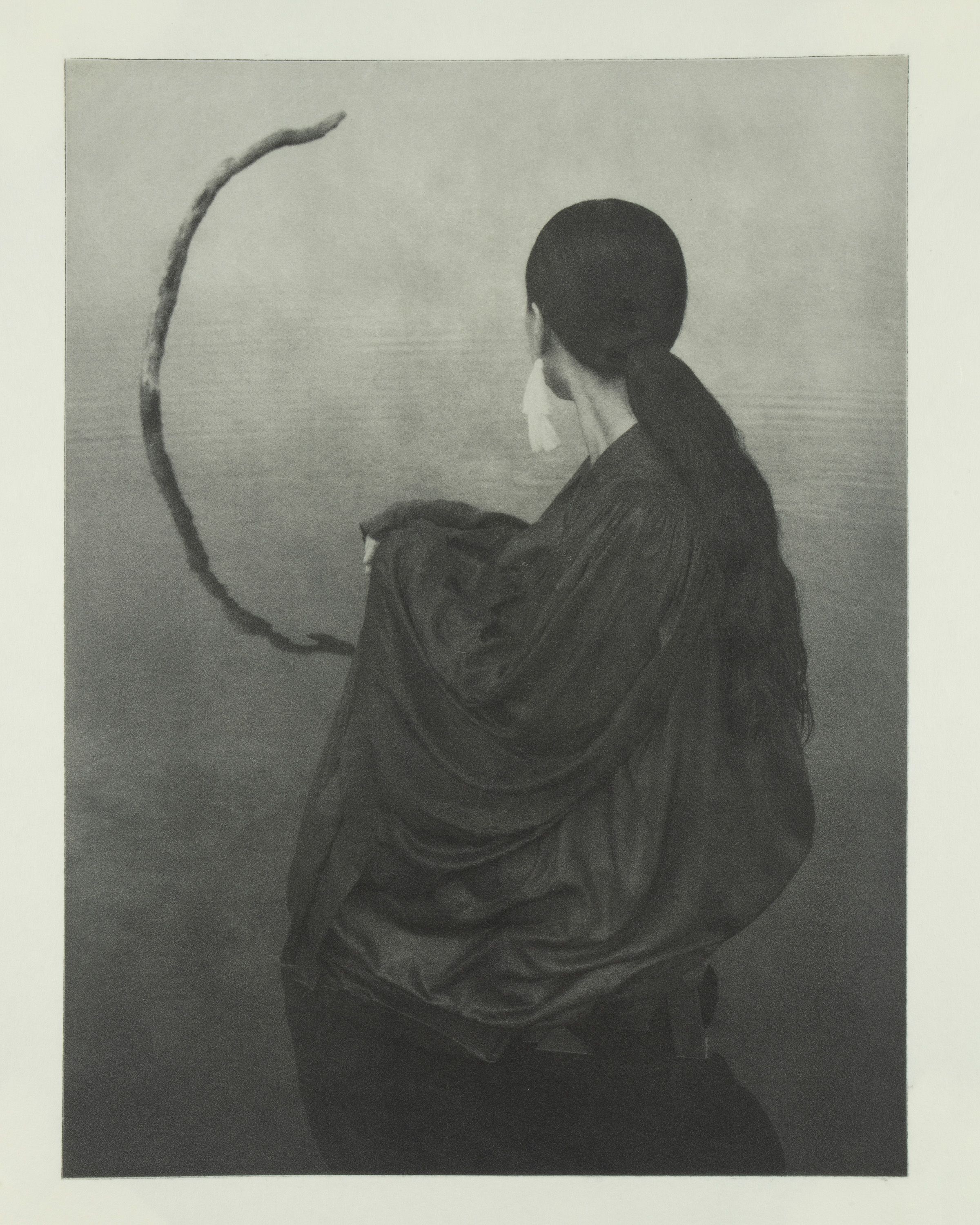
If Klink’s portraits shift how we think about subject engagement, Sayuri Ichida’s project “Playing the Piano Upstairs” challenges how we think about the photographic object itself. After years spent photographing her sister in snow‑heavy landscapes, she refused to let a computer near the final images, hand‑printing every frame using photopolymer photogravure onto Japanese washi paper and layering archival pigments. This analog printing method is slow and physically demanding, closer to etching than to modern photo labs.
Photogravure, around since the 1870s, fell out of everyday use because it is “so awkward”: a photosensitive gelatin plate must be exposed, etched, and inked by hand, with each print carrying tiny variations. Ichida’s choice to resurrect it now—when the profession faces instant smartphone imaging and AI‑generated photorealism “with no lens even being involved”—is pointed. Her snowscapes lean on negative space, small figures in vast pale frames, and reflections that double a subject without revealing a face. None of that requires specialist gear; it requires patience and the confidence to leave most of the frame empty. The slow, etched surface becomes part of the story, a “visual metaphor for memory itself; mutable, obscured, yet softly glowing just below the surface.”
Painterly Light and Composition Beat Resolution Every Time
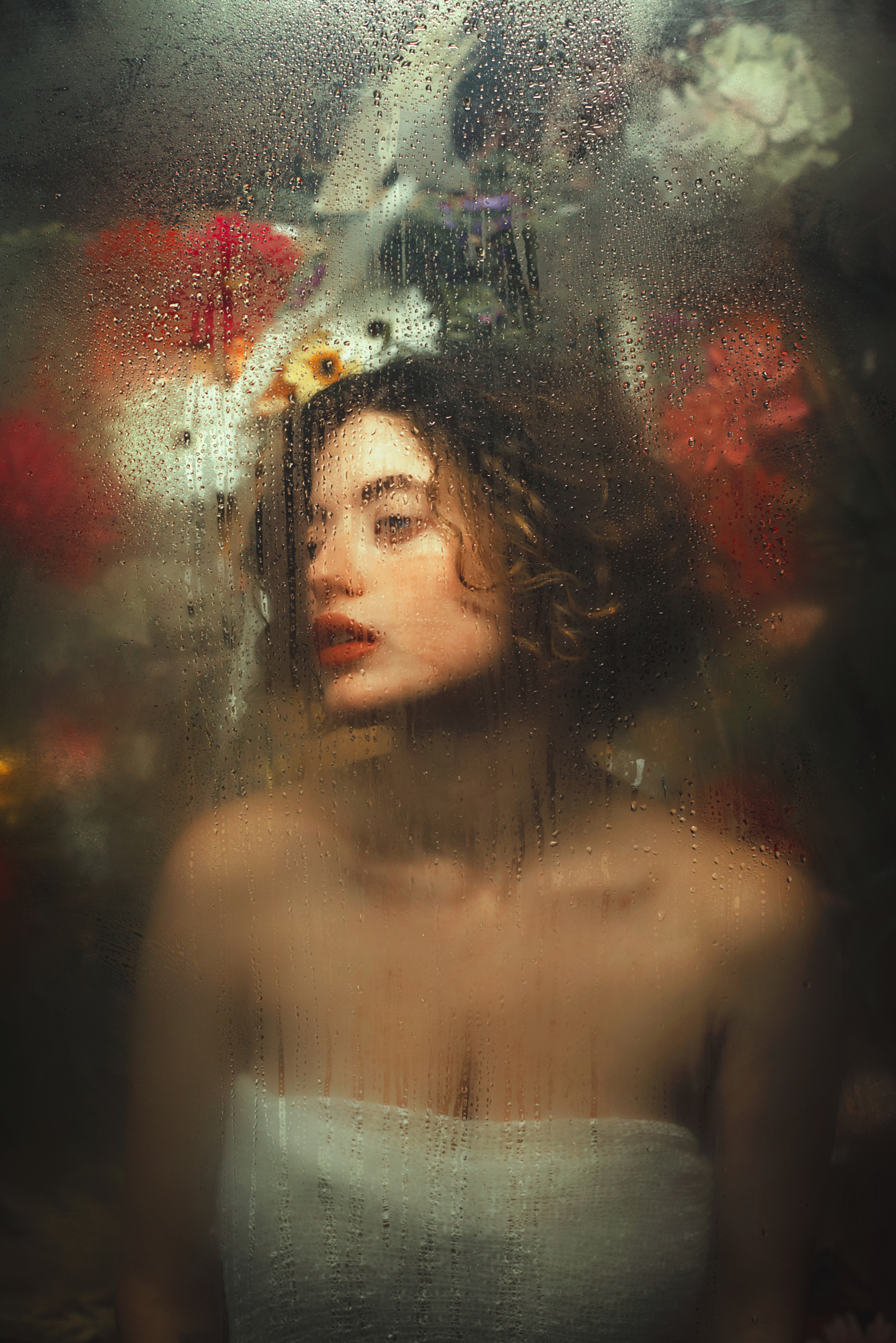
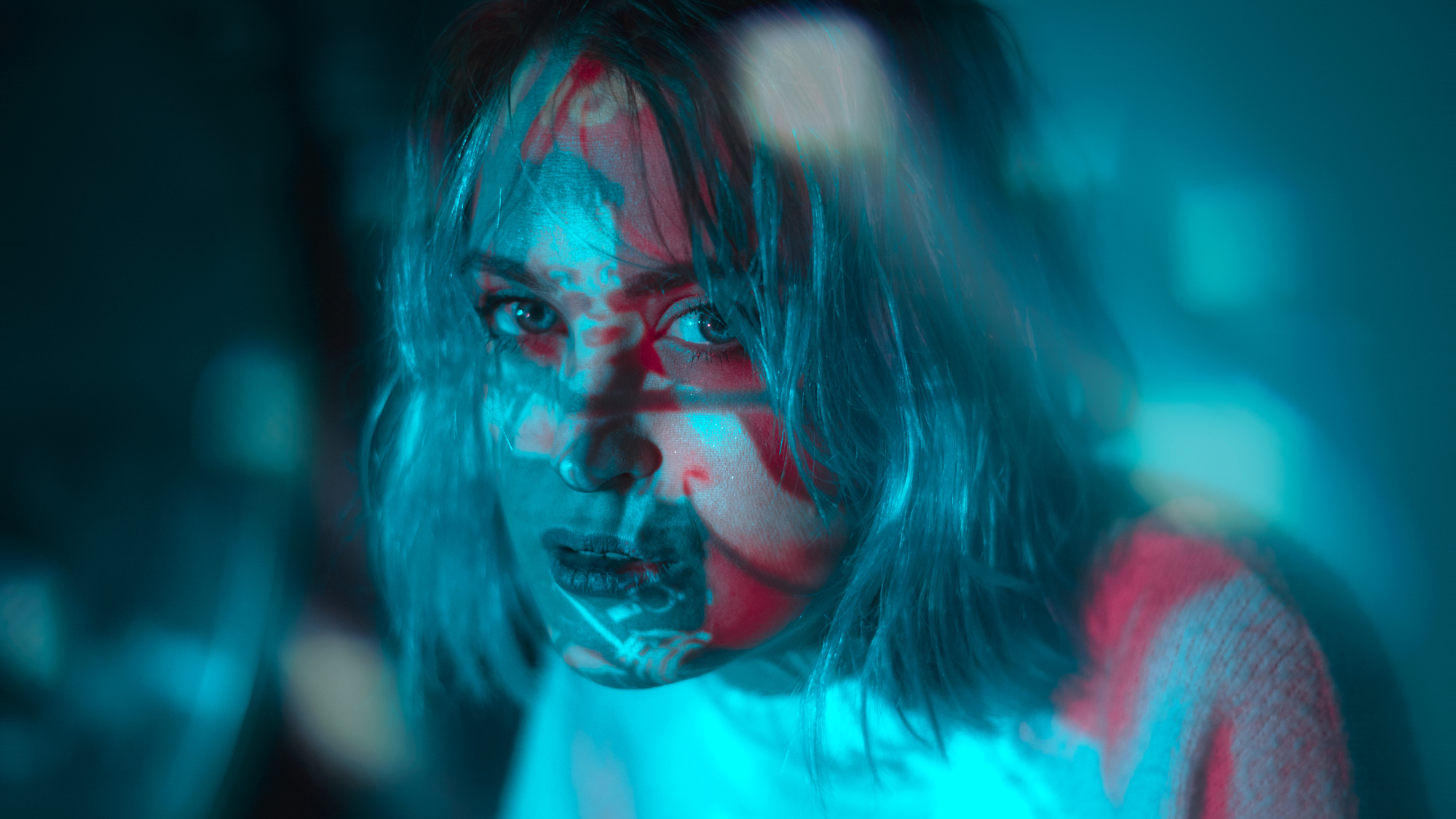
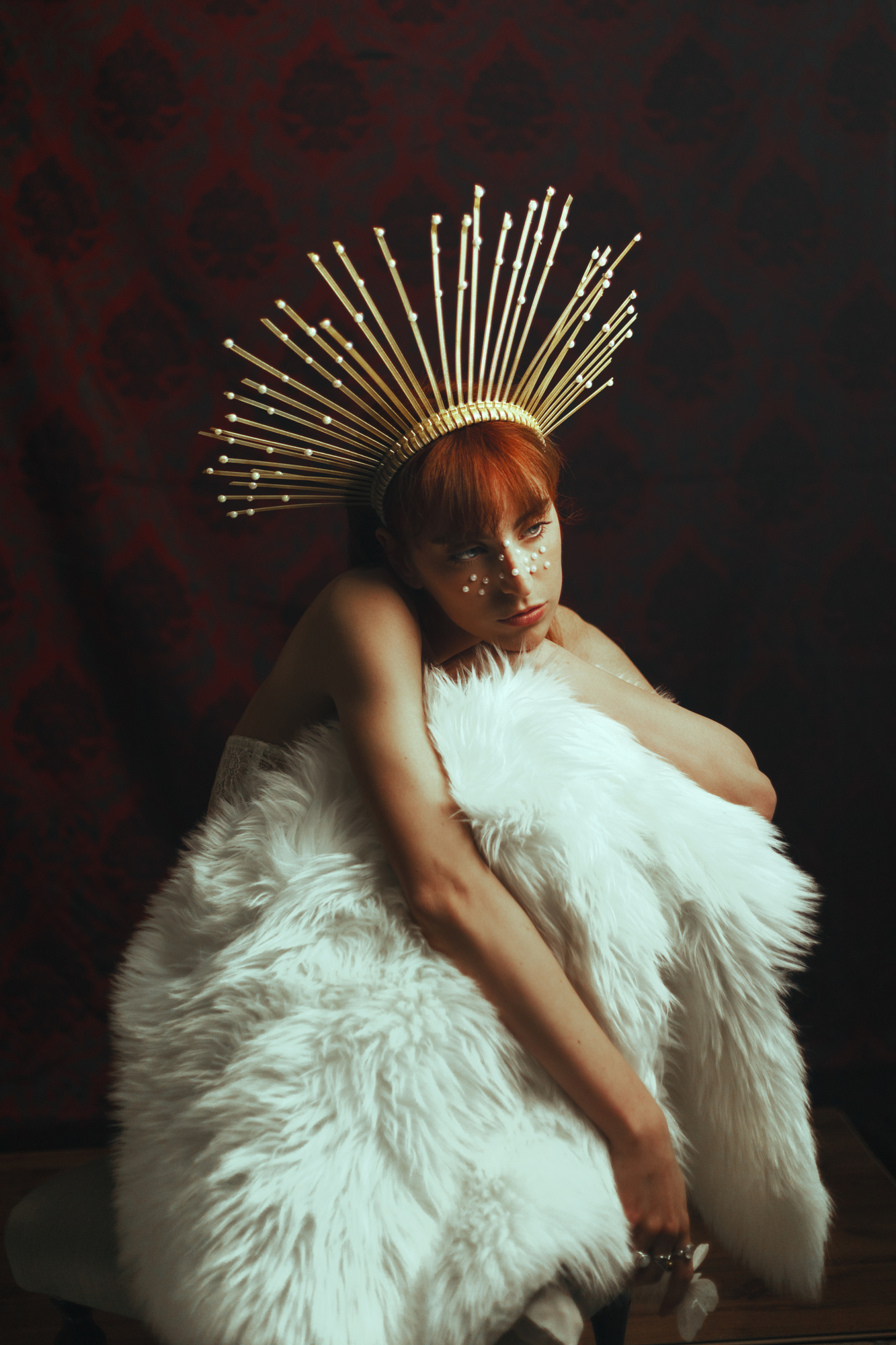
Where Ichida changes the print, Micaela Belgiorno transforms light. Her portraits read like quiet visual stories built from shadow and texture; she treats the camera “like a painter’s brush,” bringing rich, painterly depth into editorial work. Her fine art portrait lighting is driven by classical chiaroscuro, where bold light cuts through a dark background to create volume and drama. Shadow, in her words, “creates depth and dimension” and without it “a portrait risks looking flat.”
Belgiorno pre‑visualizes the finished image—including editing—before taking the shot, then sets her studio lighting around that vision. She leans on tactile materials—fur, velvet, lace, sheer fabrics, wet or reflective surfaces—so that texture itself tells a story. The result is an aesthetic where the “fashion” side comes from harmony between styling and framing, and the fine art quality means the photo can stand alone as visual art. This is artistic photography technique as deliberate orchestration: composition, light, and material choices working together, regardless of camera model. Her current focus—expanding a personal portrait series exploring new painterly concepts—continues that direction.
What Photographers Should Do Next: Choose Intention Over Automation
Taken together, these three bodies of work point toward a quiet rebellion against speed and optimization. Klink builds a documentary photography approach where direct eye contact marks authentic connection, proving that relationships override the myth of the invisible observer. Ichida adopts analog printing methods so demanding they border on unreasonable, precisely to let variation and physical labor carry narrative weight. Belgiorno uses fine art portrait lighting and painterly composition to make editorial images that can live as standalone artworks, independent of brand or campaign.
For working photographers, the practical impact is concrete. Klink’s work is a reminder that a subject staring down your lens can be a success, not a failure, when it reflects earned trust. Ichida’s show underlines that none of her compositional choices require exotic gear—only patience and the courage to leave space in the frame—and it invites professionals to ask when a slower method might please a client more than instant delivery. “Playing the Piano Upstairs” runs until September 13 alongside a broader exhibition of Japanese women photographers running until September 27, giving viewers time to sit with these questions in person. Meanwhile, Belgiorno continues to expand her ongoing portrait series, encouraging peers to anchor new techniques in a clear visual identity. The message is blunt: stop chasing the newest sensor and start defending your most deliberate, even inconvenient, choices.