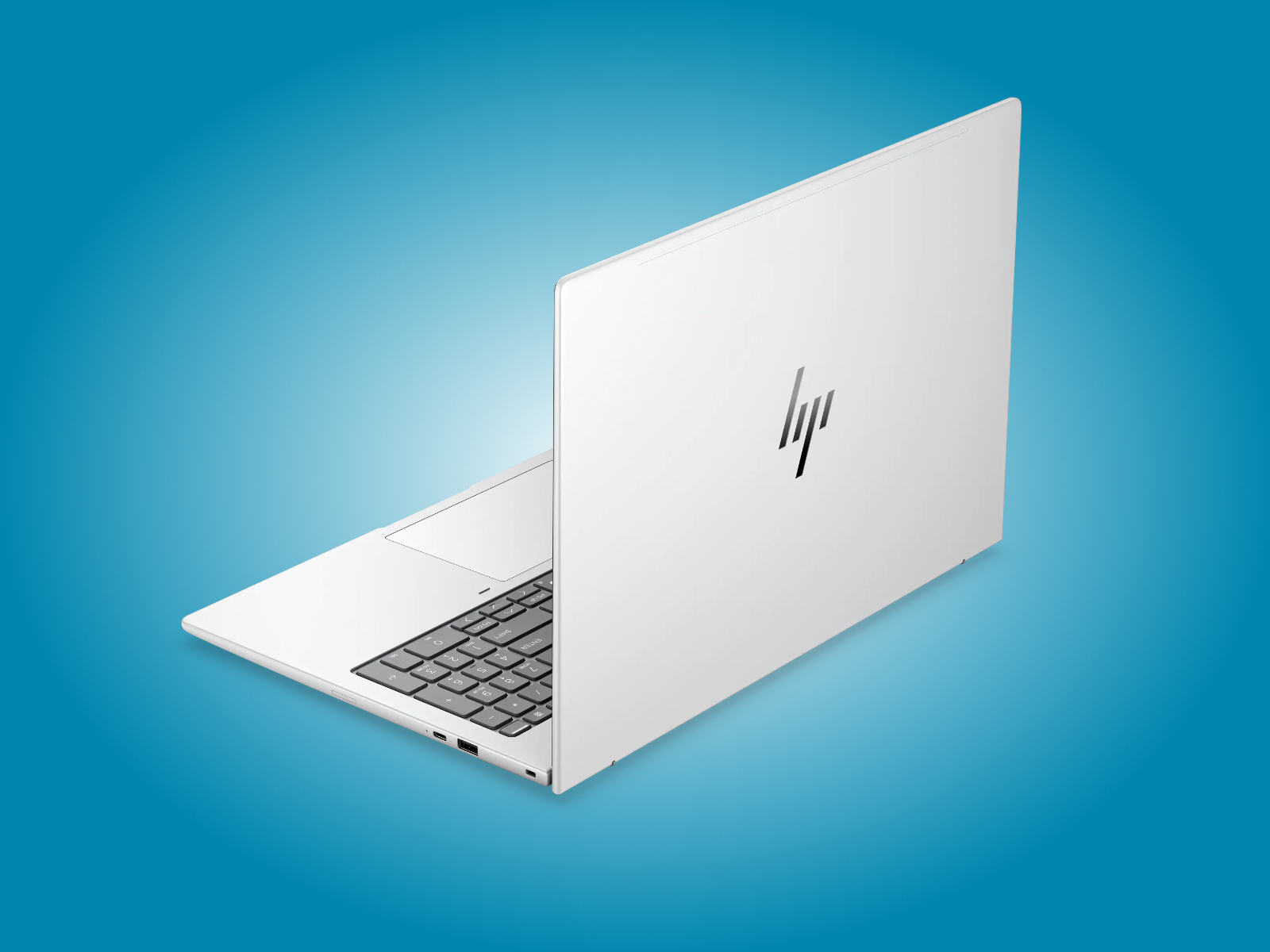

Two 16‑Inch HP Workstations, One Big Question: Creative or Corporate?
HP’s new 16-inch workstation laptops center on AMD Ryzen AI 400 processors and configurations with up to 64GB RAM, offering high-end performance options that are clearly priced for professional workflows rather than casual use, and forcing buyers to think carefully about whether their needs align more with creative visual work or business-focused productivity demands.
The most important takeaway is that HP is drawing a line between two kinds of professional users. On one side is a higher-priced configuration built around a Ryzen AI 5 Pro 435, 16GB of RAM and 512GB of storage, starting officially at USD 3,223 (approx. ₱188,000) with Windows 11 Pro installed. On the other side is a cheaper, business-friendly line beginning at €2,329 with a Ryzen AI 5 435, 16GB of RAM, a 512GB SSD and a 1200p, 400‑nit IPS display. These numbers are not incidental; they reveal HP’s blunt assumption that serious creative and enterprise workloads will pay a steep premium for tuned configurations, while everyone else can settle for more modest starting points.
| Spec | Creative-leaning 16-inch | Business-leaning 16-inch |
|---|---|---|
| Entry CPU | Ryzen AI 5 Pro 435 | Ryzen AI 5 435 / Ryzen AI 5 Pro 440 |
| Entry RAM | 16GB | 16GB |
| Entry storage | 512GBSSD: | 512GB SSD |
| Quoted entry price | USD 3,223 (approx. ₱188,000) | €2,329 |
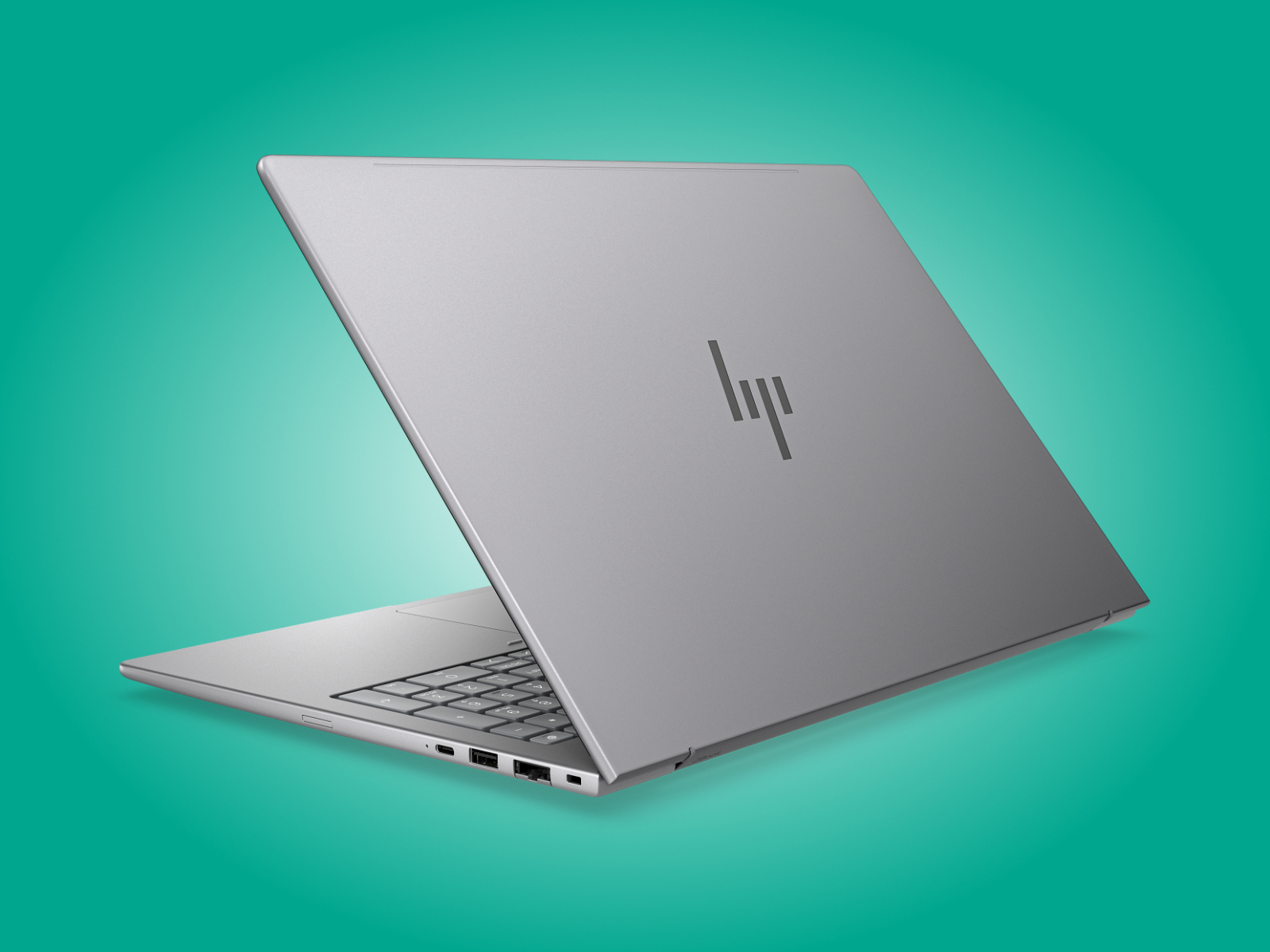
Ryzen AI 400 Power: Useful Acceleration or Expensive Promise?
HP’s bet on AMD Ryzen AI 400 processors is clear: every configuration uses some flavor of Ryzen AI silicon, from the Ryzen AI 5 Pro 435 and 5 Pro 440 up to the Ryzen AI 7 Pro 450. That makes these machines explicitly about AI‑accelerated workflows, but the pricing suggests HP sees AI as an upsell rather than a new baseline. The creative‑leaning model starts at USD 3,223 (approx. ₱188,000) and only drops to USD 2,973 (approx. ₱173,000) if you trade Windows 11 Pro for FreeDOS or Ubuntu 24.04 at checkout. This is not democratizing AI computing; it is charging extra for a curated stack.
The more business‑oriented 16‑inch laptop takes a slightly different tack, starting at €2,329 with a Ryzen AI 5 435 and scaling up to a Ryzen AI 7 450 configuration with 32GB of RAM and a 1TB SSD for €3,399. A similar configuration in the US reaches USD 5,558 (approx. ₱324,000), and the 64GB RAM variant goes to USD 5,843 (approx. ₱340,000). At those prices, AI acceleration has to save billable hours to make sense. For buyers, the question is less “Do I want AI?” and more “Will this AI hardware pay for itself in my workload?” HP does not answer that directly; it lets the pricing speak instead.
Display, RAM, and Storage: Where HP Rewards Creative Demands
On the visual and memory front, HP’s creative‑leaning 16‑inch machine sends a clear signal: visuals and RAM capacity matter, but you pay dearly for them. Official entry pricing at USD 3,223 (approx. ₱188,000) includes HP’s “cheapest display” with Windows 11 Pro, plus 16GB of RAM and 512GB of storage. Buyers can trim that to USD 2,973 (approx. ₱173,000) by switching to FreeDOS or Ubuntu 24.04. That structure encourages studios with their own software pipelines to cut OS costs, while still accepting the premium on hardware tuned for demanding visual work. The emphasis on display tiers makes it fairly clear that editors and designers are expected to buy up the panel options, even if entry pricing feels heavy.
In contrast, the business‑leaning 16‑inch workstation is more conservative about display while being aggressive with memory upgrades. Its entry configuration includes a 1200p, 400‑nit IPS panel with 16GB of RAM and a 512GB SSD at €2,329. Scaling up to a Ryzen AI 7 450, 32GB of RAM, and a 1TB SSD pushes the price to €3,399 and, in the US, a comparable SKU hits USD 5,558 (approx. ₱324,000). The existence of a 64GB RAM variant at USD 5,843 (approx. ₱340,000) shows that HP expects certain customers to treat memory capacity as non‑negotiable. This is a workstation strategy, not a consumer one; if your datasets or multitasking needs demand 64GB, HP is unapologetic about the invoice.
Configuration Limits and Pricing: HP Keeps Control, Pros Pay the Bill
The most telling detail in HP’s dual‑line strategy is not a spec sheet, but what you cannot buy. Cheaper and more expensive SKUs are expected to follow for the higher‑priced 16‑inch model in the UK, but buyers are told to check HP’s site for those options. On the business‑leaning side, a fully configurable unit “remains unavailable for now,” and 120Hz VRR display panels are also missing from current offerings. In other words, HP wants to define the viable combinations of CPUs, RAM, storage, and display, rather than handing professionals full control. That is an odd position for machines marketed to power users who often know exactly what they want.
The spread of prices shows how tight that control is. Entry configurations for the creative‑leaning model start at USD 3,223 (approx. ₱188,000) and can drop slightly by removing proprietary software choices. Business‑oriented configurations start lower, at €2,329, but climb quickly to €3,399 and beyond as RAM and storage increase. For professionals who bill by the hour, these laptops can be rationalized as tools. For everyone else—freelancers, small studios, or IT departments under budget pressure—the lack of full configurability feels less like guidance and more like a gatekeeping of performance tiers.
Who Should Choose Which Line—and Is HP’s Strategy Worth It?
The right way to read HP’s new 16‑inch workstations is not “Which is better?” but “Which pricing logic fits my work?” If your priority is display quality and a tightly curated hardware stack for demanding visual workloads, the creative‑leaning 16‑inch model—with Ryzen AI 5 Pro 435 or 7 Pro 450 options and premium RAM and storage tiers—makes sense despite its steep starting price of USD 3,223 (approx. ₱188,000). You trade flexibility for a clearer signal that this machine is meant for intensive, long‑running tasks where downtime costs more than hardware.
If you are moving between boardrooms, spreadsheets, and collaboration tools, the business‑leaning 16‑inch line feels more rational, beginning at €2,329 with a Ryzen AI 5 435 and incrementally scaling memory and storage. Yet the absence of fully configurable units and 120Hz VRR panels shows HP wants to keep product boundaries tight. The conclusion is blunt: these are not general‑purpose HP 16-inch workstation laptop options for bargain hunters, but deliberate, high‑priced tools for professionals who can turn AMD Ryzen AI 400 processor power and 64GB RAM laptop specs into real revenue. If that is you, HP’s strategy may be acceptable. If not, the controlled, expensive configurations are a warning sign rather than an invitation.