
A Landmark VR Shooter Graduates at Last
Hot Dogs, Horseshoes & Hand Grenades is a long-running sandbox VR shooter that spent ten years in Steam Early Access evolving through constant updates, community feedback, and modding support before reaching its full 1.0 release. That unusually patient development arc turned a quirky physics playground into a pillar of VR shooter games. The important point about H3VR’s 1.0 launch is not that it “finally shipped,” but that it proves slow, conversation-driven development can create landmark VR game releases. Rust Ltd’s Anton Hand marked the moment by thanking the H3VR community in a detailed post before laying out what the new Update 120 brings to version 1.0. After twenty-three different versions of that update ran through experimental branches before release, the message is clear: this was never about hitting a date; it was about getting the feel right.
Why H3VR Became a Cornerstone for VR Enthusiasts
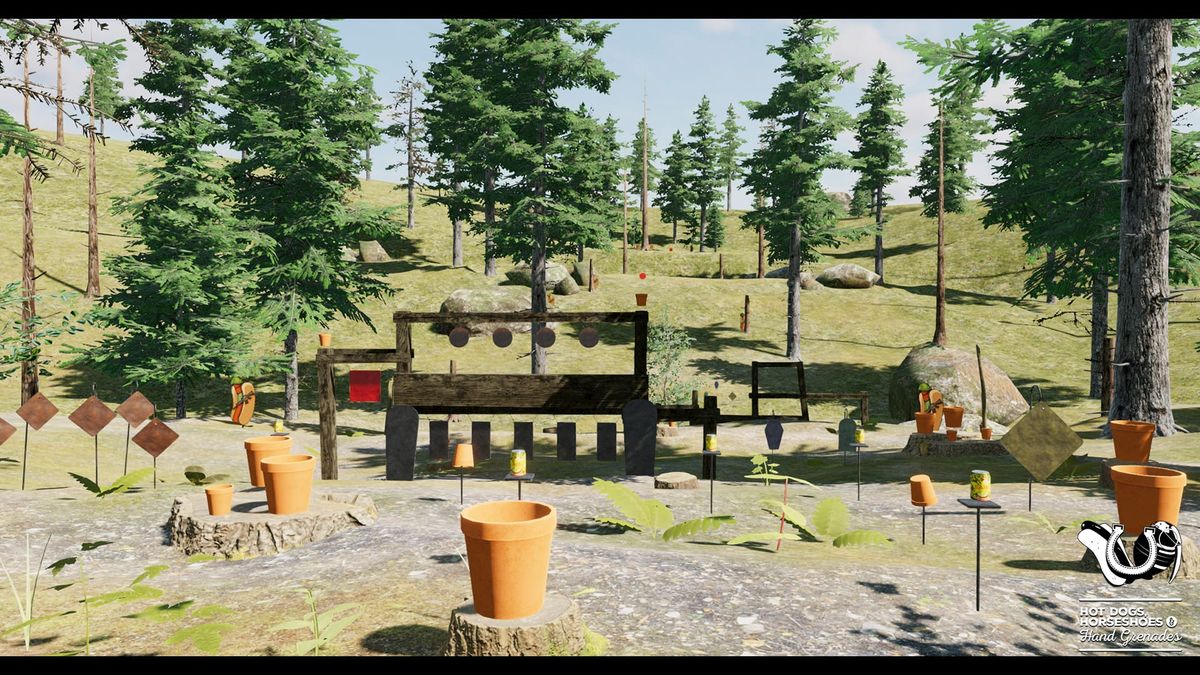
H3VR matters because it chose simulation depth over spectacle. Its physics-first handling of firearms and objects set a standard other VR shooter games still chase. Over a decade of iteration, it turned into a kind of living museum of VR gunplay: countless weapons, systems that reward careful manipulation, and spaces that invite experimentation rather than scripted set pieces. Crucially, Rust has always openly supported modding for H3VR and now ships H3VR Studio as an officially supported alternative to fanmade tools, letting players upload custom Sosig NPCs, Take and Hold characters, weapons and more while “bridging the gap” between mods and the base game. That endorsement of user creativity, capped by a built-in Gameplanner system for shareable scenarios and a new BBQ Range sandbox scene, is what transformed H3VR from a niche project into a cornerstone of VR game releases.
Take & Hold, Update 120, and the Power of Long-Term Design
Update 120 is less a content dump and more a design statement about where H3VR landed after ten years. The Take & Hold mode—already a community favorite—receives Blitz and Rampart variants that separate aggressive pushes on dense control points from focused defense play, sharpening what used to be a single, amorphous loop. The Lucky Looter archetype in Take & Hold goes further by ditching the traditional shop and weapon progression, forcing players to live off enemy drops and supply crates. That kind of high-commitment experiment only appears in a game whose audience is willing to test, break, and refine ideas over the long haul. When sandbox tools like the Gameplanner gain new objects, enemy types, and sharing options, it reinforces the thesis: H3VR’s path to 1.0 was not a sprint to “content” but a slow refinement of systems the community already loved.
Forefront and the Rise of Large-Scale Multiplayer VR FPS
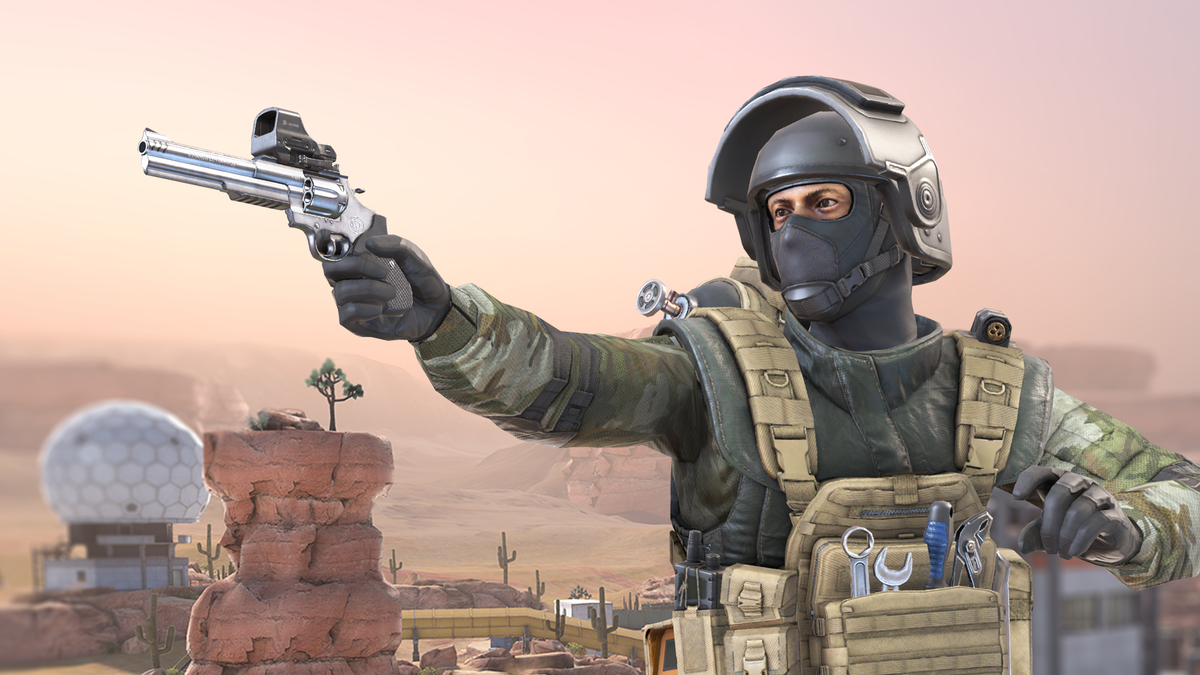
If H3VR embodies the hyper-detailed sandbox, Forefront represents the hunger for large-scale, Battlefield-like multiplayer VR FPS experiences. The 32-player VR FPS has rolled out a major update, v4.0.153, that brings a new desert Conquest map called Mojave, a highly interactive Marshal-6 revolver sidearm, and new mechanics tailored to big-team warfare. Forefront has just launched this update to expand its 32-player first-person shooter with fresh terrain and advanced physical weapon handling. The standout addition is the ability to drag perished players around the battlefield after strong community requests, allowing teammates to haul allies to safe revive spots or deny enemy revives by pulling bodies away. Alongside PCVR visual enhancements like more dynamic foliage and ambient particles, the update signals a steady push to make massive multiplayer VR battles more readable, tactical, and satisfying.
A New Phase for VR Shooter Games
H3VR’s 1.0 launch and Forefront’s v4.0.153 update arrive together as a kind of split-screen view of where VR shooter games are heading. On one side, a decade-long Early Access veteran leaves Steam Early Access with a full release that doubles down on modding, sandbox tools, and nuanced modes like Blitz, Rampart, and Lucky Looter. On the other, a large-scale multiplayer VR FPS refines 32-player combat with a new map, weapon, and revive-oriented mechanics while continuing work on a PS VR2 version and moving toward a full launch. The future is already taking shape: H3VR has a sequel, Hot Dogs, Horseshoes, and Hand Grenades 2, announced for PC VR and Meta Quest 3, and Forefront is preparing to stand as one of the key VR game releases in big-team competitive play. The next era of VR shooters will be built on this blend of obsessive simulation and ambitious scale.