
Minimalist camera gear is less about specs and more about behavior
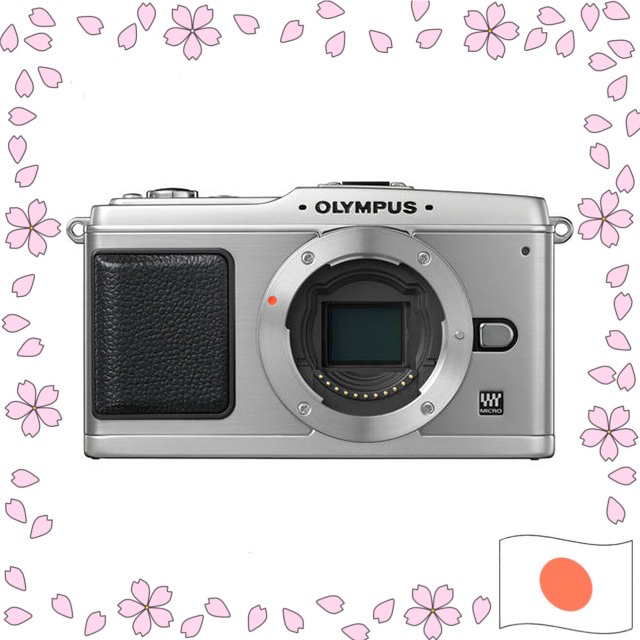
Minimalist camera gear is a conscious choice to carry fewer, lighter tools so that camera behavior, responsiveness, and ease of use matter more than specifications, leading photographers to shoot more often, move more freely, and make clearer creative decisions in changing real-world conditions. Street and documentary shooters are often first to learn this the hard way. One photographer sold a Nikon setup in 2010 to use the small Olympus Pen E‑P1, a move that made little sense on paper but changed the way he worked on the street. After years with Canon, Lumix, Ricoh, Sony, Fujifilm, and Pentax bodies in live documentary situations, he concluded the key question is not “what is the best camera?” but “what kind of photographic behavior does this camera create?” That question is the foundation of any lightweight photography setup that aims for better pictures, not bigger spec sheets.
Street photography: responsiveness beats megapixels every single time
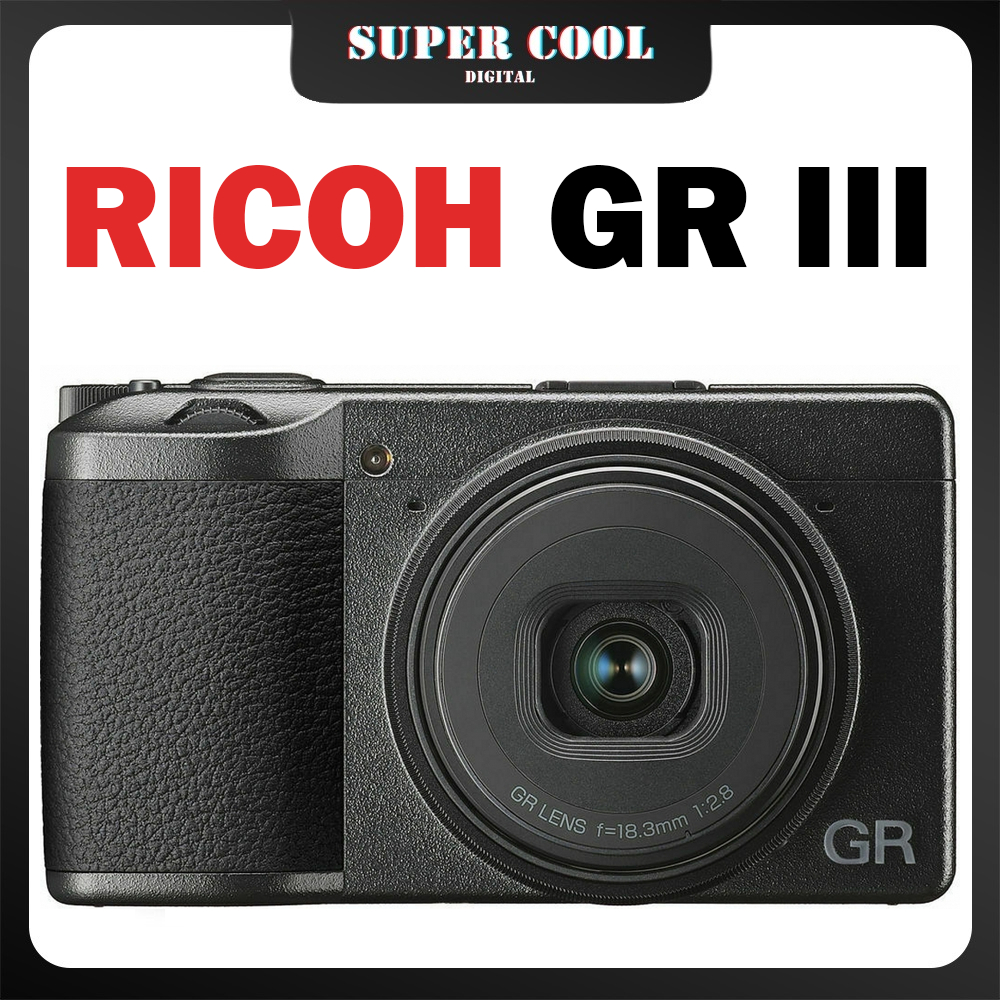
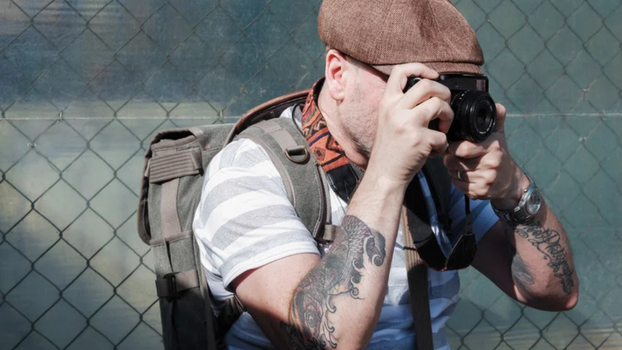
Street photographers know their failures rarely come from lacking megapixels or dynamic range; they come from friction between seeing and shooting. If there is hesitation between intention and capture, you lose moments you never get back. A camera that disappears in your hands is far more valuable than one that wins a lab test. That is why fixed-lens compacts like the Ricoh GR and Fujifilm X100 series are so loved: they are small, quiet, and demand fewer decisions, so you react to life instead of menus. A fixed lens removes the illusion of infinite options and forces you to move your feet instead of your zoom ring, reshaping intent and composition. In this world, camera system simplification is not a sacrifice; it is a performance upgrade. The less you touch your gear, the more you stay with the scene.
From full frame to lighter systems: mobility changes your photography
For long-time full-frame shooters, the shift to a lightweight photography setup is less about sensor size and more about what they are willing to carry. Landscape photographer Ian Worth describes chasing a misty woodland scene for five years and finding that weight and portability started to matter more as the years and miles piled up. He admitted leaving gear behind on long hikes because it felt like too much. The turning point came not from charts but from real use in the field. When he moved toward a Micro Four Thirds body with a telephoto that reached a 400mm full-frame equivalent, he gained reach while keeping the kit manageable in the woods. When the barrier to carrying your camera drops, you shoot more, overthink less, and stay present when that rare misty morning finally arrives. Less weight means more chances taken—and more keepers.
Fewer lenses, fewer excuses: how limits sharpen intent
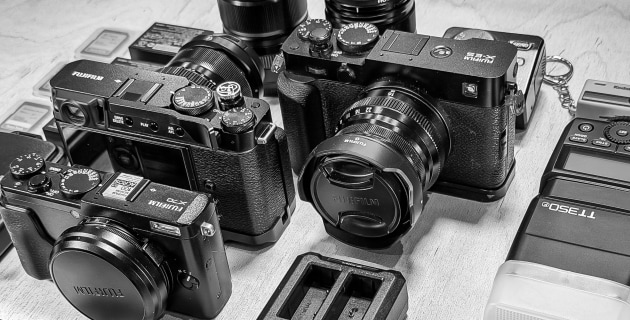
Photographers love options, but options quietly sabotage many shoots. Gear Choice Paralysis is real: the more lenses in your bag, the more time you spend second‑guessing instead of shooting. A fixed lens or a tightly limited set of lenses forces you to commit to a perspective and solve problems with timing, framing, and light. According to Greg Cromie, “Less is more – less gear means better shots”. His cure is blunt: rather than packing all your lenses, limit yourself to one or two at most. This camera system simplification sharply reduces decision fatigue; you must make the lenses you have work for the light, composition, and moment. You are carrying less gear, but you become more mindful and ready to capture brief, magical moments because your attention is on the scene, not the gear menu in your head.
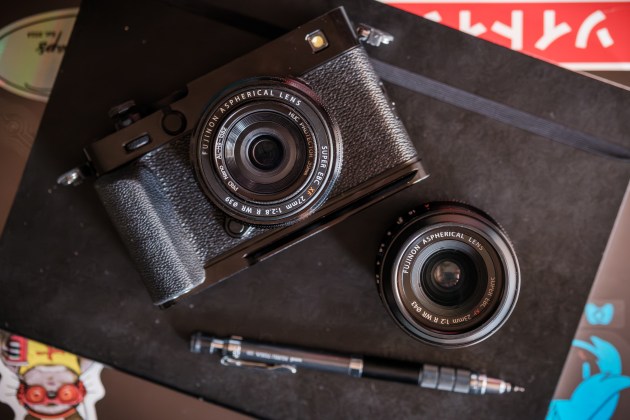
Why weight and comfort quietly control your creativity
Creative risk-taking depends on how often you go out and how long you can stay engaged. Weight and portability directly affect both. Worth’s experience shows that when your pack is too heavy, you start leaving cameras and lenses at home, and entire potential images vanish with them. Micro Four Thirds bodies and compact systems gain an edge here by offering smaller, less intimidating tools that encourage freedom in public space. Anyone chasing a lighter pack still needs to check the actual weight of their planned lenses, because a full-frame body with a small prime can weigh less than a smaller sensor body with a fast telephoto zoom. Meanwhile, a smaller, simpler kit means a smaller bag and less strain over a long day. You are more likely to wander further, wait longer, and say yes to one more detour when your shoulders do not hurt—and that is where the surprising frames tend to live.