
What the Ryzen 7 7700X3D Is—and Why Builders Are Split
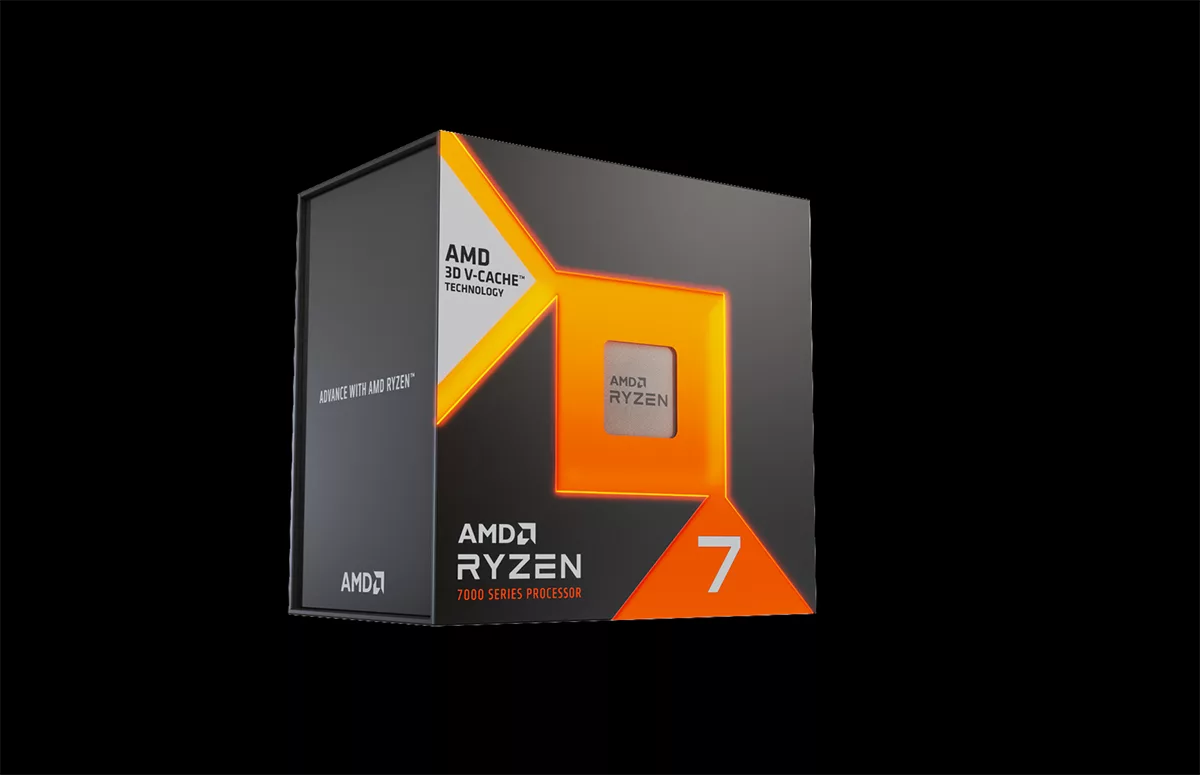
The Ryzen 7 7700X3D is an eight‑core Zen 4 desktop processor with 3D V‑Cache designed to deliver higher gaming frame rates, but its downclocked design and modest multi‑threaded performance mean that DIY builders must weigh gaming‑first gains against weaker productivity value when compared with more balanced CPUs such as Intel’s Arrow Lake chips. If your main question is “gaming vs productivity CPU,” this is exactly where the 7700X3D lives: near the top of the gaming stack, in the middle of the creator pack. Bottom line up front: pure gamers and AM5 upgraders can get strong Ryzen 7700X3D gaming performance at a reasonable price, especially when launch coupons bring it down from USD 329 (approx. ₱18,400) to USD 280 (approx. ₱15,700). Mixed‑workload builders, however, will often be better served by CPUs that trade some gaming headroom for stronger multi‑threaded creator performance—Arrow Lake options and AMD’s own higher‑end chips fall into that camp.
| Spec | Ryzen 7 7700X3D (AM5) | Intel Arrow Lake Creator‑Focused Build (LGA1851) |
|---|---|---|
| CPU positioning | Gaming‑optimized Zen 4 with 3D V‑Cache | Balanced, creator‑focused Arrow Lake platform with strong multi‑threaded potential |
| Cores / cache concept | Eight Zen 4 cores, 96 MB stacked 3D V‑Cache | High‑core chips on Z890 with large cache, tuned for broad workloads |
| Boost characteristics | Downclocked vs 7800X3D, 4.5 GHz boost ceiling | Higher clocks and thread counts aimed at rendering and productivity |
| Platform & boards | AM5 ecosystem; entry to flagship boards like CHALLENGER and Taichi White | LGA1851 Arrow Lake ecosystem; boards like Z890 Tomahawk WiFi II |
| Indicative CPU pricing | List USD 329 (approx. ₱18,400); coupon to USD 280 (approx. ₱15,700) at launch | Arrow Lake pricing varies; Z890 boards refreshed at slightly lower prices |
| Best use case | High‑FPS gaming with some light creator work | Mixed gaming, streaming, and heavy creator workloads (video, 3D, compiling) |
Gaming vs Productivity: How 3D V‑Cache Shapes Performance
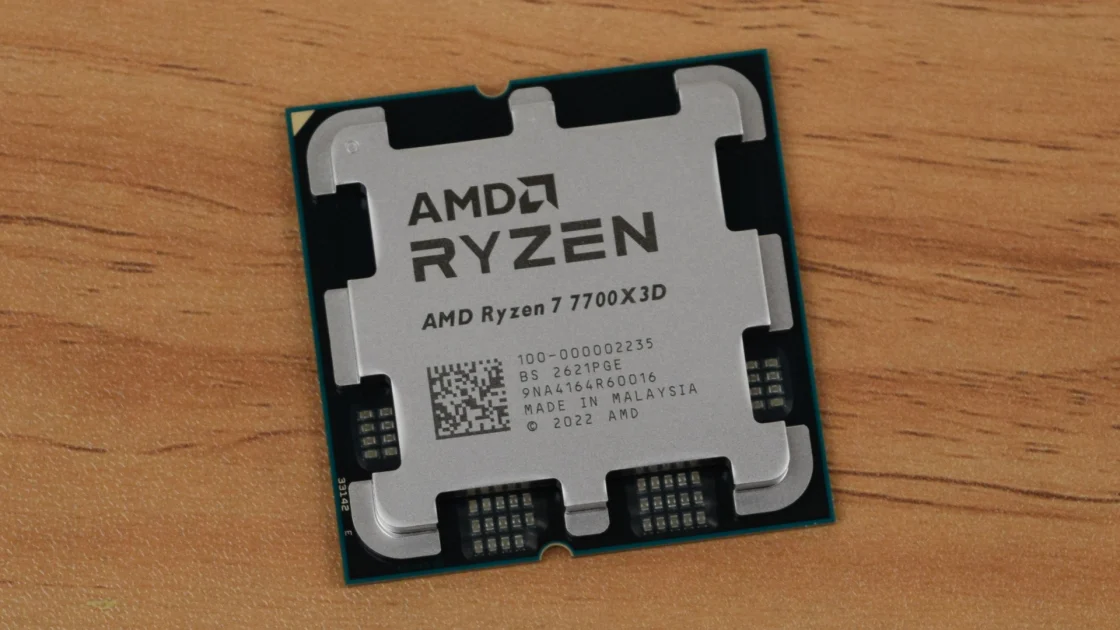
3D V‑Cache is the 7700X3D’s defining feature: 96 MB of stacked cache feeds the GPU with game data and lifts frame rates over non‑X3D Zen 4 chips. AMD’s own data shows about four percent better gaming performance than the regular 7700X, and testing across modern titles confirms this cache advantage. In Cyberpunk 2077, the 7700X3D lands mid‑pack, but still outpaces high‑end chips without 3D V‑Cache such as the Ryzen 9 9950X and the Core Ultra 9 285K. It also edges Arrow Lake gaming CPUs like the Core Ultra 7 270K Plus at 4K, especially when paired with a top‑tier GPU. The flip side is weaker raw CPU performance. The same reviews that praise its gaming‑per‑dollar against Arrow Lake note that the 7700X3D is often the slowest chip in CPU tests, especially when you move into creator workloads such as multi‑threaded rendering or video exports. One standout data point: at 1080p in Black Myth: Wukong—precisely where 3D V‑Cache should dominate—the 7700X3D posts the worst result among tested processors, suggesting its lower clocks and limited CPU throughput can bottleneck performance even in games.
Value Debate: 7700X3D vs 7800X3D and Arrow Lake for Creators
Press coverage of the 7700X3D has turned into the most contested CPU verdict of the season: gaming‑focused outlets are upbeat, while anyone running a price calculator keeps pointing at the Ryzen 7 7800X3D sitting slightly higher on the shelf. The 7700X3D is, in essence, a downclocked 7800X3D—same eight Zen 4 cores, same 96 MB 3D V‑Cache, same 120W TDP, but a 4.5 GHz boost instead of 5.0 GHz. Independent testing pegs the 7800X3D about nine percent ahead in gaming despite identical cache architecture and highlights its roughly double multi‑threaded headroom, which matters to creators. According to one multi‑outlet consensus, “TechPowerUp, HotHardware, XDA, and WCCFTech reached broadly positive verdicts centered on its gaming‑per‑dollar case against Intel’s Core Ultra 7 270K Plus; Tom’s Hardware and KitGuru were harsher on value grounds.” Arrow Lake builder guides add more pressure: refreshed Z890 boards bring slightly lower platform prices, and creator‑focused chips in that socket offer better value for non‑gaming workloads by pairing higher thread counts with strong multi‑core performance. If your day‑to‑day is Blender, DaVinci Resolve, or heavy streaming, that Arrow Lake balance typically beats the 7700X3D’s gaming‑first profile.
Platform Context: AM5, AM4 5800X3D Anniversary, and Arrow Lake
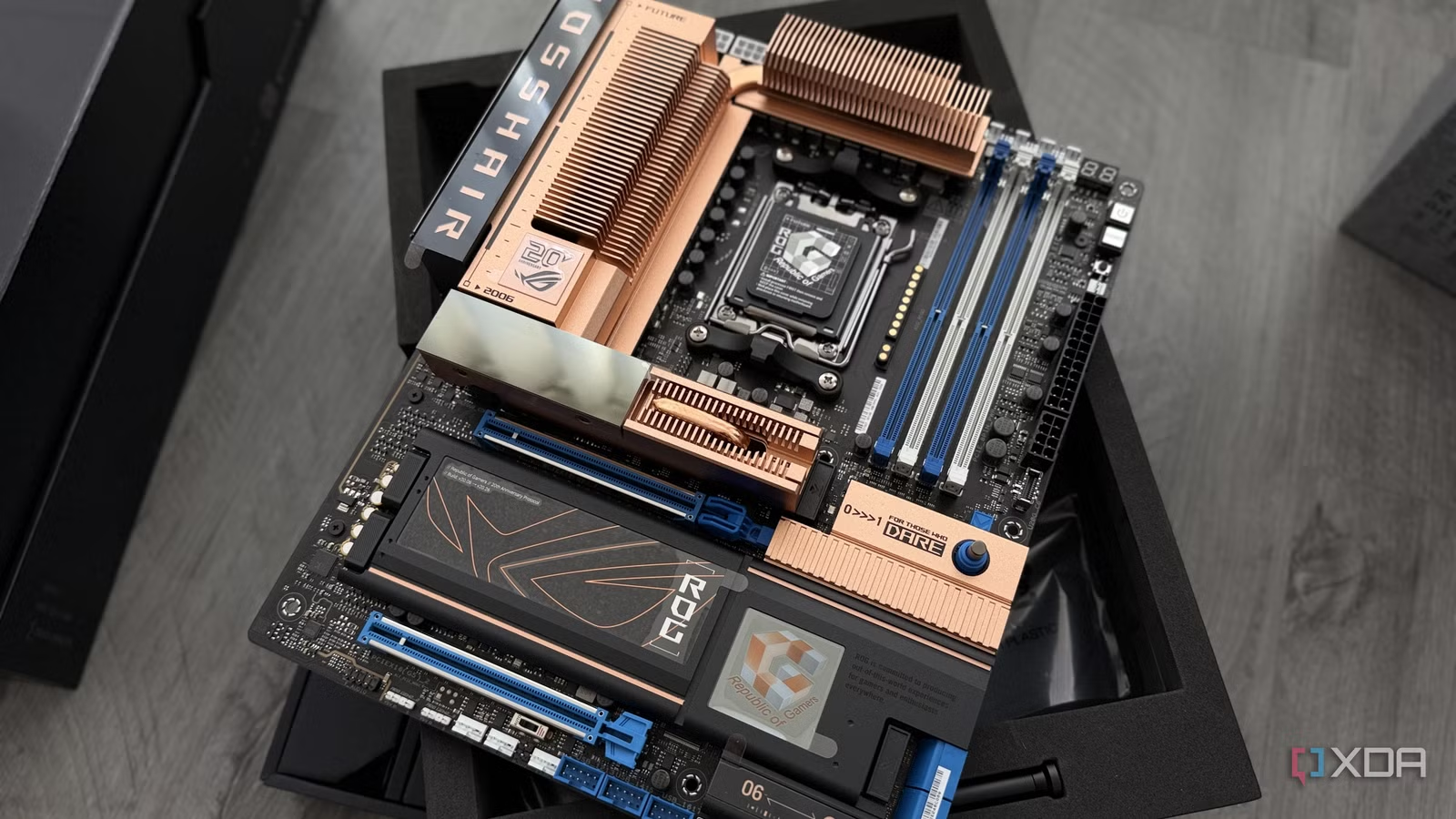
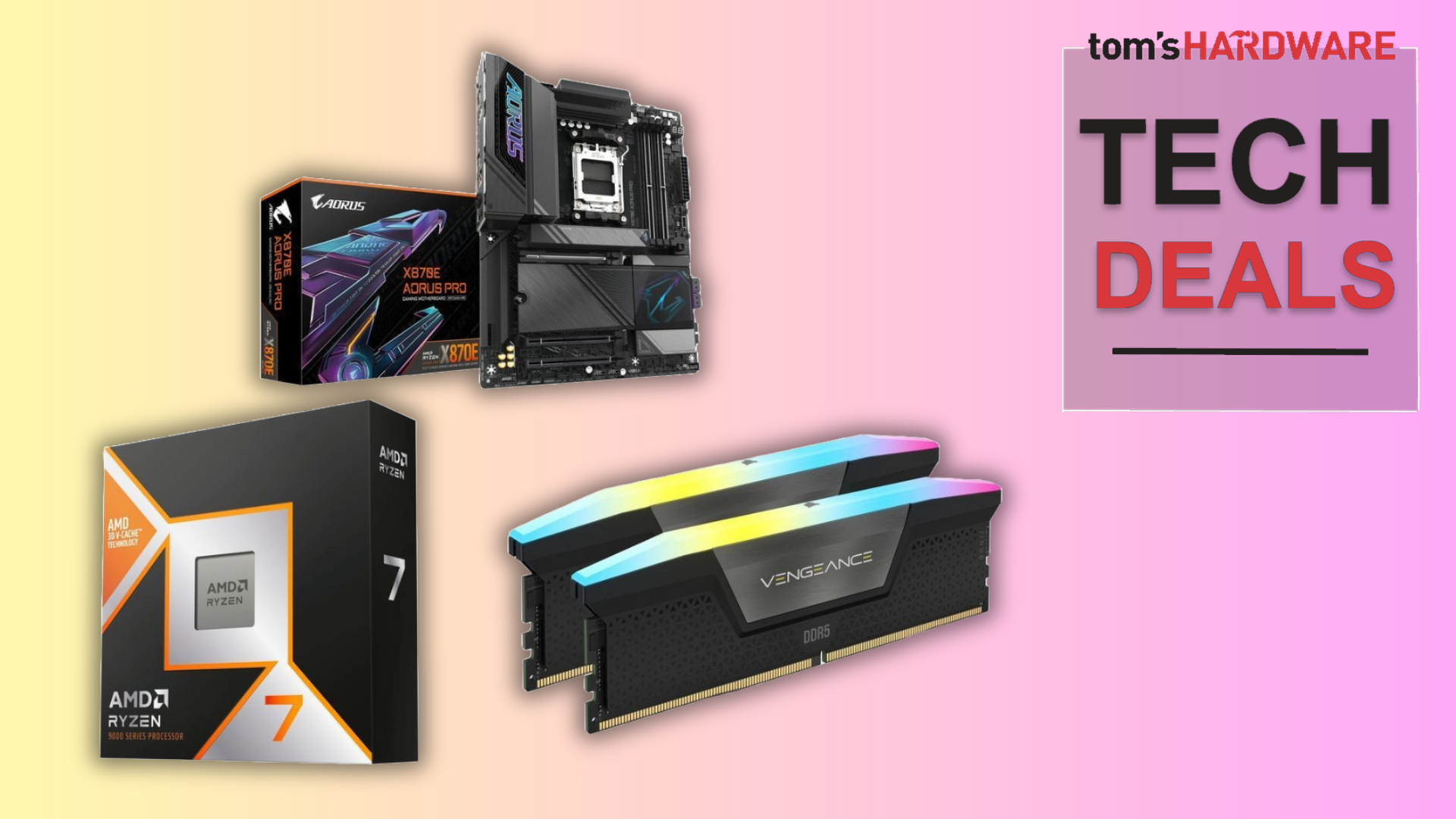
Choosing the 7700X3D is not just about the chip—it is about the platform. On AM5, you can pair it with entry‑level X870 boards like the CHALLENGER or premium options such as the X870E Taichi White, both aimed at gaming builds that want PCIe 5.0 storage and modern connectivity. Arrow Lake builders on LGA1851 see a similar spread: mainstream enthusiast boards such as the Z890 Tomahawk WiFi II remain the default recommendation for creator‑oriented systems, trimming a few features while nudging prices down. There is also a sleeper option: the Ryzen 7 5800X3D 10th Anniversary Edition for AM4 owners. It keeps the original eight Zen 3 cores and 96 MB of 3D V‑Cache but adopts a newer cache‑stacking process and ships with a Carbice Ice Pad thermal interface. Fresh testing confirms it still matches newer chips like the Ryzen 5 7500F in several gaming tests and trails the Core Ultra 5 250K Plus by only four percent, making it a compelling drop‑in gaming upgrade at USD 349 (approx. ₱19,500) if you already own a decent AM4 board and DDR4. For from‑scratch builds, though, that DDR4‑locked platform is harder to justify.
Buy if / Skip if
- Buy the Ryzen 7 7700X3D if you want a gaming‑first AM5 build where higher frame rates matter more than creator performance and you can stack launch discounts like the USD 49 (approx. ₱2,800) coupon.
- Skip the Ryzen 7 7700X3D if your main workloads are multi‑threaded tasks such as 3D rendering, video encoding, or heavy streaming, where Arrow Lake creator CPUs and the 7800X3D deliver much better throughput per dollar.
- Buy the Ryzen 7 7700X3D if you already plan to invest in a strong GPU and want its 3D V‑Cache to outpace non‑X3D rivals like the Ryzen 9 9950X and Core Ultra 9 285K in many modern games.
- Skip the Ryzen 7 7700X3D if you can stretch to a Ryzen 7 7800X3D, which offers about nine percent better gaming performance and roughly double the multi‑threaded headroom for only a small price gap.
- Buy the Ryzen 7 5800X3D Anniversary Edition if you already own a solid AM4 board and DDR4 and want one of the fastest drop‑in gaming upgrades without changing platforms.
- Skip the Ryzen 7 5800X3D Anniversary Edition if you are building a new system from scratch, since locking into DDR4 makes less sense than moving to AM5 or Arrow Lake.
- Buy the Arrow Lake platform if you need a gaming vs productivity CPU that prioritizes balanced creator workloads on Z890, with better long‑term value for mixed‑use builders than the 7700X3D.
- Skip the Arrow Lake platform if your usage is almost entirely gaming at high resolutions and you prefer AM5’s 3D V‑Cache options and broader upgrade path.