
Wedding posing techniques are storyboards, not single shots
Wedding posing techniques are repeatable sequences of body positions and micro-adjustments that guide brides through flattering bridal portrait poses while also setting up natural, story-driven images across the wedding day, rather than isolated, stiff photographs. If you treat posing as a living storyboard instead of a rigid checklist, your wedding photography tips stop being generic and become a practical roadmap for flattering, confident, natural-looking images the couple will want in their album.
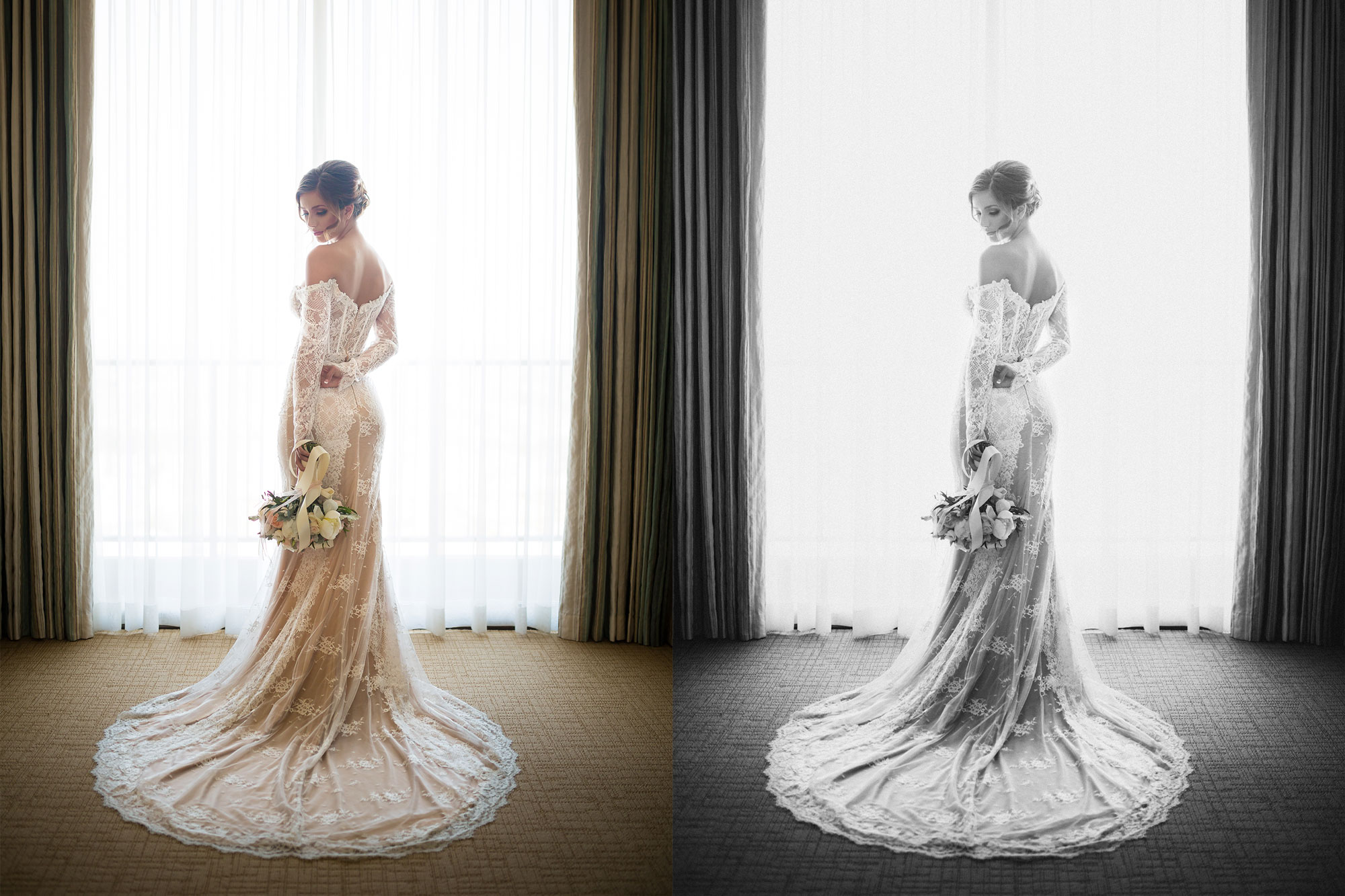
The standard standing bridal portrait should be the first frame once the bride is fully ready, then it should evolve into micro-poses by adjusting arms, hips, and expressions. In other words, one base pose becomes a sequence, not a single click. For full-length bridal portrait poses, you should give concrete direction: kick the hip to one side, place the feet together and drag one behind with a lifted heel, bring the knees together to shape an hourglass, and slightly bend elbows to keep space between arm and body for a more flattering figure. This structured approach works for most body types and dress styles because it builds shape rather than relying on luck.
Designing flattering bridal portrait poses for any body and dress
If your bridal portrait poses do not change with the body and dress, you are not posing; you are guessing. A seated pose is “one of the trickiest” because sitting can be unflattering on any body type; the key is to find the angle that flatters the bride and gives her good posture without stiffness. The core rule: posture shapes everything. A female form can be lost when she is hunched and losing length in her spine and neck, while a small shift in posture can completely change the image.
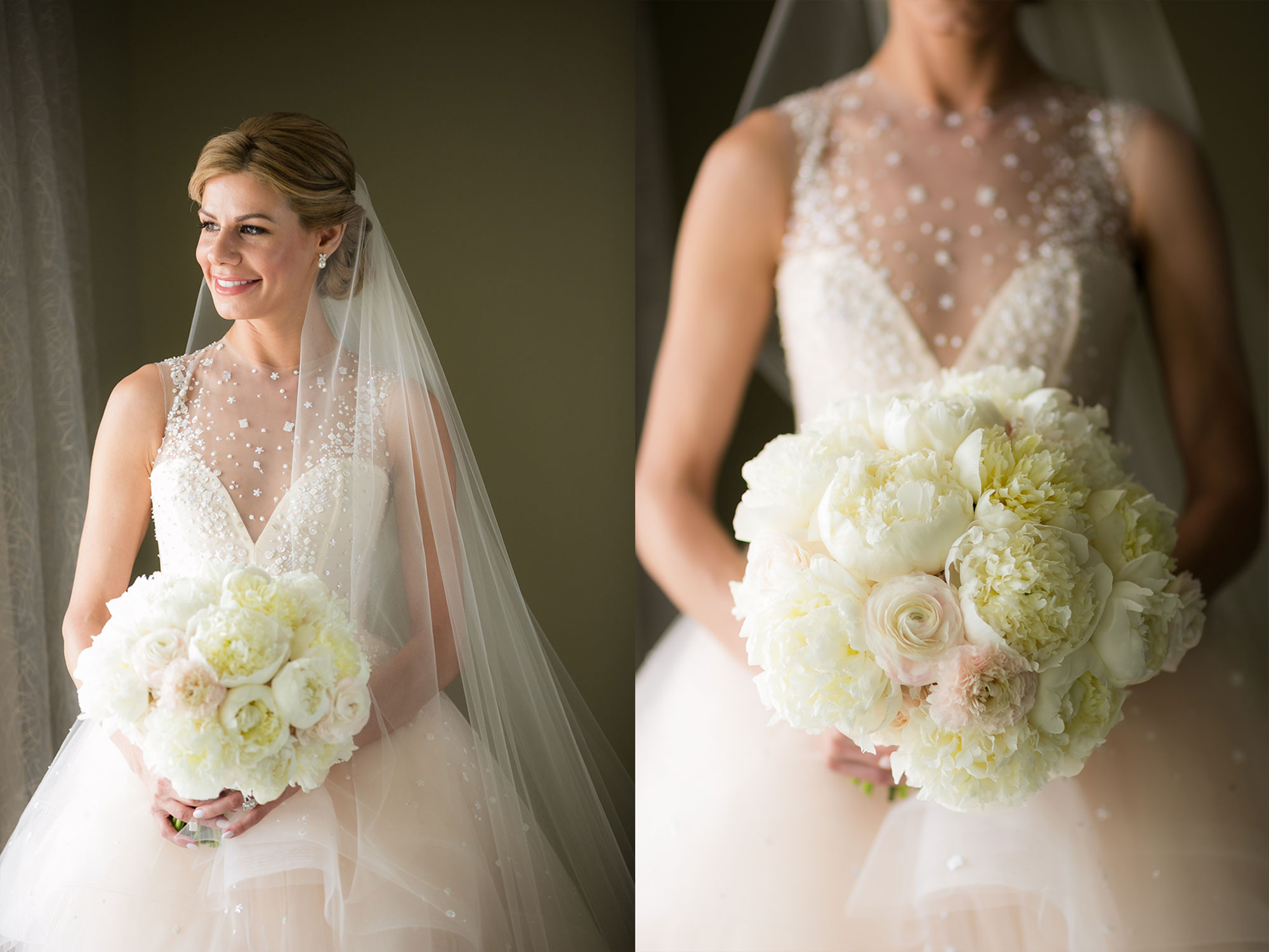
Use specific wedding posing techniques to sculpt the frame: maintain a narrow stance, drag a toe, cross one knee over center, kick the hip, keep a straight spine, create arm space, and extend the neck slightly to lengthen the line of the spine. These directions are not optional styling notes; they are your toolkit for flattering any silhouette, from sleek columns to full ball gowns. When incorporating the bouquet, insist that the bride separates her arms from her body to create form and figure—it keeps the dress visible and the arms slim. The only time these rules relax is when you deliberately break them for a creative, character-driven frame; otherwise, skipping them is a mistake, not a style choice.
From formal to candid: posing as a bridge, not a switch
The biggest misconception in wedding posing techniques is treating portraits and candids as separate worlds. After you get your standard portraits, you should “step back and assess your scene” and then build creative, journalistic frames from the same setup. That means the formal pose is the starting point of the candid, not its opposite. For example, once you have the classic front and back full-length frames of the dress, have the bride turn around and look over her shoulder—but warn her against turning so far that she breaks the profile plane, a common mistake that harms facial symmetry.
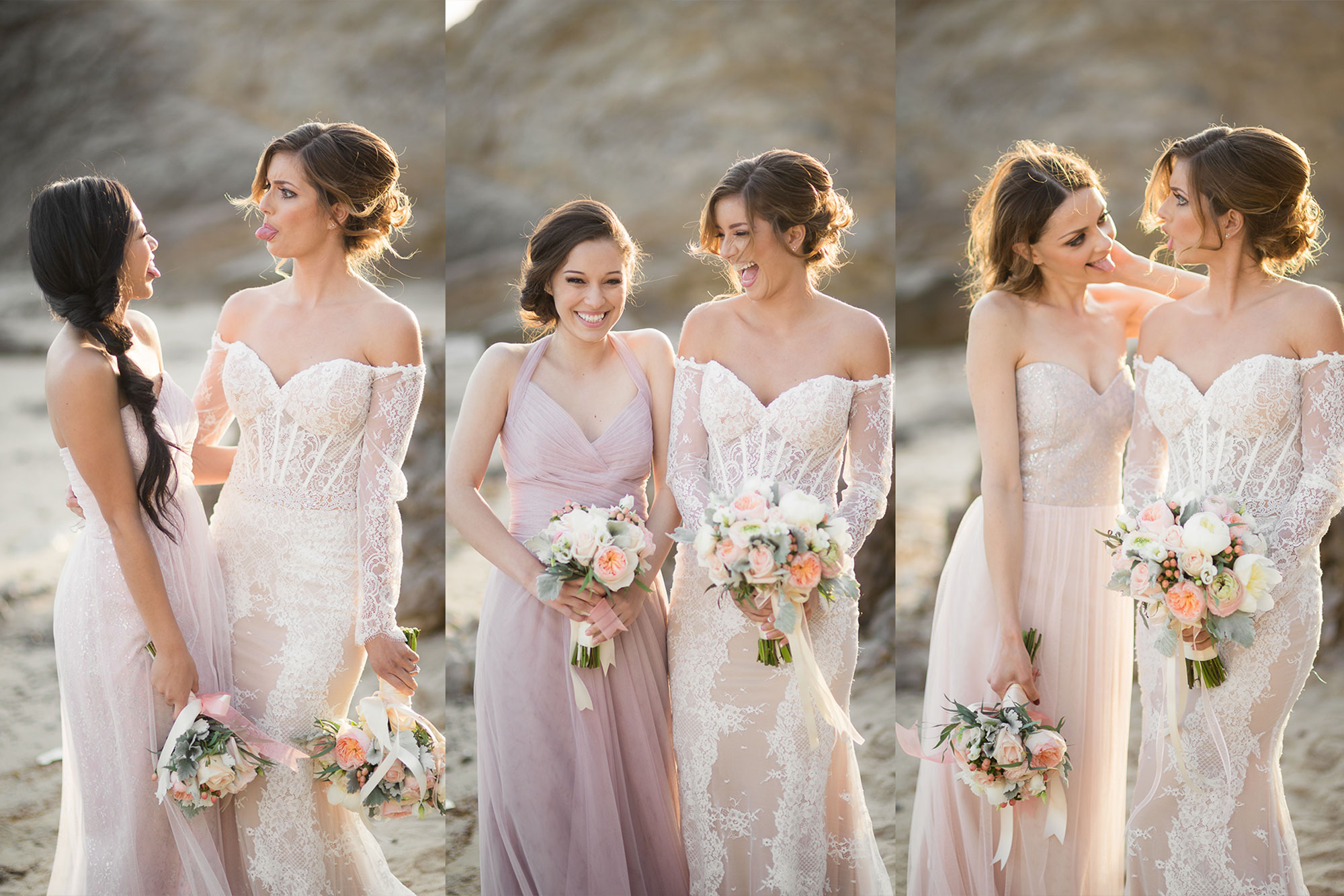
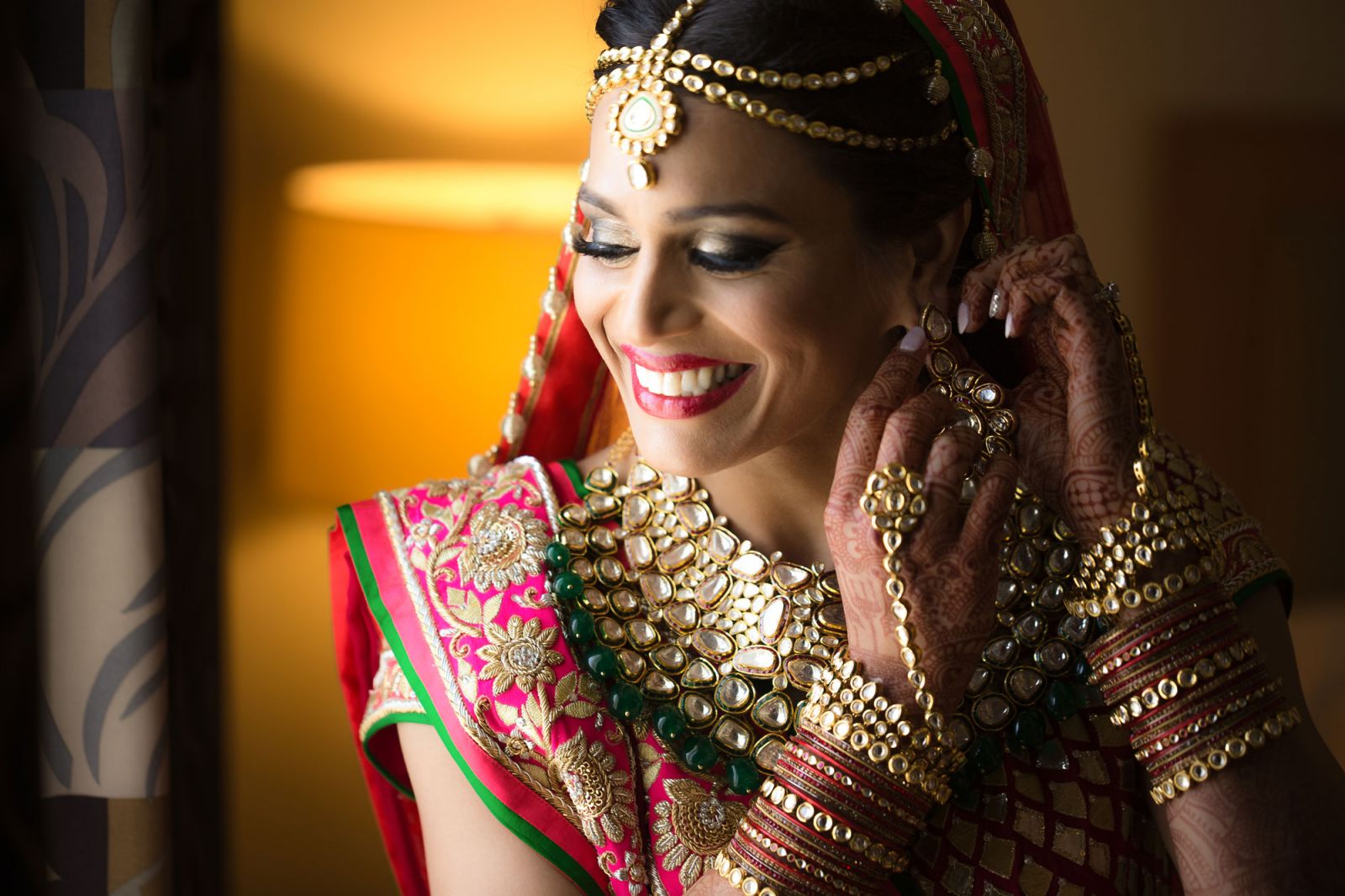
Use accessories and movements as your bridge. When the bride adjusts shoes, earrings, or bracelets, you can set up ideal light and “use the action of these movements to capture journalistic or posed images,” then guide her accordingly. To create a storytelling sequence, start close, then back up with a wider lens, and finally use your widest view to capture the whole scene. This progression lets the pose dissolve into real laughter and interaction, especially when you “loosen the bride up and get her laughing” with help from her bridesmaids. If you leap straight from rigid posing to uncontrolled candids, you lose this flow and your gallery feels disjointed.
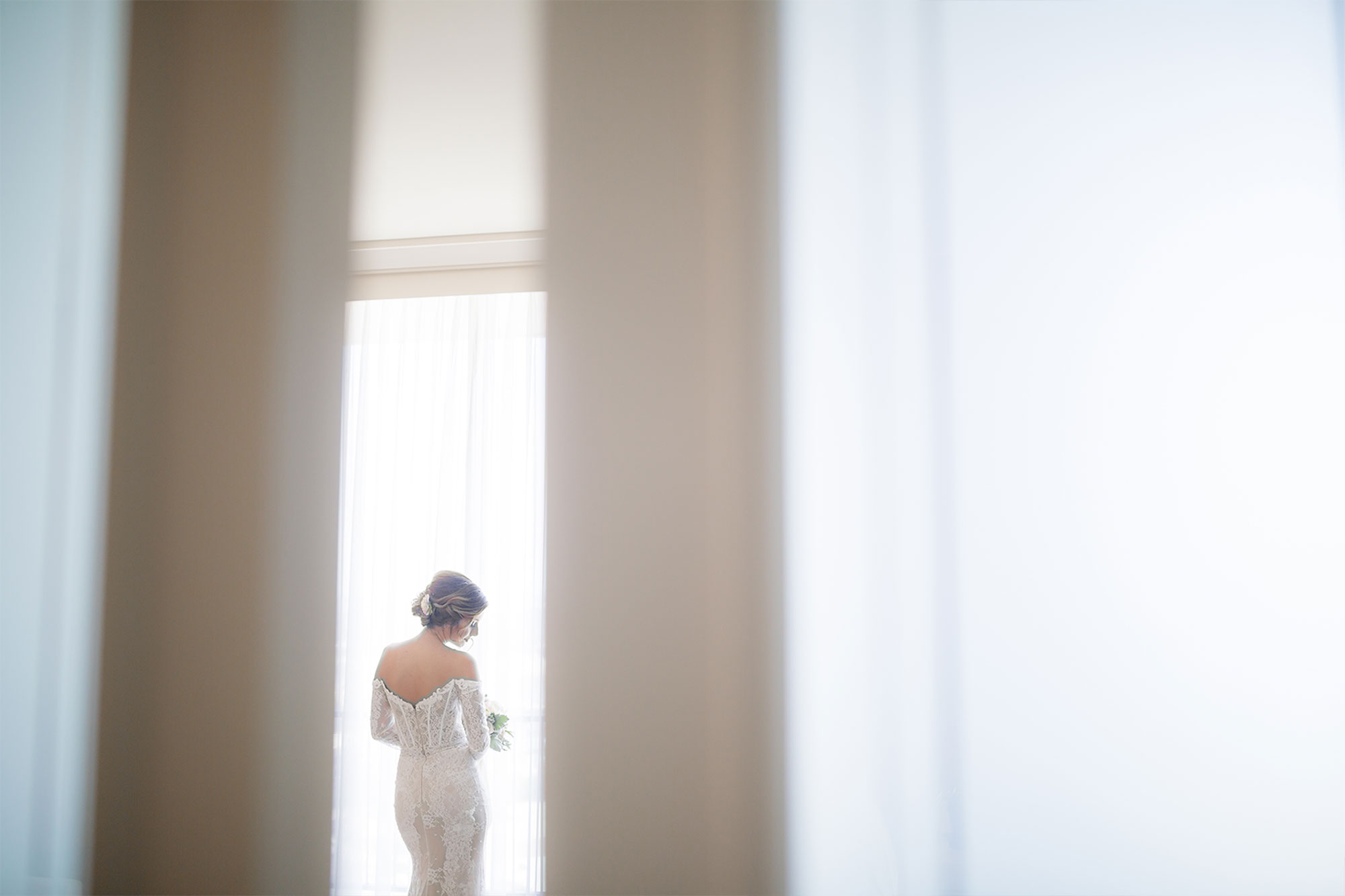
Directing comfort while keeping compositional control
Good direction is not optional; it is what keeps people from looking stiff. Sticking your subject in a pose without guidance leads to rigid results, while giving cues for different emotions provides variety from a single pose. You should not be afraid to demonstrate a pose; instructions should be interactive and visual so the bride can mimic what you want. This applies to individuals, couples, and entire wedding parties: you stay in compositional control, but their reactions stay authentic.
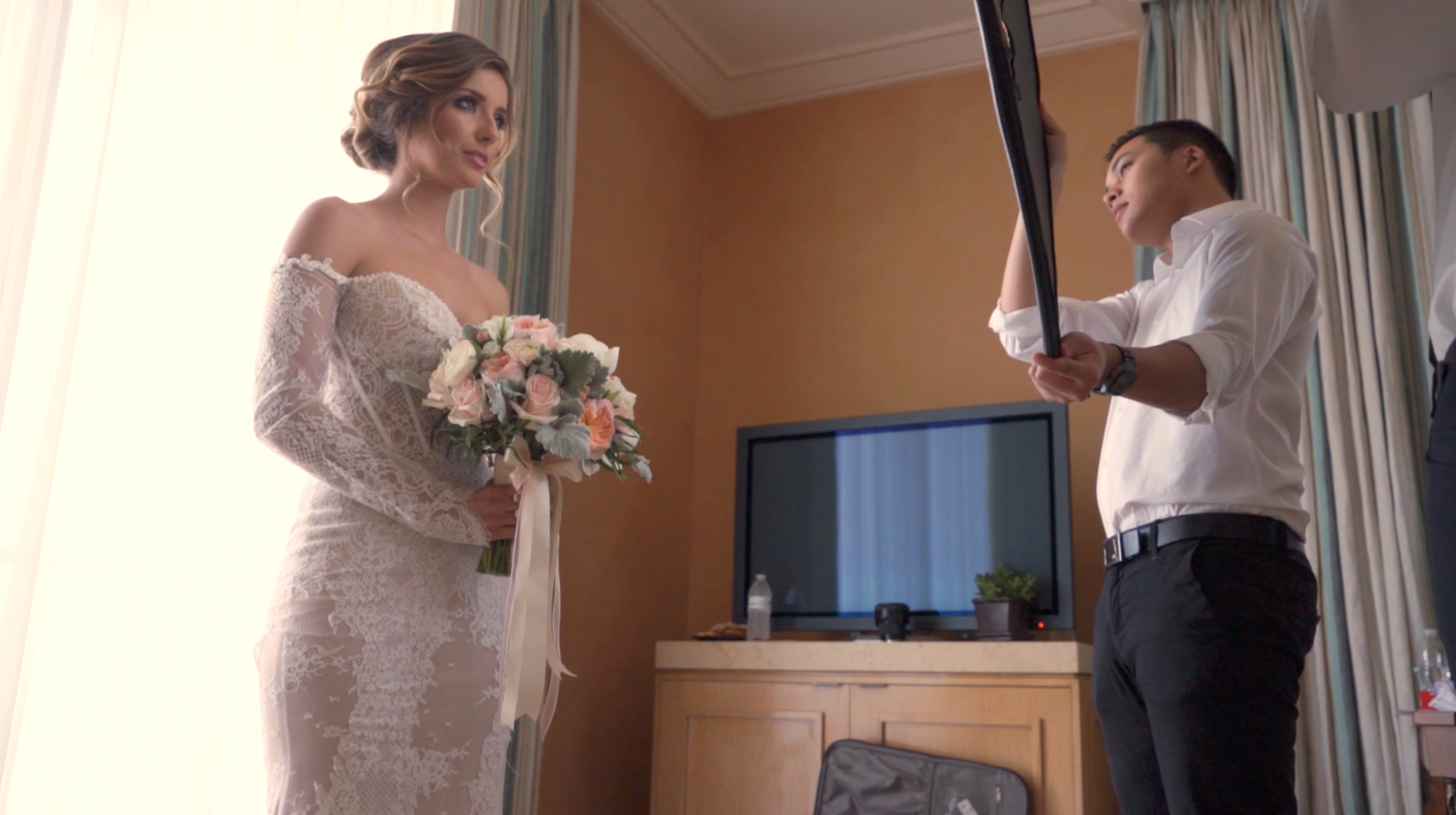
Small physical notes matter. Be mindful of arm tension, because relaxed joints make poses look more natural. When shooting through the veil, a popular creative variation, one of the most common mistakes is focusing on the veil instead of the bride’s face. Direct the bride’s chin and eyes deliberately—chin down with eyes up for softness, chin up with eyes down for a more powerful feel. Light is another part of your direction: most of the time you can use natural window light or open shade, but you may decide to use flash to darken a bad scene and light the bride instead. According to the bridal portrait tips source, “this is not an exhaustive list of lighting tips,” but thoughtful light and clear cues are more important than complicated setups.
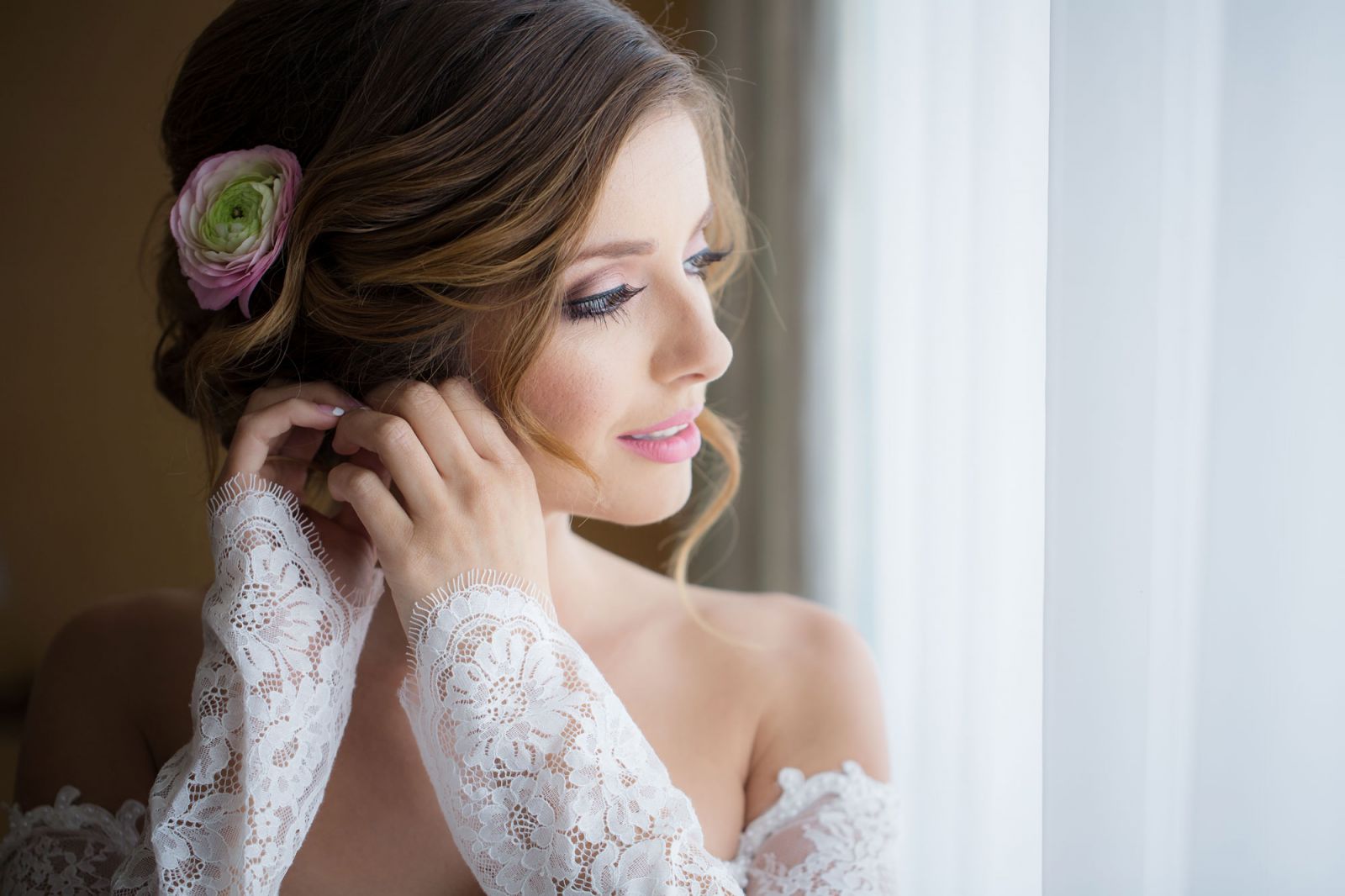
Using posing sequences to carry the story of the day
Posing is not a moment; it is the backbone of the entire wedding-day story. Some of the most important photos you capture are bridal portraits, which anchor the album and often carry the emotional weight of the day. If you treat these portraits as isolated tasks, you end up with albums that feel like checklists; if you treat them as the start of visual flow, you build a narrative from prep to dance floor. A soft guideline of must-have shots keeps you on track without killing creativity.
Start with a standard, flattering portrait as soon as the bride is ready, then move into a chain of micro-poses by adjusting arms, hips, and expressions. Remember that small variations in posing can change the entire dynamic of an image, so do not burn a pose after one frame. Use detail shots on the bride—lashes, hair, shoes, rings, bouquet—to enrich the sequence and increase the chances of strong album spreads. Finally, let posing guide movement: walk the bride or wedding party through simple heel-over-toe steps, bouquet lifts, veil sweeps, and subtle laughs to create visual continuity. If you use posing as your day-long roadmap, your coverage feels intentional, composed, and alive from first look to last dance.