
Reluctant Subject Photography Starts Before the Camera Comes Out
Reluctant subject photography is the art of using conversation, empathy, and simple setups to help people who dislike cameras relax enough to show their real selves in portraits. If you are photographing shy people, your first job is not exposure settings, it is lowering their anxiety long before a lens points at their face. Spend time with someone before you pick up any gear at all; that might mean 10–15 minutes of talk or a coffee beforehand, so you both feel comfortable in each other’s company. When the photographer behind the 39 to 45 Veterans Project looked at the results, the pattern was clear: the more he had talked with someone, the more they looked like themselves. If you skip this step and rush to the camera, no amount of lighting skill will save the stiffness.
Lead With Curiosity, Not Posing Commands
Most candid portrait tips are useless if your subject is locked in self-consciousness. To unhook that, stop treating people like mannequins and start treating them like humans with a life outside your frame. Getting a stranger to relax comes down to asking about their world, their work, their family, what they do at the weekend. That line of talk shifts their focus away from how they look and toward something they care about. According to Glyn Dewis, “your best portrait gear does nothing if the person sitting in front of the lens looks stiff and posed”. Over-directing does the opposite of what you want; telling someone to stand a certain way, place their hands there, or, worst of all, to “look relaxed” can undo 20 minutes of ease in a single sentence. For reluctant subject photography, your questions are worth more than your posing vocabulary.
Keep Talking During the Shoot and Let Life Fill the Frame
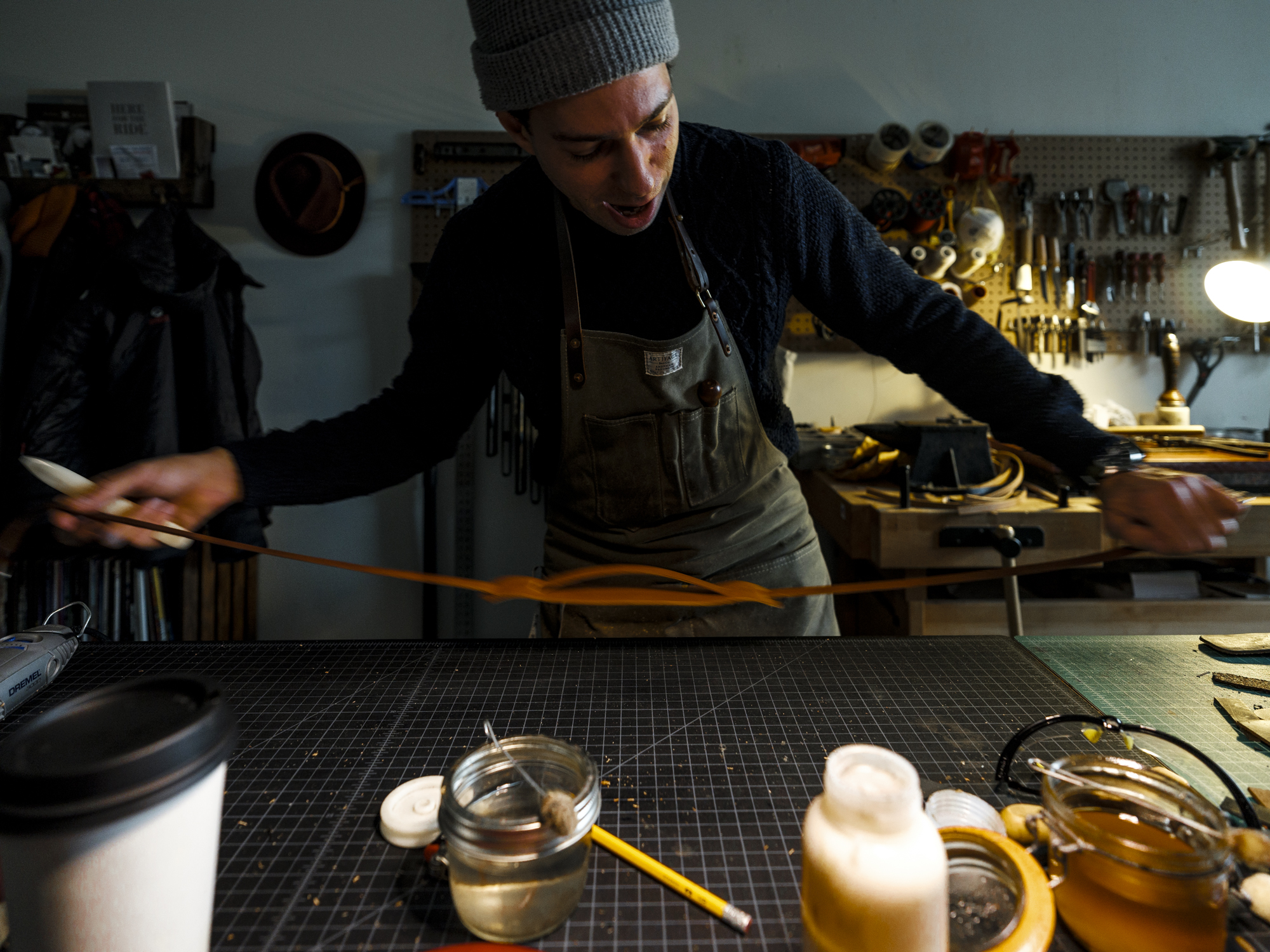
Photographing shy people means avoiding the ominous countdown before the shutter. Silence screams, “Now you are being judged.” Keep the conversation running straight through the shoot, with no silent “ready” moment before you press the shutter. This is where portrait soft skills outperform any technical trick. One effective approach to reluctant subject photography is to anchor people in a familiar action. In a session with potter Harry Anderson, the photographer asked him to keep smoothing a piece of pottery and only glance toward the camera now and then while they chatted. That blend of movement and talk made the portraits feel candid and alive. These are candid portrait tips that apply everywhere another person reads your energy, from team shoots to weddings, where nerves spread fast and quietly.
Manage Your Own Attitude and Keep the Setup Simple
If you walk into a shoot stressed, your subject will wear that stress on their face. The most useful principle here comes from outside photography. Batari’s Box shows how your attitude drives your behavior, which shapes the other person’s attitude and behavior, looping back around on itself. Show up stressed and that stress feeds the loop in the wrong direction; no lighting setup pulls you out of it. Show up calm, even when you do not feel it inside, and the loop starts working in your favor. That calm is easier to maintain when you are not wrestling with gear. A practical route is to keep the setup simple, especially the first time you photograph someone, and save the clever lighting for a later session once you know each other. This connects to a wider shift where soft skills and client experience get treated as seriously as sensor specs.
Accept Trial and Error and Let People Look Like Themselves
Every photographer who is good at photographing shy people earned that skill through awkward sessions and missed chances. The portrait habits described here were built through trial and error, centered on the person rather than the camera. Failure is not a verdict on your talent; it is data about what a particular personality needs. Sometimes it means throwing out your plan. One veteran, who usually wore a shirt and bow tie, offered, almost reluctantly, to put on his jacket and medals. The photographer heard that he did not really want to and chose to photograph him as he was; the pictures were far better for it. When he later reviewed his Veterans Project, the pattern held: the more he had talked with someone, the more they looked like themselves. Helping people look like themselves is emotional intelligence in action, not a product of more posing direction.