
Our Top Pick and What CXMT DDR5 Really Is
CXMT DDR5 memory is a mainstream DRAM option that can reach over 8000 MT/s on tuned motherboards but shows weaker performance, poor voltage scaling, and wide batch-to-batch silicon variance compared with established DDR5 makers such as SK Hynix. For most PC builders, the best overall choice today is a DDR5 kit based on SK Hynix or similar premium dies running around 6000 MT/s with tight timings, because these modules deliver stronger performance at the same clocks, scale more predictably with added voltage, and offer far more consistent silicon for repeatable overclocking. That combination of speed, timing flexibility, and reliability makes premium DDR5 the clear recommendation for gaming, content creation, and high-end overclocked builds, while CXMT DDR5 sits as a more cautious option for stock-speed, budget-conscious systems.
CXMT DDR5 Overclocking: Voltage Walls and Timing Limits
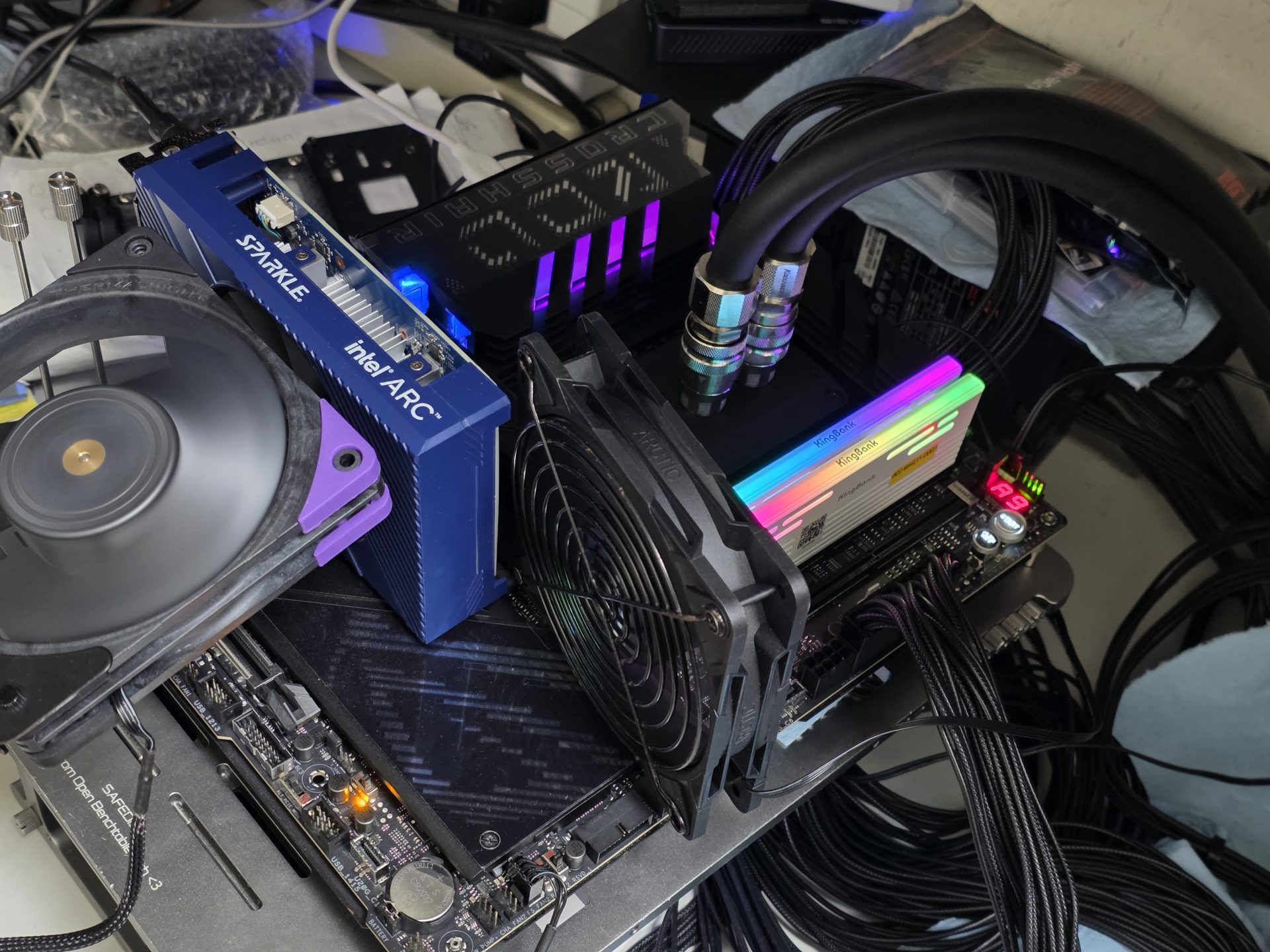
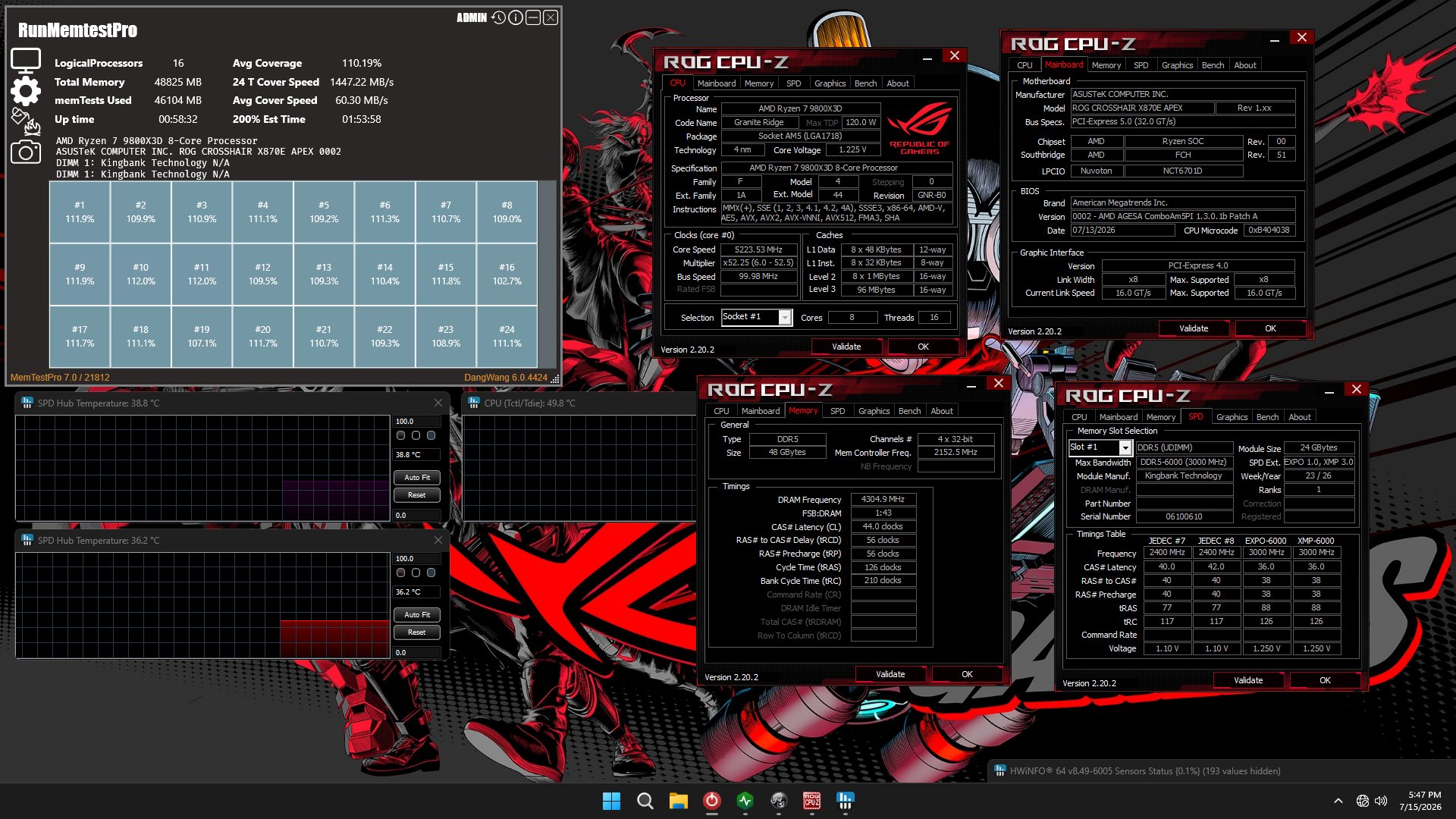
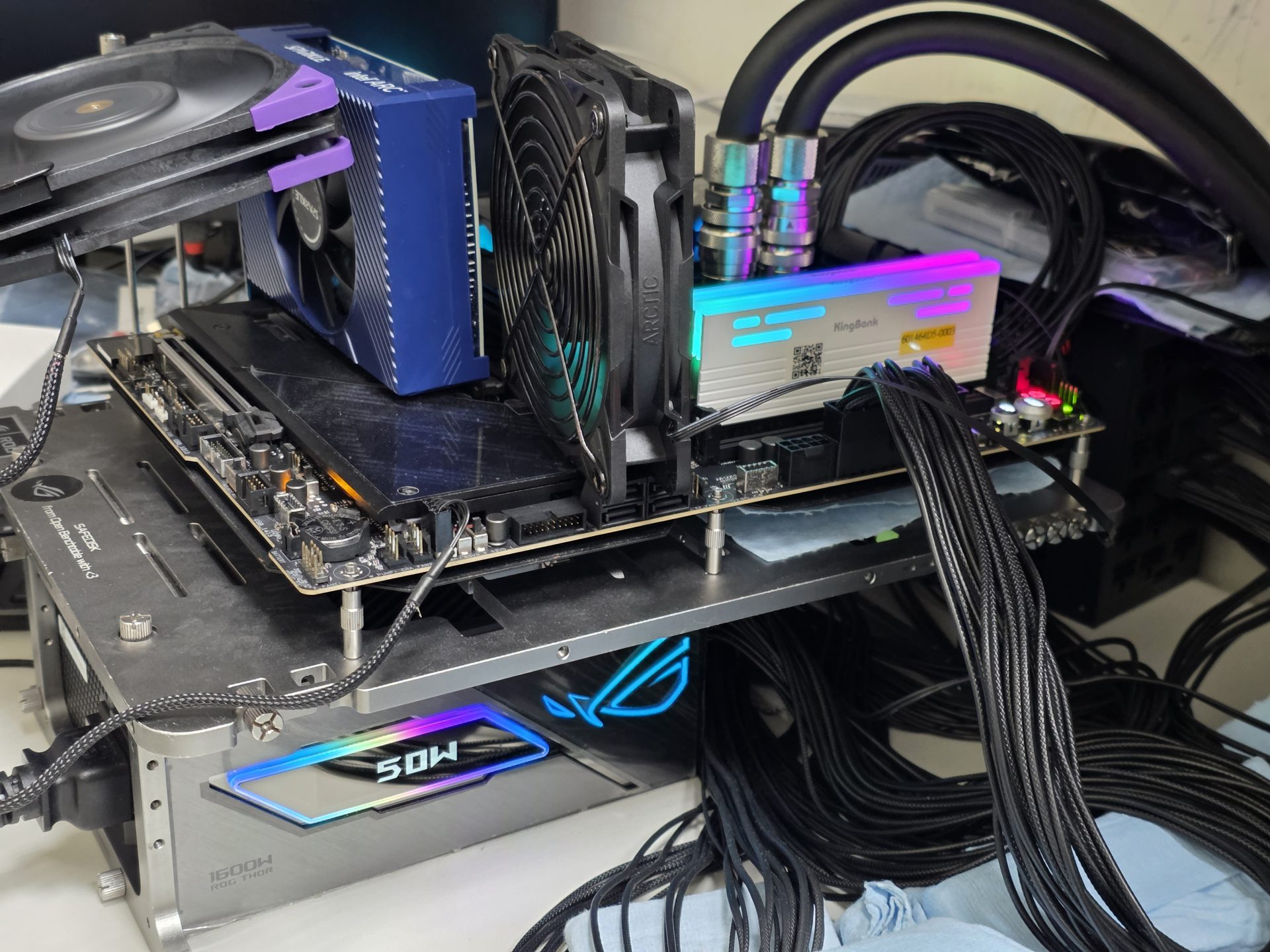
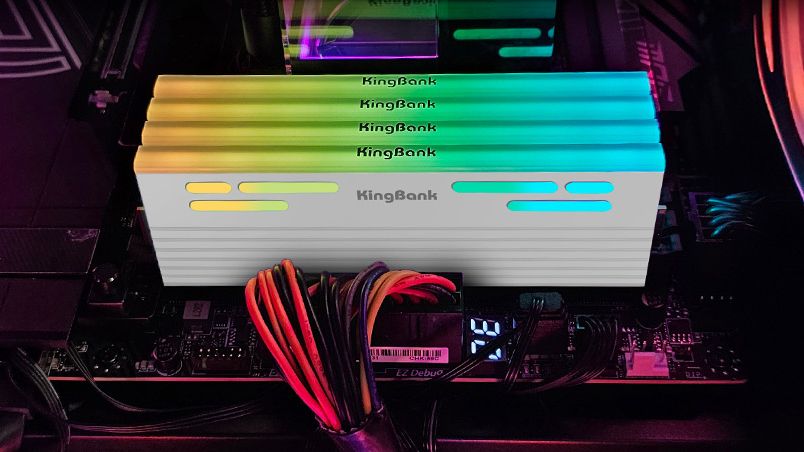
If you care about CXMT DDR5 overclocking, you need to accept some hard limits. Testing on a Kingbank 48 GB (2x24) DDR5-6000 CL36 kit shows that while CXMT can hit 8600 MT/s at CL44 on tuned boards, pushing more voltage does not reliably increase attainable clocks. In other words, these modules do not scale with voltage the way SK Hynix-based kits tend to. Users also report a clear timing ceiling: CXMT DDR5 does not respond well to tightening sub‑timings, leaving most kits stuck around baseline CL34–CL36 and sometimes looser when pushed to very high speeds. At identical frequencies, similarly spec’d SK Hynix modules deliver better overall performance and remain more cooperative when you tune timings. For builders who enjoy fine‑grained memory tweaking, CXMT’s limited voltage scaling and timing flexibility are decisive drawbacks.
Batch Variance and Silicon Consistency: The Real Risk
The biggest buying risk with CXMT DDR5 is DDR5 memory batch variance: different manufacturing batches show large swings in silicon quality, so the silicon lottery matters far more than with premium DRAM. Overclockers note that CXMT-equipped modules from one batch can behave very differently from those in another, even when sold under the same product label. According to Uniko’s Hardware, “the silicon performance varies massively between DRAM batches,” which makes sorting good ICs harder than with SK Hynix, Samsung, or Micron-based memory. That lack of DDR5 silicon consistency directly affects overclocking headroom and stability: an impressive 8600 MT/s result in a lab-style setup does not mean your retail kit will reproduce it. For high-end DIY builds, where predictable tuning and repeatable profiles matter, this batch variance is a strong argument against choosing CXMT as your primary performance memory.
Budget DDR5 Performance: Who CXMT Is Actually For
From a budget DDR5 performance angle, CXMT’s main upside is supply, not speed. As commodity DRAM availability tightens and big manufacturers focus more on AI clients, CXMT can fill gaps by shipping large volumes of DDR5 modules, including 8000 MT/s+ parts on paper. CXMT’s strength is that it is not tied as heavily to high-margin AI demand, so it can allocate more capacity to client DDR5. That said, early testing shows CXMT kits deliver inferior performance versus SK Hynix-based modules at the same clock speeds, and they remain less susceptible to substantial manual overclocks. There is also no firm evidence that CXMT DDR5 is markedly cheaper, only that it can help keep memory available when others are constrained. Budget builders should weigh potential cost or availability benefits against the downsides of weaker performance, limited tuning, and unpredictable overclocking behavior.
Buy if / Skip if
- Buy the SK Hynix-based DDR5 kit if you want the strongest performance at 6000 MT/s with reliable timing tightening and voltage scaling for gaming and creator workloads.
- Skip the SK Hynix-based DDR5 kit if you are strictly running at JEDEC or XMP speeds and value availability over top-tier tuning flexibility.
- Buy the CXMT DDR5 kit if you need mainstream-capacity DDR5 for stock-speed use and care more about having memory in hand than squeezing out every last frame or benchmark point.
- Skip the CXMT DDR5 kit if you plan aggressive overclocking and want predictable voltage scaling, tight timings, and consistent silicon behavior across multiple kits.
- Buy the CXMT DDR5 kit if you are building a low-to-midrange PC where memory will stay near its rated XMP speed and occasional batch variance will not derail your goals.
- Skip the CXMT DDR5 kit if you run high-end platforms, chase stable 8000+ MT/s profiles, or rely on repeatable memory tuning across several systems.