
From Dumb Boxes to Guardians: What Next-Gen PSUs Are Doing
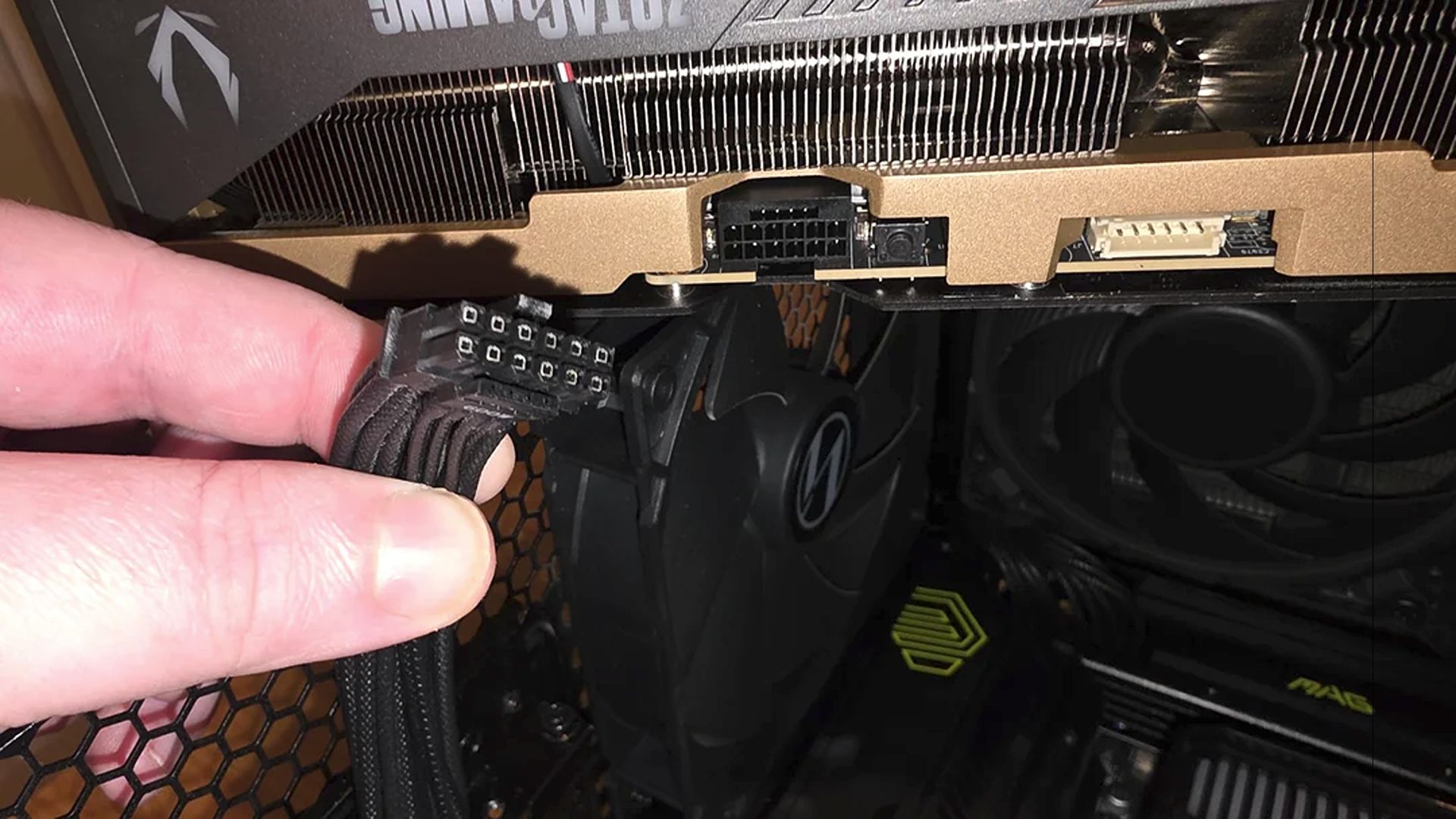
Next‑generation power supplies are intelligent protection devices that monitor GPU connectors in real time, detect dangerous heat buildup and selectively cut power before a cable melts or a graphics card fails catastrophically. That is a huge shift from old PSUs that simply pushed watts until something burned. The fear around GPU cable melting prevention was not born in a vacuum; the move to the 12VHPWR (12V‑2×6) connector brought regular stories of melted plugs and dead flagship GPUs, making builders paranoid for good reason. Yet blaming the connector alone is lazy. Many incidents trace back to poor power delivery, loose plugs and low‑quality PSUs. The new wave of designs, led by features like GIGABYTE’s T‑Guard, treat the power supply as the front line of defense, not an afterthought hidden in the case’s basement.
How T‑Guard and Cable Monitoring Stop Meltdowns
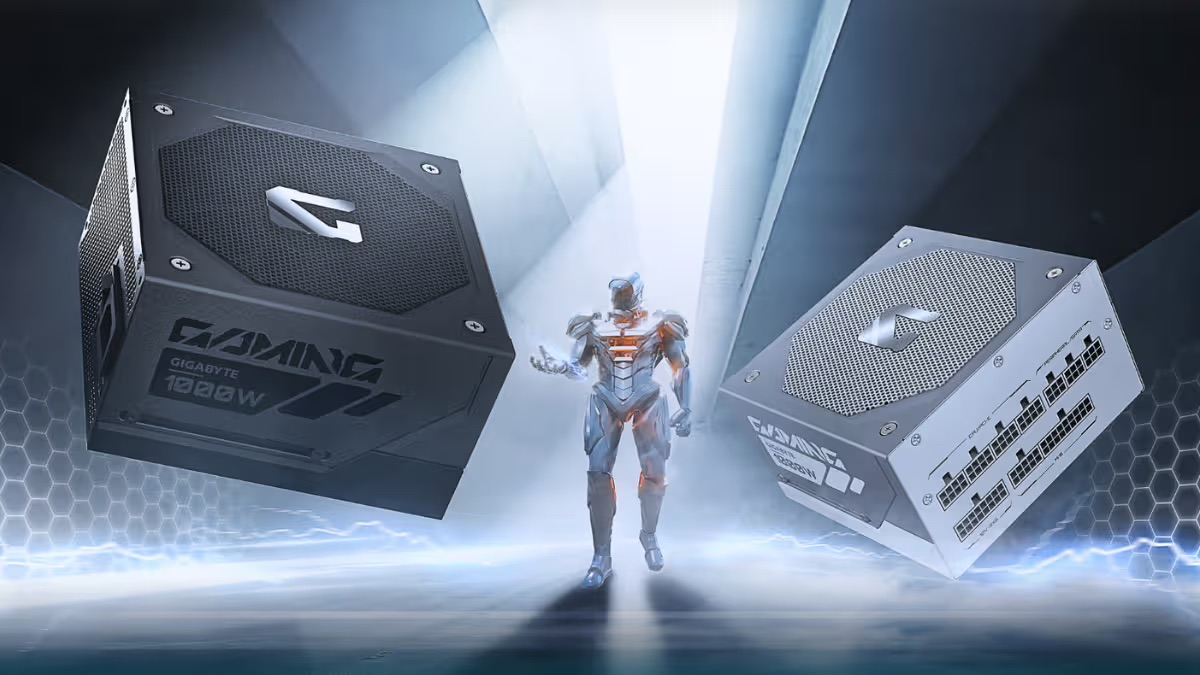
T‑Guard is a clear statement that connector safety is now a PSU problem, not only a cable problem. It is an active safety system built specifically for the newer 12V‑2×6 graphics connector and it continuously monitors the plug with built‑in temperature sensors instead of waiting for a failure. When it detects abnormal heat from a loose connection or excessive load, it alerts the system and starts protecting the hardware by reducing power only to the GPU, rather than killing the entire PC at once. That design matters in real use. You can keep the system running long enough to save work and, if your CPU has integrated graphics, you still get video output while the PSU throttles GPU power. In other words, power supply cable monitoring is finally being treated as a live safety feature, not a theoretical spec buried in marketing.
12VHPWR Panic: Design Flaw or Power Delivery Problem?
The 12VHPWR connector became a villain overnight, but that story is more complicated than a bad plug. Enthusiasts saw frequent reports of 12VHPWR (12V‑2×6) connectors melting and killing graphics cards, and paranoia set in. That created the impression that the connector itself was hopeless. Yet we now have high‑end cards going up in smoke while the 16‑pin plug remains pristine, with damage instead localised around the PCIe interface and components near it. Sometimes a short circuit triggered by PCB cracking or GPU sag does the damage, not the cable. The blunt truth is that “power cables are not the only danger, sometimes, the cards just go boom”. Builders who treat every failure as a connector design flaw miss the real lesson: power delivery is a system, and failures can come from poor support, bad seating, mechanical stress and marginal PSUs as much as from any one plug.
Why PSU Choice Matters More Than Ever for RTX 4090‑Class GPUs
If you are running an RTX 4090‑class card, your PSU is no longer a boring afterthought; it is part of your GPU’s life support. With expensive modern graphics cards and the real history of melting 12V‑2×6 connectors, the power supply is one of the few components you should not cheap out on. New units compliant with the latest ATX and PCIe standards, equipped with digital monitoring and temperature‑sensing 12V‑2×6 cables, materially change GPU cable melting prevention by catching heat spikes early. At the same time, proper installation and mechanical support still matter. Keeping power cables secure is only half the battle; ensuring the card is properly supported, maintained and cooled is just as critical. Treating PSU quality and cable integrity as first‑class requirements, rather than afterthoughts, is the difference between meeting RTX 4090 PSU requirements safely and gambling with a multi‑component failure.
Connector Safety Is a Shared Responsibility
The new generation of PSUs with features like T‑Guard proves that 12VHPWR connector safety is not doomed; it is evolving. These units monitor cable temperature, cut GPU power in a controlled way and give you time to respond instead of surprising you with a dead system and a burnt plug. At the same time, real‑world failures where the cable is untouched and the PCIe edge is scorched show that GPUs can fail from structural and mechanical problems as well as power cables. The takeaway is simple: power delivery and physical support belong in the same conversation. If you pair high‑end GPUs with high‑quality, monitoring‑equipped PSUs, use good cables, seat and support the card correctly, and stay within sane power targets, you turn a fragile setup into a resilient one. Ignore any of those pieces and you invite the next viral “card went up in smoke” post.