

Why Sunset Skies Blow Out and What You’re Aiming For
Sunset photography exposure is the process of controlling how your camera records the bright sky and darker foreground so you can prevent blown out sky areas while preserving sunset color and detail across the frame. In practice, blown highlights turn vivid clouds into flat white patches, while underexposed shadows lose important shapes and texture. Most cameras and phones default to protecting the darker foreground, which makes the sky look washed out and colorless. The goal is to expose for the highlights so the sky keeps its depth of color, then manage the rest of the scene in composition or post-processing. When you get this balance right, your sunset image feels natural and "alive" instead of dull or fake, and needs far less heavy editing later to look good.
The Two Big Mistakes That Kill Sunset Color
Before we walk through the how-to, it helps to recognize the two habits that ruin sunset color preservation. The first is letting your camera or phone expose for the dark land instead of the bright sky, which leaves you with a washed-out, colorless sunset because the highlights are blown and the clouds lose their detail. The second mistake happens later: dragging global saturation way up in editing to "fix" a weak file. That quick fix leads to muddy tones and a plasticky look that makes the photo feel heavily edited instead of believable. Vibrant sunsets come from good exposure, not loud color sliders. According to one source, "the photographers whose summer work looks effortlessly vivid aren’t pushing harder in post, they’re learning how to capture vibrant summer colors with better technique from the start".

Step-by-Step: A Reliable Exposure Workflow for Sunsets
Here’s a simple workflow you can follow like a checklist every time the sky starts to glow. It works for phones and for interchangeable-lens cameras, with a few differences in how you tell the meter what matters most.
- Decide the priority: dramatic sky or detailed foreground. If you care most about preserving clouds and color, be ready to let some foreground fall into silhouette so highlights stay intact.
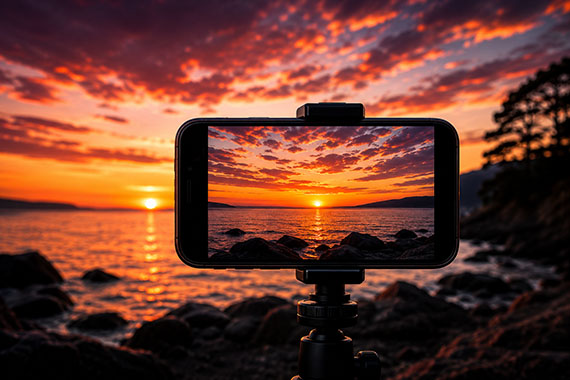
- Meter off the brightest part of the sunset. On a phone, tap on the brightest area of the sky to tell it to expose for the sky instead of the land. On a camera, point your meter at that bright area so your reading is based on the highlights.
- Lower the exposure slightly. After metering the sky, use your phone’s brightness slider to drag exposure down until the highlights aren’t blown and colors look rich. On a camera, dial exposure down a bit from the meter reading to protect the brightest tones.
- Embrace silhouettes when the foreground goes dark. Trees, people, and buildings become strong graphic shapes that focus attention on the color in the sky, instead of fighting for shadow detail that would cost you highlight detail.
- Keep the lens clean and keep shooting after sunset. A fingerprint can make the whole scene hazy, so wipe the lens before you shoot. Then stay 10–30 minutes after the sun drops, when some of the best oranges, pinks, and blues appear.
The hidden gotcha here is being afraid of dark areas. Protecting the sky is what prevents blown out sky and keeps sunset colors from turning into a flat white band. Letting some regions fall to shadow is not a failure; it’s part of the look.

How Phones Differ from Cameras and What to Fix in Post
Phones and dedicated cameras handle sunset photography exposure in different ways, but the core task is the same: controlling exposure metering techniques so the sky drives the decision. Phones tend to protect the darker foreground unless you tap on the bright sky, which is why a quick tap-and-slide is enough to preserve color and cloud detail instead of blowing it out. Larger-sensor cameras let you shoot in RAW, which keeps the full range of color and tone your sensor recorded and gives far more room to adjust later without degrading quality. When your exposure is slightly off, the safest post-processing recovery is to protect highlights and lift shadows, rather than pushing global saturation. In practice, that means keeping the bright parts of the sky from clipping, then gently brightening darker areas so the whole frame feels balanced while the sunset remains vivid.

Takeaway: Worth the Effort and What to Watch For
Learning to control sunset exposure is more rewarding than buying new gear: "The secret to better sunset photos isn’t a more expensive phone—it’s controlling the exposure". When you meter for the sky, prevent blown out sky highlights, and avoid heavy-handed saturation boosts, your files hold natural, believable color that needs minimal editing. The main things to watch for are hazy, dirty lenses and the urge to rescue every shadow detail at the expense of the sky. Trust that silhouettes and rich clouds can carry the story of the scene. With a bit of practice tapping on the sky or reading highlights in-camera, you’ll find your sunset images start to display deeper color and more shape in the clouds, and you spend far less time fighting with sliders later.