

Meta’s Withdrawal: From VR Kingmaker to Reluctant Platform
Meta VR funding withdrawal refers to the company’s decision to scale back direct investment in VR game development and metaverse content, shifting its Reality Labs resources away from blockbuster titles and toward wearable devices such as smart glasses and other hardware, forcing the wider VR gaming ecosystem to adapt to the loss of its dominant financial backer.
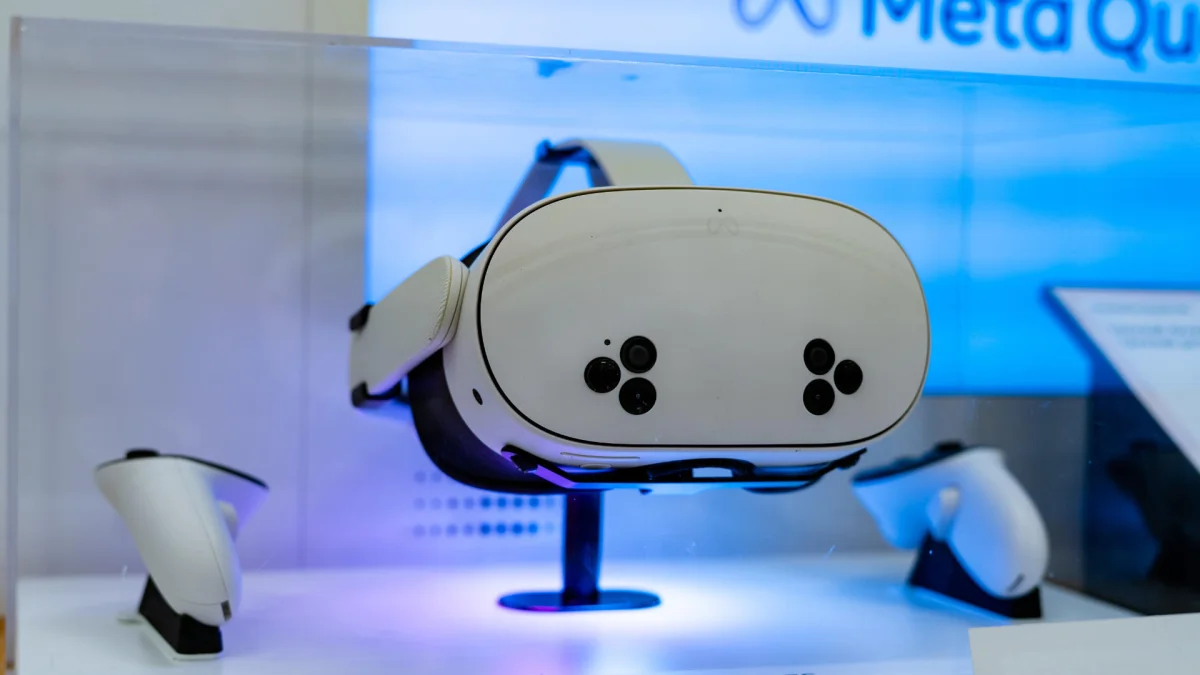
The pivot became explicit when a Meta spokesperson announced a shift in investment away from the metaverse and toward wearable devices, accompanied by around 1,500 layoffs in Reality Labs, roughly ten percent of the division, with many cuts hitting VR gaming. Three in-house studios—Armature, Sanzaru, and Twisted Pixel—were shut, while Camouflaj was reduced to a skeleton crew moved elsewhere. This was not a minor restructuring; it marked the end of Meta’s internal VR game development and exposed how dependent the market had become on a single entity. Meta’s CTO later insisted the company had not given up on VR, citing multiple next‑generation headsets in development and promising more news at Connect. But the message is clear: Meta will remain in VR hardware while retreating from the role of VR gaming’s primary patron.
The VR Game Development Crisis: When the Kingmaker Leaves
Meta’s retreat created what amounts to a VR game development crisis: an ecosystem built around one sponsor suddenly had its oxygen cut off. Meta still employs more people in VR development than all other players combined, yet it not only stopped its own game projects, it also reduced funding and publishing support for external studios. When the top financier pulls back, the ripple effects are brutal. Hundreds of VR developers lost jobs, and some studios closed outright. One CEO spoke openly of a "lack of platform funding" and pointed to the core issue: "the most important financier withdrew overnight."
This shock is hitting a market that had already overextended during the Quest 2 boom, when Meta sold more than 20 million units and poured more and more money into content and teams. Large-budget narrative blockbusters modeled on Hollywood are now widely seen as unsustainable in VR; they cost too much for a still‑niche audience. The result is what many call a new "VR winter," triggered by Meta’s disinvestment. Ordinary players feel it as fewer cinematic tentpole games and more focus on safe multiplayer and casual titles in Meta’s store. The era of VR blockbusters, at least underwritten by one giant, is over.
Why Meta Moved: Losses, AI Hype, and Smart Glasses
The timing of Meta’s VR gaming investment shift is not mysterious; it sits at the crossroads of financial reality and strategic fashion. Reality Labs has racked up around USD 73 billion (approx. ₱4.09 trillion) in losses since Meta began reporting it separately, with one recent quarter bringing in USD 402 million (approx. ₱22.5 billion) in revenue against USD 4 billion (approx. ₱224 billion) in losses. From a cold economic viewpoint, continuing to subsidize high‑risk VR blockbusters looks irresponsible. According to a former Meta Developer Relations leader, the move “has very little to do with VR and more to do with AI,” as the company sees generative AI as a better investment than spatial computing.
Meta’s platform metrics were not disastrous—over 100 titles reportedly grossed more than a million dollars in 2025, and in‑app purchases rose by about ten percent—but headset shipments fell 42 percent in the same period. Growth in the wider XR market is now driven by smart glasses, and Meta intends to put most Reality Labs funding into that area. While Meta has funneled nearly USD 150 million (approx. ₱8.4 billion) into external developer programs to strengthen partners, it is clear the company wants to be a more passive platform operator, not the primary bankroll for ambitious VR gaming. Hardware like the teased Phoenix spatial computing headset—expected to cost more than USD 1,000 (approx. ₱56,000) and target prosumers and enterprise users—confirms a shift toward premium devices rather than mass‑market game machines.

New Money, New Models: Filling the Funding Vacuum
When Meta stepped back, it did not leave a neatly prepared funding ladder in its place; instead, the market is improvising. Meta wants to strengthen external developers through partnerships rather than direct ownership, investing nearly USD 150 million (approx. ₱8.4 billion) into such programs in 2025. But that money is spread across a wider set of teams and comes with less guarantee of blockbuster budgets. Meanwhile, the publishing and support work Meta is scaling down is beginning to be picked up by new outfits. One example is Dark Arts Syndicate, founded by three former Meta staffers to provide publishing services for VR studios.
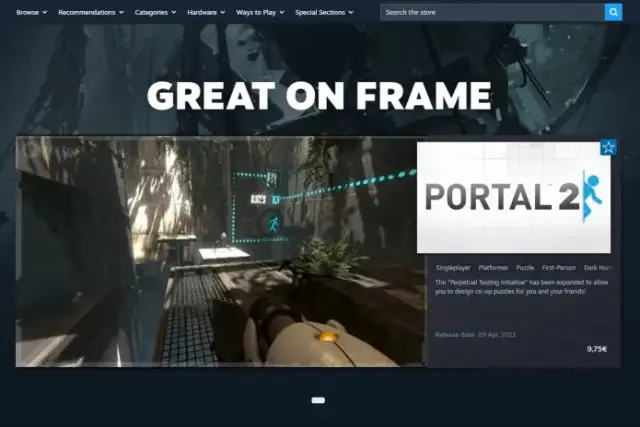
This is the start of a more pluralistic VR gaming investment landscape. Smaller funds, specialized publishers, and platform‑agnostic support services are emerging because they have to: an ecosystem tied to a single corporation was never stable. Other hardware players are also stepping forward. Valve’s upcoming Steam Frame headset already has a “Great On Frame” section highlighting games that run well on it, signaling a more curated but multi‑publisher future. Outside headsets, even XR‑adjacent companies such as a Chinese startup making camera‑free AI glasses are raising USD 150 million (approx. ₱8.4 billion) rounds and crossing into unicorn territory, showing investor enthusiasm is migrating toward lighter, AI‑infused wearables. The VR gaming investment story is no longer Meta‑centric; it is being rewritten by a constellation of smaller, hungrier players.
What This Transition Means for Players and Developers
The VR industry transformation now underway is messy but necessary. For developers, the immediate reality is harsh: reduced platform funding, fewer large‑budget narrative bets, and a scramble to find sustainable backers. The "Great VR Die‑Off"—studios closing, projects cancelled—hurts real people and shrinks creative ambition. Yet it also clears out a market distorted by years of subsidies that favored scale over resilience. Survivor studios will be forced to design games that can stand on their own economics instead of relying on platform cheques.
For ordinary players, the shift means fewer cinematic action blockbusters like "Metro Awakening" and more focus on multiplayer and casual experiences tailored to younger audiences. VR game development priorities are moving toward repeatable, lower‑risk formats—fitness, social hangouts, competitive arenas—while expensive one‑off spectacles fade. At the same time, new hardware like Valve’s Steam Frame and Meta’s future Phoenix headset promise technical progress without guaranteeing mass adoption. As one commentator notes, Phoenix will not sell 20 million units like Quest 2, so the road to a VR spring remains long. In my view, that is healthy: an industry that grows slower, with diverse funding and smaller but steadier hits, is more likely to endure than one permanently ballooned by a single benefactor. Meta’s pullback hurts now, but it may be exactly the shock VR gaming needed to grow up.