
Posing Sequences: The Missing Link in Strong Event Photos
Event posing techniques are structured sequences of directed positions and micro-adjustments that blend stillness and movement so photographers can guide people through flattering subject positioning while staying ready to capture natural expressions, peak action, and unforced storytelling moments across weddings, portraits, and dance floors.
If your event work swings between stiff formals and chaotic dance shots, the problem is not your camera; it is your lack of a repeatable posing sequence. Wedding pose ideas and dance photography posing often get treated as separate skills, but they share a core: you direct the body while timing the moment. Bridal portraits demand elegance, while dance photography is about motion and impact, yet both fail without clear direction and anticipation of what happens next. When you start thinking in sequences instead of single poses, you keep subjects moving, confident, and relaxed—and your camera stays ready for real emotion instead of forced smiles.
Bridal Sequences: Shape, Hands, and Chin Before Expression
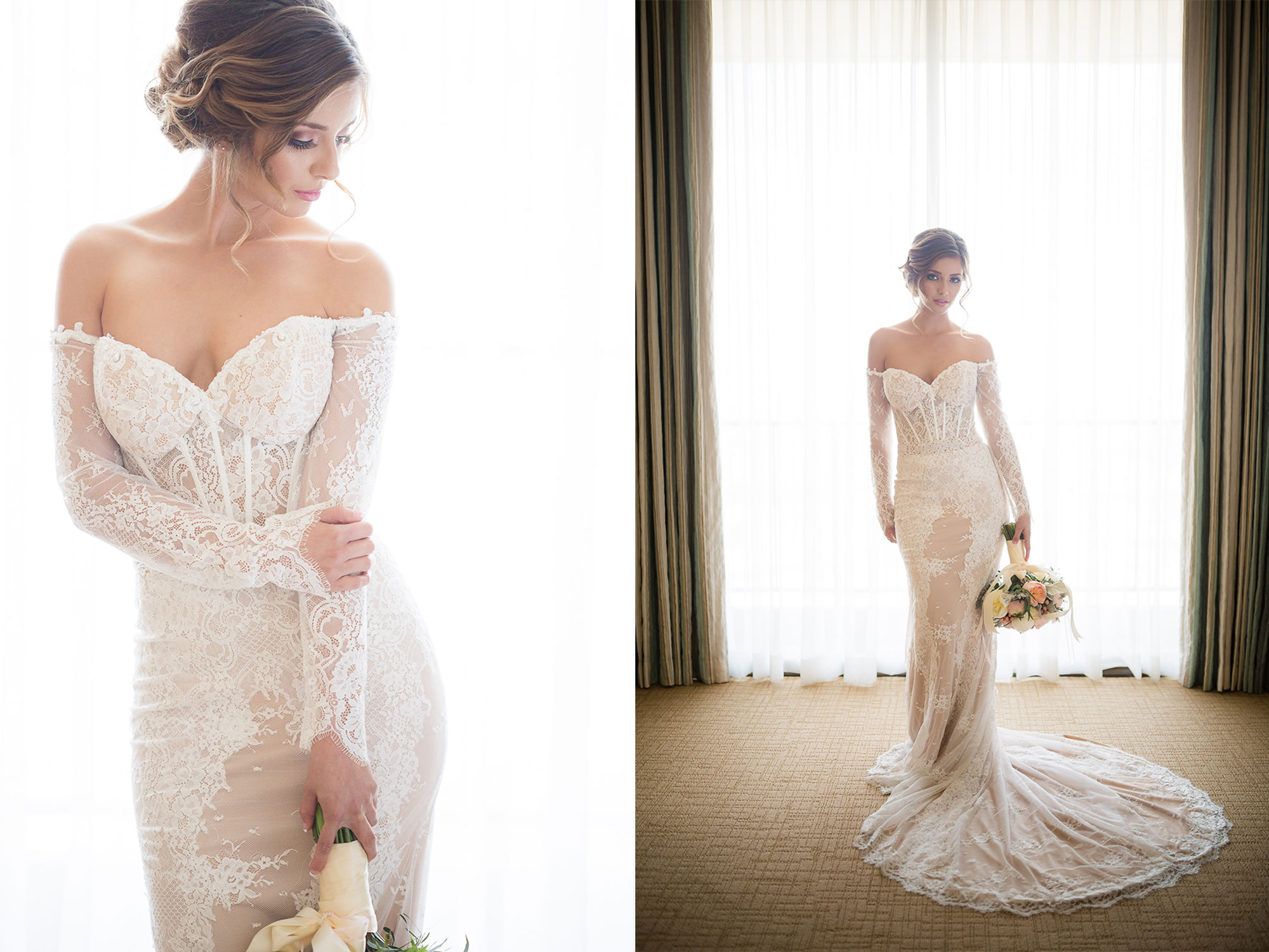
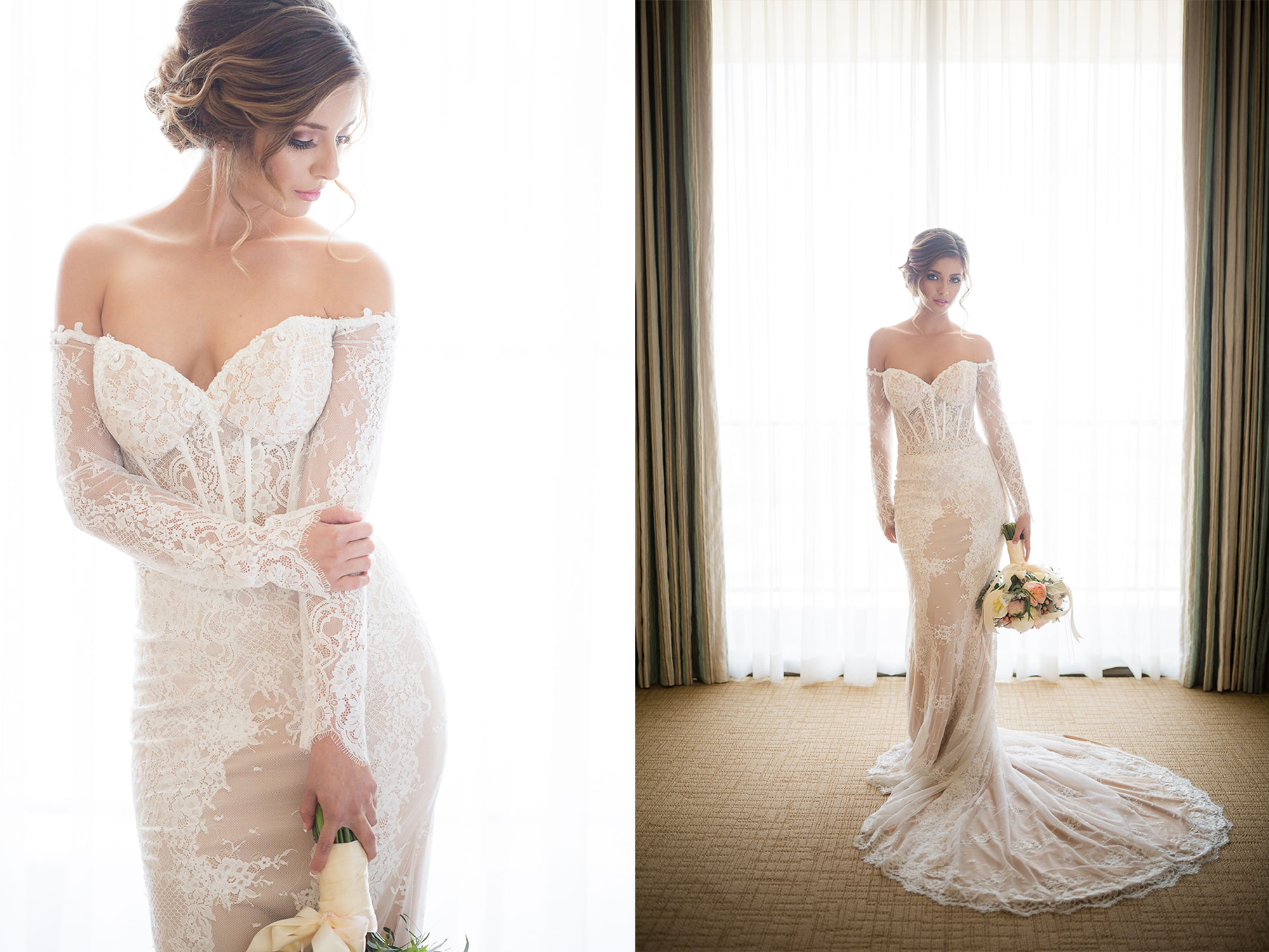
Bridal posing should not begin with “Say cheese,” it should begin with structure. A narrow stance, a gentle hip kick, and a straight spine build a flattering, feminine pose by shaping the body before you even address expression. From there, think of your wedding pose ideas as small, logical steps rather than new setups: full-length standard standing pose, slight angle shift, bouquet adjusted, then hands and chin refined.
Elegance lives in the details. Create arm space so the dress and figure have shape and avoid letting hands dangle; hands should be “posed with purpose or at rest.” For the classic back-of-the-dress look, turn the bride away and have her look over her shoulder, making sure the chin is separated from the shoulder to keep facial symmetry. Directional cues such as “chin down, eyes up” for softness or “chin up, eyes down” for power give you control over mood without changing the entire setup. The more you standardize these cues, the less time you spend fixing awkward angles in post.
Stillness Inside Motion: Dance Posing for Peak Moments
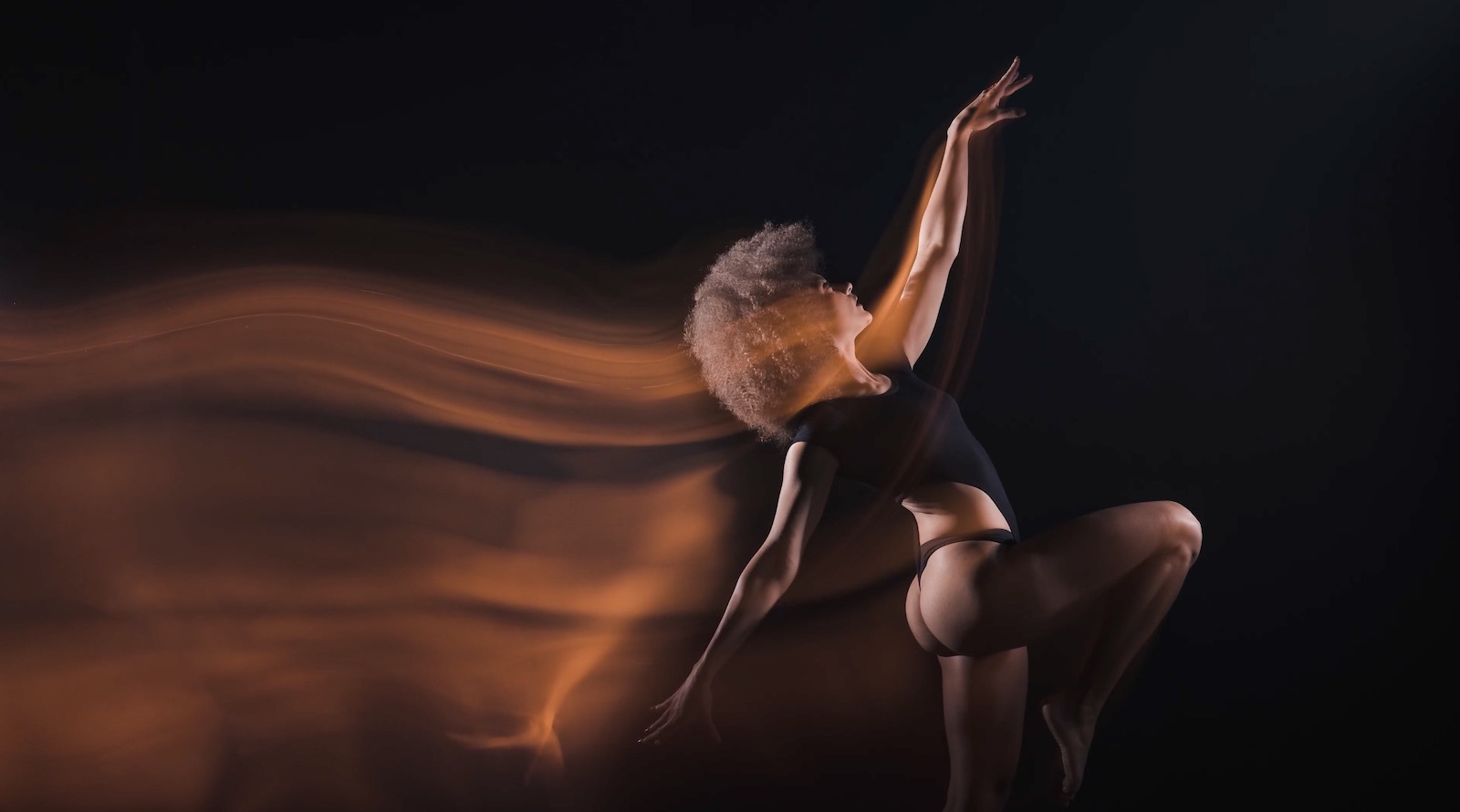
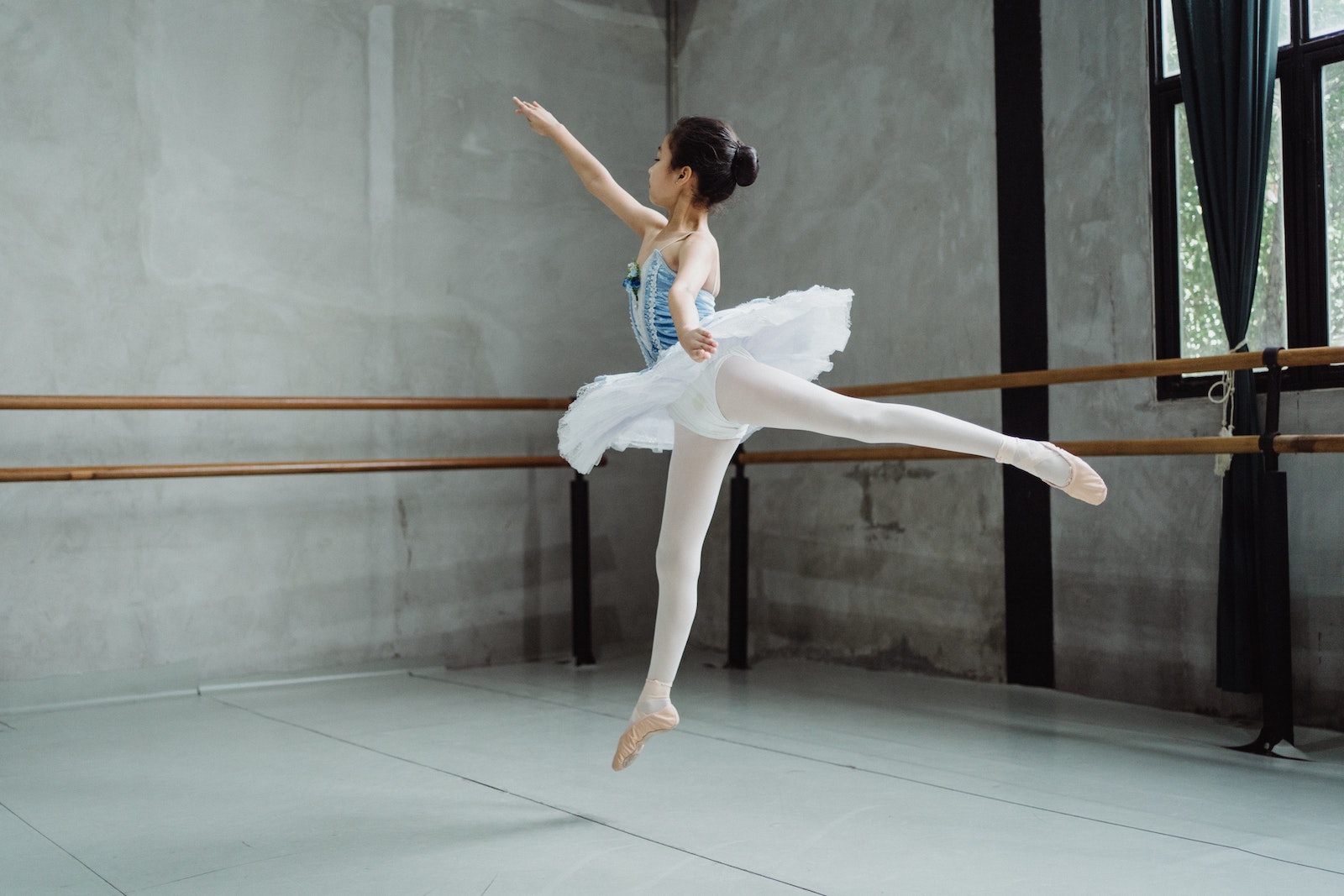
Dance photography posing is not about freezing every move; it is about predicting where the most meaningful stillness will appear inside the motion. Dance photography is a unique and challenging genre that captures the grace, fluidity, and energy of dancers in motion. Whether you are photographing a stage performance, a street battle, or a first dance, your priority is to anticipate rather than react.
Before the performance, study the space and watch any available warmup so you can anticipate movements and marks and make more informed decisions about timing and composition. Work with a fast shutter speed such as 1/500 second or faster when you want sharp, detailed motion, or slow it down around 1/4 to 1/2 second when you intentionally want blur and flow. One of the most valuable habits is to “capture moments of stillness” even in dance-focused coverage, because these quiet beats—pauses, held lines, eye contact—give structure and emotional clarity to the sequence. Treat these still moments as your posed anchors inside a moving story.
Using Timing and Composition to Make Poses Feel Unposed
The biggest difference between stiff and natural event images is not the pose itself; it is when and how you frame it. Dance photography demands attention to timing and composition as much as technical settings. The same is true for bridal portraits: you can direct the bride into a flattering angle, but the photograph sings when you trigger the shutter as a genuine expression passes across that pose.
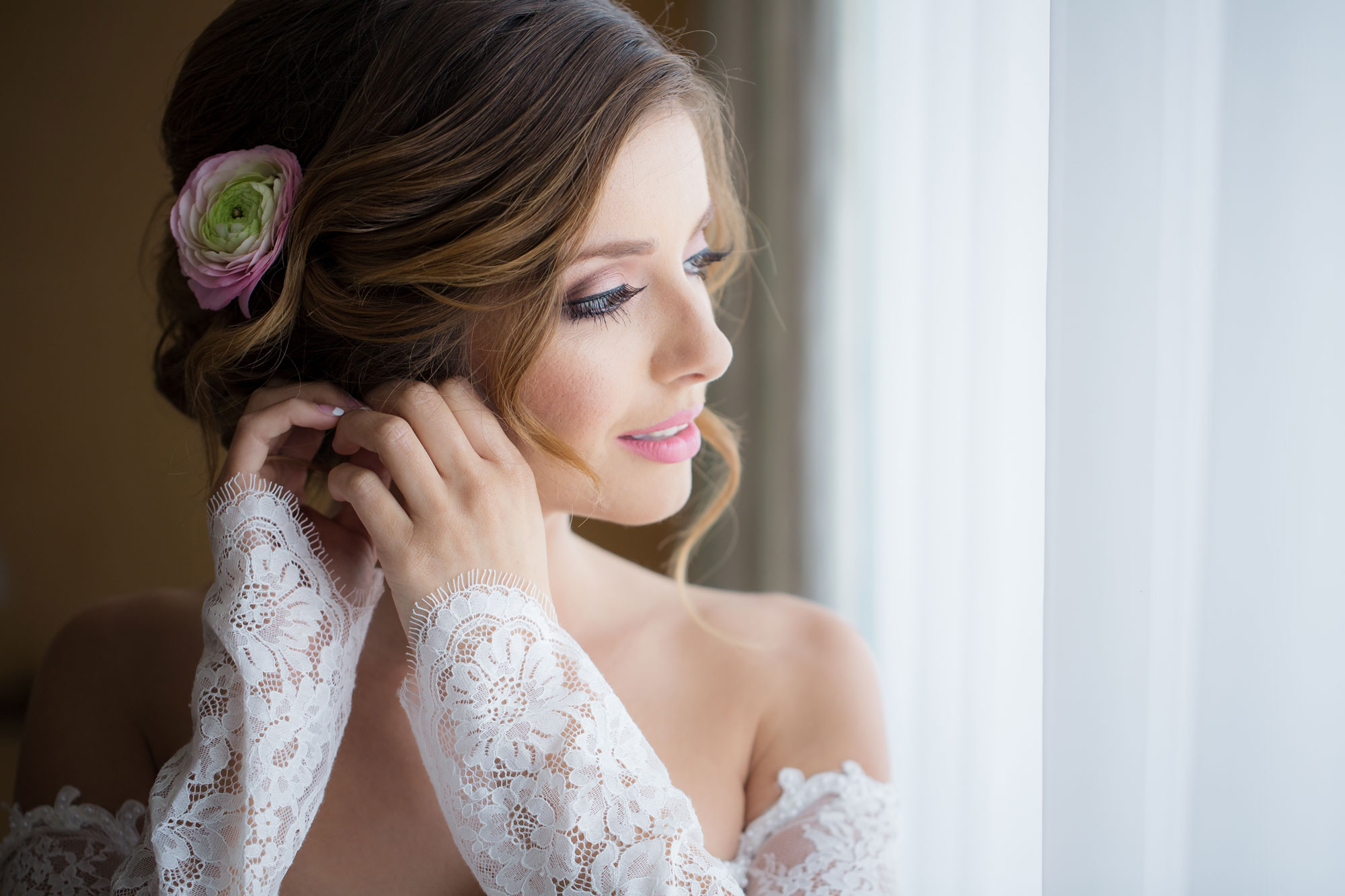
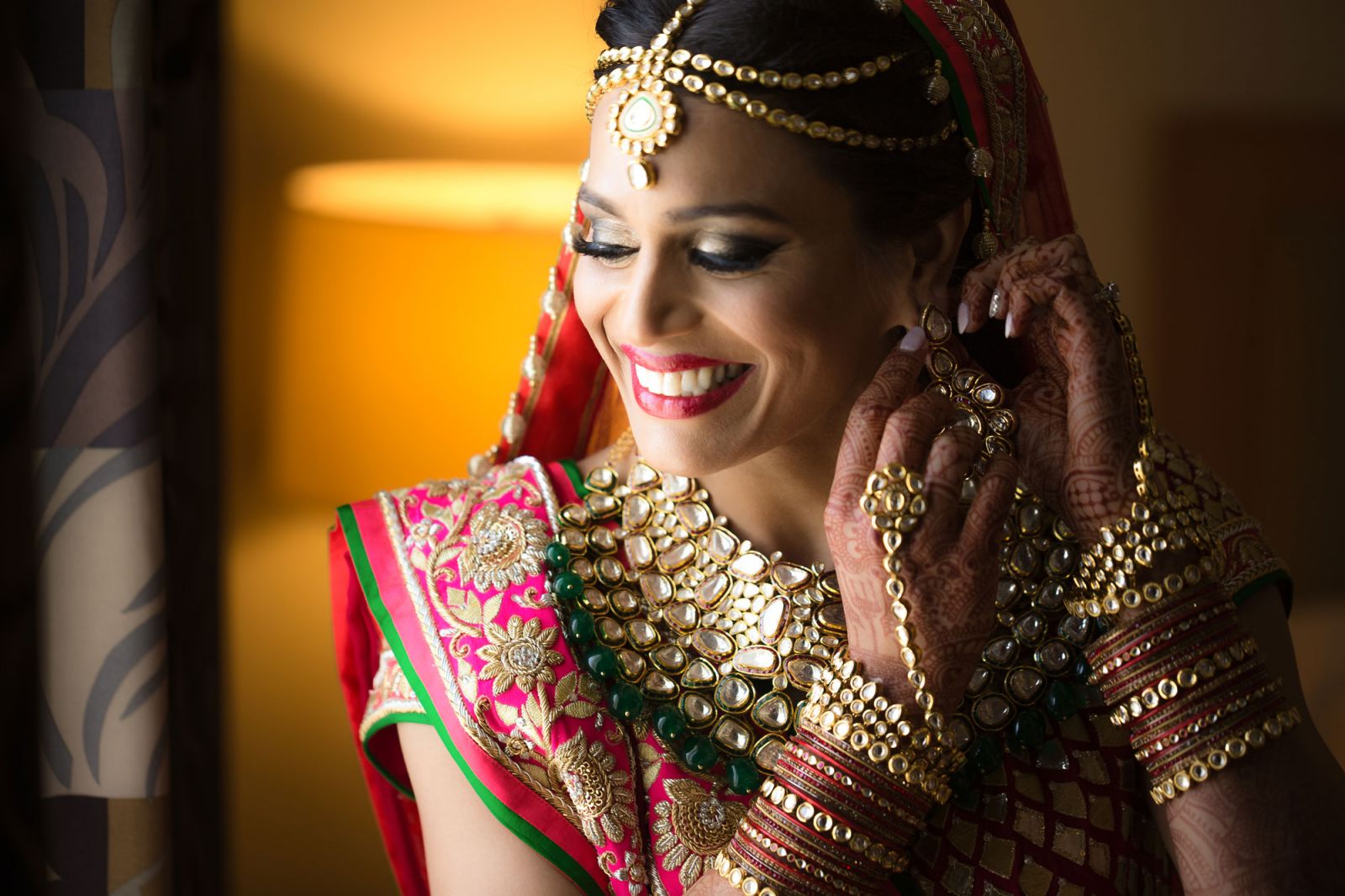
Use actions—fixing earrings, adjusting a necklace, putting on shoes—as chances to blend journalistic capture with guided posing by placing the subject in good light and then instructing them lightly. This keeps their joints relaxed so the pose feels natural. For dance, get close to the action in wide, medium, and tight variations so you can tell a complete story with your sequences instead of relying on a single spectacular frame. When you consistently pair simple direction with thoughtful framing, your event posing techniques stop looking “posed” at all and start reading as intentional, lived-in moments.