
Printed OLED: A Display Upgrade Driven by Manufacturing Change
Inkjet-printed OLED for laptops is a display manufacturing approach that deposits organic light-emitting materials directly onto the panel substrate using inkjet-style processes, reducing production complexity and cost compared with traditional OLED fabrication while improving yields, brightness potential, and efficiency across mainstream computing screens. That matters because display technology has quietly become the bottleneck for meaningful laptop upgrades. Processors and graphics chips keep getting faster, but many users still stare at dull, washed-out panels that waste all that power. Inkjet OLED technology attacks the problem at its source: how OLED displays are made, not just how they perform. By stripping out a chunk of the expensive, fragile manufacturing steps that defined early OLED, printed OLED makes it realistic to put top-tier visual quality in devices that are not luxury flagships—and that shift will reshape expectations for every new laptop you consider buying.
How Inkjet OLED Differs from Traditional OLED—and Why You Should Care
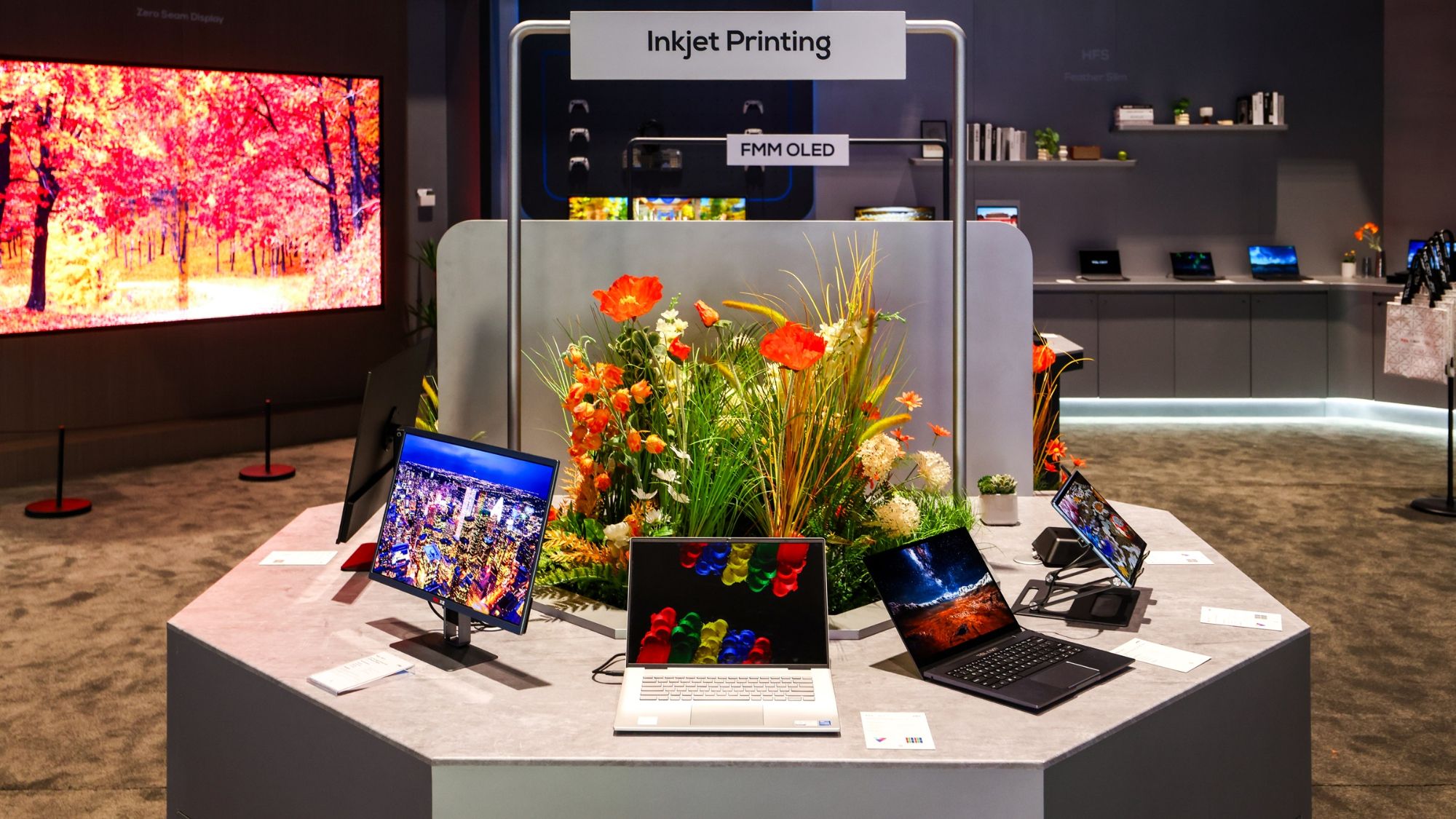
Traditional OLED display manufacturing leans on vacuum thermal evaporation (VTE), a process that relies on expensive equipment and wastes a lot of material as organic compounds are evaporated and deposited through fine masks. Inkjet OLED technology, by contrast, applies those materials directly and more precisely, which cuts costs and simplifies production. The main advantage of inkjet printing over VTE is its lower cost and easier manufacturing, which raises the yield of usable panels. In plain terms, more good screens roll off the line instead of ending up as scrap. For users, this is not an abstract factory story; it is the reason printed OLED laptops can pair high-end specs—240 Hz refresh rates and wide color coverage—with a path toward more modest retail pricing. As component prices rise in other areas, a cheaper way to build premium displays is one of the few real levers left to keep laptops accessible.
Lenovo Legion R9000P: The First Printed OLED Laptop Raises the Bar
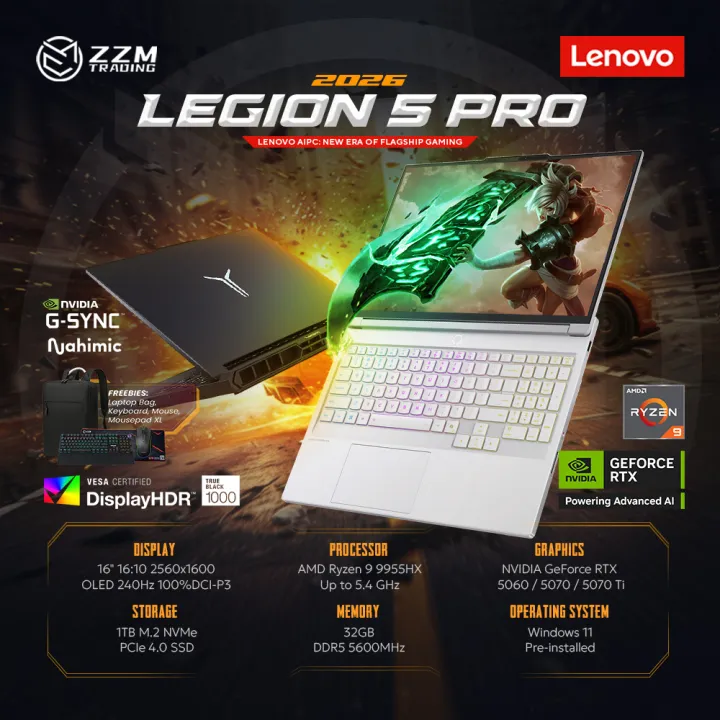
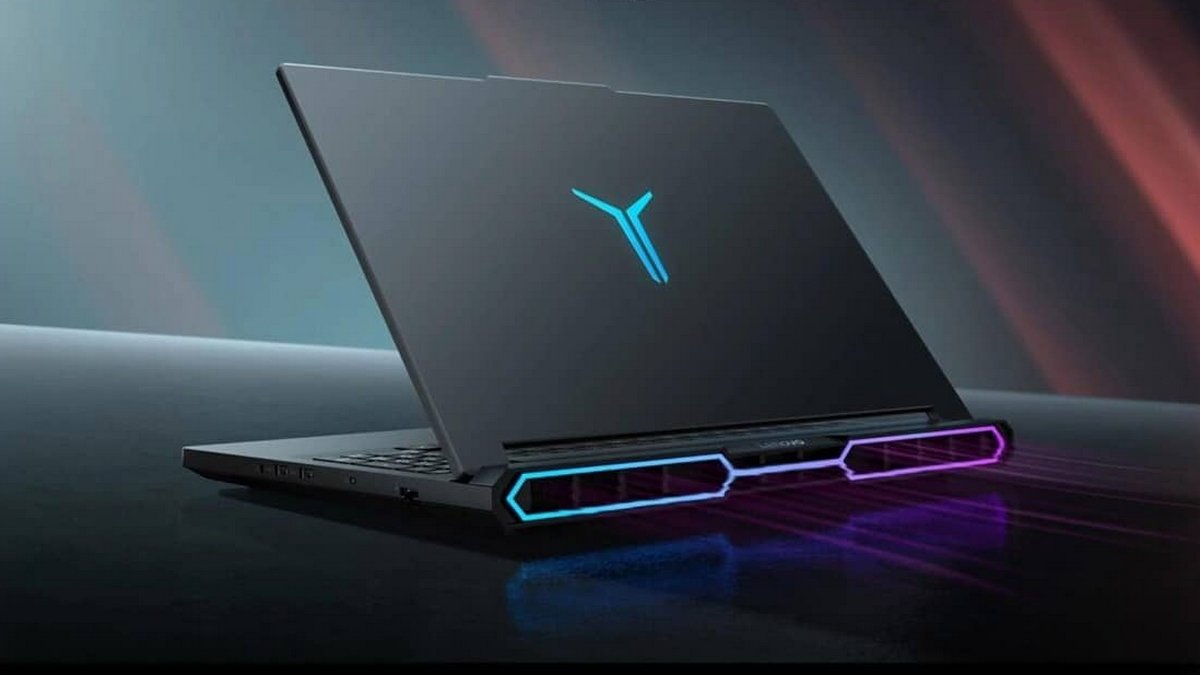
The Lenovo Legion R9000P is the first laptop to ship with TCL CSOT’s inkjet-printed OLED panel, and that alone makes it more than another gaming notebook. It establishes printed OLED laptops as a commercial reality instead of a lab demo. The 16-inch IJP OLED screen runs at 240 Hz and covers over 99% of the DCI-P3 color space, specs that belong in high-end desktop monitors, not a portable machine. A standard RGB strip layout aims to deliver crisper images and sharper text, making the Legion R9000P as relevant to content creators and productivity users as it is to gamers. Lenovo calls it the first device to integrate TCL CSOT’s technology, marking a milestone on the way to full-scale use of next-generation displays. We should treat this laptop like an early warning: premium OLED visuals are about to stop being a niche gaming indulgence and start becoming the default expectation.
Real-World Benefits: Color, Speed, Brightness and Everyday Use
Specs only matter if they change what you see and how you use your machine. With inkjet OLED technology, they do. A 240 Hz refresh rate with 99% DCI-P3 coverage means smoother motion and more accurate color, whether you are gaming or grading video. The standard RGB strip layout helps text stay sharp at typical laptop viewing distances. TCL CSOT’s printed OLED panels also promise higher brightness than conventional OLED, addressing a long-standing weakness of OLED laptops that struggled in sunlit rooms or outdoor use. That brightness advantage is especially important for mobile devices, which constantly face changing lighting conditions compared with stationary TVs and monitors. Add thinner displays enabled by more efficient manufacturing and you get machines that are lighter, more immersive, and less compromised. Instead of choosing between great color and practical usability, printed OLED aims to give you both in the same screen.
Beyond Gaming: How Printed OLED Could Rewire the Laptop Market
The biggest impact of printed OLED laptops will not be a single flagship like the Legion R9000P; it will be the wave of ordinary devices that follow. If inkjet OLED becomes an industry standard, it can cut the retail price of premium gaming OLED monitors, which currently offer some of the best color and contrast but remain pricey. Once those costs drop, there is no reason OLED has to stay confined to top-tier gaming rigs. Expect it to spread to productivity laptops, student machines, and creative workstations where color accuracy is as important as frame rates. TCL CSOT has already been mass-producing 5.5-generation IJP panels since 2024 and is building 8.6-generation lines, proving this is not vaporware. Experts anticipate the same technology reaching TVs and smartphones, making OLED competitive with QLED and Mini LED and paving the way for budget phones with screens that rival today’s flagships. In short, printed OLED is on track to turn “premium display” into a baseline, not a luxury.