
Street Photography Confrontations: What’s Really Going On
A street photography confrontation is any moment when someone notices your camera in a public space and asks what you are doing, often with worry or suspicion but more often out of curiosity, and how you respond determines whether the encounter becomes conflict, conversation, or even connection. Street photography lives in that tension between candid moments and human reactions. If you walk around long enough, someone will see you shooting and speak up. That’s not a failure; it’s part of the practice. Preparation matters more than bravado here. When you understand public photography ethics, you can explain your intentions without going on the defensive. The real caveat: you can’t hide behind the lens forever. At some point you become part of the scene, and your choices—words, posture, tone—will either defuse fear or trigger it.
The Biggest Mistakes That Trigger Street Photography Confrontation
Before talking about what to do, it helps to face what makes these moments harder than they need to be. The two most common mistakes are avoidance and deception. When you are spotted and your first instinct is to hide the camera, slouch, or pretend you were checking your screen, you make it look like you were doing something wrong. That posture triggers suspicion and invites the very reactions you were afraid of, undermining street photography confidence before you even open your mouth. Deception—claiming you weren’t shooting, or inventing a fake assignment—has the same problem. Once someone feels lied to, trust evaporates. According to the source, "Sneaking away keeps you behind the barrier" and turns an ordinary question into a tense moment. The paradox is that the more you try to disappear, the more conspicuous you seem.
A Step-by-Step Way to Handle Being Confronted in Public
Think of this like talking a friend through an awkward conversation. You’re not aiming to win an argument; you’re aiming to show you’re a person, not a threat. Preparation is internal—knowing why you shoot candidly and how that fits with your public photography ethics. The rest is small, practical moves that turn an anonymous lens into a neighbor.
- Pause and face the person. Don’t hunch, hide your camera, or walk away mid-question; stay where you are and look at them.
- Relax your posture and smile. A calm stance and an open expression show you are approachable, not sneaky or hostile.
- State what you’re doing in plain language: for example, “I photograph everyday life in the city, and I was interested in this scene.”
- Answer follow-up questions briefly and honestly—what you shoot, whether you’re local, whether this is for a project—without overexplaining.
- Respect their feelings: if they remain uncomfortable, offer not to use the image or to move on, and then follow through.
- Close the interaction on a human note—a thank you, a compliment, or a short chat if they’re open—before returning to your work.
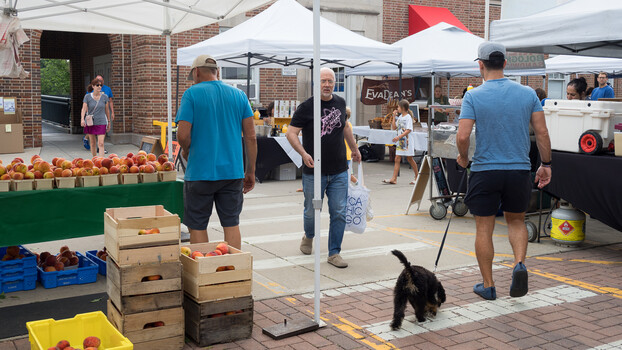
This sequence matters. Each step shows vulnerability and transparency instead of defensiveness. When someone at a market questioned a photographer about his camera work, he stepped forward, admitted he wasn’t on official duty, and explained he was trying to do more street. The conversation shifted from suspicion to small talk, and ended with a free falafel and mutual goodwill. That kind of respectful dialogue turns handling difficult subjects into a chance for connection rather than conflict.
Balancing Candor, Ethics, and Your Artistic Vision
Most worries about street photography confrontation come down to ethics: privacy, consent, and whether candid work is moral at all. People may ask why you didn’t speak first, or suggest that talking is the only ethical way to shoot. The reality is more nuanced. When you step in and start a conversation, the photograph changes; the moment becomes about your interaction as much as about them. Candid street photography aims at those brief, unposed moments that belong entirely to the people living them, without your presence shaping the scene. Respecting that doesn’t mean ignoring human discomfort. Ethical street photography means balancing your artistic vision with real human respect and clear communication when you’re questioned. You don’t have to judge other photographers’ paths, but you do need to know why you follow yours and be ready to explain that calmly when asked.
Turning Fear into Street Photography Confidence
We imagine the worst: a hostile crowd, an angry subject, the world stopping to stare. In practice, the expected result is usually much softer. When you get spotted, the outcome is rarely a shouting match; more often, it is curiosity and a few questions. Our brains are wired to guard against threats and will exaggerate social danger, especially around cameras and strangers. For street work, that protective instinct can lie to you, keeping you behind an invisible barrier. For me, "street photography has never been about avoiding people. It's about allowing life to remain itself for just long enough to become a photograph." The more you own the moment—standing your ground, being open about what you’re doing—the less frightening it becomes. It won’t always end with a delicious free falafel, but being open even when you feel exposed is worth it. Watch for your urge to duck away; that’s usually your cue to step forward instead.