
An Older Ryzen Wins the Popularity Contest
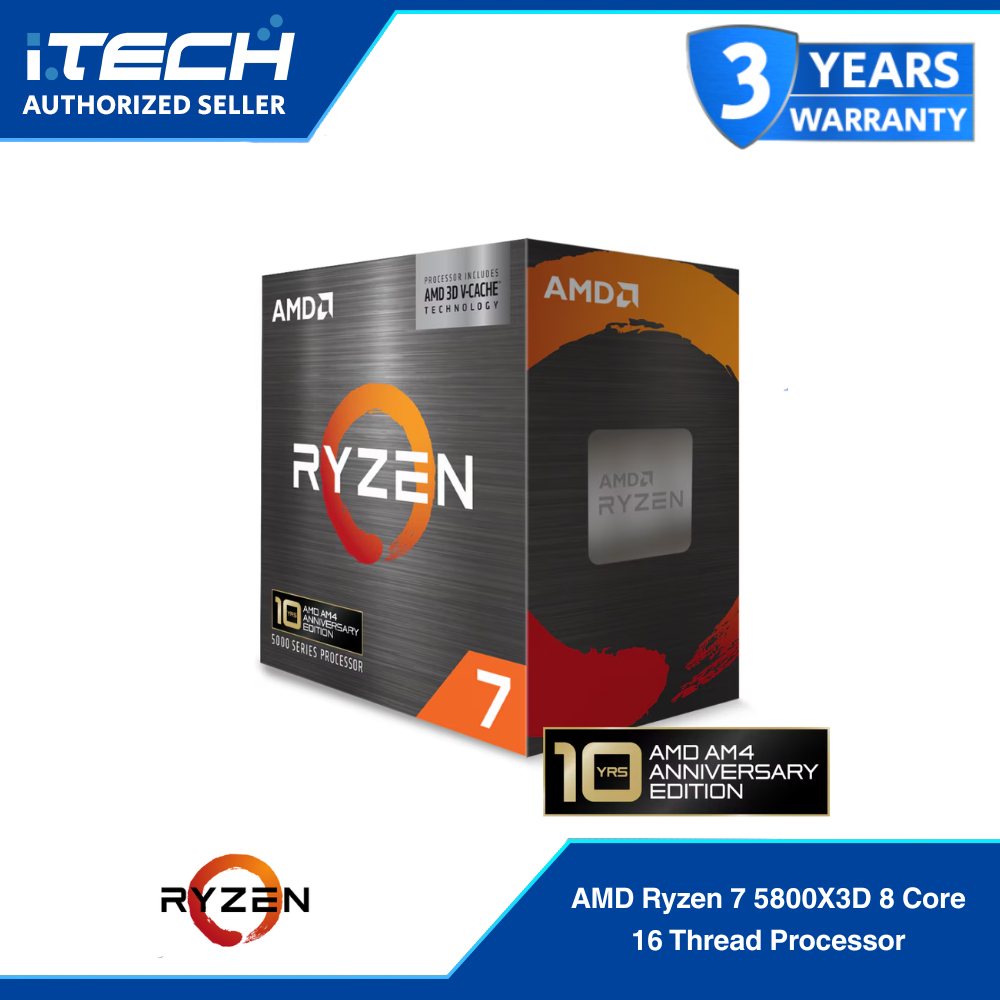
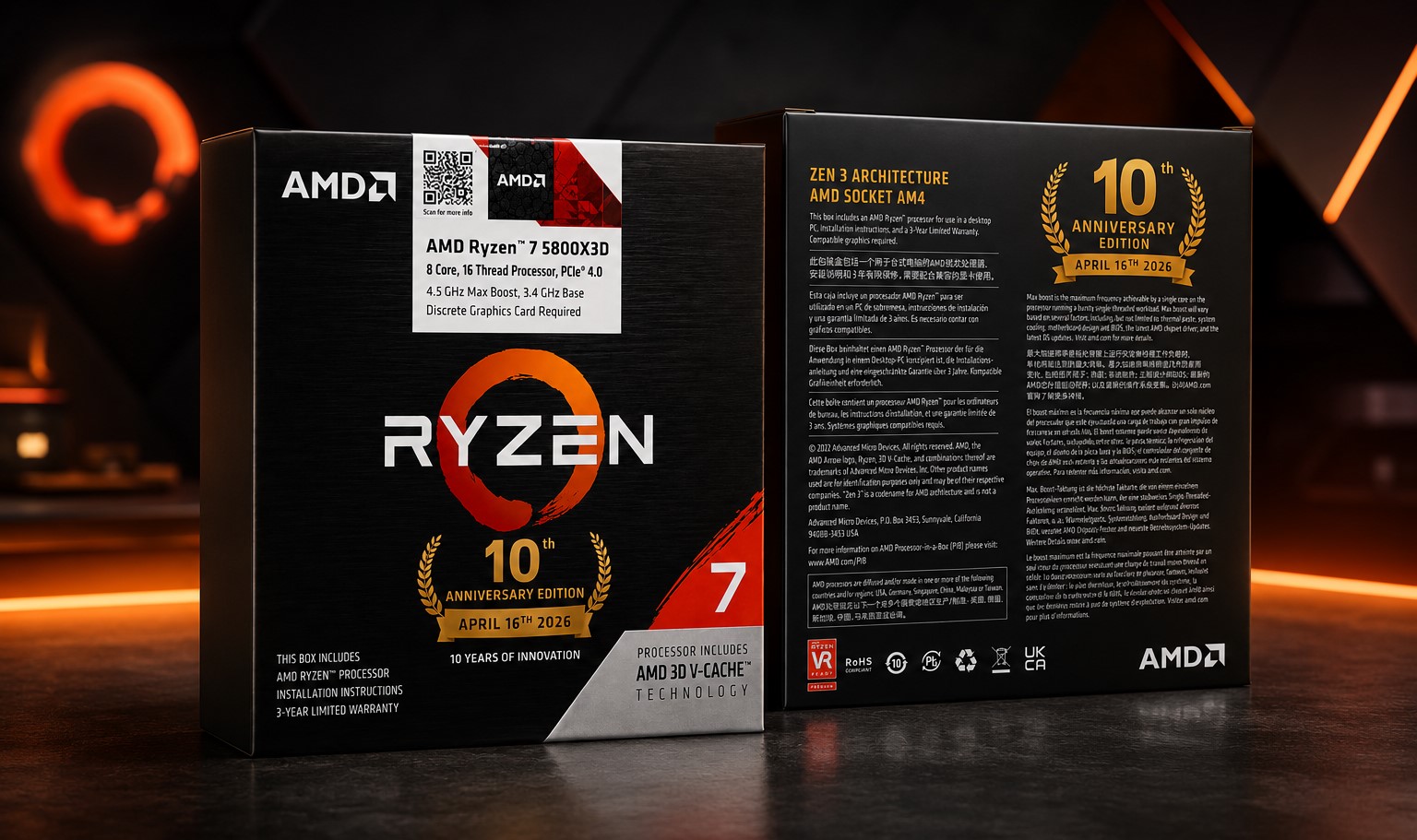
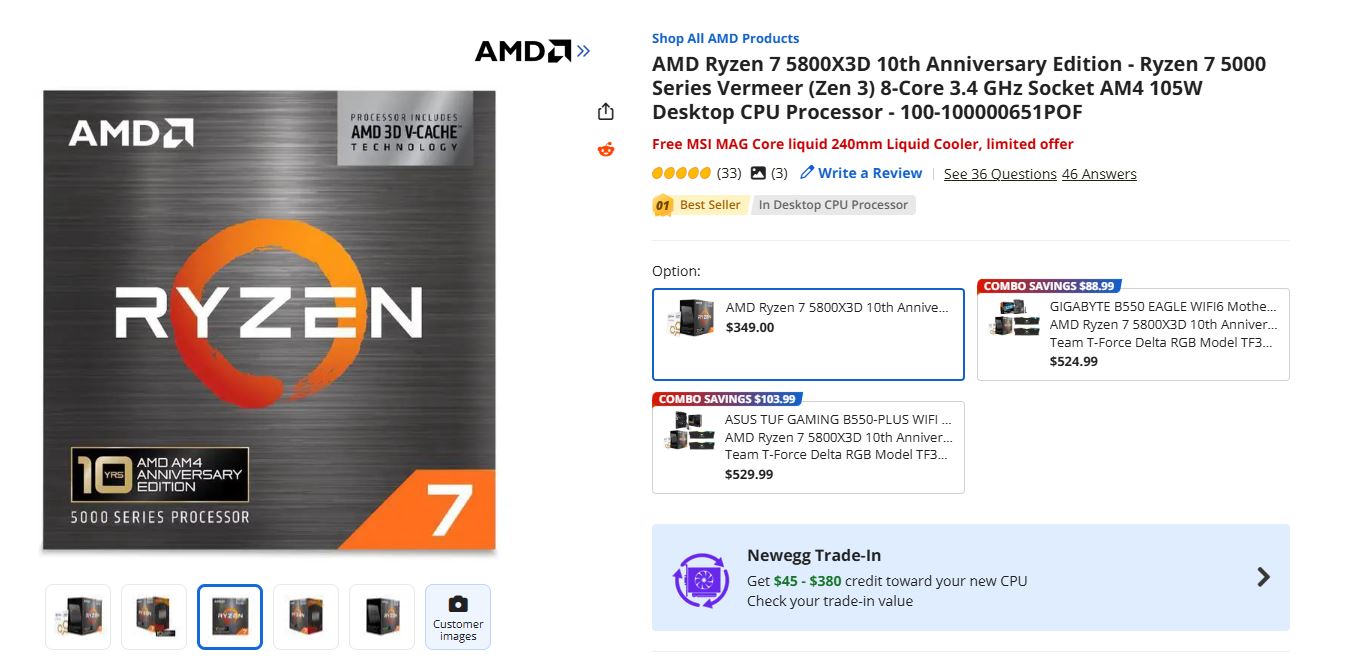
The debate around Ryzen 5800X3D vs 7800X3D is about more than raw performance; it illustrates how DDR4 platform value and AM4 socket advantage can outweigh spec sheets and clock speeds in real-world budget PC building decisions, driving buyers to an older CPU that fits their existing systems instead of a faster chip that demands costly new memory and motherboards. The key takeaway is blunt: the total platform bill, not the benchmark chart, decides what ends up in most gaming rigs. A month after the launch of the Ryzen 7 5800X3D 10th Anniversary Edition, it has surged into the top tier of popular processors on major retailers’ best‑selling lists. On Amazon, this rereleased chip sits at fourth place, ahead of the newer Ryzen 7 7800X3D in fifth, even though both sell for roughly USD 349 (approx. ₱20,000). That older Zen 3 design is also number one on another big retailer’s CPU chart, confirming this is not a one‑store fluke.
The DDR4 Platform Advantage: Budget Wins Over Bragging Rights
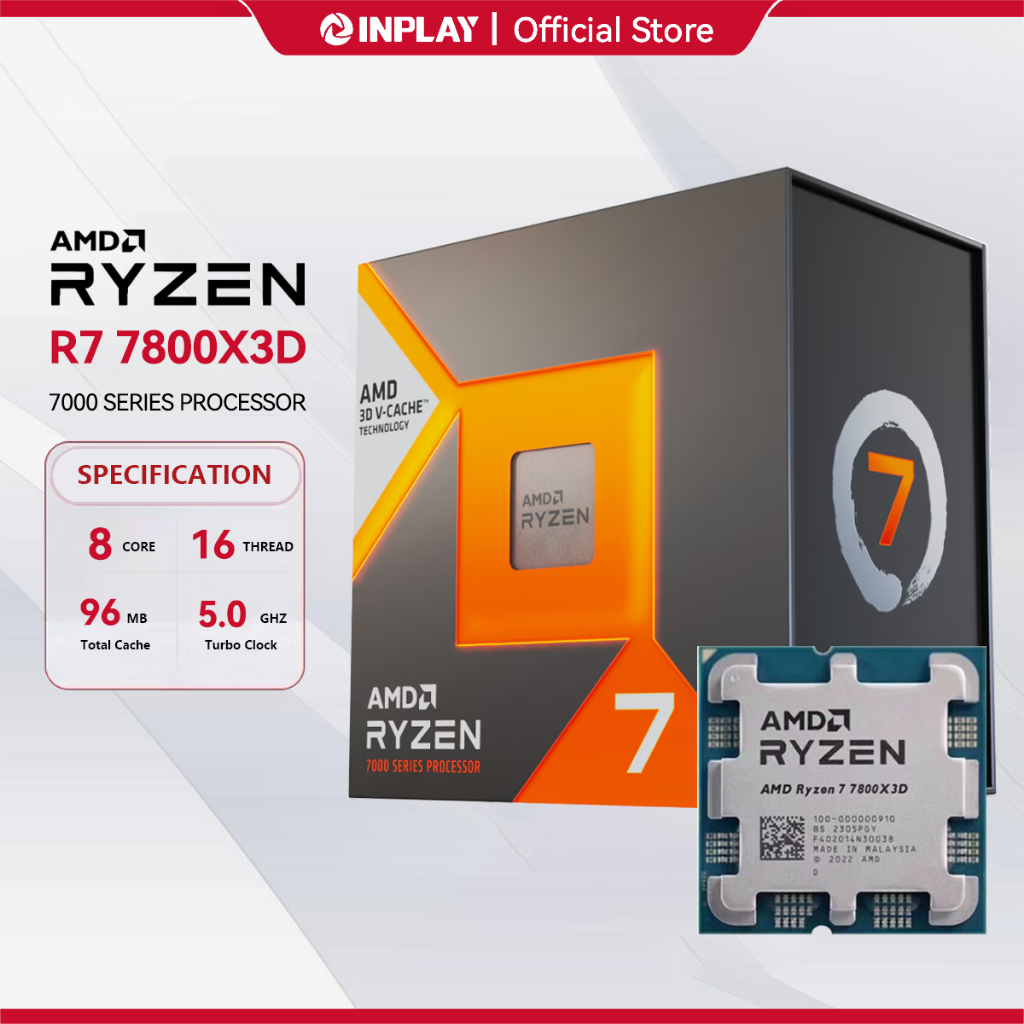
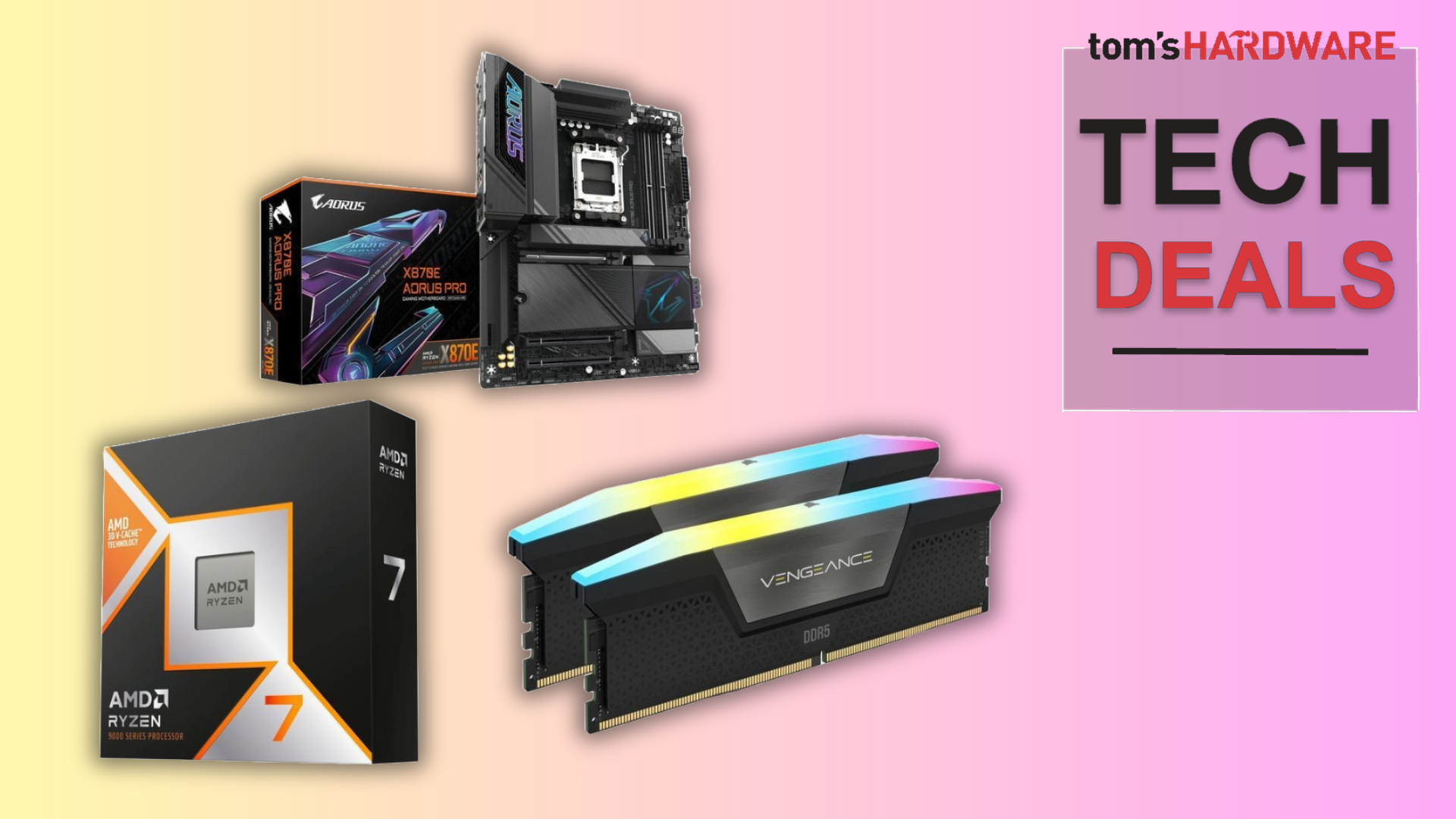
If you look only at silicon, Ryzen 7 7800X3D should dominate: it is the faster gaming CPU, with modern architecture and more cache. Yet the rereleased 5800X3D outsells it at the same price point because buyers are doing platform math, not frame‑per‑second fantasy. According to one hardware report, “In just one month, the Ryzen 7 5800X3D managed to sell around 3,000 units, while the 7800X3D trailed behind with 2,000 units shipped.” The reason is simple and painful: DDR5 RAM prices are high, while millions of gamers already own DDR4 on AM4. Upgrading from an older Ryzen to a 5800X3D means keeping existing memory and often the same motherboard, slashing the true upgrade cost. Moving to a 7800X3D means paying for the CPU, a new AM5 board, and DDR5 during a “RAMpocalypse” of elevated prices. For value‑conscious builders, that is a bad deal dressed in future‑proof marketing.
Record-Low 7800X3D Pricing Still Can’t Fix Platform Economics
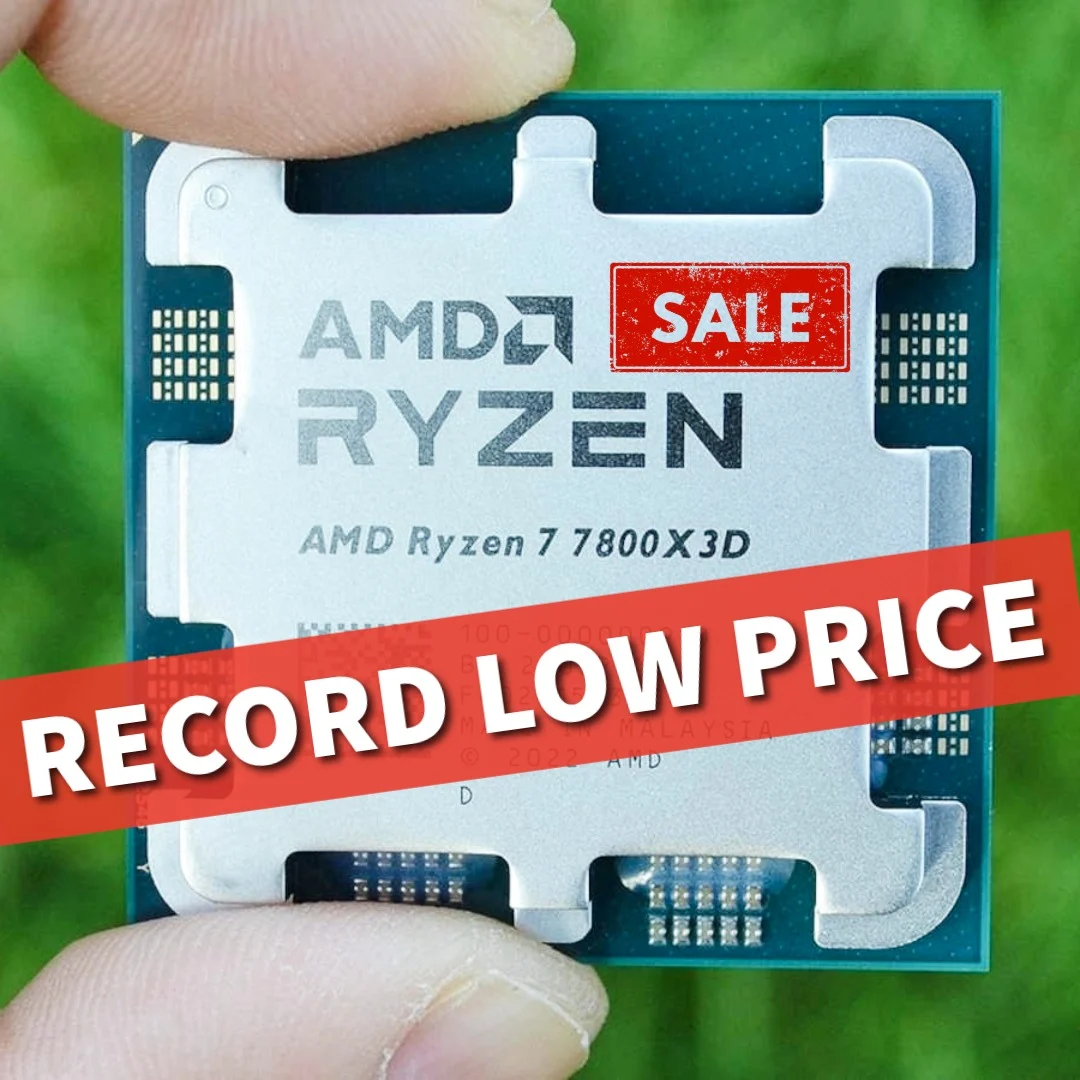
To compete, the Ryzen 7 7800X3D has plunged to its lowest recorded price on one major retailer, dropping to 286 units of local currency and cutting 36% off its original launch MSRP. In the US, it now sells for about USD 348.99 (approx. ₱20,100), compared with a typical average price of USD 373.26 (approx. ₱21,500). Meanwhile, the rereleased 5800X3D is offered at 314.99 units of that same local currency—over 28 more than the faster 7800X3D. This is an unusual inversion: the weaker, older CPU not only keeps pace in pricing but commands higher sales volume. That should embarrass anyone who insists “newer is always better.” In reality, platform transition costs are crushing AM5’s appeal. You can discount a CPU heavily, but if users still need expensive DDR5 and a new board to use it, the effective outlay remains higher than a drop‑in AM4 upgrade. The sales numbers show buyers understand that difference very well.
AM4 Socket Advantage: Maturity Beats Hype
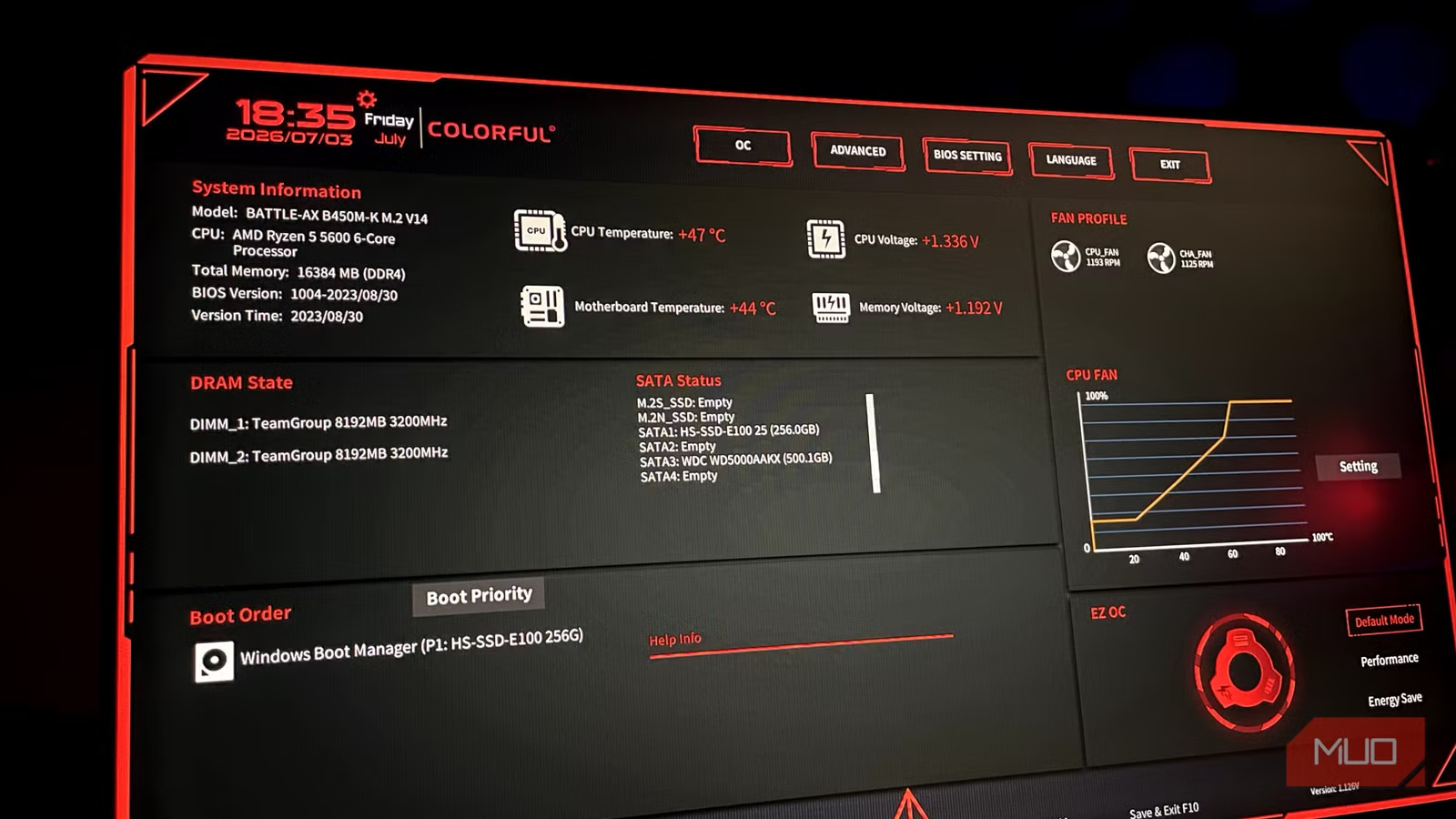
The AM4 socket advantage is not sentimental; it is financial. AM4 is a mature ecosystem with abundant, affordable boards and a vast installed base. Millions of gamers worldwide still run AM4 systems, and many are now stepping up from earlier Ryzen chips to the best gaming option that fits the socket, the 5800X3D. For them, staying put on AM4 avoids the premium that comes with AM5 boards and DDR5 RAM in the current market. Retailers see this demand and sweeten the deal. One listing even includes a free 240 mm AIO cooler with the 5800X3D at USD 349 (approx. ₱20,000), making the package more attractive than a bare CPU on a costlier platform. The broader lesson is clear: no matter how elegant AM5 looks on a slide deck, mature platforms with lower total ownership costs will keep winning among budget‑oriented builders until RAM and board prices come back down.
What Budget Builders Should Do Now
For anyone planning a gaming PC upgrade, the current landscape forces a blunt choice. If you already own an AM4 rig with DDR4, the smart play is to embrace the DDR4 platform value and ride the AM4 socket advantage as long as you can. Dropping in a Ryzen 7 5800X3D gives you top‑tier gaming on that platform without paying the AM5 and DDR5 tax. If you are building new or already have DDR5—say from a 12th‑gen Intel system or an entry‑level AM5 chip—then the discounted 7800X3D is the better long‑term bet. Its performance lead is real, and in those cases the platform cost is already sunk. But the wider story is unmistakable: budget CPU pricing cannot be judged in isolation. Until memory prices cool and AM5 boards reach AM4‑like affordability, older Ryzen CPUs will keep outselling newer models because they respect the most important spec of all—a builder’s wallet.