
Vintage cameras for street photography: what we’re comparing
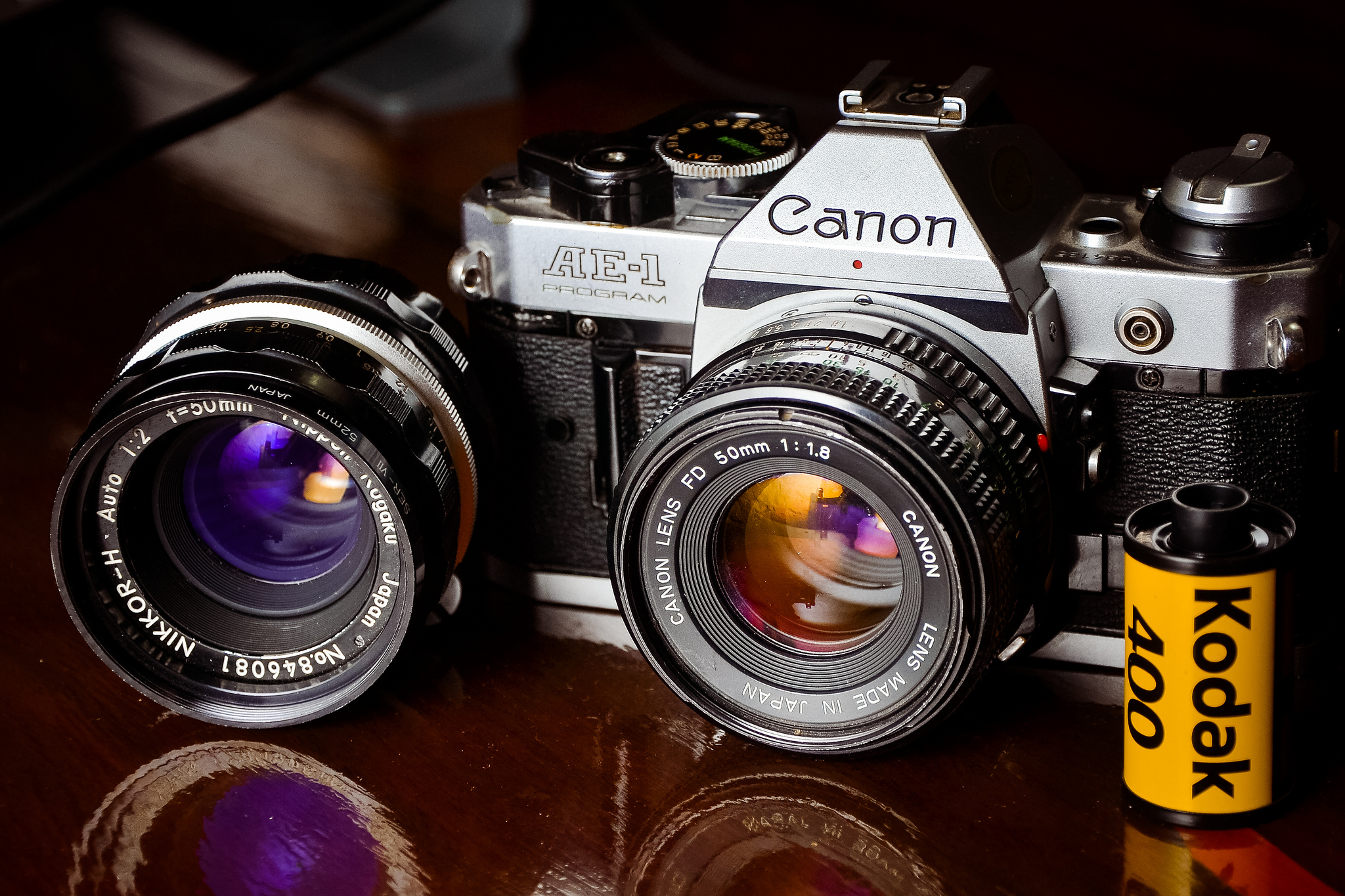
Vintage cameras for street photography are older film or film-like cameras that offer manual controls, durable construction, and straightforward operation, giving photographers a slower, more intentional way to work that emphasizes composition and timing over automation and high frame rates. In practice, two standout examples are Leica rangefinder-style compacts and classic 35mm SLRs such as the Canon AE-1, both of which remain popular choices alongside modern budget digital cameras for people who want to learn photography and shoot life on the streets. If you care most about learning strong composition and owning gear that can survive daily use, a vintage Leica-style compact or a Canon AE-1 will serve you better than many entry-level digital bodies. The budget digital option suits those who need instant sharing and convenience; the classic cameras reward patience and craft and fit photographers willing to embrace film or slower shooting. Below is a focused Leica rangefinder comparison against the Canon AE-1, using a representative modern Leica XE compact that mimics old rangefinders and the long-lived AE-1 film SLR.
| Spec | Leica XE (rangefinder-style compact) | Canon AE-1 (35mm SLR) |
|---|---|---|
| Format / medium | APS-C digital sensor with JPEG and DNG RAW output | 35mm film camera using Canon FD lenses |
| Lens / mount | Fixed 24mm f2.8 lens built into the camera | Interchangeable Canon FD lens mount, multiple focal lengths available |
| ISO range | Up to ISO 12,500 with usable results at ISO 12,800 | Supports film speeds from ISO 25 to 3200 via ISO dial |
| Autofocus / focus aids | 11 AF points plus single point, face detection, spot and manual focusing options | Manual focus through optical viewfinder; exposure automation via internal CPU |
| Shutter range | Electronic shutter suitable for everyday street shooting (exact range not specified) | Focal plane shutter from bulb up to 1/1000s; 1/60s flash sync |
| Power | Rechargeable battery with USB connectivity for transfers | One 6V battery rated to just under one year of use |
| Launch price | Currently available at about USD 1,100–1,500 (approx. ₱61,600–₱84,000) | Launched at USD 250 (approx. ₱14,000), 40% cheaper than rival cameras at the time |
Leica XE: modern digital convenience with a vintage street feel
If you want vintage cameras street photography vibes without leaving digital, the Leica XE is the closest thing to a bridge between eras. Its design feels a lot like old rangefinders, with a compact body, top-mounted controls, and a tactile focusing dial that encourages you to think about focus and framing rather than menu diving. The fixed 24mm f2.8 lens is a natural field of view for street work, and the 16MP APS-C sensor from Sony delivers solid RAW files with impressive shadow detail and attractive high-ISO black-and-white rendering at ISO 12,500–12,800. Autofocus is competent, but for candid work with pre-set zones and anticipation, the XE lets you switch to zone focusing or manual focus—which is better for street photography. At about USD 1,100–1,500 (approx. ₱61,600–₱84,000), it costs a fraction of the company’s luxury models while providing a stylish, durable tool that still stands up as an everyday city camera. Photographers who want digital files, classic handling, and a compact package will find it a persuasive alternative to plastic entry-level DSLRs. One quotable takeaway is that the XE retains “lots of shadow details but not so much from the highlights,” making careful exposure especially important for street shooters.
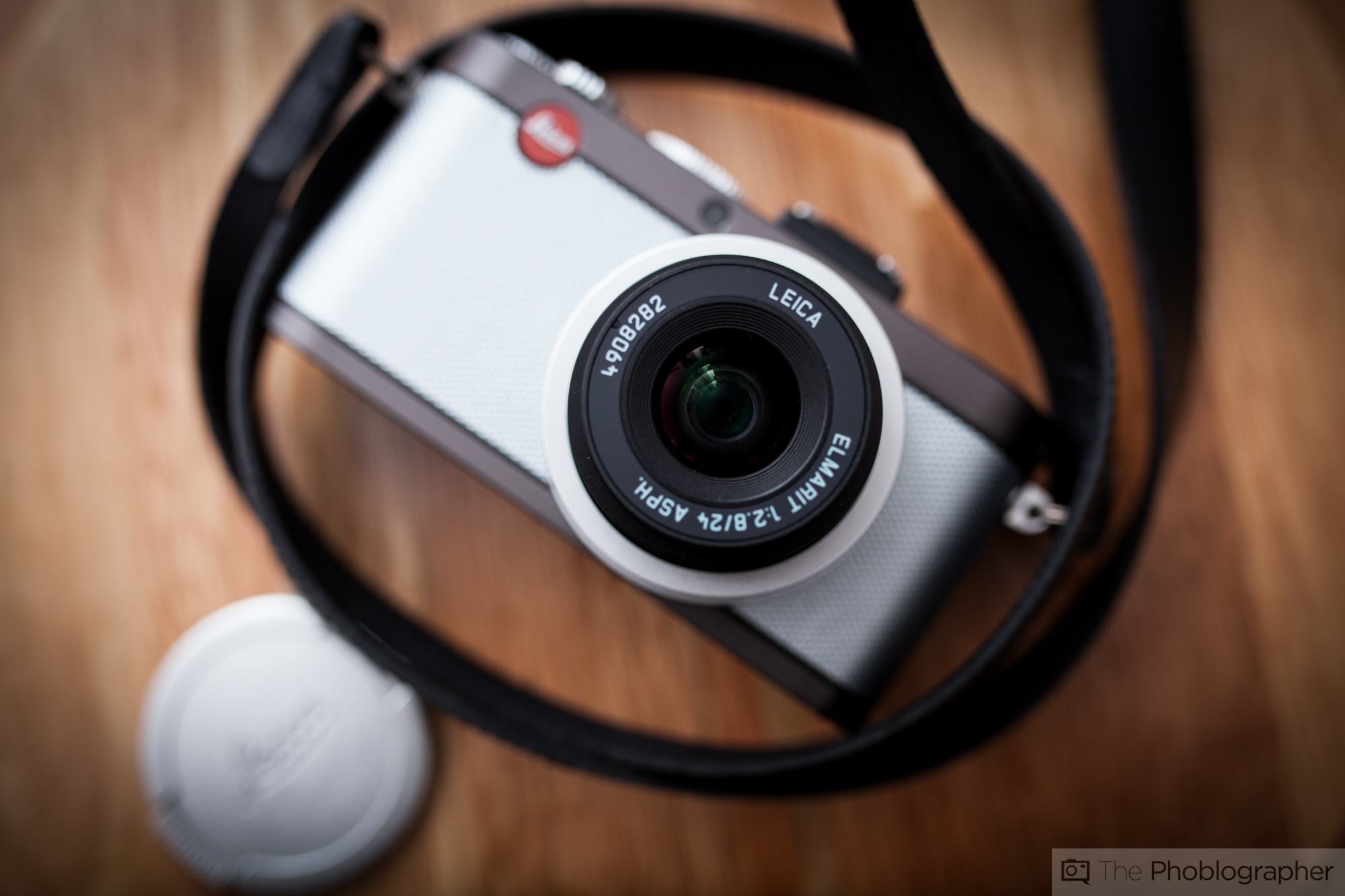
Canon AE-1: film discipline and 50-year durability
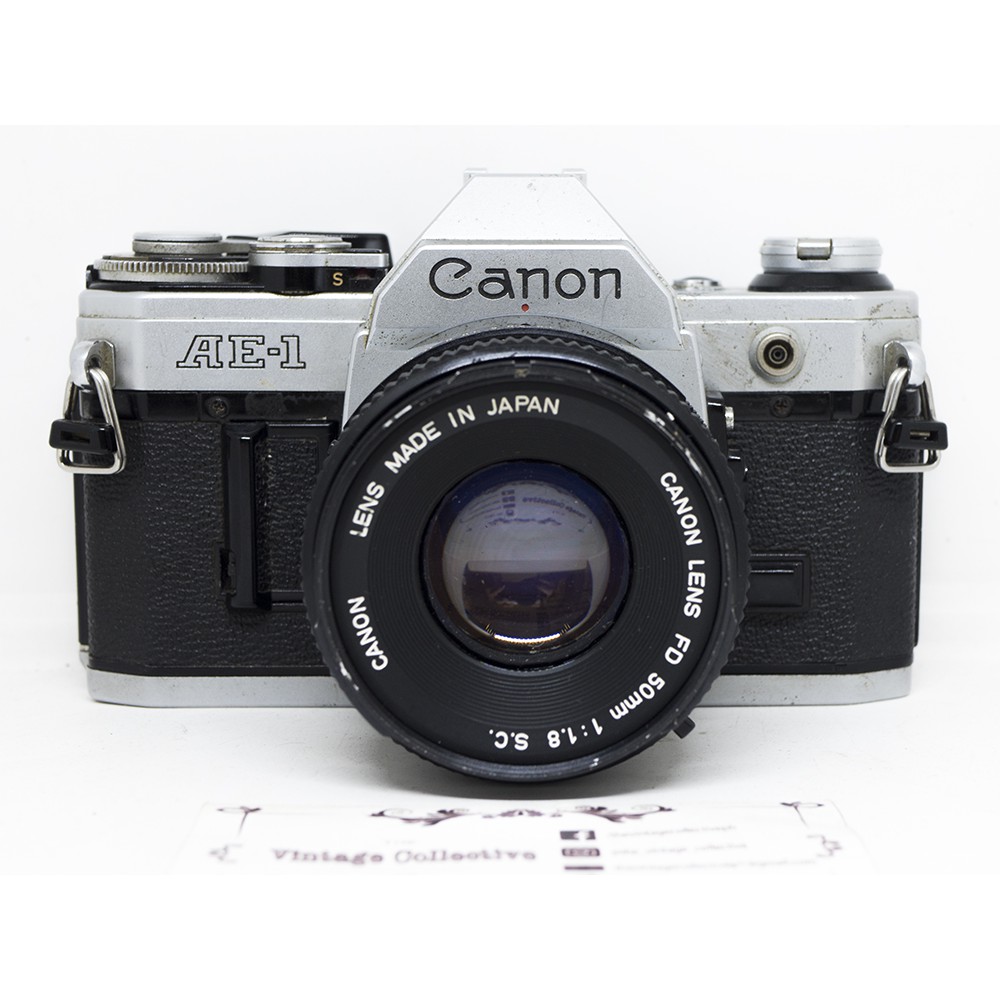
The Canon AE-1 modern use story is about reliability and education as much as nostalgia. Launched at USD 250 (approx. ₱14,000), it undercut rival cameras by roughly 40% while offering automatic program exposure and a full ecosystem of Canon FD lenses. Its internal CPU—developed through the Task X project with Texas Instruments—handles exposure metering, self-timer, automatic flash, and even the act of firing the shutter. Dividing the camera into five major parts (viewfinder, shutter, mirror, AE mechanism, and automatic aperture control) made production simpler and more consistent. Despite using plastic molded to feel like metal, the AE-1 has shown remarkable durability: many bodies nearing their 40th year still work well, and it is described as one of the go-to cameras for people starting their film journey because it is cheap, accessible, and a fantastic way to get into shooting with film. The contrast with modern consumer gear is stark—according to one account, it is hard to name a DSLR that regularly lasts over 10 years. For street photographers, that mechanical resilience plus manual focus and film loading foster a slower, more thoughtful approach than rapid-fire digital shooting.
Film cameras vs digital for skill-building in the streets
In the film cameras vs digital debate, the key difference for street photography is how each medium shapes behavior. Film bodies like the Canon AE-1 put a hard cap on how many frames you can shoot and force you to pay attention to exposure, timing, and focus on every shot, especially when you are manually focusing through an optical viewfinder. Rangefinder-style cameras and their zone focusing techniques encourage you to pre-set a focus distance and work within that zone, which means you watch scenes unfold instead of relying on autofocus to rescue poorly anticipated shots; this is explicitly recommended for street photography with the Leica XE, where zone or manual focus is preferred over single-point AF. Digital cameras, by contrast, invite heavy automation and volume. Global SLR volume in the film era peaked at roughly 7.5 million units in 1984, compared with around 20 million DSLRs sold in 2012, illustrating how digital’s convenience drove mass adoption. That same ease can lead beginners to spray-and-pray instead of learning timing and composition. If your goal is to develop a strong eye, vintage cameras street photography setups with manual controls often give more lasting skills than their modern budget counterparts.
Buy if / Skip if
- Buy the Leica XE if you want a compact, rangefinder-style digital camera with strong street handling, film-like high-ISO black-and-white output, and premium build at a lower price than full luxury models.
- Skip the Leica XE if your priority is interchangeable lenses or the absolute lowest cost, since its fixed 24mm lens and mid-tier pricing may feel limiting compared with used film bodies or cheaper digital kits.
- Buy the Canon AE-1 if you want to learn exposure and focusing on film, using a cheap, easily accessible camera that remains a very capable way to start a film journey even after nearly 50 years.
- Skip the Canon AE-1 if you need instant sharing, autofocus, and video from a single camera body, because its 35mm film workflow and manual focus are aimed at deliberate still photography rather than digital convenience.
- Buy the Canon AE-1 if long-term reliability matters more than cutting-edge features, since many AE-1 bodies nearing 40 years of age still function well, unlike many consumer DSLRs that rarely last a decade.
- Skip the Leica XE if you prefer the creative discipline and finite frame count of film over digital shooting, because its APS-C sensor and fast AF favor modern convenience rather than strict compositional constraints.