
HP Turns Premium Specs into Mid-Range Prices
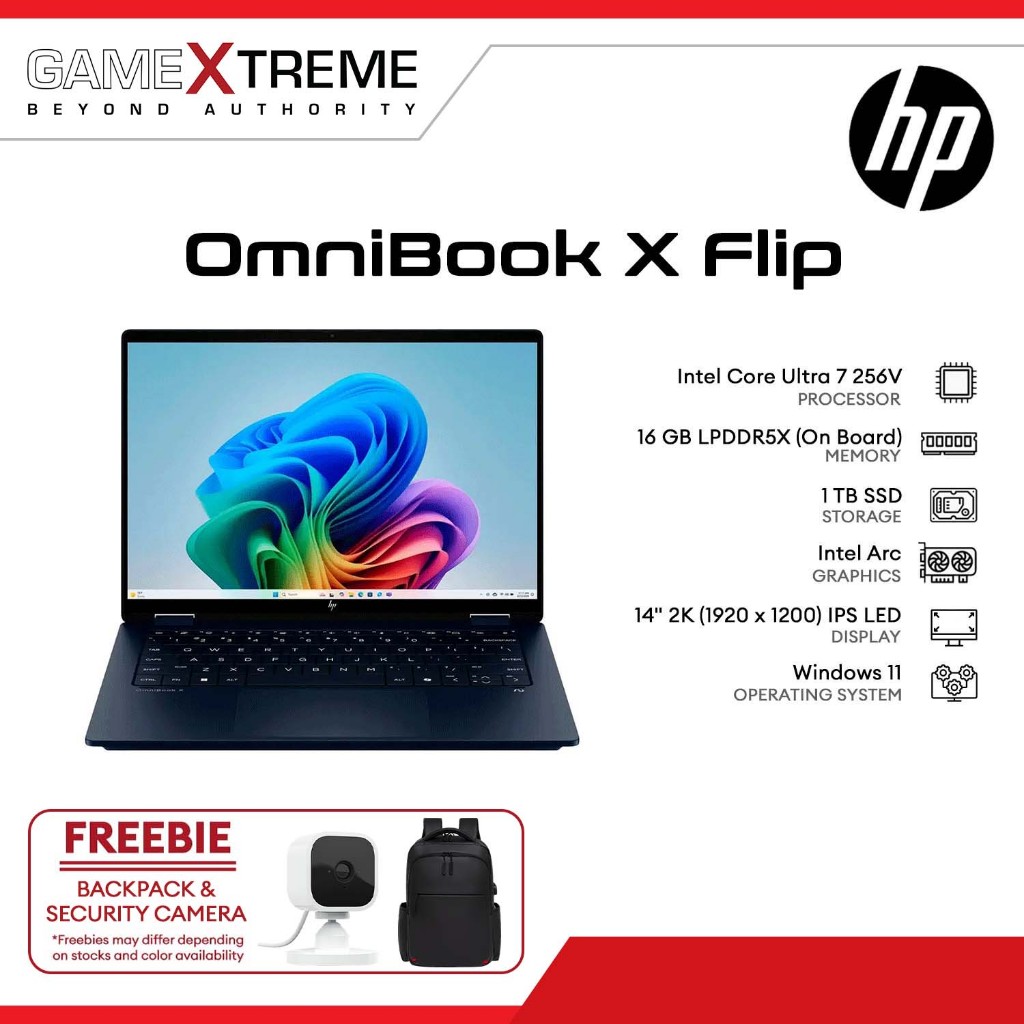
HP’s recent OmniBook pricing moves show a deliberate strategy to drag traditionally premium laptop features—OLED convertible displays, big-screen productivity layouts, and on-device AI acceleration—down into price tiers that mid-range buyers and remote workers can afford, signaling sharper competition in the ultrabook segment and shifting expectations about what a “professional” PC should cost. The clearest sign is the HP OmniBook X Flip OLED 2-in-1, now listed at USD 999.99 (approx. ₱56,000) at a major retailer, roughly USD 450 (approx. ₱25,200) off its standard USD 1,449.99 (approx. ₱81,400) price, and described as the lowest confirmed price for an OLED Copilot+ convertible currently on offer there. In parallel, the OmniBook 3 17.3-inch base laptop has dropped to USD 450 (approx. ₱25,200) from USD 730 (approx. ₱40,900), a 38% discount that repositions large-screen productivity as a budget-friendly choice rather than a flagship indulgence. HP isn’t trimming at the edges; it is resetting the floor for what “premium” means.
OLED Convertibles Become the New Entry-Level Copilot+ PC
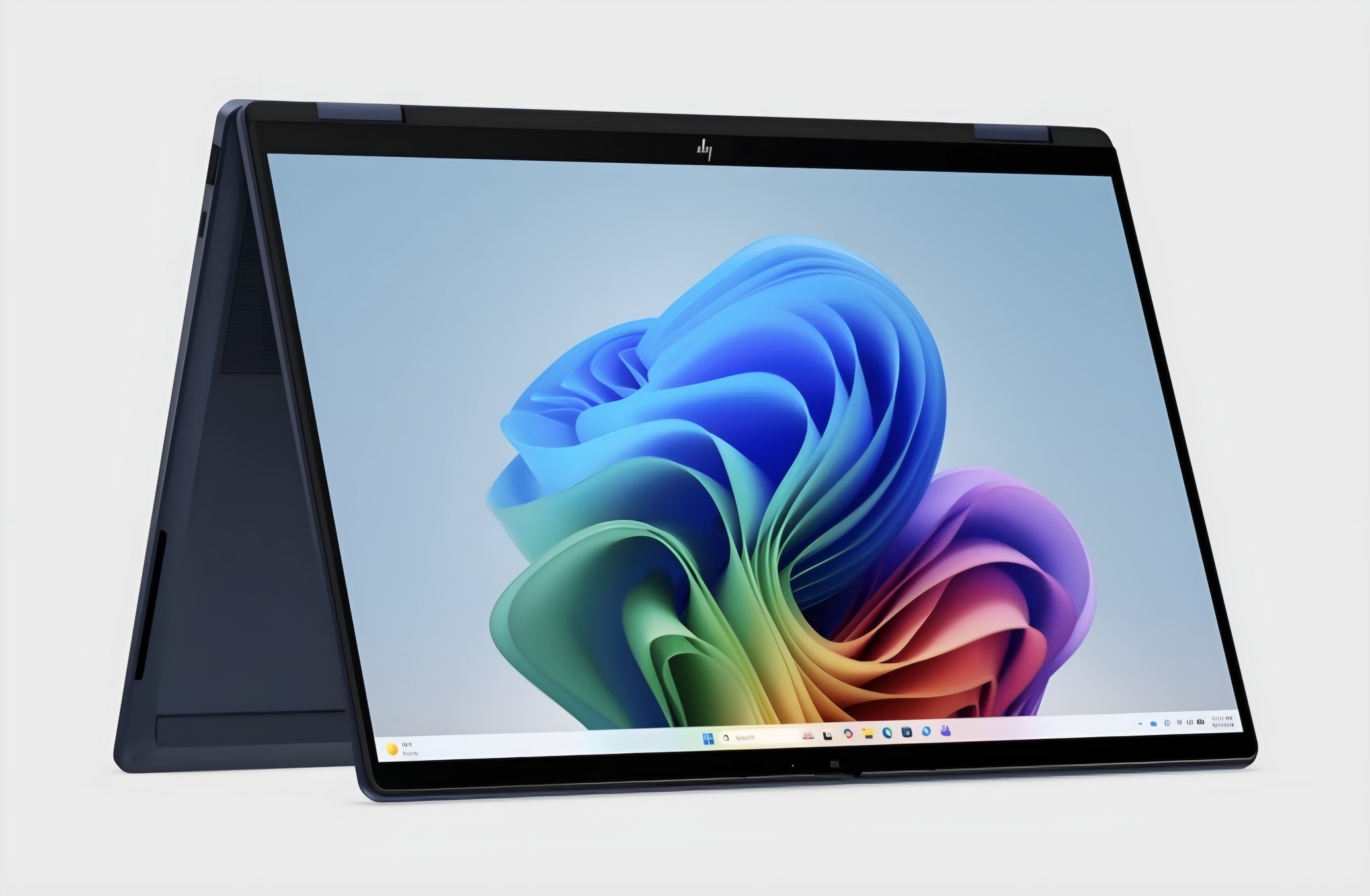
The most disruptive move is HP’s use of OLED in a 2-in-1 at USD 999.99 (approx. ₱56,000), because OLED below USD 1,000 (approx. ₱56,000) in a convertible remains unusual in mid-2026. The OmniBook X Flip’s 14-inch 2K OLED touchscreen dispenses with a backlight, giving per-pixel lighting, deep blacks, and contrast ratios that common IPS panels cannot match at this price. At 300 nits, brightness is tuned for indoor work rather than sunlit decks, but for the students, writers, and knowledge workers HP is targeting, the trade-off is acceptable. More important is the 360-degree hinge: clamshell for typing, tent for presenting, tablet for pen input—one device that adapts to remote meetings, note-taking, and media consumption without forcing users into tablet compromises. By tying Copilot+ certification—local Recall, Live Captions, and Studio Effects—to this flexible hardware, HP has turned the OLED convertible laptop into an accessible entry point for Copilot+ PC deals rather than a niche luxury.
Intel Panther Lake: On-Device AI Without the Workstation Tax
HP’s pricing would matter less if the silicon inside the OmniBook X Flip were weak, but the Intel Core Ultra 7 355 shows why “mid-range” now includes serious AI hardware. This Panther Lake chip is the first client processor built on Intel’s 18A node, combining RibbonFET gate-all-around transistors with the PowerVia backside power network for about 15% better performance per watt than Intel 3, according to Intel’s own platform documentation and independent coverage. Its three-chiplet Foveros package separates compute, GPU, and I/O tiles so each can sit on the process where it performs best. Critically, the NPU 5 block delivers up to 50 TOPS, clearing Microsoft’s 40 TOPS Copilot+ floor with room to grow. That enables local Recall indexing, offline Live Captions with translation across 44 languages, and system-wide Windows Studio Effects for video calls—all running on-device instead of the cloud. HP is betting that professionals now see these AI capabilities as part of the baseline, not a high-end upsell.
Big-Screen Value: OmniBook 3 Undercuts Work-From-Home Defaults
While the X Flip fights in the ultrabook and 2-in-1 lane, the OmniBook 3 17.3-inch laptop attacks another complacent segment: big-screen home and office machines. The device pairs a 17.3-inch Full HD panel with an entry-level AMD Ryzen 3 30 processor, Radeon 610M graphics, 8GB of RAM, and a 512GB NVMe SSD. At USD 450 (approx. ₱25,200) instead of USD 730 (approx. ₱40,900), it moves 17-inch productivity screens into impulse-buy territory for households and students who used to settle for cramped 14-inch displays. A full-size keyboard with number pad, more visible columns in spreadsheets, and two documents side by side all translate directly into everyday efficiency, even if the chip is tuned for browser tabs, office apps, and streaming rather than heavy creative workloads. A dedicated Copilot key reinforces HP’s belief that AI assistance for email drafts, PDF summaries, and on-screen questions should be built into even entry-level machines, not reserved for premium models. This is a clear play for remote workers who care more about screen space and value than about raw performance.
Why HP Is Cutting Now—and What It Signals for Ultrabooks
HP’s timing is not altruistic; it is opportunistic and strategic. Memory costs are rising fast: one forecast projected a 130% year-on-year surge in DRAM costs by the end of 2026, enough to push average laptop retail prices up by about 17%. A separate market outlook already confirms that notebook prices are climbing as those higher-cost components reach shelves. The discounted OmniBook X Flip units, however, were built under pre-surge memory contracts, meaning HP can undercut rivals right now, especially as some competing premium laptops see price hikes instead of cuts. In effect, HP is using its inventory position to reset consumer expectations: OLED, Copilot+, and capable NPUs are no longer reserved for USD 1,400–1,700 (approx. ₱78,400–₱95,200) machines; professionals and remote workers can demand them around USD 1,000 (approx. ₱56,000) or less. As component inflation filters through, other ultrabook makers either match these Copilot+ PC deals or accept that HP will own the value narrative in the premium segment.