

ChatGPT Work: From AI helper to autonomous office worker
ChatGPT Work is an agentic AI workspace that uses the GPT‑5.6 model to autonomously create and manage documents, spreadsheets, presentations, web apps, and recurring office workflows by pulling context from multiple apps, files, and tools and executing long, multi-step tasks on a user’s behalf.
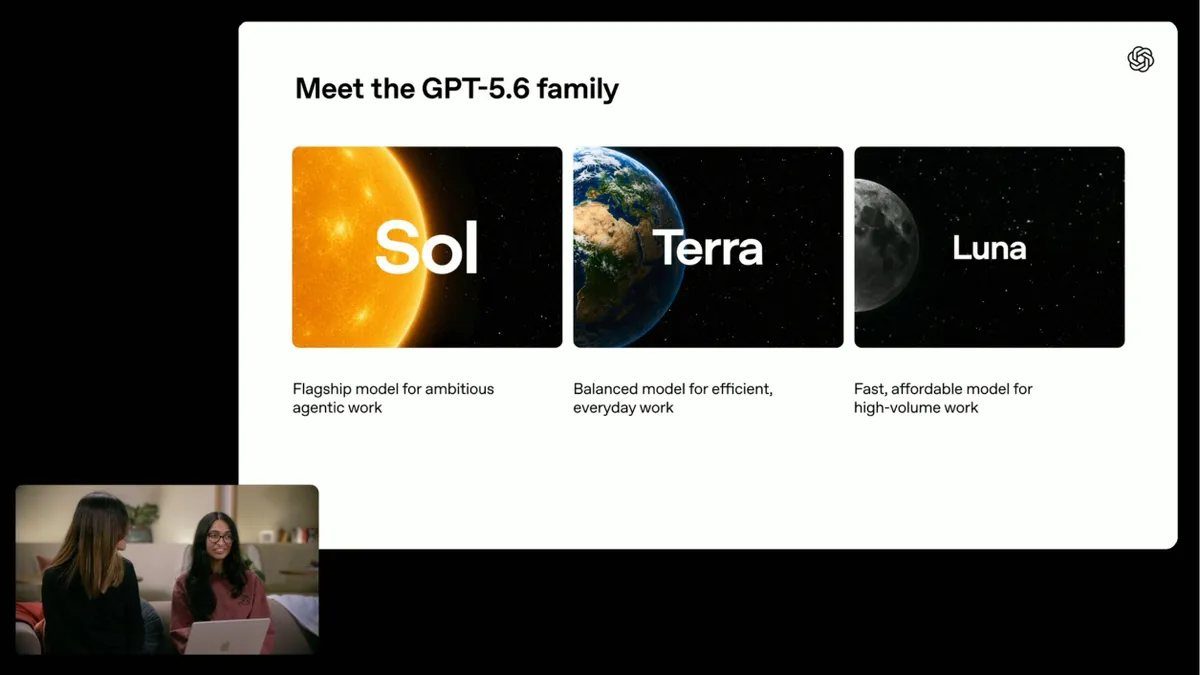
OpenAI has launched ChatGPT Work alongside GPT‑5.6, a release that also includes three models named Sol, Terra, and Luna. GPT‑5.6 was released to the public on July 9 after review by the US government, and ChatGPT Work sits on top of it as the workplace-facing product. Where earlier assistants stayed inside a single document or chat, this workplace AI agent gathers context across apps, files, and workflows to create documents, spreadsheets, presentations, and web apps. In other words, OpenAI is not adding another smart sidebar; it is trying to put an autonomous operator in the middle of your office stack. That ambition is what makes ChatGPT Work different from today’s AI office productivity tools—and more disruptive.
An agentic AI workspace, not a smarter formula bar
The real story is that ChatGPT Work behaves like a junior colleague, not like an autocomplete box. OpenAI describes it as an “agentic AI workspace” for office productivity that can gather information from multiple applications and files, execute complex tasks step by step, and output finished documents, spreadsheets, presentations, and web applications. Technically, it is powered by GPT‑5.6 and includes the Codex coding agent, which means the same engine that writes software can now act as a spreadsheet automation tool and document builder on demand. Unlike tools that suggest a single formula or summarize one page of notes, ChatGPT Work breaks complex projects into smaller tasks, executes them independently, and keeps going for hours. That step-by-step execution is what turns a chatbot into workplace infrastructure rather than a glorified spellchecker.
This shift also redefines what “ChatGPT Work automation” means. The service supports long-running projects and repetitive workflows through plugins, a built-in browser, computer control capabilities, and scheduled tasks, allowing work to continue even while users are away. In practical terms, that pushes agentic AI from a reactive assistant that waits for prompts into an active workplace AI agent that initiates and completes jobs on a schedule.
From spreadsheets to sites: what office workers can delegate
The clearest benefit is that office workers can now hand off whole workflows, not fragmented steps. With a single prompt, users can delegate an entire workflow—for example, compiling customer research into a campaign brief, generating marketing content from that brief, and localizing the material for multiple markets while maintaining context throughout every stage. Another example: you can tell the chatbot to analyze customer research and turn it into a marketing brief and campaign assets, without manually moving data between tools. For spreadsheet-heavy roles, ChatGPT Work doubles as a spreadsheet automation tool: it gathers context across apps, files, and workflows to create spreadsheets[SEL:2364][SEL:3632], then links them to related documents and presentations instead of leaving you to copy-paste.
The automation goes further with Scheduled Tasks, which allow users to automate recurring work at predefined times or when specific events occur. According to one source, the system can, for instance, monitor new customer feedback every morning at 8 a.m. and prioritize recurring themes for product planning, or automatically update a presentation after receiving feedback via email. This is classic “ChatGPT Work automation”: routine reporting, follow-ups, and documentation overhead get handled in the background, which is where AI office productivity tools should have been aiming all along.
Deep integrations turn ChatGPT Work into an office hub
To matter more than embedded AI in single apps, ChatGPT Work has to live across the stack. It uses plugins to connect with the tools employees use every day, enabling AI agents to work within an organization’s existing business environment. Supported integrations include Slack, Microsoft Teams, Google Drive, Microsoft SharePoint, email, calendars, CRM platforms, project tracking tools, and other internal systems. Users can explicitly reference connected applications by typing the app name with an “@” symbol in their prompts, allowing ChatGPT Work to retrieve context from a specific service. The AI can also recommend relevant plugins during conversations. This turns the interface into a genuine agentic AI workspace: you speak in natural language, and the system fans out into Slack threads, cloud folders, and CRM records to assemble the material it needs.
On desktop, the product doubles down on this hub strategy. The application includes a built-in browser for web research and web-based workflows, simplifying tasks like market research, cross-site comparison, and collecting data from websites. It also lets users open and edit files stored in Google Workspace and Microsoft 365 directly within ChatGPT Work. A key capability called Computer Use enables ChatGPT Work to operate applications, business tools, and web browsers on a user’s behalf, including clicking interface elements, entering text, and moving files automatically in the background. That is a defining trait of a workplace AI agent: it not only writes content but also “presses the buttons” you would have pressed yourself.
OpenAI’s bigger play: full workplace automation, not point tools
Strategically, ChatGPT Work signals that OpenAI is expanding into full workplace automation rather than narrow point solutions. The service supports long-running projects and repetitive workflows through plugins, a built-in browser, computer control capabilities, and scheduled tasks, allowing work to continue while users are away. ChatGPT Work uses plugins to connect with the tools employees use every day, enabling AI agents to work within an organization’s existing business environment. It also introduces a Sites feature in beta, which lets users turn projects or ideas into interactive websites or web applications that can be shared via URL. Together, these moves show OpenAI trying to own the orchestration layer of knowledge work—where tasks start, flow, and finish—rather than only improving single documents or chats.
The launch timing reinforces that ambition. OpenAI has introduced ChatGPT Work alongside its latest frontier model GPT‑5.6, which was released to the public on July 9 after government review. ChatGPT Work is rolling out for mobile, web, and desktop, initially to Pro, Enterprise, and Edu subscribers, with access expanding to Plus and Business users in the next few days. The desktop version is available globally for Windows and Mac for all plans. At the same time, the company will gradually discontinue Atlas, its dedicated ChatGPT browser, in favor of this integrated experience. The message is clear: the future of AI office productivity is not another sidebar—it is a persistent workplace AI agent running across your entire stack, and OpenAI wants that agent to be ChatGPT Work.