
Film Lab Knowledge: The Missing Piece in Digital Craft
Film lab education is the practice of learning how film is coated, exposed, chemically processed, and printed, so photographers understand how light, silver, and emulsions turn into images and can translate that insight into more deliberate choices in digital exposure, RAW editing, and color decisions. Digital photographers who avoid film often assume chemistry has nothing to teach them, but that blind spot weakens their control over tone and color. When you see someone make emulsion from raw silver, gelatin, and chemicals, then roll it onto a base as 120 film, you are watching the physical version of sensor design and RAW pipelines. Ignoring that process is like trying to grade video without knowing what a gamma curve is: you can move sliders, but you do not grasp what you are reshaping.
Soft Negatives, Halation, and What They Reveal About Light
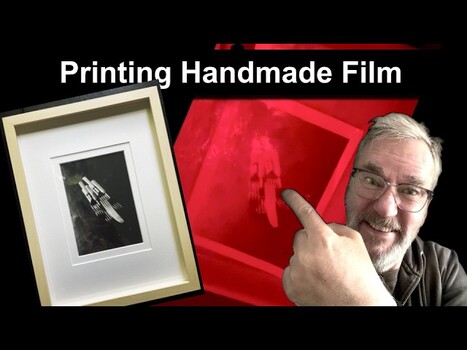
One custom film project shows why film processing knowledge matters even when you shoot digital. A chemist moved his handmade emulsion onto 4x5 sheet film and had to wrestle with spreading it evenly across the larger surface, exposing the link between coating uniformity and image consistency. The photographer asked for low contrast and welcomed grain, so "control moves back to the print when the negative is deliberately soft". That mindset is pure digital discipline: capture a flexible RAW file, make tonal decisions later. The missing anti-halation layer in this film produces bright spots that create small light leaks, making shiny metallic objects on black backgrounds sparkle in a way commercial stock suppresses. Seeing halation as both technical fault and creative tool trains you to notice similar fringe and glow in your lenses and sensors, and to compose or correct with intent instead of pretending those artifacts do not exist.
Timing, Chemistry, and the Discipline Behind Consistent Files
Lab timing is the analog of disciplined RAW handling. With orthochromatic film, you can develop under red light in the darkroom and watch the image appear instead of timing it blind. That direct feedback turns development into a lesson in how agitation, temperature, and minutes reshape density. When summer heat throws off the emulsion’s viscosity so it starts lifting off the base during development, you see how small environmental shifts can change a film’s response. In digital terms, that is the difference between a stable color-managed workflow and a chaotic one where profiles, white balance, and bit depth vary from file to file. The same photographer selectively corrects dust spots while leaving others as part of the film’s character, trims curled edges, washes prints up to an hour with washing aids to clear leftover fixer, signs the backs, and matches frame color and window mount to each image. That obsessive finish is the bar your digital post-processing should meet.
What a Professional Film Lab Teaches Digital Natives
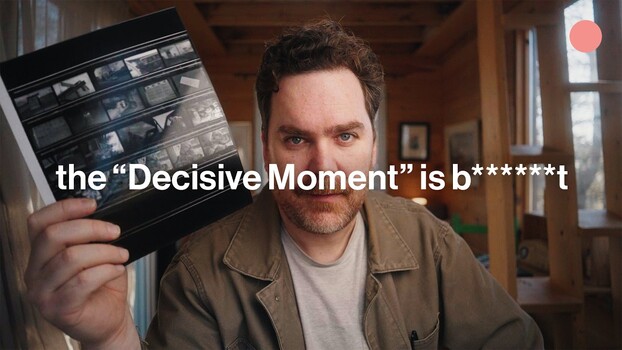
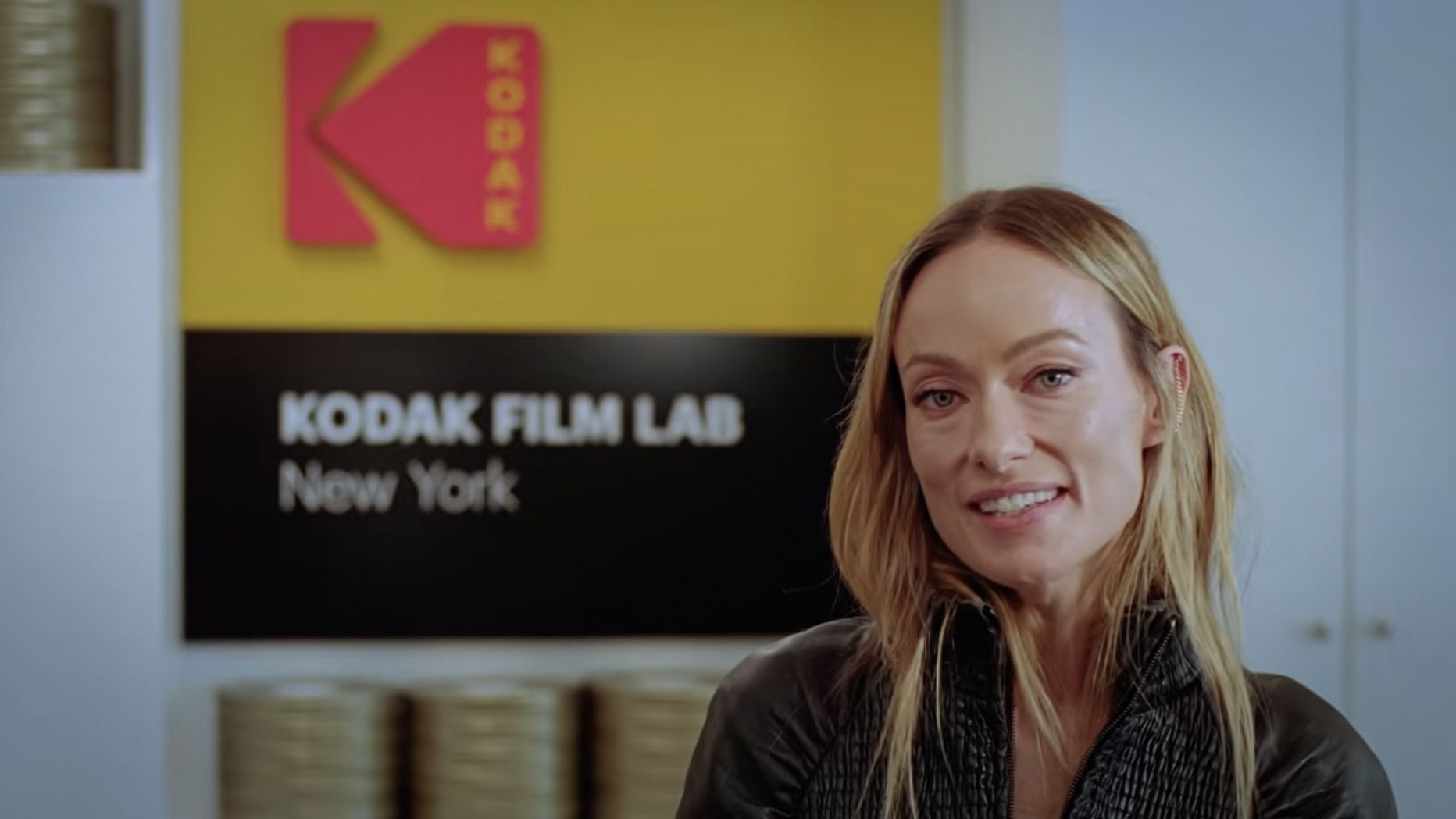
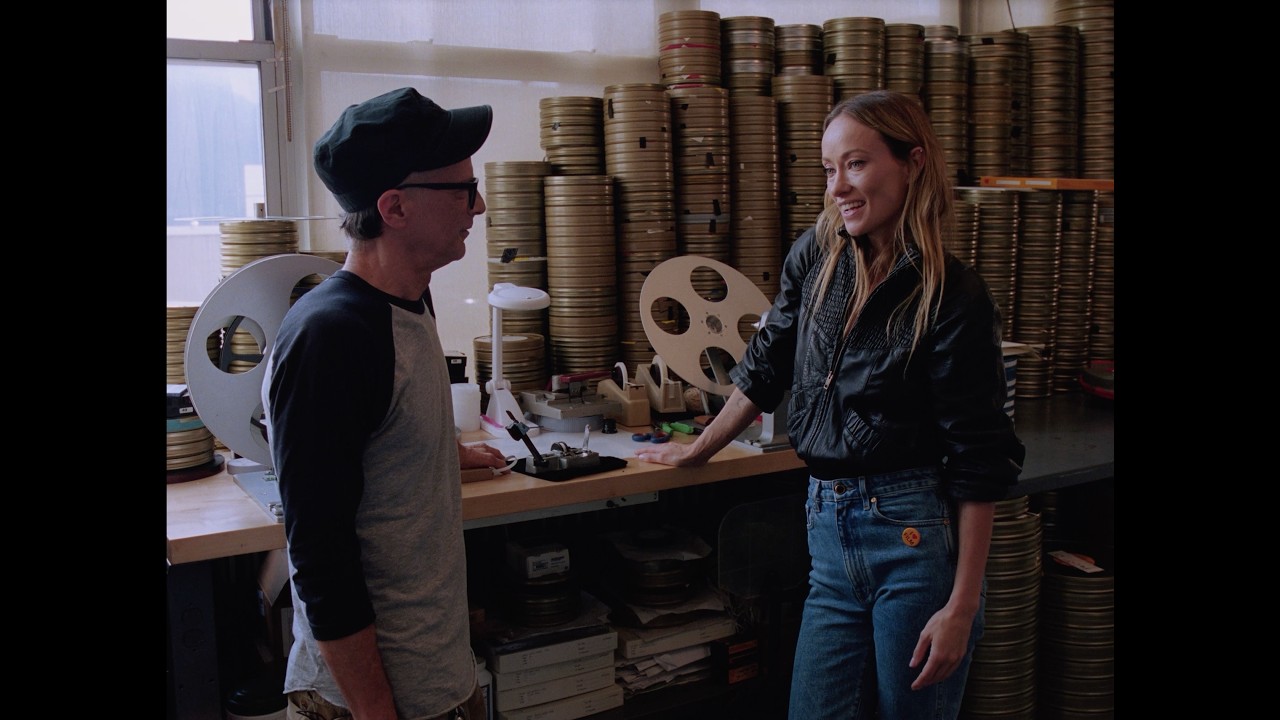
A tour of a major film lab shows the human side of film photography education: the machines matter, but the craft matters more. One digital-native writer, who has never pressed the shutter on a film camera, praised how the visit "reveals the process of film photography". They noticed that film photographers form a bond with the craft; it is as much about being in the lab working with materials and chemicals as taking the photo itself. That attitude is exactly what most digital shooters lack. We treat editing as an afterthought instead of a second stage of authorship. Watching film staff handle negatives, control baths, and maintain standards is a reminder that your digital workflow needs the same care: calibrated monitors, consistent profiles, and intentional archiving. The video tour was so absorbing that the viewer forgot it was meant to promote a movie—proof that process, when taken seriously, is more compelling than any marketing campaign.
Conclusion: Learn Film to Think Clearly About Digital
There is no virtue in nostalgia for its own sake, but there is value in film processing knowledge for anyone serious about digital photography fundamentals. Understanding how emulsion is built, why anti-halation layers exist, and how timing and temperature reshape negatives gives you a mental model for sensor behavior, highlight roll-off, and color rendering. It also forces you to treat post-processing as craft, not clean-up. Film photography education does not demand that you start shooting rolls; it asks that you stop pretending your image begins and ends with a shutter press. Take a lab tour, watch an emulsion develop under red light, pay attention to how printers make tonal choices, and then bring that same respect for process into your RAW workflow. If your files look better afterward, it will not be because film is magic; it will be because you finally understand what an image is.