
Candid Portraits Are About People, Not Gear
Candid portraiture is the practice of photographing people in unposed, natural moments, focusing on authentic expressions and behavior rather than staged poses, and relying more on human connection, observation, and timing than on complex gear or technical tricks. The harsh truth is that your best portrait gear does nothing if the person sitting in front of the lens looks stiff and posed. Many candid portrait tips obsess over lenses and camera settings, yet the most common misconception is that sharper files or better sensors will magically create intimacy. They do not. What matters is how the person in front of you feels. If you treat photographing reluctant subjects as a technical puzzle instead of a human interaction, you’ll keep getting images that look posed, guarded, and forgettable. The mindset shift is simple: prioritize portrait soft skills first, camera settings second.
Talk First, Shoot Later: Conversation as Your Key Tool
For authentic expressions photography, your first move is not to lift the camera; it is to start a conversation. One portrait veteran’s starting point is clear: spend time with someone before you pick up any gear at all, which might mean 10 or 15 minutes of talking or even a coffee beforehand to feel comfortable in each other’s company. When he looked at the results afterward, the pattern was clear: the more he’d talked with someone, the more they looked like themselves. Ask about their world, their work, their family, what they do at the weekend. This isn’t small talk; it’s psychological warm-up. You are telling the subject, “You matter more than the shot.” Keep the conversation running straight through the shoot, with no stiff “ready” moment before pressing the shutter. The camera becomes a side note, and reluctant subjects forget to perform.
Read Body Language and Adapt Instead of Over-Directing
If you want useful candid portrait tips, start by throwing away rigid posing scripts. Reading the person in front of you sometimes means throwing out the plan you arrived with. When a veteran who usually wore a shirt and bow tie offered, almost reluctantly, to put on his jacket and medals, the photographer heard that he didn’t really want to, so he photographed him as he was—and the pictures were far better for it. That’s portrait soft skills in action: listening to tone, watching micro-hesitations, respecting comfort. Over-directing does the opposite; telling someone to stand a certain way, put their hands there, or, worst of all, “look relaxed,” can undo 20 minutes of ease in a single sentence. For photographing reluctant subjects, gentle guidance works; rigid commands shut people down. Let them keep doing whatever fits their personality—working, chatting, fidgeting—and build the frame around that behavior.
Control Your Own Attitude to Shape Theirs
Your mindset leaks into the room and directly affects authentic expressions photography. One photographer draws on Batari’s Box, a model from conflict management, which shows how your attitude drives your behavior, shapes the other person’s attitude and behavior, and loops back again. Show up stressed and that stress feeds the loop in the wrong direction, and no lighting setup pulls you out of it. Show up calm, even when you don’t feel it inside, and the loop starts working in your favor. His practical route to staying calm is keeping the setup simple, especially the first time you photograph someone, and saving the clever lighting for a later session once you know each other. This applies to any high-pressure situation where another person is reading you, from client meetings to team shoots to weddings, where nerves spread fast and quietly. Soft skills matter as much as sensor specs because they literally change the subject’s emotional state.
Design the Experience Around the Person, Not the Shot
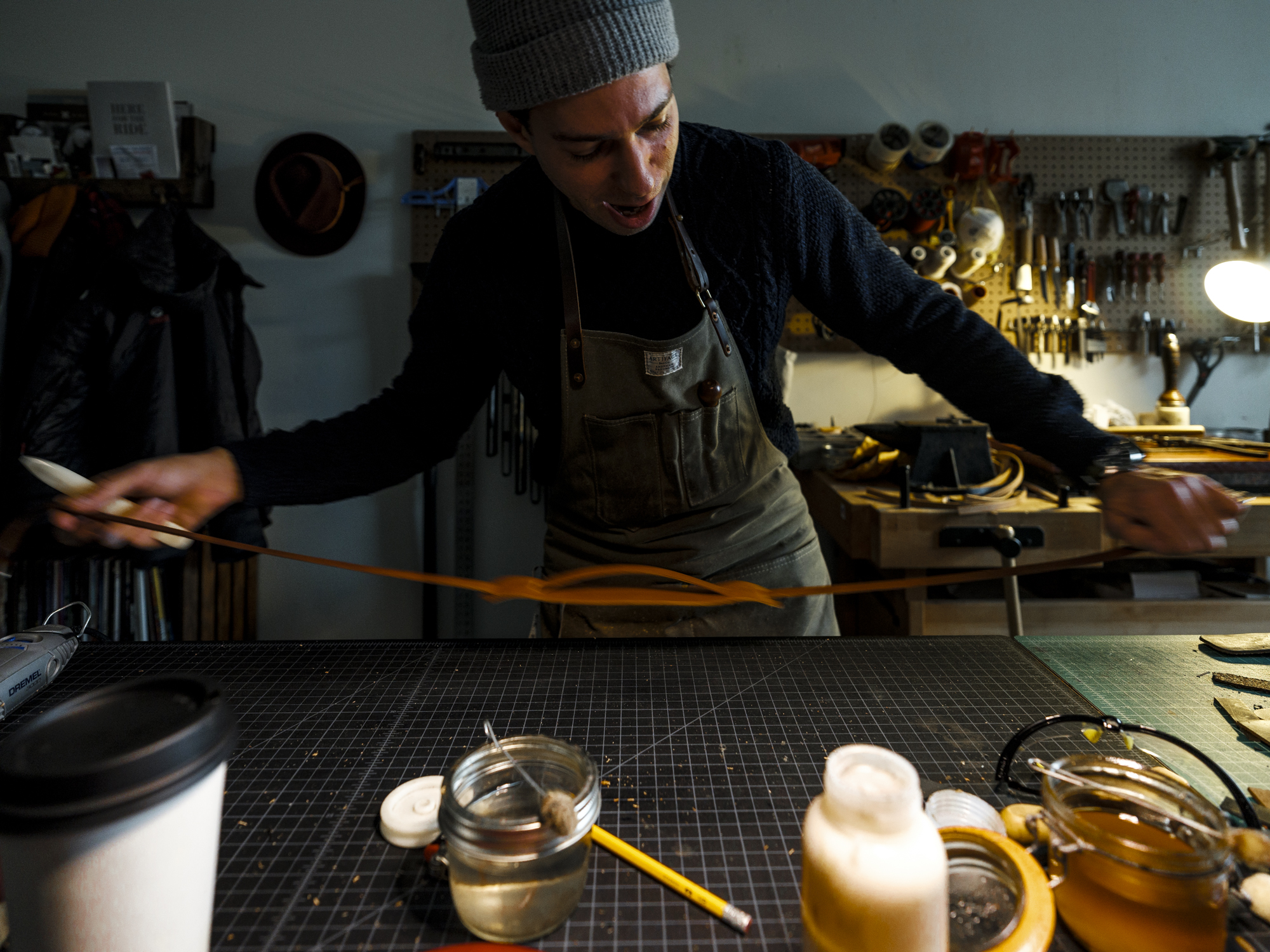
Photographing reluctant subjects demands that you design the entire experience around their energy level and personality type. One useful habit is to under-promise on time and over-deliver on the experience: tell someone a shoot will take about an hour and a half, then be done in an hour. That respects their stamina and leaves them feeling good, instead of exhausted. During a session with a potter in Lyme Regis, the photographer asked him to carry on smoothing a piece of pottery, glancing toward the camera now and then while they kept chatting. The activity anchored him, the conversation relaxed him, and the portraits looked like his real self. This connects to a wider shift where soft skills and client experience are treated as seriously as sensor specs. Learning to read and adapt to different personality types—talkative, quiet, anxious, proud—will raise your success rate more than any new camera body.