
The 5800X3D Phenomenon: Old Chip, New Best-Seller
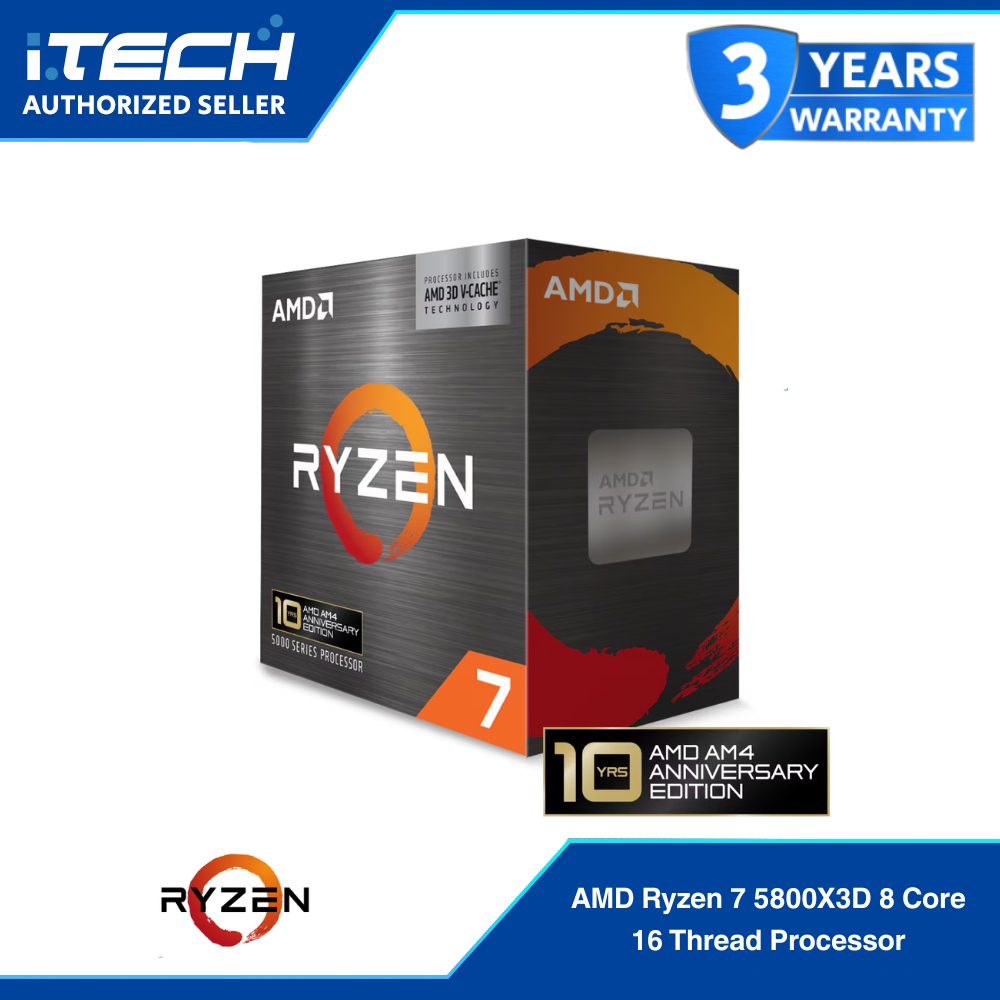
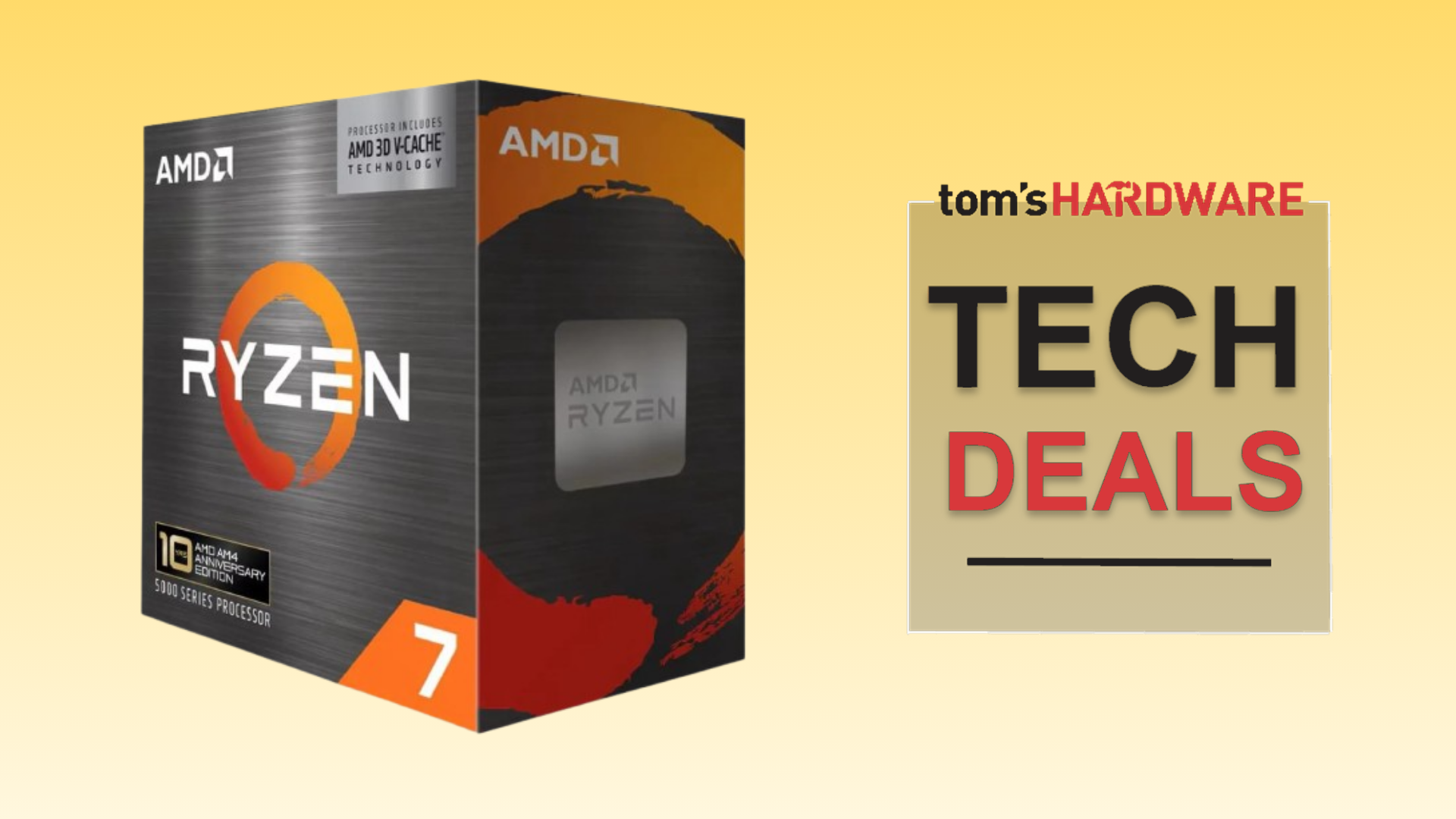
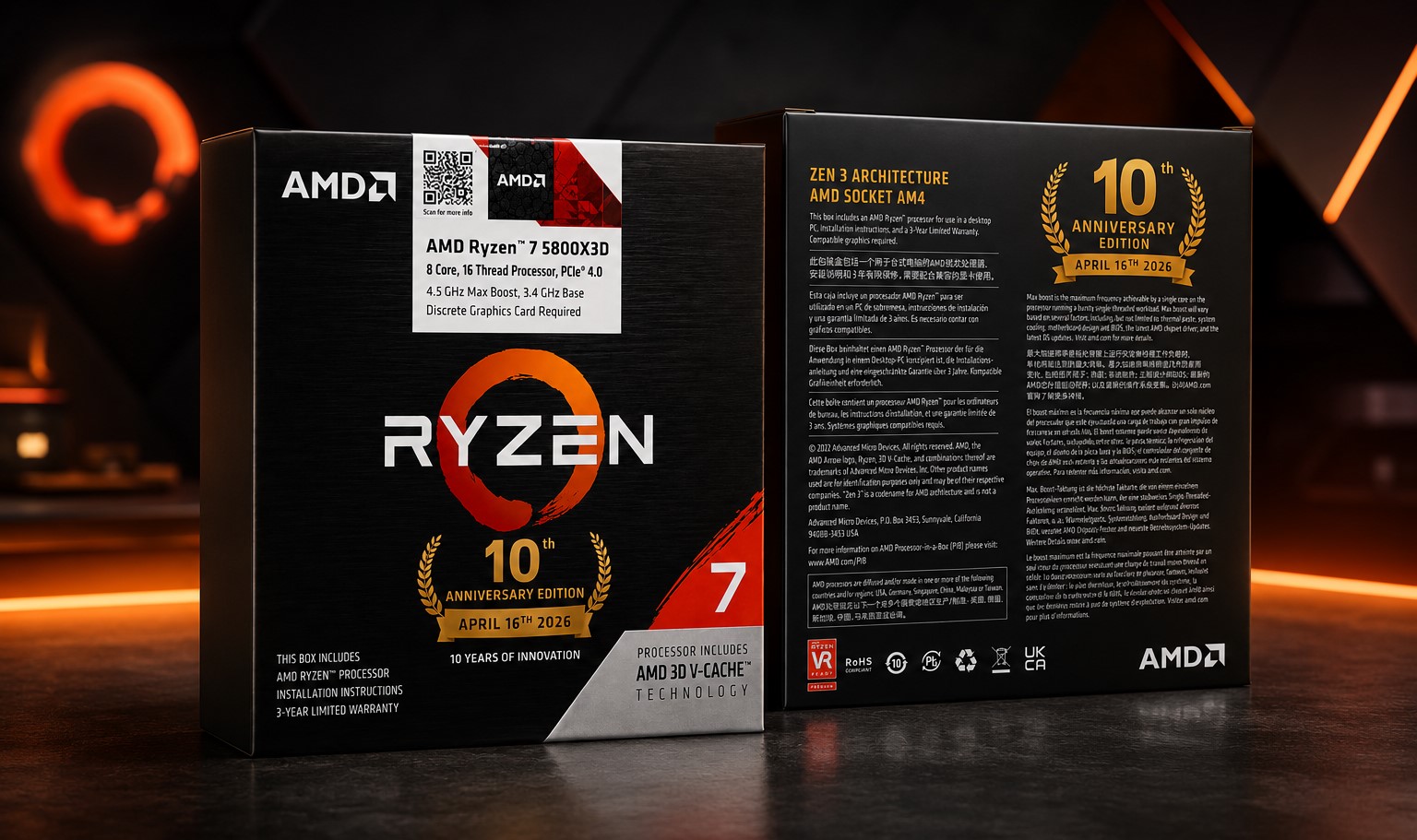
The Ryzen 7 5800X3D phenomenon is the trend of a last-generation AM4 gaming CPU, designed around cheaper DDR4 memory and aggressive bundle discounts, outselling newer AM5 processors at the same sticker price by offering better value-per-dollar for mainstream gamers focused on 1080p and 1440p performance. AMD’s re-released Ryzen 7 5800X3D 10th Anniversary Edition has surged back into stock and “is back with a vengeance,” with a fresh re-review calling the move a shrewd way to revive this eight-core, 16-thread gaming classic. In less than a month, it has climbed to fourth place on a major retailer’s best-selling CPU list, despite being based on older Zen 3 architecture and sharing a similar MSRP with more powerful chips. That should not happen—unless the market cares more about total system cost than generational bragging rights.
Value Over Specs: Why the 5800X3D Outsells the 7800X3D
At face value, it makes no sense: a weaker AM4 chip is outselling a stronger AM5 successor at the same price. Yet the Ryzen 7 5800X3D sits fourth on a major best-selling list, edging out the Ryzen 7 7800X3D in fifth place, even though both are selling for nearly USD 349 (approx. ₱19,600). In one month, the 5800X3D moved around 3,000 units while the 7800X3D hit about 2,000, a clear vote from buyers. The explanation is simple and inconvenient for spec-sheet obsessives: platform cost matters more than a few extra frames. Millions of gamers already own AM4 boards and DDR4, and they want “the best possible gaming performance on the AM4 platform” without paying the AM5 tax. When the upgrade path is one drop-in CPU instead of a full platform overhaul, last-gen silicon wins the cart battle.
Deals That Hit Below USD 300: How Bundles Rewrite the Math
On paper, the Ryzen 7 5800X3D’s MSRP of USD 349.99 (approx. ₱19,700) looks steep for a six-year-old platform. In practice, recent Ryzen 7 5800X3D deals blow that concern apart. One headline offer sells the CPU for USD 349.99 (approx. ₱19,700) and throws in an MSI MAG 240 mm liquid cooler worth USD 70 (approx. ₱3,900), dragging the effective CPU cost to about USD 270 (approx. ₱15,200). Another combo adds an Asus TUF Gaming B550-Plus board and 16 GB of DDR4 RAM for USD 529.99 (approx. ₱29,800), with total savings of USD 173 (approx. ₱9,700) once the free cooler is counted. According to one review outlet, “the combined deals here push it below MSRP,” turning a supposedly pricey legacy CPU into a sub-USD-300 (approx. ₱16,900) centerpiece for a budget gaming build. With DDR5 prices rising, this kind of CPU bundle deal is exactly what cost-sensitive builders are waiting for.
AM4 vs AM5 Value: When DDR4 Still Makes Sense for Gamers
The 5800X3D does not beat its AM5 X3D cousins on pure performance, and no serious reviewer claims otherwise. The earlier X3D chip “lacks the serious performance gains” seen in the 7800X3D and 9800X3D, especially once you factor in faster DDR5 memory. But most gamers are not chasing esports leaderboards at 360 Hz; they are aiming for high, consistent FPS at 1080p and 1440p with midrange GPUs. In that real-world context, AM4 still holds its own. The 5800X3D remains “the fastest option for AMD AM4 builds with DDR4 RAM,” powered by eight cores, 16 threads, up to 4.5 GHz clocks, and a massive 96 MB L3 cache. The platform gap often shrinks at GPU-bound resolutions, so the extra FPS from AM5 plus DDR5 can feel like an expensive luxury. With DDR5 RAM “massively more expensive than it used to be,” choosing AM4 vs AM5 value is less about frames and more about the total bill.
Why First-Time Builders Gravitate to the 5800X3D
If you are building your first gaming PC, platform simplicity and upfront cost are king. The 5800X3D’s re-release is “designed to give gamers with older AM4 builds, or those looking to build a budget-friendly build with cheaper DDR4 RAM, an alternative route” at a time when DDR5 prices sting. Free cooler bundles and board–RAM packages mean fewer parts to research and fewer surprises at checkout. One bundle pairs the CPU, an Asus TUF B550-Plus, 16 GB of DDR4, and a 240 mm AIO cooler, delivering USD 103.99 (approx. ₱5,800) in direct savings plus another USD 69.99 (approx. ₱3,900) from the cooler. For a budget gaming CPU, “these 5800X3D kit options make sense” because they reduce the total system cost while delivering top-tier AM4 gaming performance. The market is sending a clear message: if manufacturers want to move new platforms, they must compete not just on frames, but on full-build affordability.