
Soft Skills Photography: The Real Secret to Relaxed Portraits
Soft skills photography is the deliberate use of conversation, empathy, body language reading, and ethical behavior to help reluctant subjects feel safe, relaxed, and seen, so they look like themselves instead of a stiff, posed version built from anxiety and camera fear. If you photograph reluctant subjects, this matters more than your lens choice. Your best portrait gear does nothing if the person in front of the lens looks tense, and no lighting setup can rescue an uncomfortable face. Photographers who treat trust-building as a technical skill find that their images change: strangers soften, veterans unbrace, and street scenes turn into human encounters instead of confrontations. The takeaway is blunt: if you want better portraits, upgrade your people skills first.
1. Pre‑Shoot Conversation: Rapport Before the Camera Appears
If you want reluctant subjects to look like themselves, you earn that before the camera leaves the bag. One photographer’s starting point is clear: spend time with someone before you pick up any gear at all, sometimes 10 or 15 minutes of conversation or a coffee beforehand to feel comfortable in each other’s company. In his Veterans Project, he noticed a pattern: the more he had talked with someone, the more they looked like themselves in the final portraits. That is the core of photograph reluctant subjects: you are not killing time, you are lowering anxiety. Ask about their world, work, family, weekends; getting a stranger to relax comes down to curiosity about their life, not their pose. Treat this as non‑negotiable: no rapport, no real portrait.
2. Active Listening and Genuine Interest Beat Posing Directions
Most reluctant subjects tighten up the moment they feel watched or judged, and traditional posing advice often makes it worse. Over‑directing — telling someone to stand a certain way, place their hands, or, worst of all, “look relaxed” — can undo 20 minutes of calm in a single sentence. Soft skills like active listening and genuine interest are the antidote. In practice, that means asking about their work, family, and weekend plans, then keeping that conversation running through the shoot instead of announcing a tense “ready” moment. One session with a potter worked because he was asked to keep smoothing a piece of pottery, glancing toward the camera while they chatted, rather than being turned into a mannequin. You are not there to sculpt their body language; you are there to create conditions where their natural body language survives the presence of a lens.
3. Read Body Language and Throw Out the Plan When Needed
Body language reading is not a party trick; it is how you avoid betraying the person you are photographing. Reading the person in front of you sometimes means abandoning the clever concept you arrived with. One veteran, who wore a shirt and bow tie day to day, offered, almost reluctantly, to put on his jacket and medals. The photographer could hear that he didn’t really want to, so he photographed him as he was, and the pictures were far better for it. That is soft skills photography in action: you listen to reluctance and adapt, rather than forcing symbolic clothing that looks brave but feels wrong. When someone’s shoulders close, their answers shorten, or their eyes harden, that is your cue to change the setup, shift the topic, or pause. The moment you respect those signals, you prove you care more about the person than the portfolio.
4. Vulnerability, Honesty, and Calm: Creating Psychological Safety
Reluctant subjects are scanning you for danger. Your attitude can feed a spiral of tension or break it. One conflict‑management model, Batari’s Box, explains how your attitude drives your behavior, which shapes the other person’s attitude and behavior, looping back on itself. Show up stressed and they will mirror you; show up calm, and the loop works in your favor. In street photography ethics, the same principle applies. If you hide the camera or sneak away, slouching or pretending you were looking at your screen, it can make it look like you were doing something wrong and trigger suspicion — exactly the reactions you feared. Instead, owning the moment, stepping into the space, and being honest about what you are doing humanizes you; it turns an anonymous lens into a neighbor. "Be honest, be open, be genuine. Smile." That vulnerability creates psychological safety.
5. Street Photography Confrontations as Ethical Teaching Moments
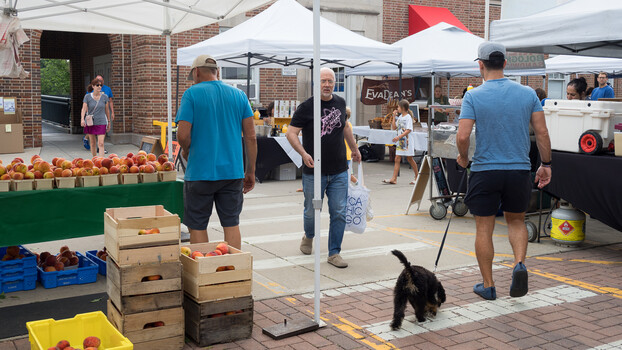
Fear of confrontation keeps many photographers from photographing reluctant subjects in public spaces. We dream of a hostile, aggressive world every time we lift the camera, projecting our own feelings of vulnerability onto the people we are photographing and assuming they will meet our lens with anger. Yet the reality of human connection is usually much kinder. One photographer, caught shooting a market stall from behind, froze as the subjects noticed him and said hello, expecting anger. Instead of sneaking away, he stepped forward, owned what he was doing, answered their questions, and the encounter ended with conversation and a shared falafel that dissolved his anxiety. That is street photography ethics in practice: confrontation becomes a teaching moment about consent and human connection, not a scene to escape. When you respond with openness, you show that pictures and respect can live in the same frame.