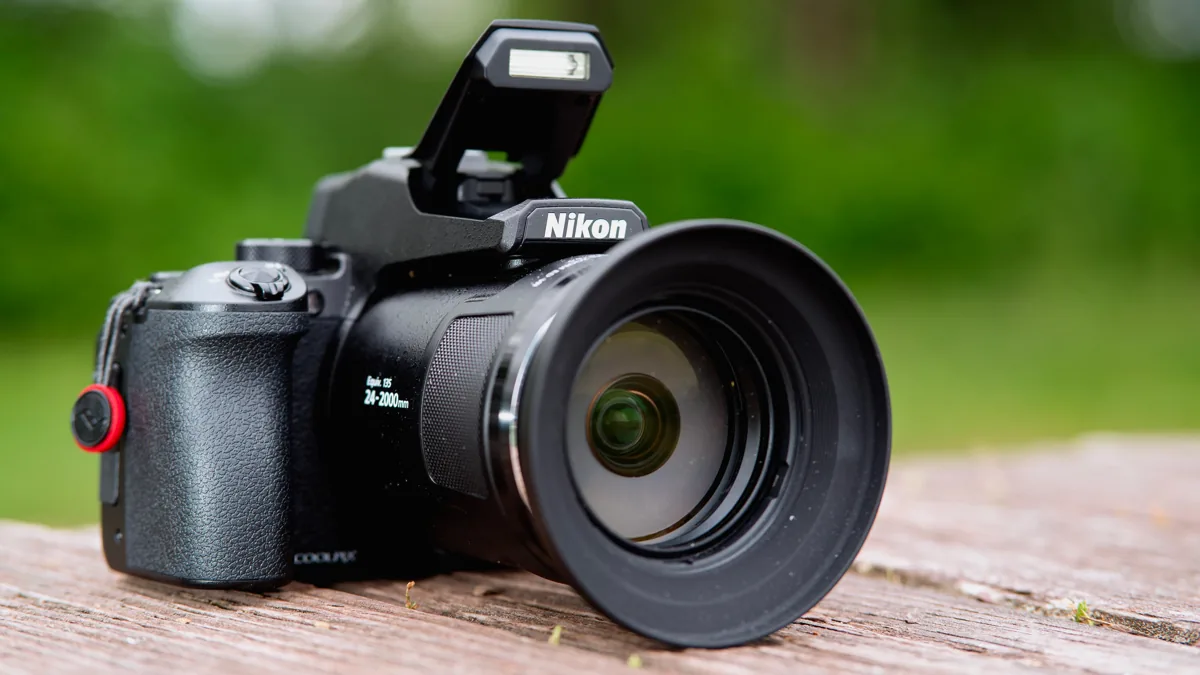

Verdict up front: bridge cameras make beginners feel capable, but not invincible
A bridge camera is a fixed-lens camera with an all-in-one zoom lens that covers wide-angle, telephoto, and macro ranges, delivering SLR-style handling without lens changes or deep knowledge of manual settings, aimed at users who want auto mode photography to handle varied subjects from wildlife to close-ups. In practice, that promise mostly holds: point-and-shoot ease with far more reach than a phone. For a bridge camera beginner who wants easy wildlife photography and occasional macro or landscape shots, auto mode is good enough to get satisfying results most of the time. But it is not magic. You trade some image quality, low-light focus reliability, and control over background blur for convenience and zoom. At entry-level and midrange prices the balance feels fair; at Sony RX10 V money, you need to care about photography, not only convenience.
Pros
- All-in-one zoom lens covering wide, telephoto, and macro without lens swaps
- Deep hand grip and eye-level viewfinder give stable, DSLR-like handling for beginners
- Auto mode with subject detection and animal eye autofocus lowers the skill barrier for wildlife
- Compact compared with a mirrorless body and large telephoto lens, easier to travel with
Cons
- Smaller sensors mean lower image quality than good mirrorless cameras and less background blur
- Contrast-based autofocus on cheaper models can struggle in dim light and with fast birds in flight
- High-end bridge cameras like the Sony RX10 V are very expensive for casual users
- Fixed lens design removes the option to upgrade to brighter primes or specialty lenses
Design and all-in-one zoom: why beginners like the bridge formula
Bridge cameras mimic small SLRs or mirrorless bodies, with a deep hand grip, a large zoom lens and an eye-level viewfinder that make them feel familiar even to new photographers. The core appeal is that all-in-one zoom lens: you get wide-angle for landscapes, long telephoto for wildlife, and macro focus for close details in a single package that does not let you change lenses. That fixed lens design removes the decision paralysis of interchangeable systems—no thinking about which lens to pack, or how to swap it when a bird suddenly appears. Despite the big zoom, they stay relatively compact, so you can take photos of distant subjects like wildlife without carrying a heavy, expensive telephoto lens, and still have wide-angle and macro support for travel and casual photography. According to one reviewer, this makes a bridge camera a "perfect complement" to a modern smartphone for creators who crave zoom power.
Auto mode in the real world: wildlife, macro, and landscapes
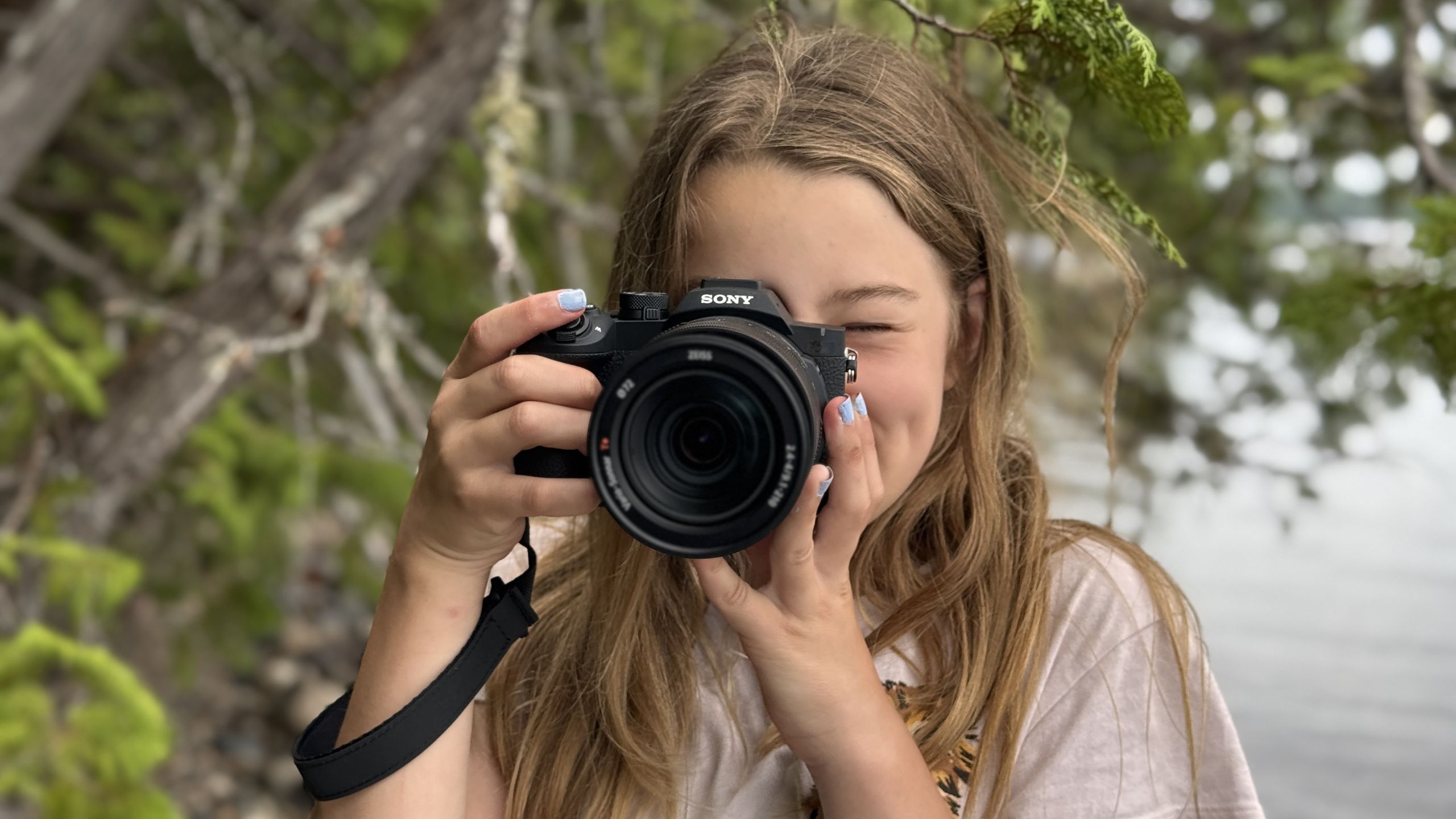
To see how beginner-friendly auto mode photography can be, one reviewer put the Sony RX10 V in auto and handed it to an eleven-year-old, with instructions limited to the shutter button and zoom toggle. Walking a lakeshore, she photographed a loon, a dragonfly, and a rabbit, demonstrating that a bridge camera beginner can capture wildlife with minimal guidance. Some frames showed motion blur and missed focus, but the experience confirmed that the camera’s auto mode simplicity lowers the entry bar significantly. On the RX10 V, Sony’s subject detection autofocus and boosted animal eye detection make the camera smart enough to focus for you most of the time, backed by 30fps bursts to increase the odds of nailing the moment. The same zoom and close focusing ability that helps wildlife also supports macro photography and wide 24mm landscapes, meaning a novice can explore multiple genres without leaving auto.
Performance, trade-offs, and price: where bridge cameras stop being ‘beginner gear’
Not all bridge cameras are equal. Entry-level models like the Panasonic Lumix FZ80D at USD 549.99 (approx. ₱31,000) use small Type 1/2.3 sensors and contrast autofocus. They pack a huge zoom range—20mm wide to 1200mm telephoto—yet are best with easier wildlife targets such as perched birds or large animals, and they can struggle to focus quickly in dim light or on fast songbirds in flight. Mid-priced options like the Nikon P950 at USD 849.95 (approx. ₱48,000) and P1100 at USD 1,149.95 (approx. ₱65,000) push telephoto reach to 2000mm and 3000mm respectively, appealing to birders who value reach over everything, though the P1100 is overkill for most users. At the high end, the Sony RX10 V at USD 2,299 (approx. ₱130,000) uses a larger Type 1 sensor, phase-detect autofocus with smart subject recognition, 1:2 macro, a bright 24–600mm f/2.4–4 zoom, weather sealing, 4K120 video, and 30fps Raw/JPG bursts. One reviewer calls it "the best bridge camera" they have used and rates it five stars. But its price can deter casual users and enthusiasts who only want an easier camera.
Buy if / Skip if
- Buy the bridge camera if you are a bridge camera beginner who wants auto mode photography to handle wildlife, macro, and landscapes without learning manual controls.
- Skip the bridge camera if you care more about shallow background blur and top-tier image quality than about the convenience of an all-in-one zoom lens.
- Buy the bridge camera if you want easy wildlife photography on trips to zoos, national parks, or safaris, without carrying a heavy telephoto lens or swapping lenses.
- Skip the bridge camera if you mostly shoot fast action in dim light, like small birds in flight, where contrast autofocus on cheaper models can miss focus.
- Buy the bridge camera if you like the idea of a single fixed lens design that removes lens choice anxiety and keeps your kit simple.
- Skip the bridge camera if the high price of models like the Sony RX10 V makes you uncomfortable, and you are unlikely to use its advanced autofocus and video features.
- Buy the bridge camera if you want a compact travel camera that is smaller and simpler than a mirrorless body with a 600mm lens, yet more versatile than your phone.