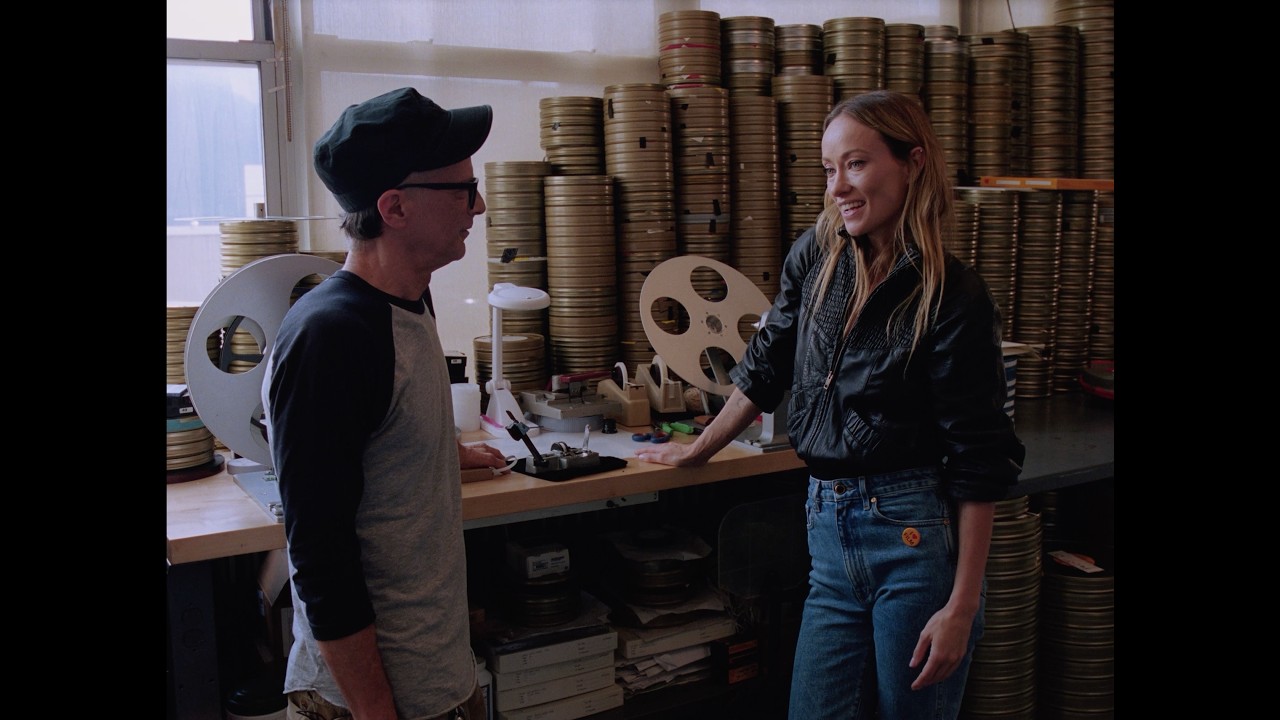

Film labs as the missing class in digital photography education
A film lab is a workshop where light‑sensitive emulsions on physical film are chemically developed, fixed, washed, and printed, turning invisible latent images into tangible negatives and photographic prints while revealing, in slow motion, how exposure, materials, and chemistry interact to create the final look of a photograph.
If you only shoot digital, the inside of a film lab can feel like an irrelevant museum. That is a mistake. The trays, tanks, and drying racks are a living diagram of image quality fundamentals: how light becomes density, how small decisions compound, and why some files sing while others fall apart. One writer who had never pressed the shutter on a film camera still came away from a tour of Kodak Film Lab NYC convinced that all photographers should watch it, because it reveals the process of film photography beyond the machinery. This is not nostalgia; it is film lab education for digital natives, a hands-on way to see what your RAW converter is quietly imitating and where it falls short.
Emulsion, anti-halation, and chemistry: the original image pipeline
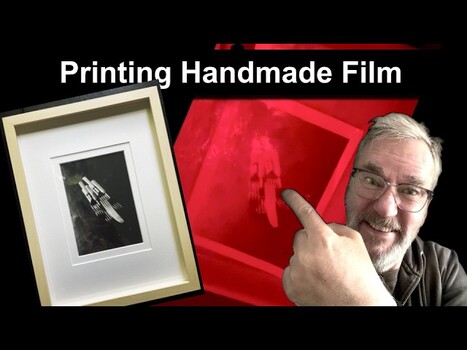
Inside a lab, film processing techniques are unapologetically physical. Orthochromatic film can be developed under red light, so you watch the image appear in the tray instead of timing it blind. Development is done in borrowed kitchen plates, then prints are washed for up to an hour with washing aids to clear leftover fixer. Every step leaves a fingerprint on image quality and color behaviour. When Ukraine’s summer heat altered emulsion viscosity, it began lifting off the base during development, literally changing texture and tone on the negative. Even the absence of an anti‑halation layer has consequences: bright spots cause small internal light leaks, making shiny metal on black backgrounds sparkle in a way commercial film deliberately suppresses. For a digital photographer, this is your reminder that there is no “neutral” pipeline. Sensors, microlenses, and in‑camera processing play the same role emulsions and backing layers do, shaping contrast, highlight rolloff, and colour before you ever open a slider.
Custom film stocks and the parallel with your edit stack
When Ari Jaaksi asked chemist‑maker Igor Polyakov to build his dream film, he was not chasing magic; he was specifying a look. Polyakov makes his own emulsion from raw silver, gelatin, and chemicals, then coats it onto a base as 120 film. Jaaksi’s brief was precise: heavy nuance, low contrast, grain welcome, speed irrelevant. He wanted contrast added at the printing stage, not baked into the negative. That is no different in spirit from creating a flat camera profile and shaping the image in your editor. The missing anti‑halation layer becomes another “parameter”: he composes around aggressive metal‑on‑black sparkle and forest scenes where light bleeds until trunks nearly vanish. According to Ari Jaaksi, a photograph is not finished until it is printed and either framed or placed in a book. Swap “printed” for “exported and sequenced” and you have a clear lesson for digital work: treat your RAW file like a soft negative and your edit like a deliberate material choice, not an afterthought.
Soft negatives, hard choices: what labs teach about tonal control
The most radical idea from the darkroom is that softness can mean control. By using a low‑contrast film, Jaaski keeps every tonal decision in the darkroom, where paper choice, exposure, and dodging define the final print rather than a pre‑cooked curve in the emulsion. He pairs different papers with different negatives on purpose and praises one surface for its yellow‑red tint and visible texture, using those traits to steer mood. He even decides which dust spots to correct and which belong to the film’s character. Digital photographers often chase punchy contrast straight out of camera, then fight clipped highlights and crushed shadows. The darkroom approach argues for the opposite: capture gently, edit decisively. Treat your base file like Jaaski’s soft negative and your tonal tools like paper grades and dodging wands. You are not fixing mistakes; you are declaring what matters in the frame.
Embodied craft and the value of touching your images
Film culture insists that photography extends beyond pressing the shutter. One commentator who only shoots digital was struck by how film photographers seem to form a bond with the craft that includes time in the lab with materials and chemicals as much as time behind the camera. They admit that editing in Lightroom is the digital equivalent and that you can build a bond with the image there, but they still find something more immersive about holding a print or negative than looking at a file on a screen. In the darkroom, Jaaski trims curled edges, washes, signs backs, matches frame colours and window mounts, and considers a photograph unfinished until it is printed. The message for digital shooters is blunt: if your images never leave the screen, your process is incomplete. Print small, sequence work, build physical contact with your photographs. Your eye will sharpen, not because film is mystical, but because committing to paper forces clarity about colour, tone, and intent.