
7800X3D vs 7700X3D: What This Comparison Is Really About
A 7800X3D vs 7700X3D comparison is a 3D V-Cache CPU comparison between two 8‑core Ryzen gaming processors that share a huge 96MB stacked L3 cache, deliver similar frame rates, but now sit at overlapping AM5 processor pricing, forcing builders to decide whether small clock and power differences matter more than real-world gaming value and available deals. With the 7800X3D discounted and the 7700X3D introduced as a lower-binned sibling, the choice has shifted from “which is faster?” to “which is the smarter buy for my mix of games and workloads.” In plain terms: both are high-end gaming chips; the 7800X3D pulls ahead on value when it is cheaper, while the 7700X3D exists to keep that 3D V-Cache goodness accessible when flagship pricing climbs again.
Core specs and cache: almost identical on paper
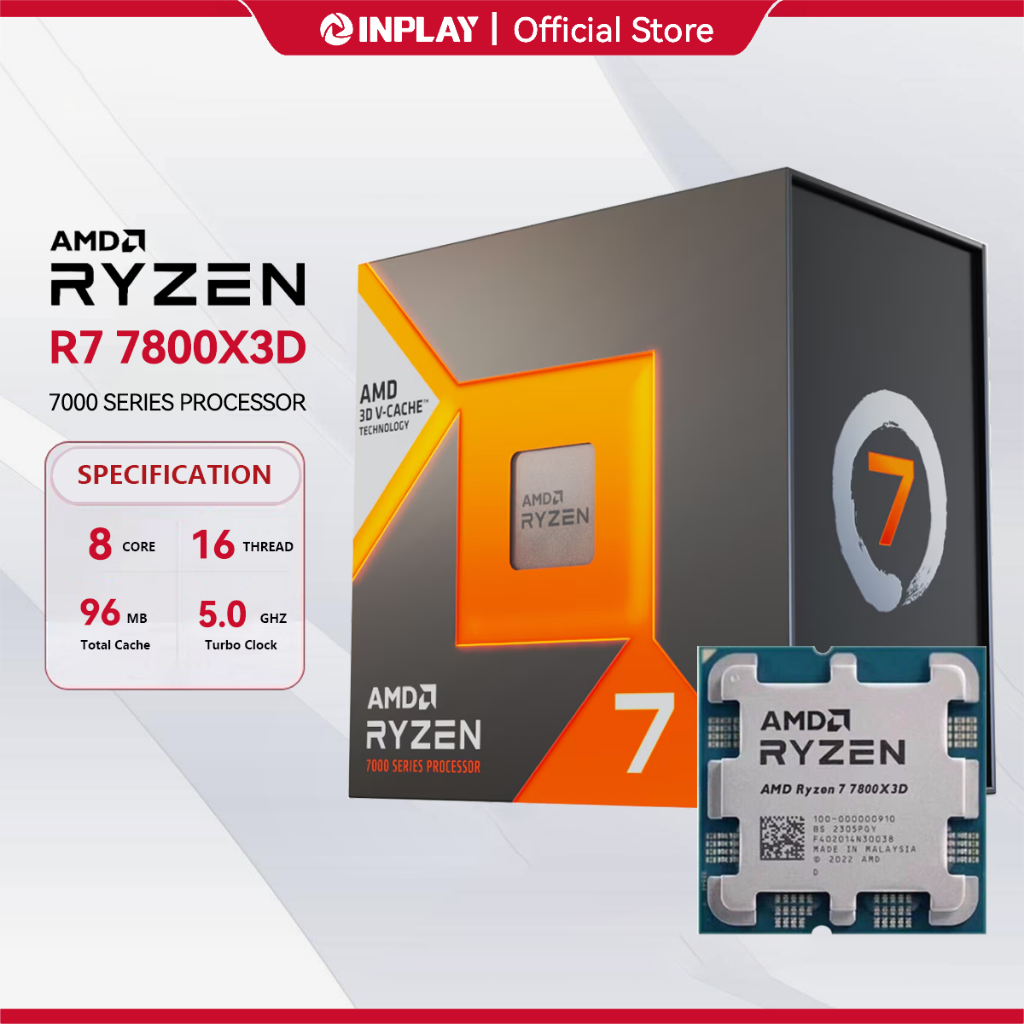
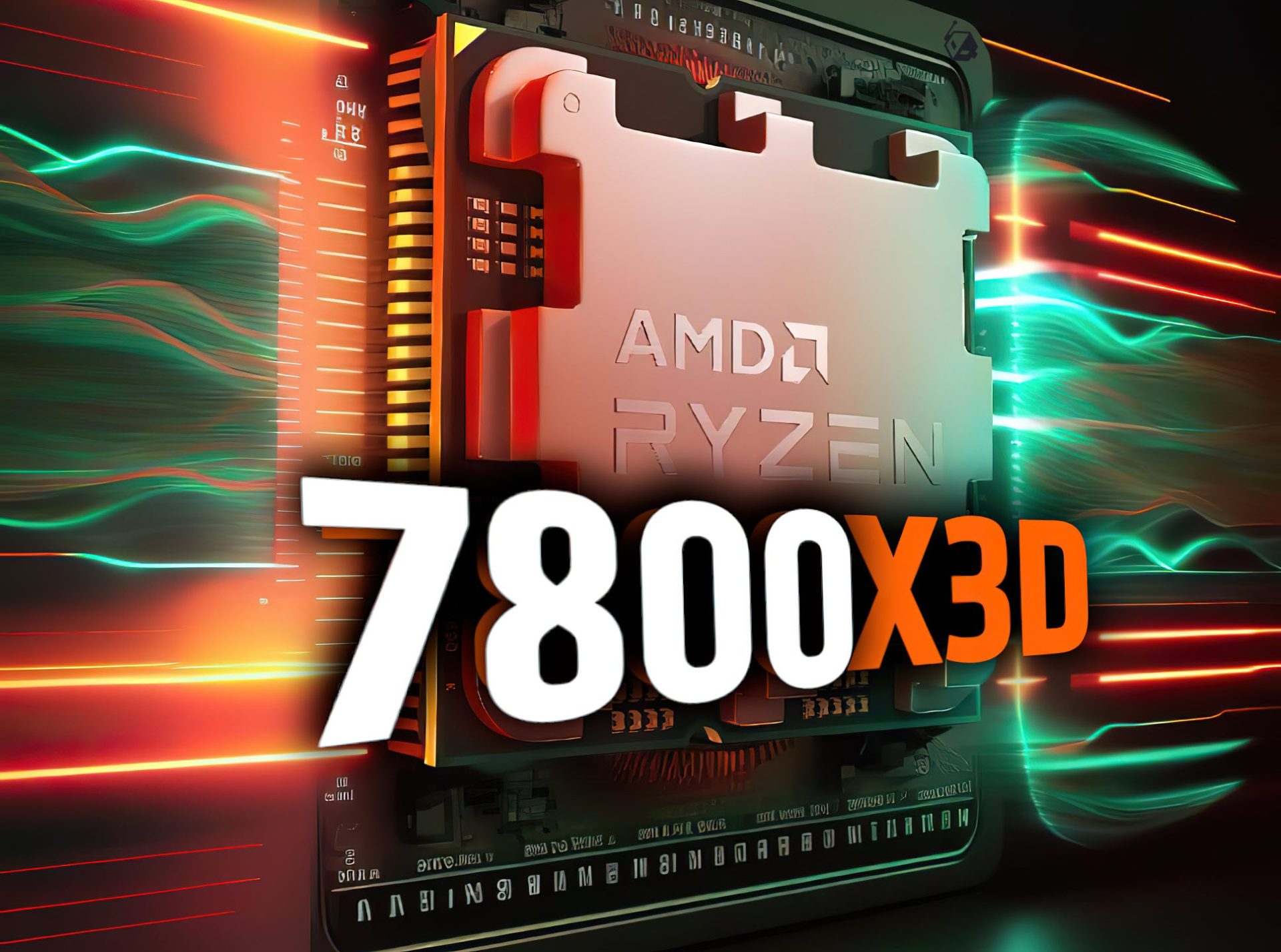
Both CPUs target the same audience: gamers who want the frame-rate advantage of AMD’s 3D V-Cache without jumping to pricier Zen 5 X3D parts. The Ryzen 7 7800X3D is an eight-core, 16‑thread Zen 4 chip for the AM5 socket that became widely known as a “game-changer” thanks to its 3D V-Cache design and efficient architecture. The Ryzen 7 7700X3D is also described as an eight‑core, 16‑thread Zen 4 chip on AM5, positioned as a lower‑binned sibling that keeps the full cache stack while cutting clocks and raising TDP. According to TechTimes, both share the same 96MB of stacked L3 cache (104MB total including L2), meaning their gaming working sets live in identical fast on‑die memory. That cache parity is the core reason gaming performance stays close despite the 7700X3D’s lower boost frequency.
| Spec | 7800X3D | 7700X3D |
|---|---|---|
| Architecture | Zen 4, 3D V-Cache | Zen 4, 3D V-Cache |
| Socket | AM5 | AM5 |
| Cores / Threads | 8 / 16 | 8 / 16 |
| Stacked L3 cache | 96MB (3D V-Cache) | 96MB (3D V-Cache) |
| Total cache incl. L2 | Not stated in source | 104MB total incl. L2 |
| TDP | Not stated in source | 120W |
| Boost clock | 5.0 GHz | 4.5 GHz |
| Overclocking | Multiplier locked (first‑gen X3D) | Multiplier locked (first‑gen X3D) |
Gaming performance: why the gap should stay small
The headline difference is clear: the 7800X3D boosts to 5.0 GHz, while the 7700X3D tops out at 4.5 GHz. On paper that 500 MHz deficit suggests a performance loss, but 3D V-Cache changes the math. Standard system memory sits around 354 CPU cycles of latency, while on‑die L3 cache is closer to 49 cycles. When modern games keep physics, draw calls, and world data in the 96MB cache, they avoid those slow trips to DDR5, so cache hit rate matters more than raw frequency. TechTimes notes analysts expect “a nominal 5% gaming performance gap on average” between the two chips, and many reviewers describe the clock cut as likely to matter less than the spec sheet implies. In practice, both should feel extremely close in most titles; only high‑refresh, CPU‑bound scenarios are likely to show the 7800X3D’s clock edge clearly.
Pricing, DDR5 costs, and real-world Ryzen gaming CPU value
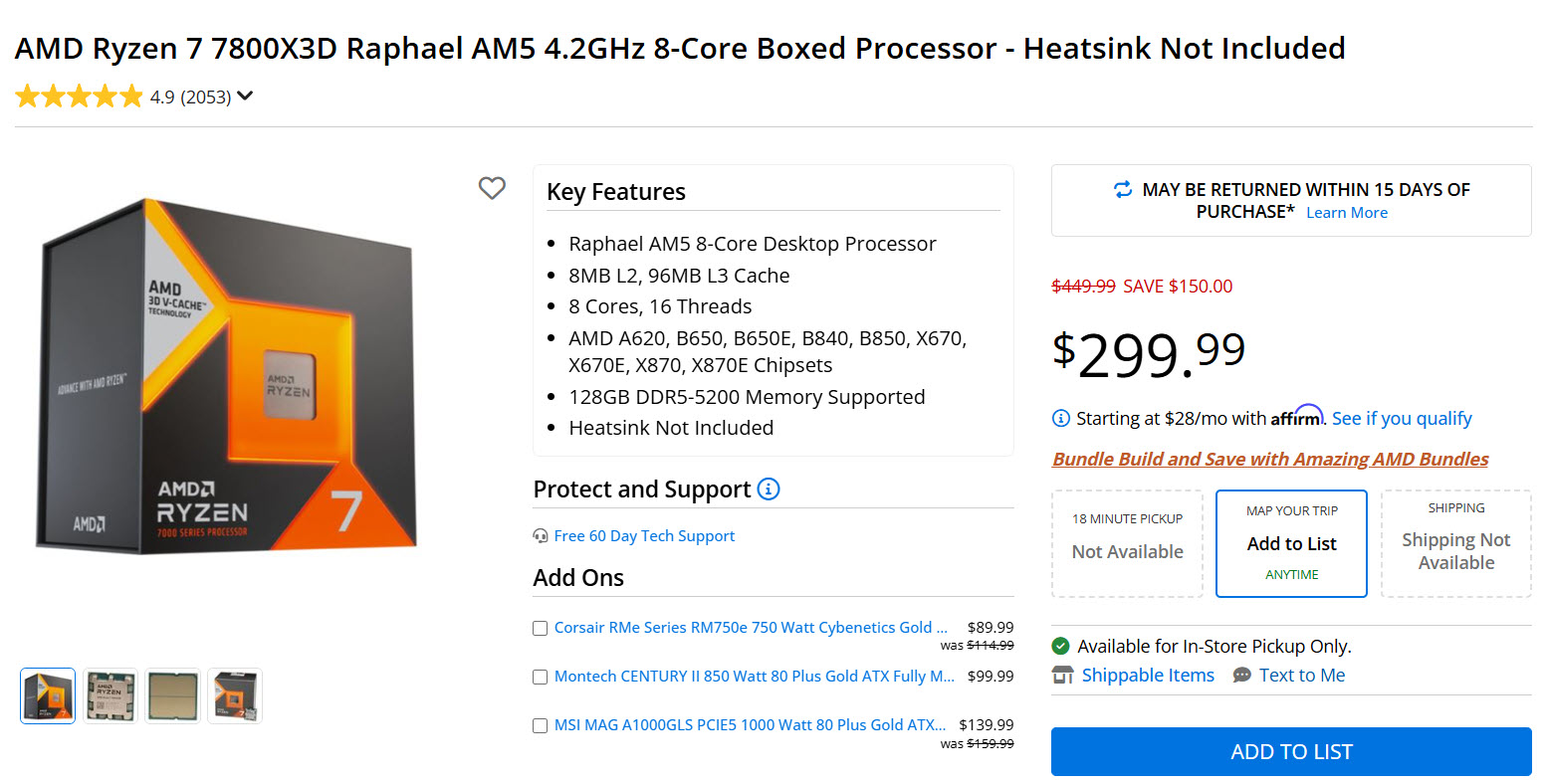
Value depends on the whole platform, not only the CPU. Microcenter’s discount drops the Ryzen 7 7800X3D to USD 299 (approx. ₱16,700), turning what launched at USD 449 (approx. ₱25,100) into a far more accessible upgrade, especially if you already own an AM5 board and DDR5 memory. The Ryzen 7 7700X3D arrives at USD 329 (approx. ₱18,400), USD 120 (approx. ₱6,700) below the 7800X3D’s launch price but above its current deal. At the same time, DDR5 prices have surged; TechTimes reports 32GB DDR5‑6000 kits that were under USD 100 (approx. ₱5,600) in early 2025 now cost USD 390–440 (approx. ₱21,800–₱24,600). That makes the 7700X3D’s insulation from memory speed appealing, but when both chips deliver nearly identical gaming performance and the 7800X3D is cheaper, the older part offers better Ryzen gaming CPU value today.
Buy if / Skip if
- Buy the 7800X3D if you can get it at USD 299 (approx. ₱16,700) or below and care most about gaming performance per dollar.
- Skip the 7800X3D if future pricing rises back near its original USD 449 (approx. ₱25,100) launch and you would rather save money with a lower‑binned chip.
- Buy the 7700X3D if its price drops below the 7800X3D and you want identical 96MB 3D V-Cache with only a small frame‑rate sacrifice.
- Skip the 7700X3D if the 7800X3D remains cheaper, since a higher clock and lower effective cost outclass its current value proposition.
- Buy the 7800X3D if you already own an AM5 board and DDR5 kit and want a drop‑in gaming upgrade without changing the rest of your build.
- Skip the 7700X3D if you are chasing maximum clocks or manual overclocking; both first‑gen X3D designs lock multipliers and favor cache over frequency.
- Buy the 7700X3D if you expect DDR5 to stay expensive and want a gaming CPU whose large cache reduces reliance on high‑speed memory kits.