

From AI notepad to programmable research workspace
Gemini Notebook is Google’s AI-powered research environment that combines source-grounded reading, conversational summarization, and native code execution so users can move from collecting information to running data analysis and producing shareable outputs within a single, synced workspace.
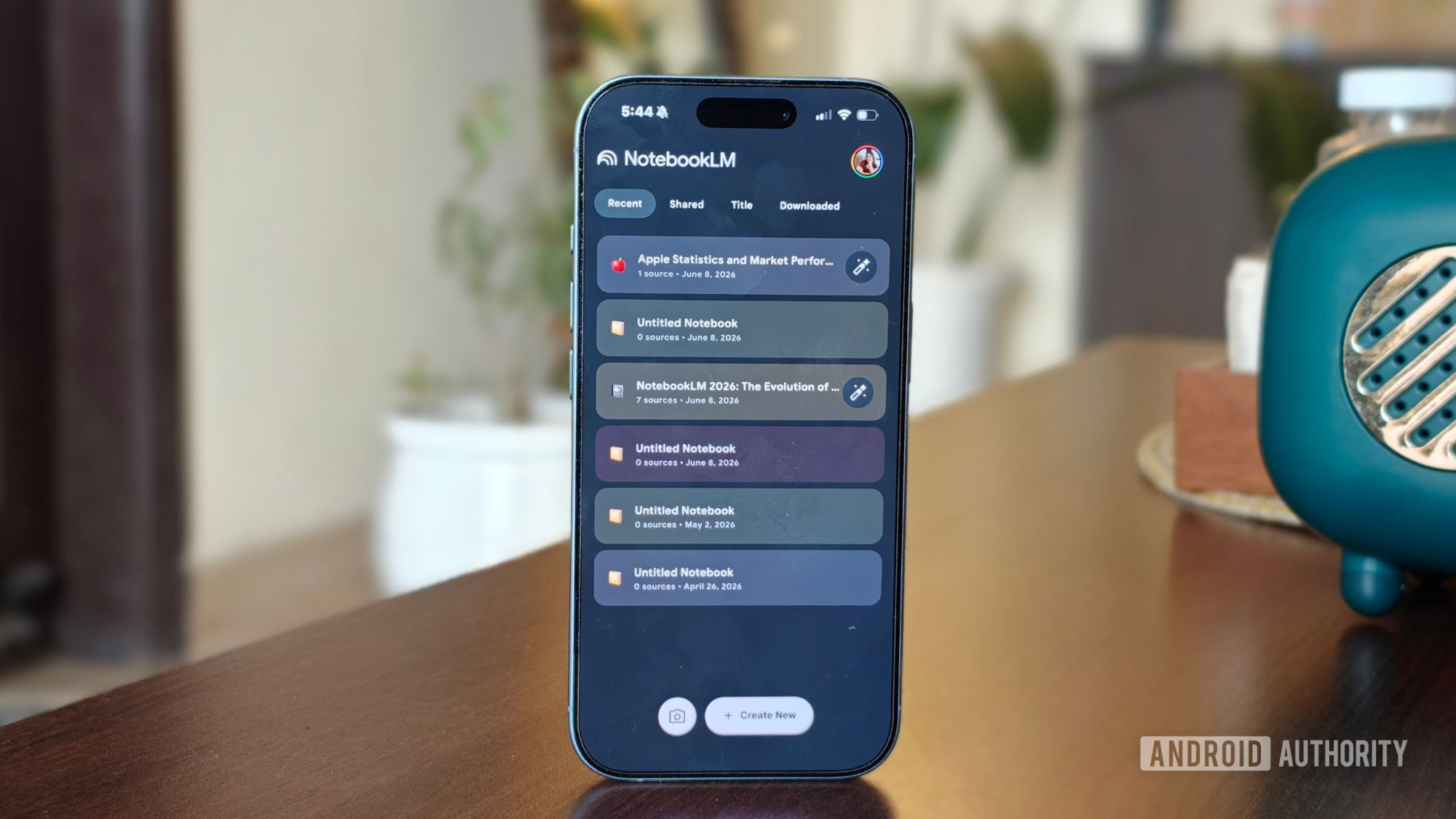
The key shift is that Gemini Notebook is no longer framed as a clever AI scratchpad; it is becoming a programmable research hub. Google has renamed NotebookLM to Gemini Notebook as it folds experimental AI products into the unified Gemini brand, pushing this tool to sit alongside its flagship models rather than on the fringe. First launched as Project Tailwind at its developer conference in 2023, the product now serves more than 30 million users and over 600,000 organizations, a scale that makes its new direction more than a niche experiment. The message is clear: AI-driven research is supposed to feed real work, not live in a separate side app.
Native code execution: where research finally meets analysis
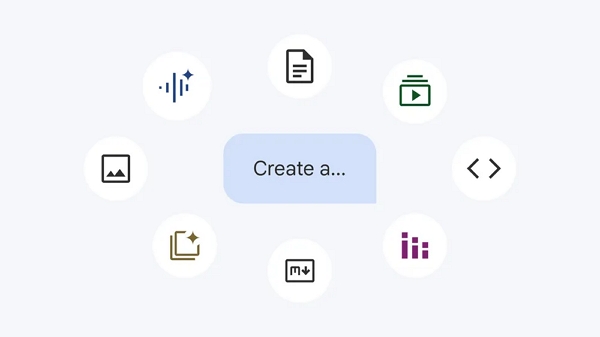
The most important change is Gemini Notebook’s native code execution. Google is giving every notebook a secure cloud computer that can write and run code directly inside the document. Each notebook now behaves like its own secure container, so users can generate code, work with multiple sources, and perform complex data analysis without exporting CSVs or juggling separate tools. This means an AI research tool can now calculate, simulate, visualize, and test hypotheses on the same sources it summarizes. Native execution also unlocks new output formats and deeper analysis, expanding Gemini Notebook’s usefulness for research, data-heavy workflows, and projects that demand more than summarization or note organization. In effect, Google is collapsing the wall between reading the data and computing on it.
For knowledge workers, that is a structural productivity win. Instead of copy-pasting model outputs into spreadsheets or code notebooks, the analysis layer now lives where the context already is. An AI agent can propose code grounded in your uploaded reports, run it in place, and then explain the results in natural language, all within one timeline. This is what AI-assisted research should have been from the start: not a chatbot about your documents, but a programmable environment tied to them.
Search and sync: turning scattered notes into a research backbone
Gemini Notebook’s biggest advantage may not be the code engine at all, but where it lives. The product remains a standalone AI research tool, yet it now works across more of Google’s ecosystem. Users can already access and create notebooks inside the Gemini app with full cross-app syncing to the dedicated Gemini Notebook experience, so your research state moves with you rather than sitting in a silo. Soon, notebooks will also be available directly in AI Mode in Search, bringing notebook-based research workflows closer to the way people search, explore, and build understanding. That integration matters: research often starts in a search box and dies in browser tabs. Routing those queries into a persistent, code-capable notebook turns casual searching into a reusable analytical asset.
This is Google’s bid to make Gemini Notebook the default research layer across its AI products. Instead of fragmented features scattered across apps, the company is threading them into a coherent workflow: find information through AI-assisted search, capture it into a notebook, analyze it with code, then share or revisit the results later. If executed well, that could shift AI from a series of isolated prompts to an ongoing research practice.
From Project Tailwind to enterprise workflows
The evolution from Project Tailwind to Gemini Notebook is also a story about scale and seriousness. First unveiled in 2023 as a research and learning experiment, the tool has grown into a service with tens of millions of users and hundreds of thousands of organizations. People already use it for workflows that look like real work, from business owners creating interactive onboarding materials to students turning notes into audio and video summaries. Adding code execution directly into that environment upgrades those projects from content formatting to genuine analysis. Google is clear that native execution is aimed at new output formats and deeper analysis, which could make Gemini Notebook more useful for data-heavy workflows and knowledge work that demands more than reorganized notes.
Access is still staged: the feature is available now for Google AI Ultra users and Workspace business customers with AI Ultra Access and AI Expanded Access, with Pro users on the web getting it in the coming weeks. That rollout sequence signals who Google thinks will benefit first: paying power users and businesses that already treat AI as part of their core workflow. If they adopt Gemini Notebook as an everyday analysis surface, expectations for what an AI research tool should do will shift across the market.
The new standard for AI-powered research workflows
Gemini Notebook’s rebranding matters less than what the product is turning into: an AI-powered research workflow that compresses the distance between reading, thinking, and calculating. By combining source-grounded research, native code execution, app syncing, and upcoming Search integration, Google is positioning Gemini Notebook as a more capable tool for learning, analysis, and knowledge work rather than a glorified summarizer. The practical effect is reduced friction: the same space where you collect sources can now host the code that interrogates them, and the narrative that explains what you found. That tight loop is how real insight is produced.
The risk is that Gemini Notebook could remain an impressive demo instead of a daily habit if teams fail to redesign their processes around it. But if knowledge workers start planning onboarding, research, and reporting flows with a code-aware notebook at the center, the benchmark for productivity tools will change. An AI research tool that cannot move seamlessly into data analysis will feel incomplete. In that sense, Gemini Notebook’s code execution is less a feature and more a line in the sand for what modern knowledge work should expect from AI.