
Learning Photography on Set Beats Any Syllabus
Learning photography on set is the process of building visual, technical, and storytelling skills by shooting real projects under professional conditions instead of only studying theory, and it turns uncertainty, responsibility, and deadlines into a fast track for becoming a reliable cinematographer.
The myth is that professional cinematography training must start in a classroom. In practice, many of the most exciting working shooters built their craft by saying yes to real jobs before they felt ready. Their classroom was a marketing office that needed “rubbish” corporate interviews, a short film crew that needed anyone with a DSLR, or a massive IMAX production where the camera runs 1,000 feet of 70mm film at 5.6 feet per second and burns through a magazine in three minutes. Those situations are not tidy. They are confusing, noisy, and unforgiving. That is exactly why learning photography on set and through real‑world photography experience is faster and more honest than any course: the work either holds up on screen, or it does not.
Eben Bolter: From Corporate Clips to The Last of Us
Eben Bolter did not begin as a carefully groomed graduate of a film academy; his path into professional cinematography training looked suspiciously like messing around with a camera after work. He started by “picking up a DSLR and shooting photographs,” travelling and learning to take better pictures as he went, purely “for the love of images”. That hands-on camera learning turned a corner when his Canon 5D Mark II suddenly gained a video mode and those street photographs “could become animations, could become movies”.
While working at a marketing company, he volunteered to shoot corporate interview videos and taught himself editing in Final Cut Pro on the job. That supposedly low-stakes real-world photography experience gave him something no workshop could: control of a full pipeline from lens to timeline. Evening film school only added collaborators; he became the default cinematographer because he owned a camera, and he found himself “suddenly a DP without really knowing what a DP was” when their shorts were accepted into festivals. This is learning photography on set in its truest, messiest form.
Imposter Syndrome, “Blagging It,” and Why Faking It Works
Bolter’s story blows up the idea that you must feel qualified before you do qualified work. With “an abundance of passion and no formal training (save the Final Cut course he was sent on by his old marketing firm),” he built a career shooting The Last of Us and Cape Fear with actors like Pedro Pascal and Javier Bardem. Even after being named a Breakthrough Brit by BAFTA in 2016 and earning a BAFTA nomination for The Last of Us, he still describes himself as someone who “started by just picking up a camera and not knowing what I was doing” and who has “sort of blagged it this far” until he feels “legitimized”.
That sense of “they’re letting me do this!” is not a flaw; it is the engine of many careers. Faking it, in this context, means saying yes before you have perfect knowledge and trusting that learning on set will catch up. It forces self‑directed learning: he could talk with directors about shots in ET, visualize them, “attempt to do that,” and accept that “the way that I fail in attempting to do that is going to make it my photography”. The result is visual storytelling that is personal, not generic.
The IMAX Shock: When the Gear Teaches You
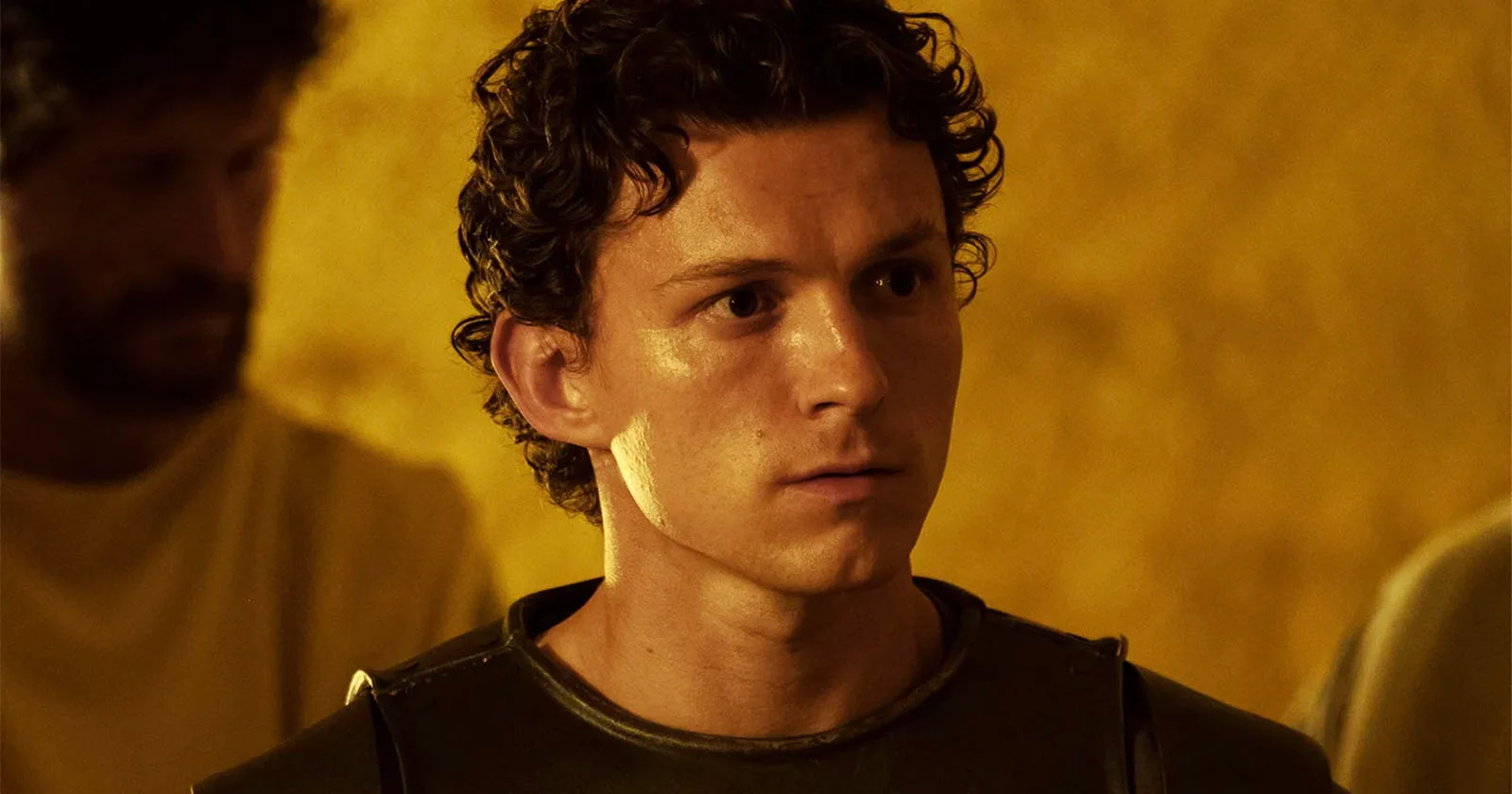
If Bolter’s path shows how small cameras and corporate jobs can turn into prestige television, Tom Holland’s experience on The Odyssey shows what happens when you are thrown into the deep end of high-end gear. Working with the IMAX large-format film camera “for the first time is an experience” unlike anything he had seen before. Playing Telemachus, he watched director Christopher Nolan keep calling cut after a few minutes and assumed he was failing, unaware that the camera’s magazine only runs three minutes at 24 frames per second because it moves film at 5.6 feet per second through the gate and holds 1,000 feet of 70mm film.
That is learning photography on set in its purest form: you do not read about IMAX limitations, you feel them in your bones as the camera stops mid‑performance. You discover downsides, too. Historically, sound “has always been an issue for IMAX cameras, especially when shooting dialogue in small spaces”, which prompted solutions like a blimp system on the latest Keighley camera. Holland calls working with Nolan and producer Emma Thomas “the best experience I’ve ever had,” a front row seat to how masters work. Those lessons cannot be replicated by a lecture.
Why Sets Make Better Teachers Than Schools
Look at the pattern: both the BAFTA‑nominated DP shooting The Last of Us and the actor thrown under an IMAX rig learned more from the pressure of real productions than from any formal syllabus. One learned cinematography by being the person with a Canon DSLR and a willingness to shoot corporate interviews, then short films, then prestige series. The other learned IMAX’s brutal three‑minute magazine limit by watching takes end abruptly.
Self-directed learning combined with professional responsibility sticks. You remember how a camera behaves when a client is waiting, and you keep innovating because the next job will be different. If you are serious about real-world photography experience, you should treat every opportunity—no matter how small—as professional cinematography training. Shoot the dull corporate piece; volunteer on a short; pay attention when directors reference classic scenes; compare how different cameras sound, feel, and fail. And if you want to move into more serious shooting, you can always look up the best cinema cameras and the best cameras for filmmaking. But the gear is secondary. The real course happens whenever the red light is on and there is no professor to save your shot.