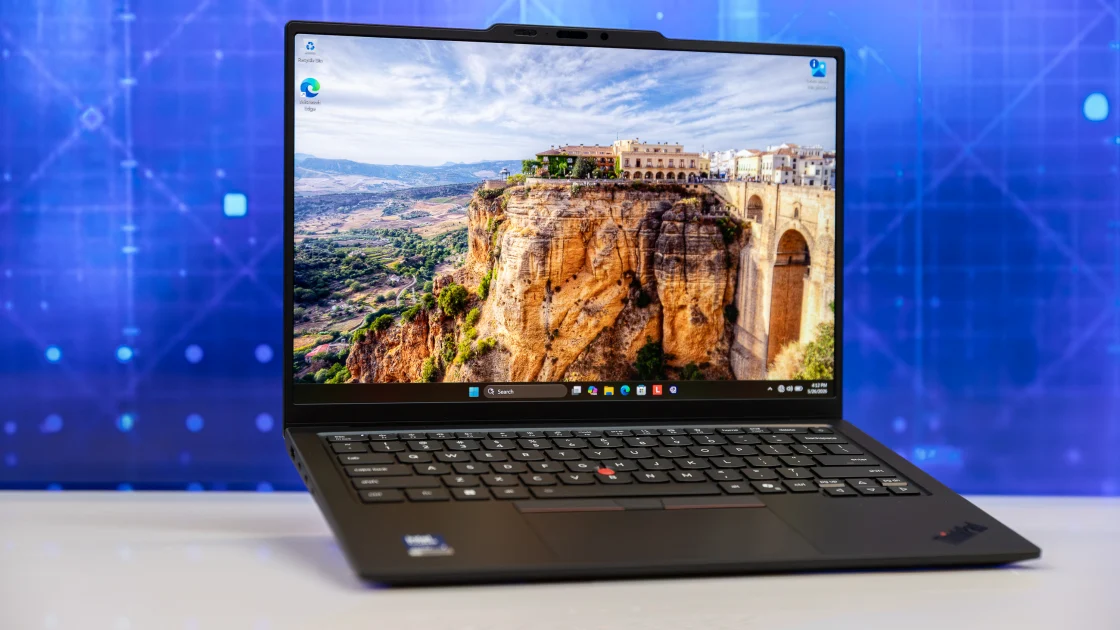

Repairability: The New Benchmark for a Premium Work Laptop
Repairable business laptops are premium notebooks designed so that core parts like the battery, keyboard, ports, and cooling system can be accessed, removed, and replaced with basic tools, extending their useful life, reducing waste, and making ownership more sustainable for professionals and IT teams.
The best business laptop upgrade today is not another tiny bump in benchmark scores; it is a design that refuses to be disposable. Premium machines are finally being built with laptop repairability design at their core, and that shift matters more than any new processor logo on the palm rest. Lenovo’s ThinkPad X1 Carbon Gen 14 Aura Edition is the clearest signal so far: a flagship workhorse that treats repairability as a first-class feature, not an afterthought. In a market still crowded with sealed, glued-together shells, this is a deliberate rejection of throwaway laptop culture—and it is long overdue.
Inside the ThinkPad X1 Carbon: Durability Meets a Screwdriver-Friendly Interior
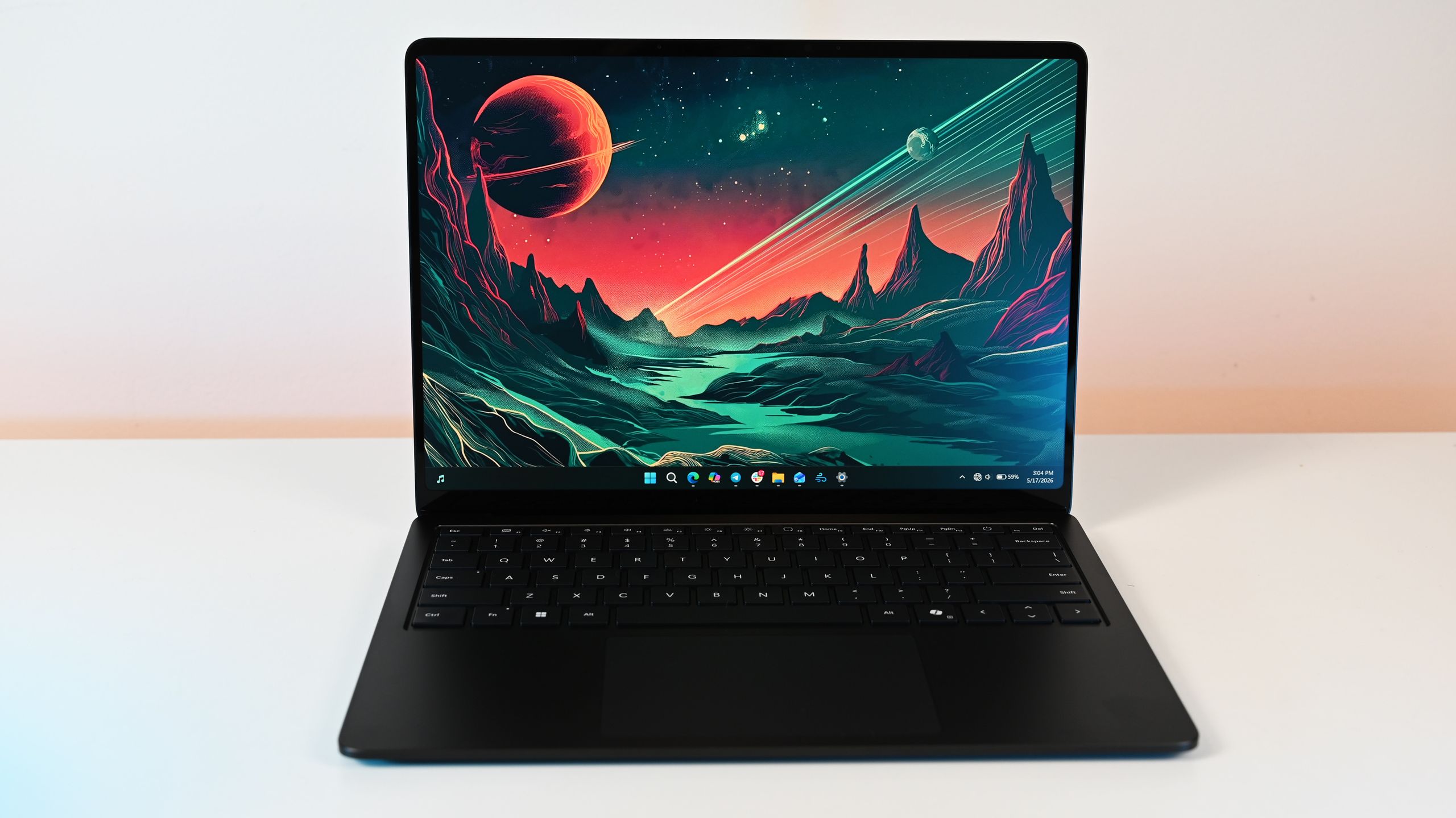
The ThinkPad X1 Carbon Gen 14 Aura Edition shows how high-end design and repairability can reinforce each other instead of competing. Its carbon-fiber chassis keeps the machine compact, thin, and surprisingly lightweight at 2.2 pounds while still feeling high-end in the hand. Despite a bit of flex if you press hard, it carries a MIL-STD 810H durability rating, underlining that portability no longer has to mean fragility. This is what modern ThinkPad X1 Carbon durability looks like: light, but built for real work, not glass-shelf display.
The real revolution happens under the keyboard. Lenovo’s new “Space Frame” design debuts here, using a two-sided plate to mount key components on both sides instead of stuffing everything on a traditional mainboard. This internal redesign cuts the circuit board footprint by 20%, creates more room for modular parts, and opens the door to practical, sustainable laptop ownership rather than locked-down hardware that is cheaper to replace than fix.
Modular Parts and a 9/10 Score: What Repairable Design Looks Like in Practice
The most important change in the X1 Carbon Aura isn’t something you see on a spec sheet—it is how fast you can open it and swap a part. Remove four bottom screws and you are inside; a few more and the battery comes out. Speakers, battery, I/O port headers, and cooling fans are individually screwed to the frame as modular components, so a single failed fan or port no longer threatens the whole machine. The keyboard is no longer riveted to the palm rest, turning what used to be a nightmare repair into a quick job.
This is laptop repairability design in action: fewer glue traps, more standard screws, and parts meant to be removed instead of discarded with the chassis. The approach clearly borrows from the modular philosophy popularized by upstart makers of highly repairable notebooks, but that is exactly the point. "The new X1 Carbon earned a 9 out of 10 repairability score from iFixit," a score that turns a corporate workhorse into a flagship example of sustainable laptop ownership. It is easier to manage for IT and kinder to the planet at the same time.
Performance, Cooling, and Battery Life: Longevity Is the New Luxury
For repairable business laptops to succeed, they cannot feel like compromises—and the latest premium models prove they do not have to. The redesigned X1 Carbon interior makes space for a fan that is 70% larger than before, helping the system sustain up to 30W during demanding workloads without cooking itself into an early death. That is performance in service of longevity, not spectacle. The carbon-fiber build keeps things light while still feeling premium in day-to-day use.
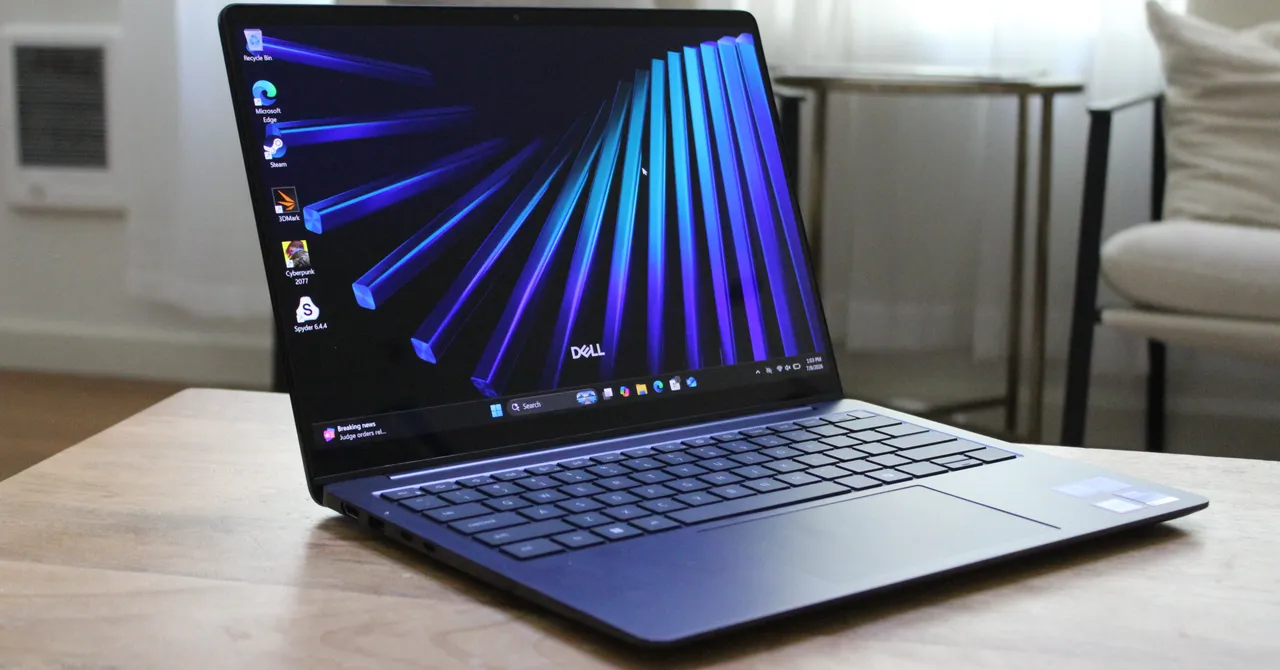
Other modern business machines show the same priorities in different ways. One 14-inch laptop built around Intel’s latest Core Ultra Series 3 chips pairs modest graphics gains with exceptional efficiency; in local video tests, its battery took 20 hours to drop by 50% charge. According to a recent review, that system’s configuration with a Core Ultra 7 355, 16GB of RAM, and 512GB of storage sells for USD 1,469 (approx. ₱82,300), still priced between 13-inch and 15-inch competitors from a rival platform. As that review notes, "the Core Ultra 7 355 lands somewhere between the Apple M4 and M5 in multicore performance," underlining how far efficient chips have come without sacrificing everyday speed.
From Throwaway Culture to Sustainable Ownership
The shift toward repairable business laptops is not sentimental; it is a hard pivot away from a fragile, throwaway model that served vendors better than customers. When a keyboard spill or fan failure used to mean scrapping an otherwise capable machine, businesses were pushed into expensive and wasteful replacement cycles. By contrast, the X1 Carbon Aura’s accessible interior and modular parts let savvy users or IT staff isolate a single bad component and keep the machine in service with minimal downtime.
This trend appeals to sustainability-focused enterprises because it connects day-to-day practicality with environmental responsibility. A highly repairable notebook is "a win for both sustainability and for office workers or IT managers since it’s easier to manage". As more premium laptops balance strong performance, efficient chips, and designs that welcome a screwdriver, the higher upfront sticker price starts to look less like a luxury and more like a long-term commitment to durability. Premium no longer means disposable perfection out of the box; it means hardware that can survive mistakes, wear, and time—and still be worth opening up instead of throwing away.