
The Top Pick: A $4 Pocket Compact Beats Waiting for a Leica
Budget film photography is the practice of learning and enjoying film cameras and film stocks using cheap film cameras, affordable vintage cameras, and competitively priced emulsions so that beginners can focus on shooting, composition, and exposure instead of worrying about expensive gear or high running costs.
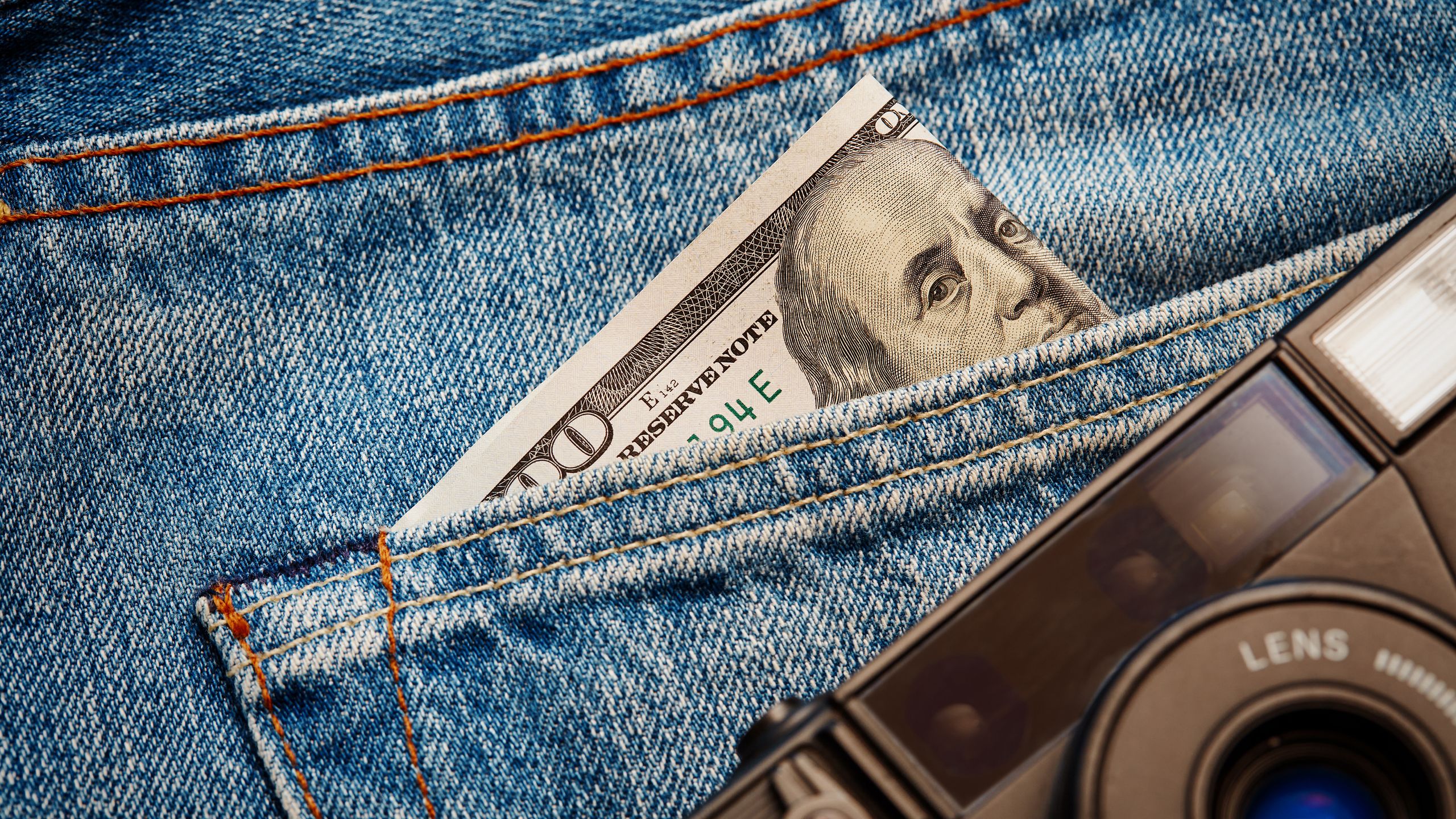
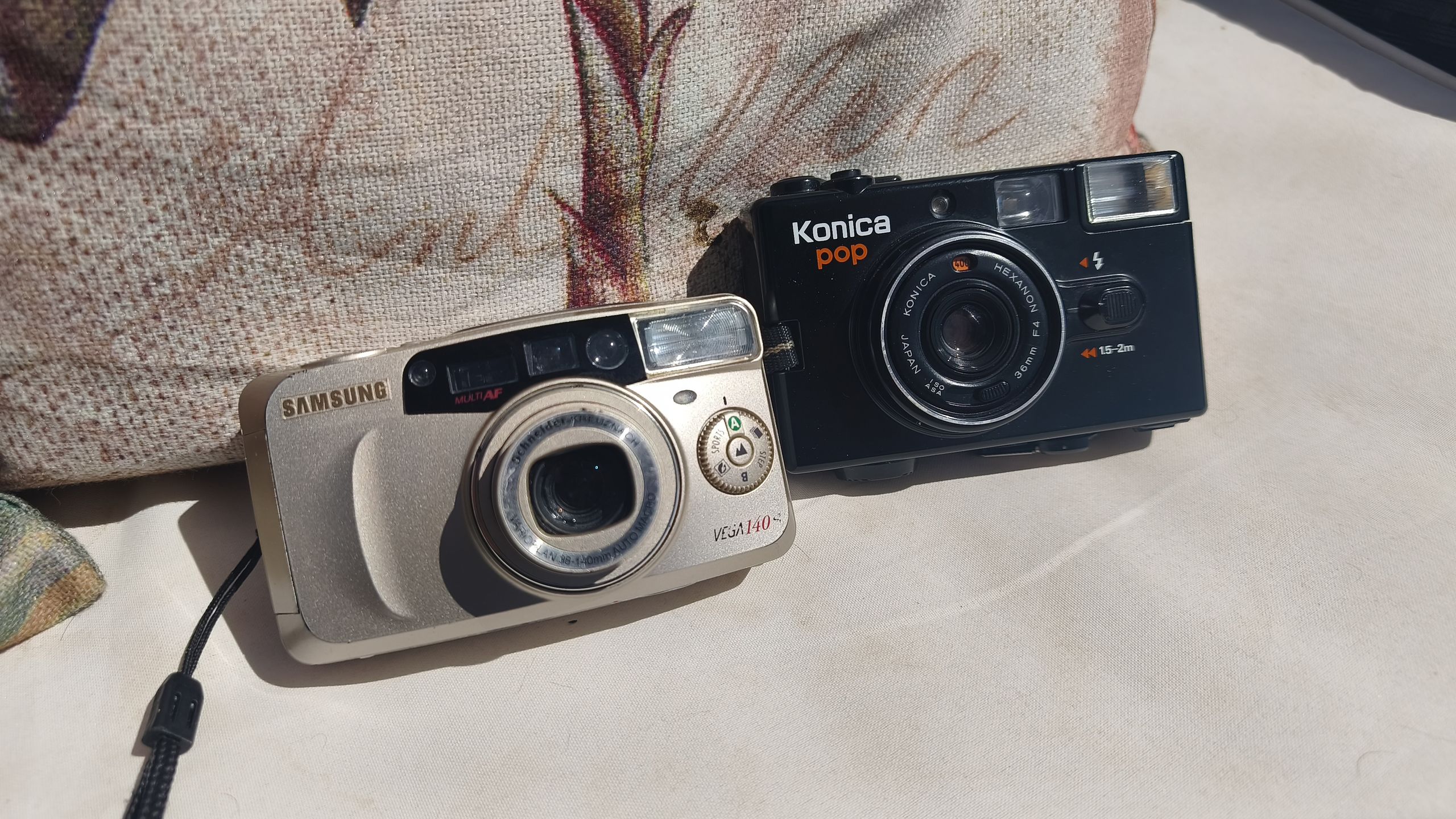
If you are starting film photography, your best first camera is the kind of cheap compact you can dig out of a second-hand stall for around the price of lunch. A standout example is a vintage pocketable compact such as the Konica Minolta Pop, picked up in excellent condition for USD 4 (approx. ₱230). It proves you do not need an expensive rangefinder to get satisfying results. Cheap compact film cameras fit inside a coat pocket, weigh almost nothing, and are ready to shoot the moment a scene appears. Many have surprisingly sharp fixed lenses plus automatic exposure and built‑in flash, so you can forget about light meters and complicated aperture choices while you learn the basics of framing and timing.
This type of compact is perfect for a film photography starter who wants to shoot everyday life, friends, and street scenes without worrying about settings. You point the camera at something interesting and press the shutter, letting the photograph take priority over the equipment. The trade‑offs are real: older compacts can miss focus or misjudge exposure, and some rolls will show imperfections. But at this price, those flaws are part of the charm, not a disaster. For most beginners, a cheap pocket compact wins because it removes intimidation, keeps risks low, and makes each frame feel fun rather than nerve‑wracking.
Zoom and Panoramas for USD 6: Samsung Vega 140S
If you want more flexibility than a fixed‑lens compact but still care about budget film photography, look for zoom point‑and‑shoots like the Samsung Vega 140S. Found on the same stall as the Konica Minolta Pop, this camera cost USD 6 (approx. ₱340), yet adds a different way of seeing to your bag. It has autofocus and a big 38–140mm zoom lens made by Schneider‑Kreuznach, giving it far more versatility than its small plastic shell suggests. You can move from wider everyday views to tight details of architecture or portraits without changing lenses.
The Vega 140S also offers a cropped panoramic format that turns your frames into long, cinematic shapes. That feature alone can make familiar streets feel fresh. This kind of zoom compact is ideal for learners who want to experiment with different focal lengths and compositions while keeping the upfront cost tiny. Autofocus and automatic exposure handle the technical work, so you can practice how perspective changes between 38mm and 140mm.
The downsides: zoom compacts are more complex than fully manual vintage cameras, so age‑related failures are possible, and the lenses are usually slower, which can mean more blur in low light. Focus can occasionally miss, and exposures are not perfect. Still, for USD 6 (approx. ₱340) you gain a tool that encourages creative play, lets you discover your preferred focal length, and makes affordable vintage cameras feel exciting instead of fragile collector’s items.
| Spec | Pocket Fixed Compact | Samsung Vega 140S |
|---|---|---|
| Lens type | Fixed prime lens (automatic exposure, built-in flash) | 38–140mm zoom lens by Schneider‑Kreuznach with autofocus |
| Typical use | Everyday snapshots, street, casual portraits | Variable perspectives from wide scenes to tight details |
| Price example | USD 4 (approx. ₱230) | USD 6 (approx. ₱340) |
| Portability | Extremely light, coat‑pocket friendly | Small but slightly bulkier zoom body |
A Weird but Fun Sidekick: Godox C100 for Under USD 50
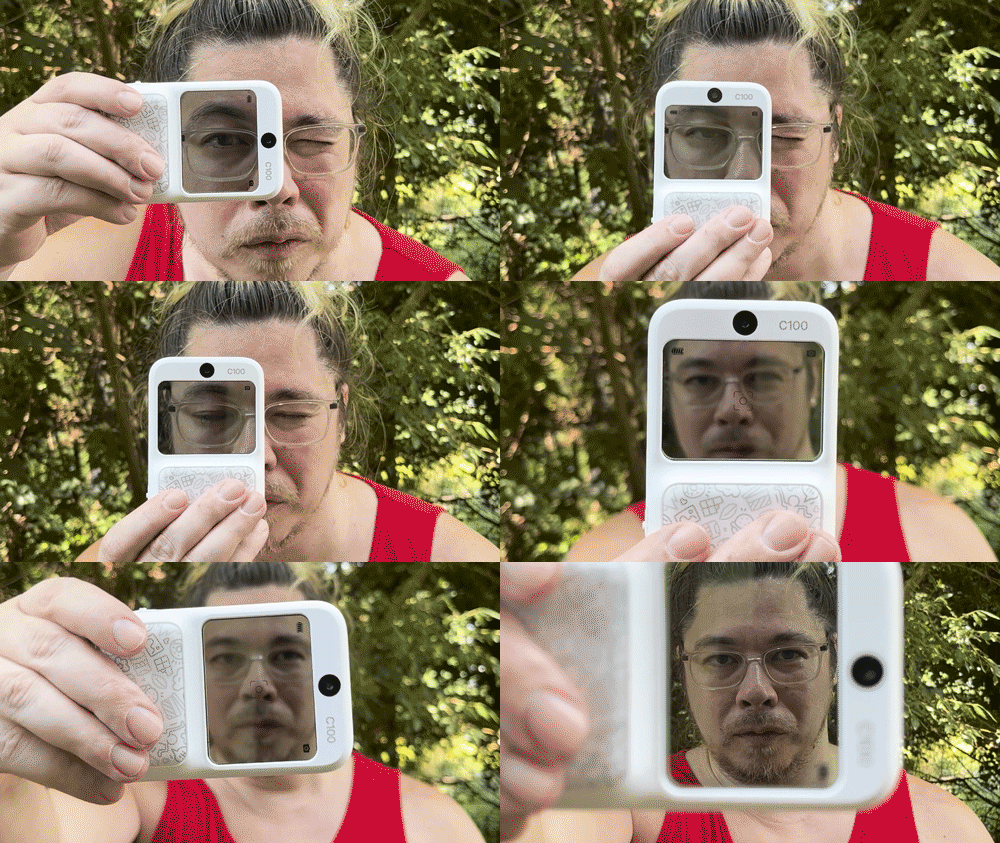
If you want something playful alongside your film setup, the Godox C100 "transparent viewfinder camera" is a digital oddball that pairs well with budget film photography. It was described as "the most fun USD 45 (approx. ₱2,600) I've ever spent on camera stuff," which sums it up: more toy than tool, but far more usable than it looks. Over half of its tiny 104 x 71.7 x 19.1mm frame is taken up by an intelligent transparent display, a see‑through LCD that shows your image frame, battery level, and shooting mode.
You aim through the giant optical finder and frame as best you can, with selectable aspect ratios—16:9, 4:3, 3:2, or 1:1—cropping the base 1920×1080 image. Image quality is surprisingly good for a 2MP sensor; with minor editing, photos look perfectly respectable for social sharing or visual notes. It even captures 1080p video. This is a brilliant camera for kids, since it is tiny, fun, and encourages patience because you have to wait until you get home to see what you captured.
The Godox C100 is not a replacement for your film camera, and you would not shoot a wedding with it. Its low resolution and novelty design push it firmly into casual territory. Yet as a companion to affordable vintage cameras, it keeps experimentation cheap and adds a screen‑free digital experience that feels closer to film’s delayed gratification than typical smartphones. For anyone building a film photography starter kit under USD 50 (approx. ₱2,900), the C100 is a fun sidekick that keeps pressure off your film rolls.
Film Costs: Why Kodak Gold Still Makes Sense
All this gear would mean little if film prices made every click painful, but popular stocks like Kodak Gold remain competitive. A programmer behind the blog Analog Cafe created a tool that tracks film prices across several stores. Monitoring prices from the first half of 2026, the analysis showed an average film price change of 2.5%, below the typical annual inflation rate of 3% over the same period. More importantly for budget film photography, the study compared today’s Kodak Gold prices with the 1990s.
Back then, a 24‑shot roll of Kodak Gold cost USD 4.60 (approx. ₱265). Adjusted for inflation and wages, that equals about USD 11.40 (approx. ₱655) today. Over the past six months, Kodak Gold’s average price has been USD 10.34 (approx. ₱595) for a 36‑shot roll. In other words, you now pay less per frame than in the 1990s, even though trends can make film photography feel more expensive. Some films, such as Kodak UltraMax 400 and T‑Max 400, have even dropped slightly in price over the last half‑year.
Yes, film is still the priciest part of shooting compared with a one‑time digital purchase, but budget gear changes the psychology. When your camera cost USD 4–6 (approx. ₱230–₱340), every roll feels like an affordable experiment rather than a high‑stakes luxury. Cheap compact film cameras, affordable vintage cameras, and steady Kodak pricing keep film photography accessible, spontaneous, and fun.
Buy if / Skip if
- Buy the cheap pocket compact if you want a film photography starter that lets you focus on framing and timing instead of technical settings.
- Skip the cheap pocket compact if you need precise control over aperture, manual focus, and consistent exposure for paid or critical work.
- Buy the Samsung Vega 140S if you want inexpensive access to a 38–140mm zoom and panoramic mode to experiment with different perspectives.
- Skip the Samsung Vega 140S if you dislike the bulk of zoom compacts or worry about older autofocus mechanisms and electronics failing over time.
- Buy the Godox C100 if you want a playful, under‑USD‑50 (approx. ₱2,900) companion that feels closer to film’s delayed viewing than a smartphone.
- Skip the Godox C100 if you expect high‑resolution stills or plan to shoot events where image quality must rival modern dedicated digital cameras.
- Buy the Kodak Gold film stock if you want a popular color film whose per‑frame cost is now lower than comparable 1990s pricing.
- Skip the Kodak Gold film stock if you prefer black‑and‑white workflows or specialty emulsions and are prepared for higher and more variable prices.