
Event Photography Starts With Intent, Not Gear
Event photography is the craft of using deliberate camera settings, thoughtful composition, and active subject direction to record weddings, celebrations, performances, and journeys in a way that feels emotionally truthful rather than random or purely documentary. Your camera does not care whether it’s a bridal portrait, a cake smash, or a first dance; it will only record whatever you tell it to. The difference between forgettable snapshots and meaningful images is whether you tailor your technical choices and posing to the specific event in front of you. That means committing to clear priorities—motion versus detail, atmosphere versus expression—and then setting shutter speed, aperture, ISO, and autofocus to serve that goal. Event photography rewards photographers who decide what the moment should look like before they press the shutter, instead of hoping the camera will “figure it out.”
If you want consistent results across weddings, birthdays, and road trips, stop chasing universal event camera settings and start matching your setup to the story you’re trying to tell.
Wedding Photography Poses: Direct the Bride Like a Portrait Artist
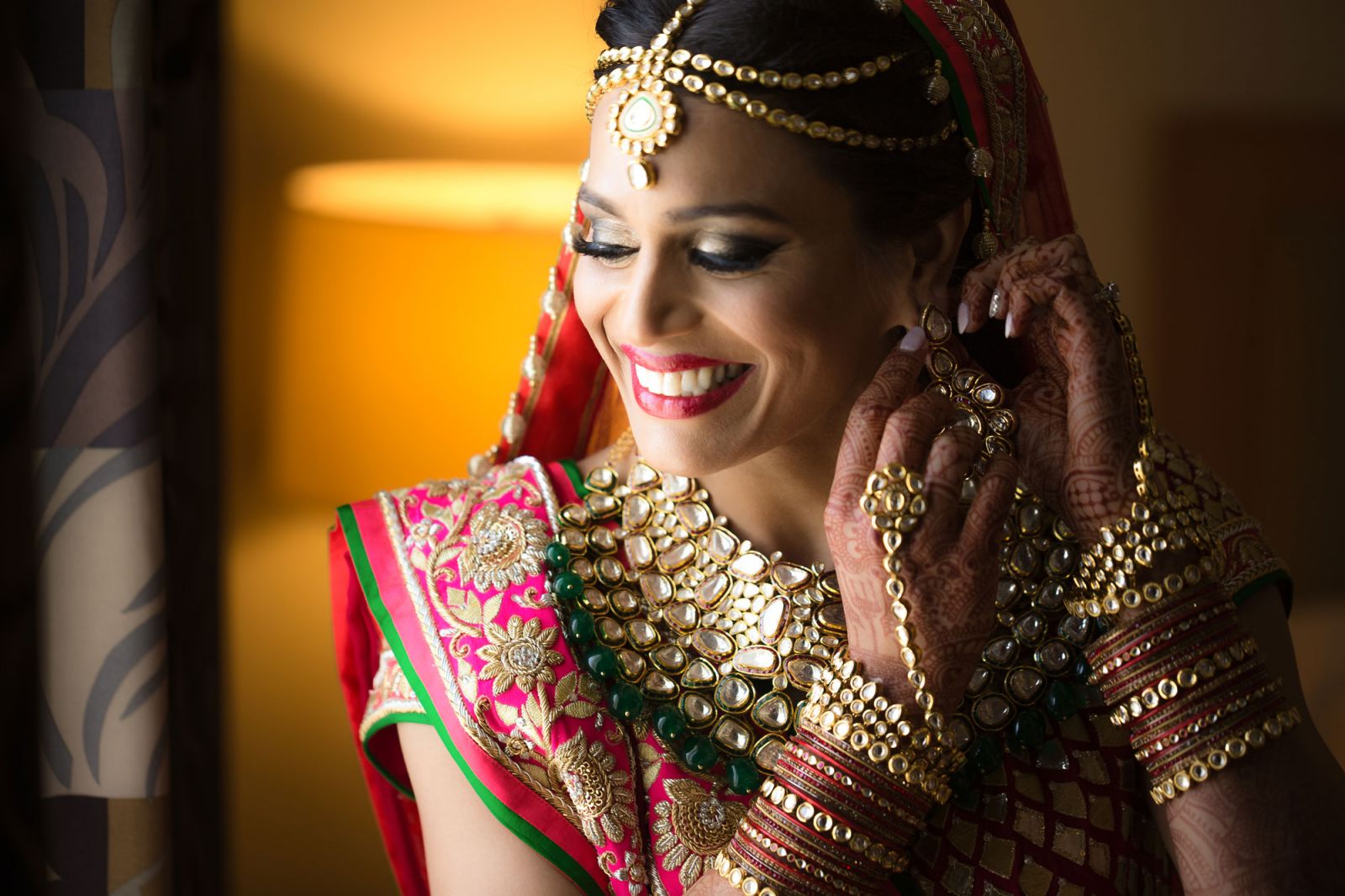
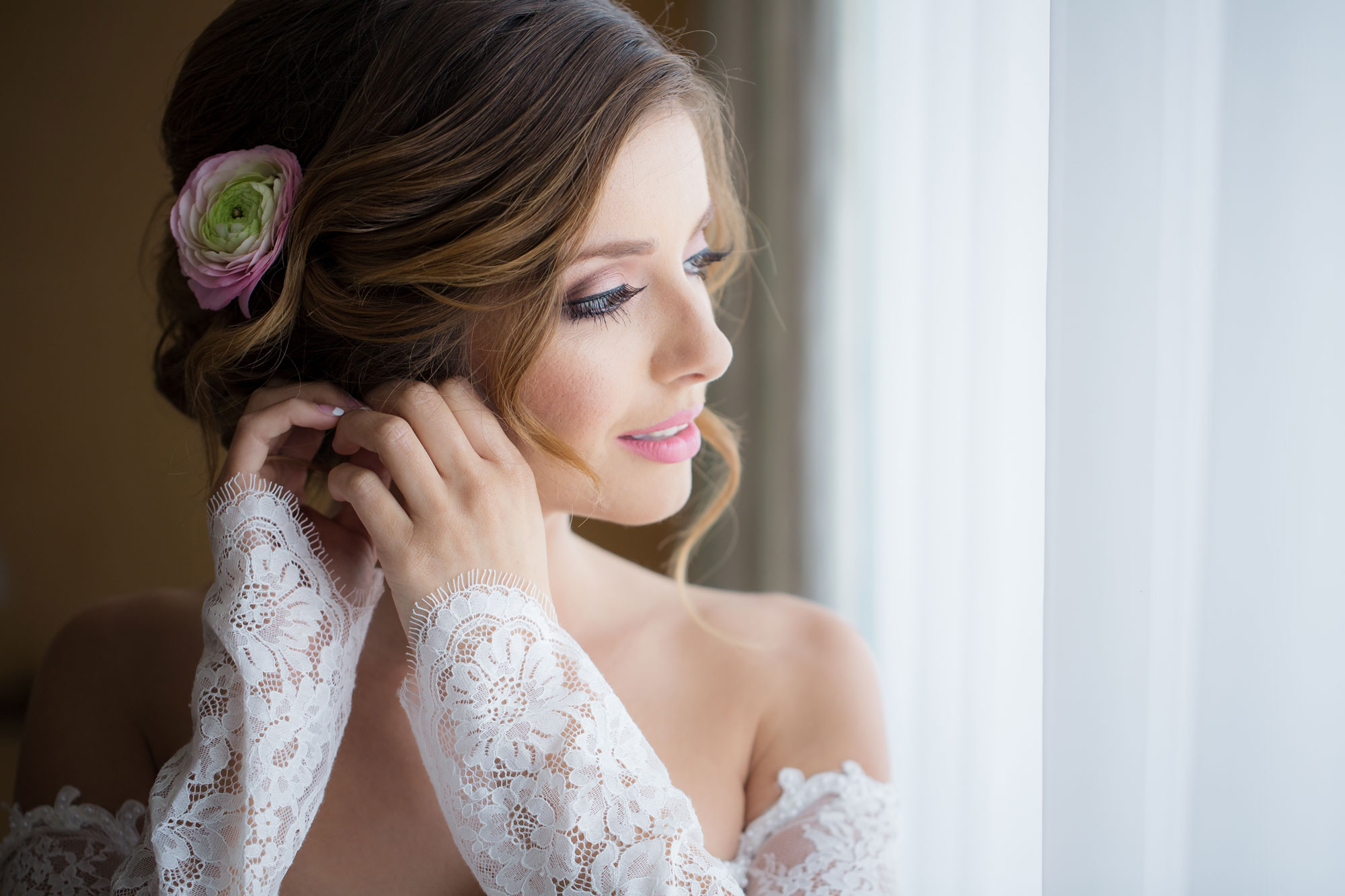
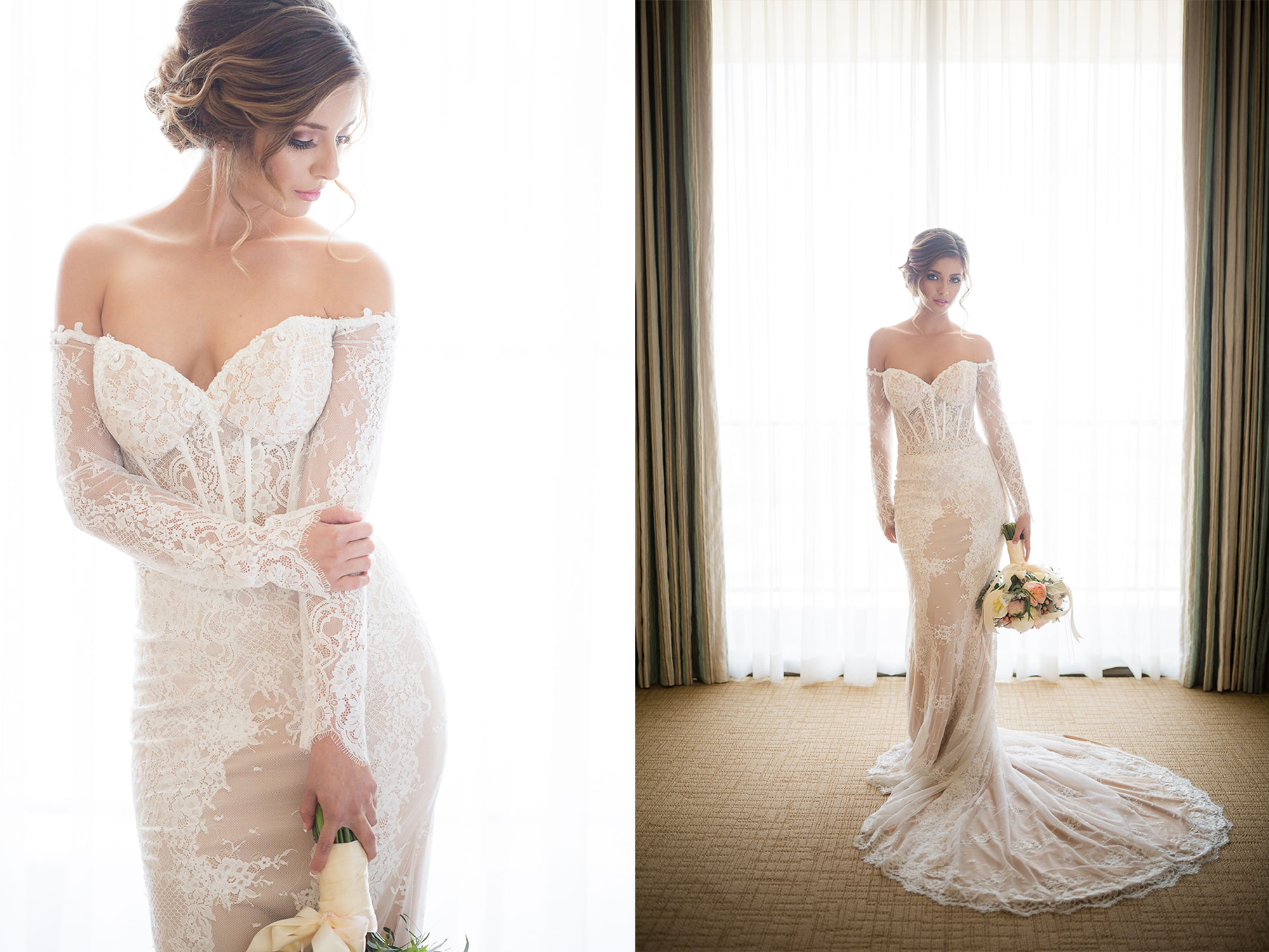
Bridal portraits fail when photographers treat the bride as a prop rather than a person. Wedding photography poses should honor the dress, flatter the body, and reveal personality in a few efficient setups. Start with a full-length, standard standing pose—this is non‑negotiable, because the bride invested heavily in that dress and expects to see it beautifully recorded. From there, move through micro‑poses: narrow stance, one knee crossing center, hip slightly kicked, straight spine, and visible arm space to avoid a blocky silhouette. Hands should either have a clear purpose (holding bouquet, adjusting accessories) or rest softly, never dangling without intent.
For the classic back-of-the-dress shot, have her turn away and look over her shoulder while keeping her chin separated from the shoulder to preserve a clean facial profile. Use bridal accessories—shoes, earrings, bracelets—as excuses for natural movements, but watch for relaxed joints and avoid mirrored limbs, which read stiff on camera. Technically, favor a moderate to wide aperture (around f/2.8–f/4) for gentle background separation and single-point or eye-detect autofocus on the face. The point is simple: you are shaping a flattering, feminine pose, not recording whatever stance she happens to fall into.
Dance Photography Techniques: Embrace Speed, ISO, and Timing
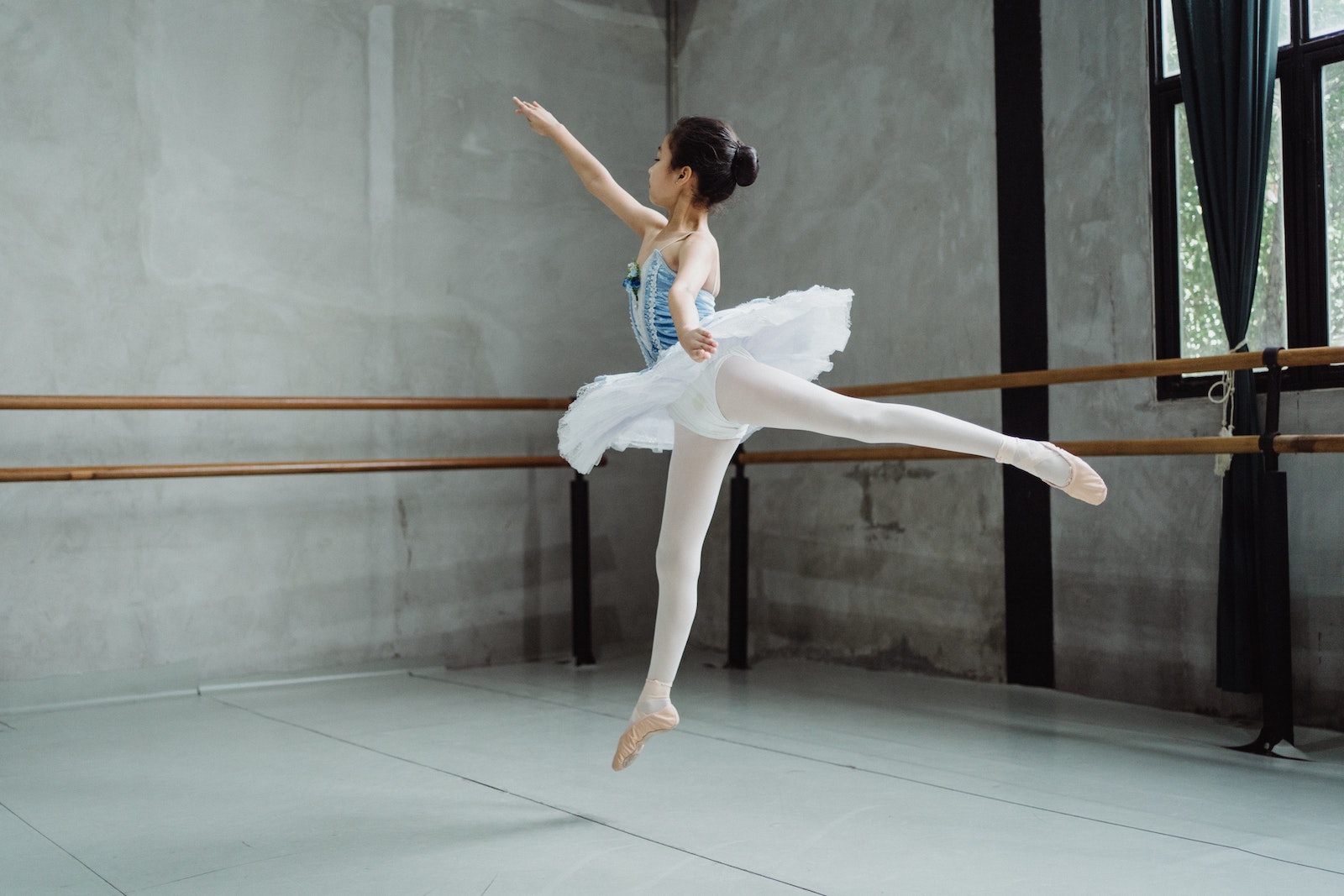
If you try to photograph dance like a static portrait, you will miss the entire point. Dance photography techniques must prioritize motion: fast shutter speeds, high ISO tolerance, and anticipatory timing to freeze peak action. When you want crisp detail—wedding first dances, competitions, stage performances—work at 1/500s or faster, with 1/200s as an absolute minimum to keep blur from ruining form. Accept the higher ISO this demands in dim venues; noise is less damaging than smeared movement. Pair that speed with a wide aperture, around f/4 or wider, to isolate dancers from messy backgrounds and to pull as much light as possible in low‑light situations.
Good timing is not luck. Study the space and watch warmups, or ask a couple to walk you through their first dance in advance so you can anticipate lifts, spins, and dips. According to the dance photography guide, "Before the performance begins, take some time to study the location and the dancers" to plan your composition and settings around their marks. Use continuous autofocus with subject tracking, and shoot short bursts at key moments rather than spraying the entire routine. When you choose to show motion—intentional blur, camera twists, longer exposures around 1/4–1/2s—the same rule applies: decide in advance which part of the frame should stay sharp so the blur feels expressive instead of accidental.
Celebration Photography Settings: Smash Cake, Birthdays, and Genuine Reactions
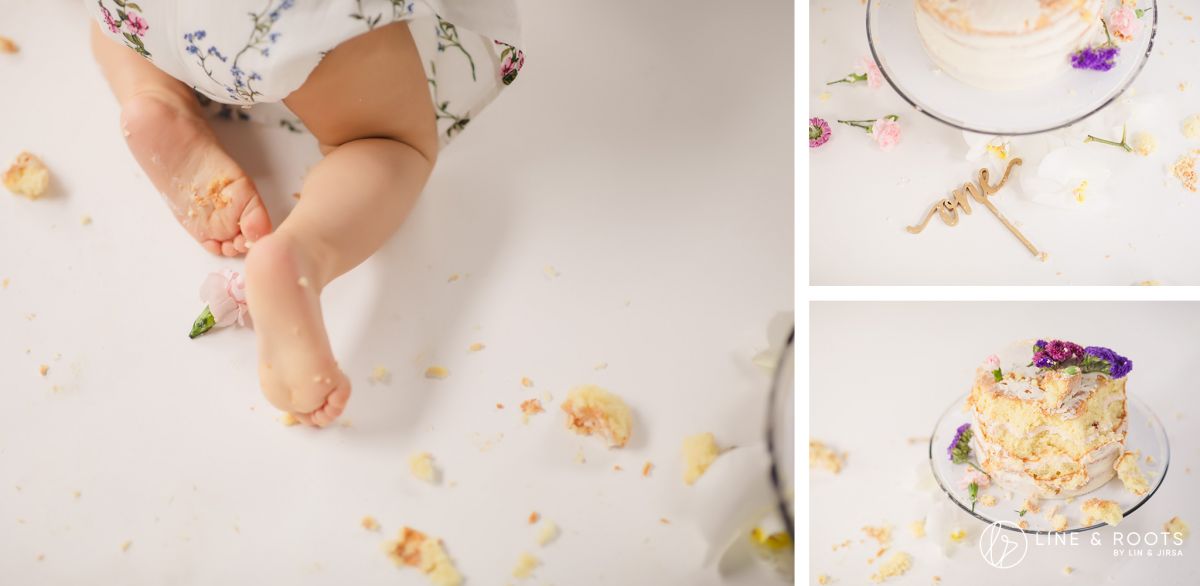
Cake smashes and birthday parties are chaos in the best way, and your photography should lean into that energy instead of fighting it. Celebration photography settings need to protect sharp expressions while staying flexible enough for unpredictable kids. For smash cake sessions, a fast shutter speed at or above 1/200s is recommended because children will not stay still; motion blur here usually reads as sloppy rather than artistic. Since these shoots are styled with preplanned backgrounds, you rarely need ultra‑shallow depth of field—apertures between f/2.8 and f/5.6 keep the child and props in focus without pulling in every distraction. Set ISO only high enough to reach a good exposure while preserving image quality.
Use natural light when you can to keep setups simple and flattering, and make sure the cake sits on a sturdy surface or taped base so safety never competes with your attention. Work in burst mode during key moments—the first handful of frosting, the surprised face when the cake tips, the inevitable tears—because babies will flip from delight to meltdown in a heartbeat. Vary your angles: clean portraits before the mess, wide shots of the themed scene, and close-ups of tiny hands and feet covered in frosting to round out the story. The mindset shift is important here: stop chasing perfect behavior and instead “make the most out of the moment” by being flexible when the child resists posed ideas.
Road Trip Storytelling: Landscapes, Candids, and Versatile Event Camera Settings
Road trip photography shines when you treat the journey as the event, not just the destination. These adventures offer diverse landscapes, unexpected encounters, and a patchwork of memorable moments that beg for thoughtful coverage. Your job is to balance grand scenery with candid travel moments inside the vehicle. Use versatile focal lengths—a mid‑range zoom or a set of small primes—to move quickly from wide vistas to intimate shots of friends laughing over a map. Include elements for scale, such as your vehicle, companions, or a single tree, to convey how massive the environment is.
Do not leave your camera buried in a bag. Keep it within reach, set to a general-purpose mode so you can respond to fleeting light and roadside surprises. For landscapes and motion blur from the car, work with smaller apertures and slower shutter speeds; when capturing candid scenes in the cabin—snacks, clutter, camaraderie—open up the aperture and raise ISO to keep shutter speeds fast enough for sharp faces. According to the road trip guide, the atmosphere inside the vehicle is as important as what’s outside, and small details like a coffee-stained map or snack wrappers add a personal touch. The real event is everything that happens between point A and B, and your camera settings should be ready for all of it.