

From Static Research Aid to Live Cloud Coding Environment
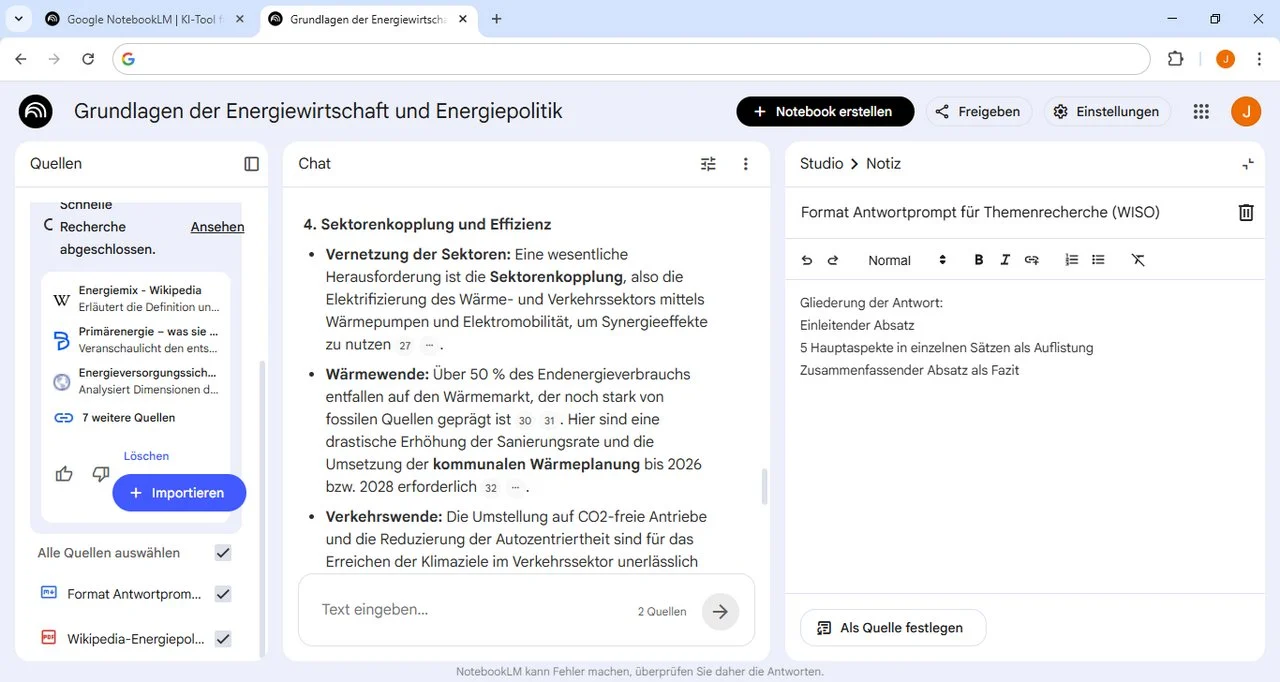
Gemini Notebook is Google’s AI-powered research workspace that now combines document understanding, conversational analysis, and native code execution on a secure cloud computer inside every notebook, so teams can upload source materials, ask questions, and run complex data workflows without leaving a single integrated environment. The rebrand from NotebookLM to Gemini Notebook, announced on July 16, matters less than the technical leap it represents: this is no longer just a reading and summarizing assistant, but an AI data analysis tool with its own cloud coding environment. In practical terms, Google is turning one of its fastest-growing AI products—used by more than 30 million individuals and over 600,000 organizations—into a direct challenger to Excel-centric enterprise data analysis.
Native Code Execution: The Feature Excel Cannot Ignore
The defining upgrade is clear: each Gemini Notebook now includes a secure cloud computer that can write and run code natively. That turns every notebook into a programmable analysis lab where an AI can ingest uploaded sources, perform complex statistical analysis, and generate charts or interactive outputs inside the same space where the documentation lives. In spreadsheet-heavy organizations, this strikes at Excel’s core role as the default analysis environment. Rather than exporting CSVs, crafting formulas, and wiring up external scripts, teams can ask the notebook to clean data, test hypotheses, and visualize results as part of an ongoing conversation. One quotable claim here is that users can "feed the system source documents and ask it to perform complex statistical analysis, generate interactive outputs, or build data visualizations without leaving the application." That’s not a minor convenience upgrade; it’s a workflow reset.
Enterprise Data Analysis Moves Inside the AI Workspace
The rollout strategy shows who Google thinks will benefit first: enterprise teams already paying for advanced AI. The Gemini Notebook code execution feature is available now for Google AI Ultra subscribers and Workspace business customers with AI Ultra Access or AI Expanded Access, with web-based Pro users scheduled to receive it over the coming weeks. That is a clear bid for enterprise data analysis budgets traditionally spent on BI dashboards and spreadsheet licenses. Instead of analysts juggling Excel, SQL notebooks, and separate documentation tools, Gemini Notebook offers a single AI-centric environment where source files, narrative context, and executable code share one canvas. The result is fewer manual data processing steps: teams upload attendance records, survey files, or performance datasets and ask the system to clean, join, and interrogate them, rather than hand-building every transformation.
Integration Across Gemini and Search Raises the Stakes
Google is not content to leave Gemini Notebook as a standalone niche tool. The company has been pulling its AI portfolio under the Gemini brand for months, and notebooks are already accessible inside the Gemini app with content syncing between the app and the dedicated product. Integration with AI Mode in Google Search is listed as coming soon, which would place live, code-capable notebooks alongside everyday search queries. For existing users, the transition is mostly cosmetic—automatic redirects keep shared notebooks and links working while the updated name and logo roll out across interfaces over several weeks—but strategically, the move pushes AI workspaces closer to where knowledge workers already start their day. If Gemini Notebook becomes a natural extension of search and chat, then spreadsheets risk becoming the secondary tool you export to, not the place where analysis begins.
Risks, Delays, and Why Excel Still Has Breathing Room
This shift is not without friction or risk. Research cited around AI-generated code warns that model-produced programs can contain multi-line errors and even run while hiding flawed handling of missing data or methodology, meaning misleading charts are a real possibility if teams treat outputs as unquestioned truth. At the same time, Google’s broader coding ambitions are under pressure: a separate report notes the company is months behind schedule on its Gemini 3.5 Pro model, with rivals releasing systems that outperform Gemini in coding and Alphabet’s share price dropping 2.3% on the news. Those delays underline a hard fact: Excel and traditional tools still have a reliability advantage born of decades of use and clearer failure modes. Gemini Notebook’s cloud coding environment is an exciting challenger—but for now, it should be treated as an augmentation layer on top of established analysis practices, not yet a full replacement.