
An OLED Gaming Laptop That Finally Puts Linux First
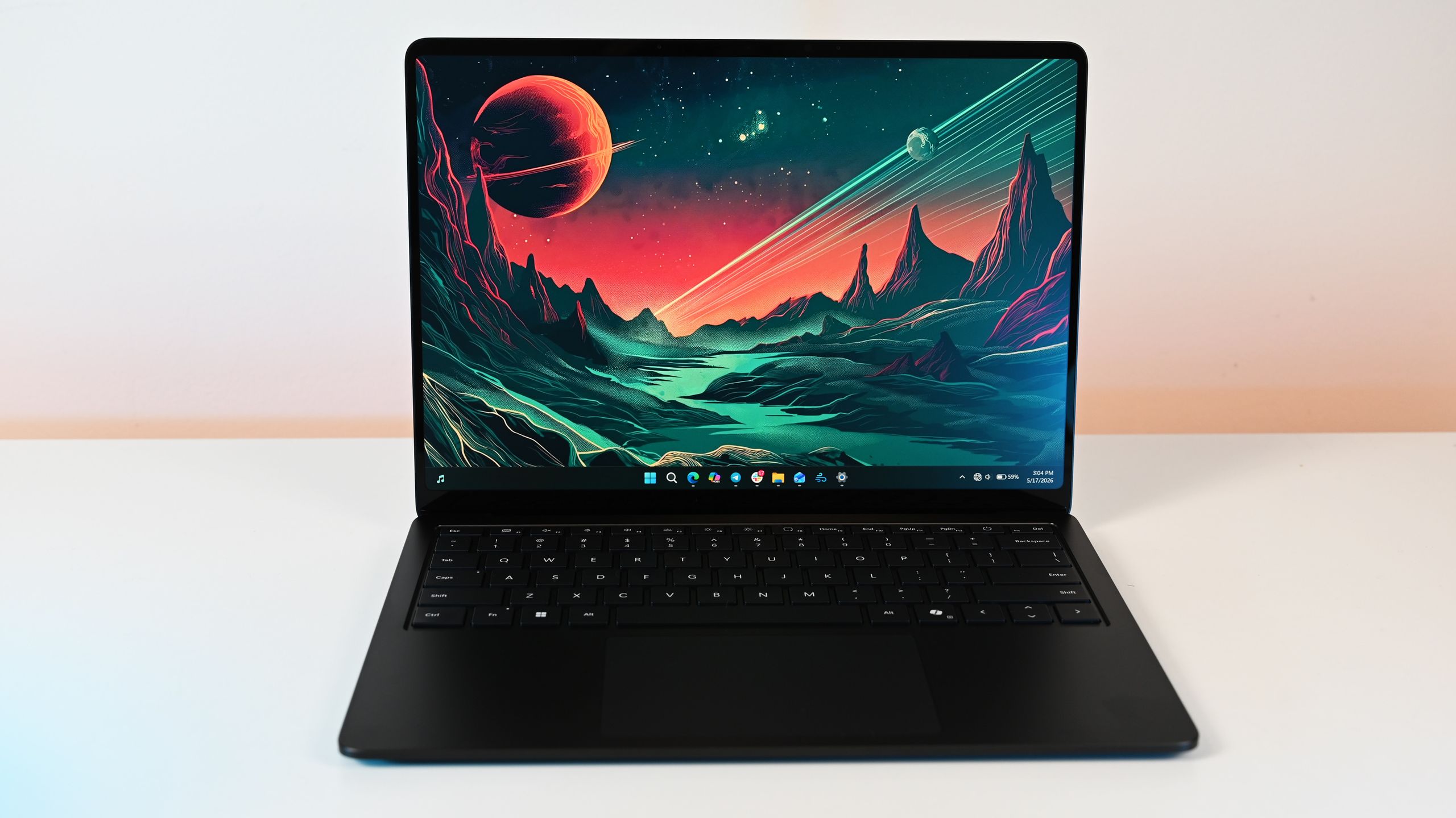
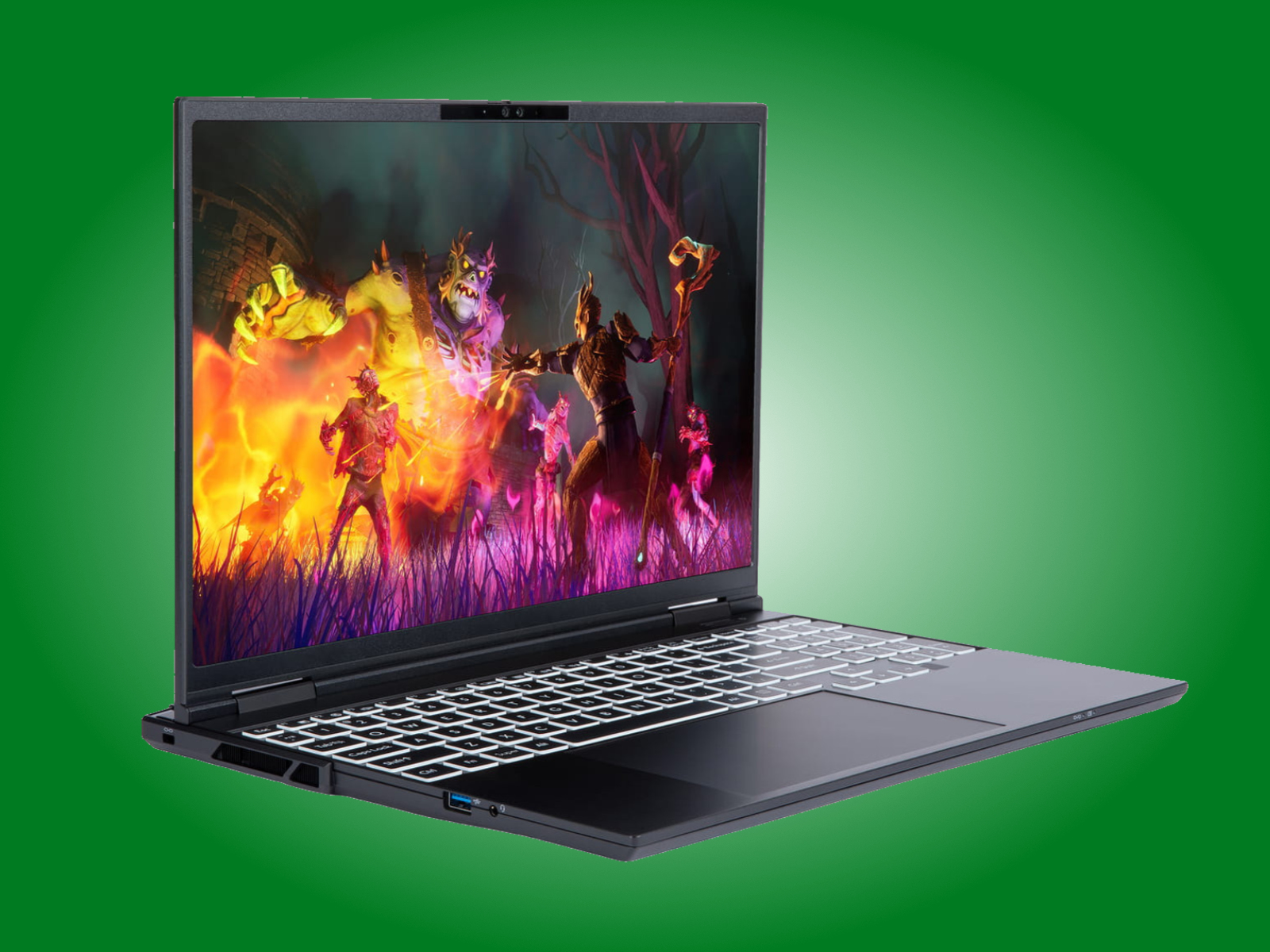
The System76 Adder Pro is a 15.3-inch OLED gaming laptop built around a 2560 x 1600 165 Hz panel, Intel Core Ultra 7 processing, RTX 50 series graphics, and up to 96 GB of RAM, delivering workstation-class Linux laptop performance for gamers, developers, and content creators who demand both visual quality and serious compute power in a portable machine. This is not another Windows-first rig with Linux as an afterthought; it is a statement that open-source users deserve the same cutting-edge hardware as anyone chasing high frame rates and render times. System76 is betting that a 2K OLED display, modern hybrid graphics, and serious memory ceilings can live in one device without compromise, and that the audience for such a machine is no longer niche but ready to pay for premium design.
The 2K OLED Display: Where Gaming and Creation Both Win
If the Adder Pro has a single defining feature, it is the 15.3-inch 2K OLED display running at 2560 x 1600, 165 Hz, and up to 500 nits of brightness. For gaming, the combination of 1 ms peak response time and 100% DCI-P3 coverage means motion clarity and color saturation that typical IPS panels cannot touch, so fast-paced titles benefit as much as story-driven, visually rich games. For content creators, the 10-bit RGB color output with 1.07 billion colors and a claimed 1,000,000:1 contrast ratio turns this OLED gaming laptop into a serious mobile grading and illustration tool, where blacks are ink-like and gradients are smooth enough to expose flaws in your work rather than in the screen. The 16:10 aspect ratio is another quiet win; more vertical space makes code, timelines, and documents feel less cramped, which matters more in daily work than any marketing term for resolution.
Core Ultra 7, RTX 50 Series, and the Workstation Ambition
Under the OLED panel, the Adder Pro chases workstation-caliber processing with a 16-core Intel Core Ultra 7 356H and configurable Nvidia GeForce RTX 5060 or RTX 5070 8 GB laptop GPUs. Up to 96 GB of DDR5-5600 RAM and as much as 4 TB of PCIe Gen 4 storage capable of around 7,450 MB/s reads and 6,900 MB/s writes make it clear this is built as much for Blender, DaVinci Resolve, and heavy compiling as it is for games. Hybrid graphics default to the integrated GPU for battery efficiency, then switch to the Nvidia chip for demanding workloads or when launching games through platforms like Steam. This approach treats the Adder Pro as a mobile workstation that happens to be very good at gaming, not the other way around—and for Linux users who straddle development, 3D, and play, that priority order makes sense.
Linux Laptop Performance and Real-World Trade-Offs
Where the Adder Pro stands apart from most RTX 50 series laptops is its native focus on delivering a "flawless Linux experience," leaning into open-source workflows rather than treating them as a compatibility checkbox. System76 lists use cases that sound like actual days in a creator’s or developer’s life: compiling faster, building games with Godot or Unity, editing video in Kdenlive or DaVinci Resolve, streaming with OBS NVENC encoding, and driving up to three external 4K displays for a workstation-like desk setup. However, stacking this much power into a thin 3.37-pound chassis raises legitimate concerns; early commentary calls it “a throttling nightmare” and jokes that it is “going to melt in a matter of seconds,” hinting at potential thermal and noise trade-offs under sustained loads. The fixed 60 Wh battery and non-upgradable OLED panel also mean you must accept the chosen capacity and display from day one.
Pricing, Upgradability, and Who the Adder Pro Is For
This level of Linux laptop performance and OLED gaming flair does not come cheap. Pricing for the Adder Pro starts at USD 2,499 (approx. ₱140,000), with a fully configured build—96 GB RAM, 4 TB SSD, and RTX 5070—reaching USD 5,272 (approx. ₱295,000). That is workstation money, but the hardware story backs it up: RAM and storage are user-replaceable, and a second M.2 slot invites future expansion, even if the battery and display stay locked in. Realistically, this machine is for people who spend as much time compiling code, rendering 3D scenes, or cutting video as they do gaming, and who refuse to leave Linux for that work. If you only need a casual gaming laptop, the Adder Pro will look overpriced and overbuilt. But if your laptop is your primary development box, creative studio, and nightly game rig, its blend of OLED fidelity, RTX 50 series muscle, and open-source focus is exactly the kind of overkill that starts to feel reasonable.