
What Hand Printing Photography Really Is—and Why It Matters
Hand printing photography is the fine art photography process of transforming a negative into a physical print through fully manual, often historical techniques that demand deliberate, tactile decisions about exposure, tone, paper, and ink at every step, instead of relying on automated digital post-production shortcuts. That distinction is not cosmetic; it changes the intent behind every photograph. When you commit to traditional printing methods, you commit to an artistic photography workflow where each print is a performance, not a file export. The question is not whether digital tools are evil, but whether they sometimes make your images shallower than they could be. If your goal is genuine visual storytelling, hand printing is less about nostalgia and more about creative honesty.
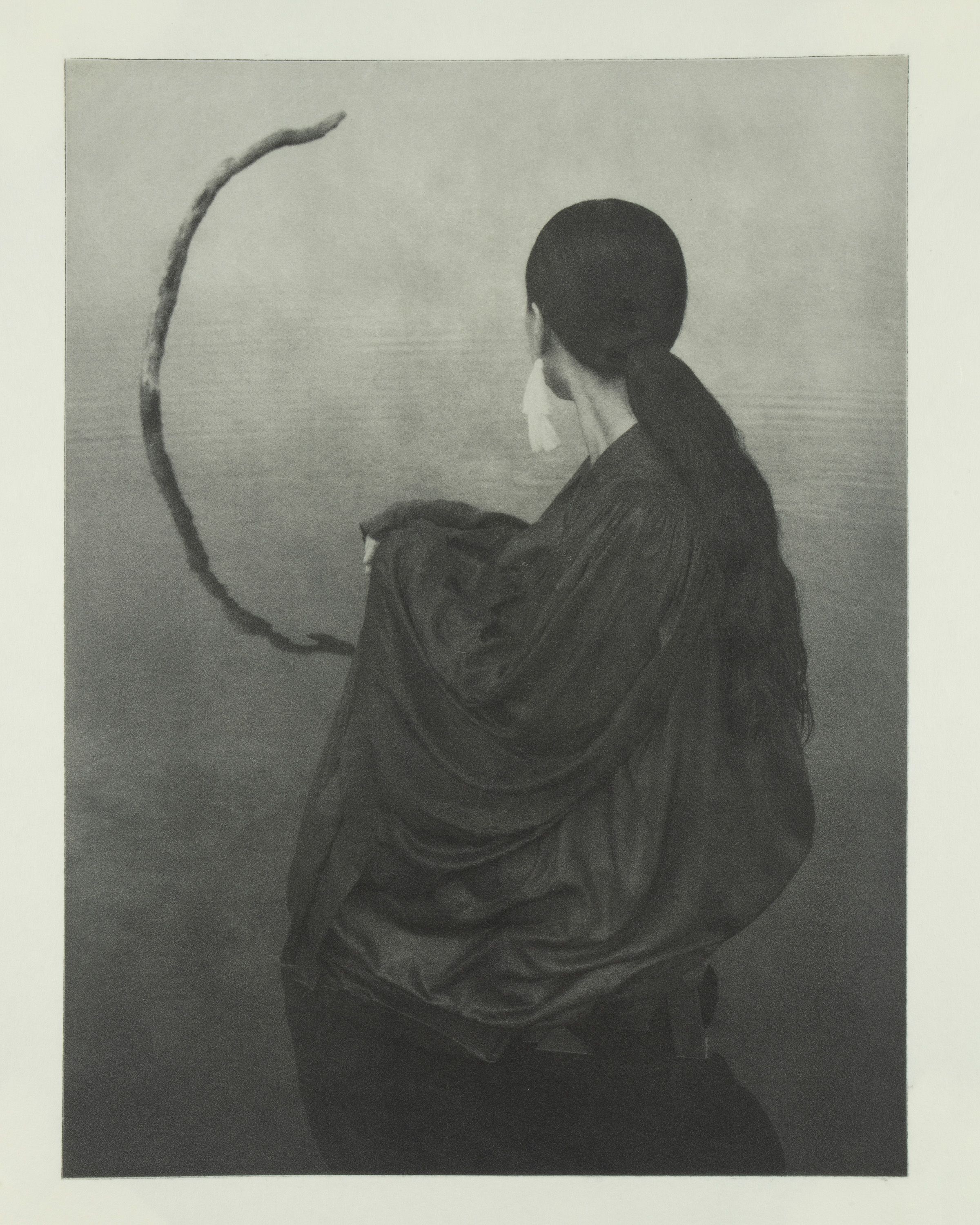
You can see this most clearly in the exhibition Playing the Piano Upstairs, held at the Print Sales Gallery inside The Photographers' Gallery in London, where photographer Sayuri Ichida presents a series about her relationship with her sister after their mother’s death. Ichida, born in Niigata in 1985 and now based in the UK, spent years photographing her sister in snow-heavy landscapes that act as metaphors for memory. Then she made a radical decision: she refused to let a computer anywhere near the results and hand-printed every image using photopolymer photogravure onto Japanese washi paper, layering archival pigments into each print.
Slowness as a Creative Weapon, Not a Limitation
Photogravure has been around since the 1870s and fell out of everyday use precisely because it is awkward. A photosensitive gelatin plate must be exposed, etched and inked by hand, and every print carries tiny variations from that process. In an era obsessed with speed, that sounds like madness. But this slowness is what turns hand printing photography into a discipline rather than a filter. It forces you to commit: you cannot casually spray out fifty versions and fix everything in software later. Each sheet of washi, each pass of ink, is a decision you must stand behind.
This is a slow, physically demanding process that has more in common with etching than with anything most working photographers would commit to today. That physical strain is not a romantic flourish; it rewires how you think about images. When your fine art photography process includes hours of plate preparation, inking, wiping, and press work, you start editing at the point of capture, not in the comfort of a laptop. According to one review of the show, “Ichida's choice of technique isn't incidental decoration around the pictures – it's doing as much narrative work as the compositions themselves”.
Intentional Craft in an Artistic Photography Workflow
The most important thing hand printing does is reintroduce intent into the artistic photography workflow. With analog darkroom techniques and etching-based processes, every stage punishes laziness. You cannot default to auto; you must decide how much shadow to preserve, which highlights to sacrifice, how much ink to lay down. That level of choice is not about being old-fashioned; it is about refusing to outsource taste to software presets. For anyone who spends their weekends fussing over exposure and grain, what Ichida did after she put her camera away is perhaps the more important lesson.
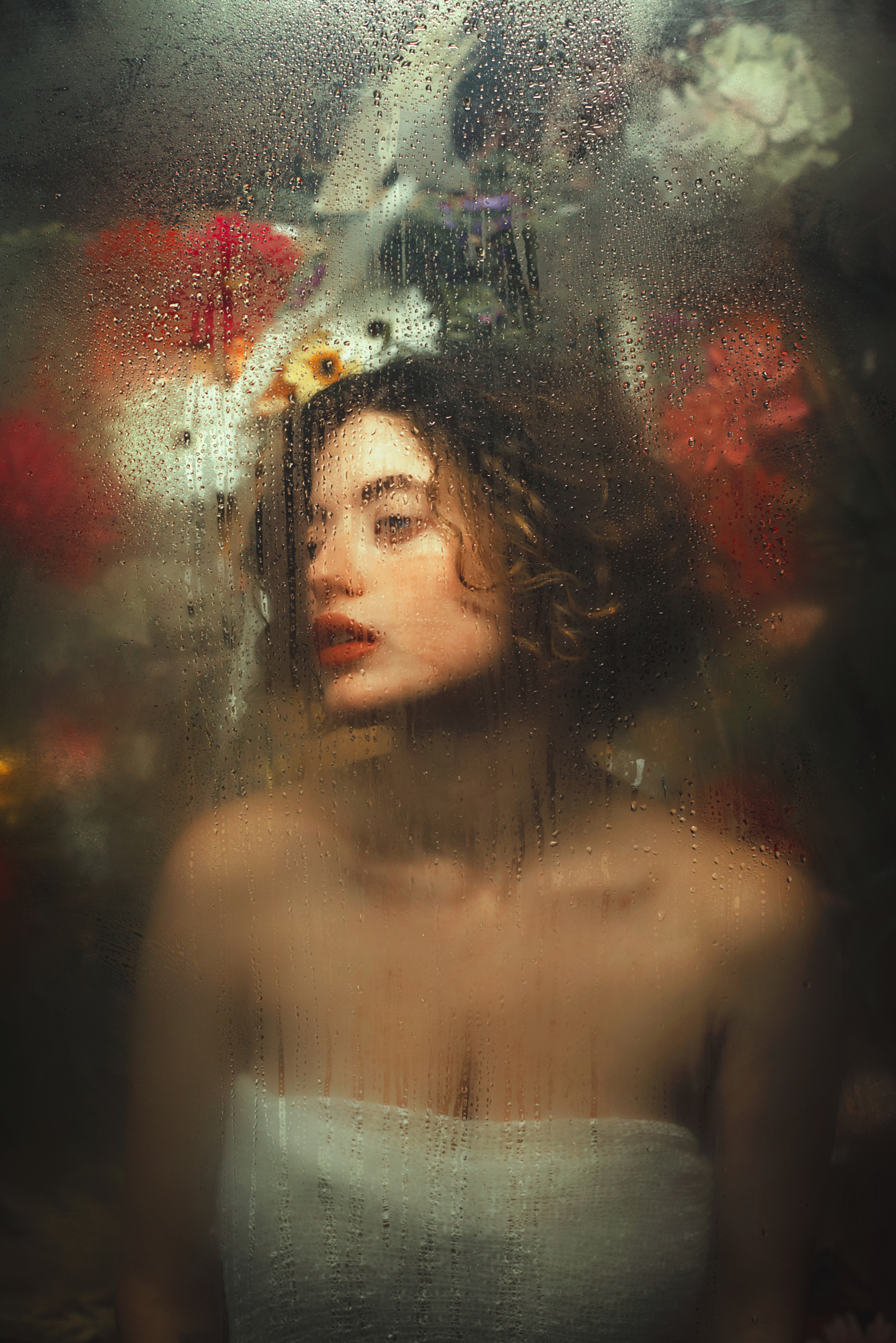
There is a parallel in the way some contemporary editorial photographers approach light and post-production. For example, portrait and fashion photographer Micaela Belgiorno describes how she pre-visualizes the finished artwork in her mind, editing included, before she presses the shutter. She sets up studio lighting around that final vision and aims for images that can stand completely on their own as visual art, even outside an editorial context. That mindset—seeing post-production and printing as extensions of vision rather than afterthoughts—is exactly what traditional printing methods demand, only with ink, plates and paper instead of sliders and masks.
Unique Prints, Real Audiences, and the Case for Slow Work
Traditional printing methods have another gift: they create unique, unrepeatable results. Because a photosensitive gelatin plate has to be exposed, etched and inked by hand, every print carries tiny variations from that process. Where mass-produced digital work promises perfect consistency, hand printing promises character. One print may hold a slightly heavier shadow, another a softer edge; together they form a body of work that feels alive rather than cloned. That difference is not theoretical—it is what distinguishes fine art photography from disposable content.
For photographers wondering whether this level of effort has an audience, the answer at least in Ichida’s case is yes. Playing the Piano Upstairs runs until September 13 at The Photographers' Gallery, 16-18 Ramillies Street, London W1F 7LW. Prices for prints start at £675 plus VAT, with profits supporting the gallery’s public programme, and buyers can pay in instalments through the Own Art scheme. The show is a hint to working photographers: while fast digital delivery is often a commercial reality, it is worth asking whether a slower method might sometimes be feasible—and whether that slower method might ultimately please clients or collectors more.
Who Should Choose Hand Printing—and Why It Changes Your Story
Hand printing photography is not a moral requirement; it is a choice about what kind of relationship you want with your images. It is most relevant for photographers who care less about volume and more about resonance, especially those building long-term projects, intimate narratives, or fine art portfolios. One article on Ichida’s work frames this as “what photographers can learn” and notes that for anyone fussing over exposure and grain on weekends, the real insight lies in slowing down after shooting.
Editorial photographers like Belgiorno highlight how a clear concept, intentional casting, and controlled lighting define a strong artistic photography workflow, with the narrative rooted in storytelling rather than technical trickery. She almost always starts with a clear visual idea and then finds the right person to bring that vision to life. If you combine that level of conceptual clarity with the discipline of analog printing and etching-based techniques, you get photographs that are not only seen but felt. The conclusion is plain: when you slow down and let your hands, not your software, finish the image, you reveal parts of your story that digital speed tends to hide.