
Top Pick: Midrange 13–14-Inch Laptop with 16GB RAM
A student laptop buying guide is a structured way to choose a computer that balances performance, price, durability, and portability so it can handle classes, homework, and everyday tasks through multiple academic years.
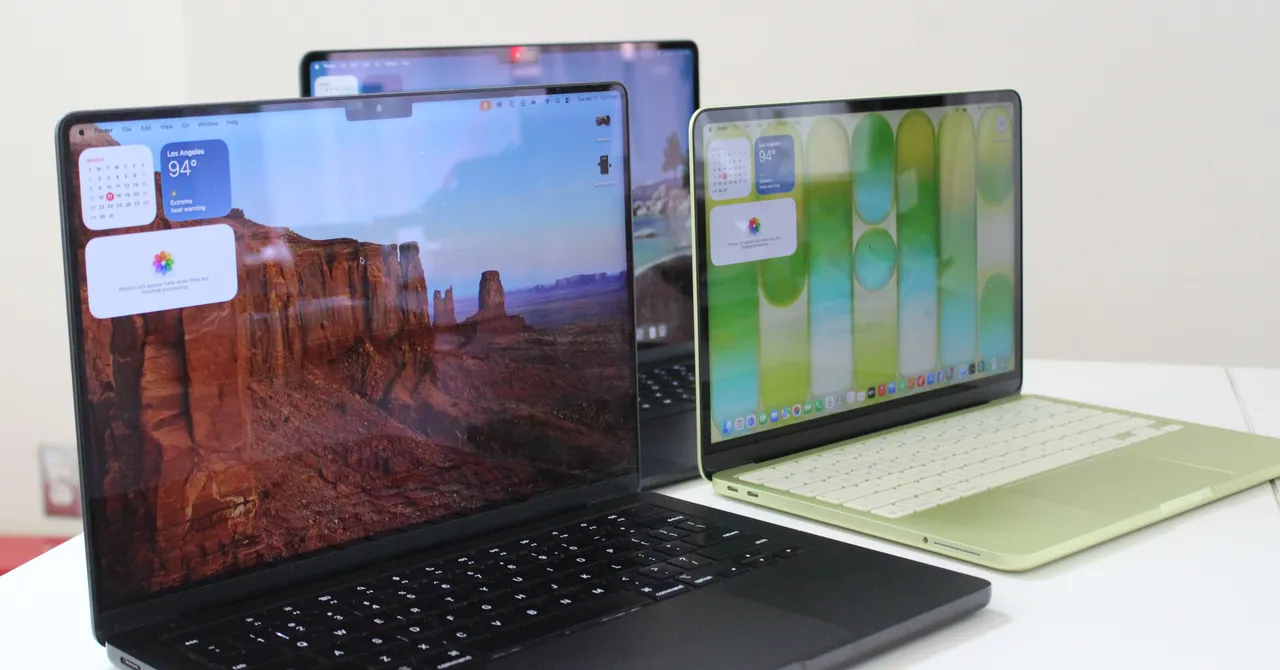
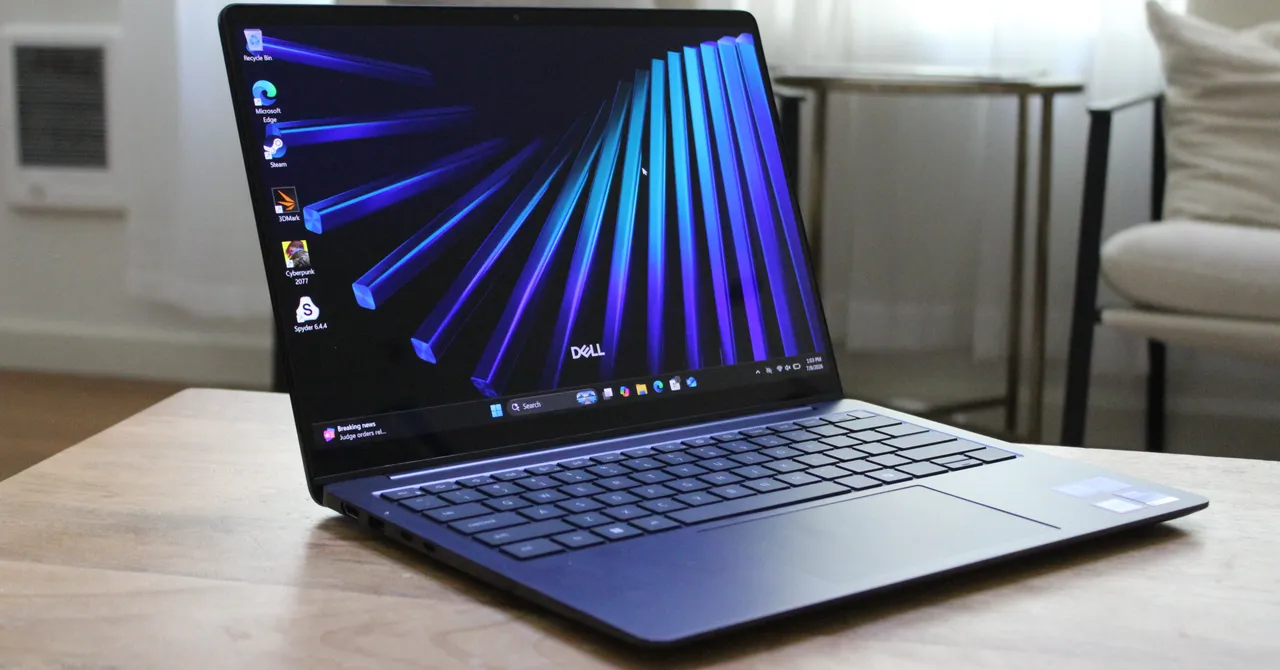
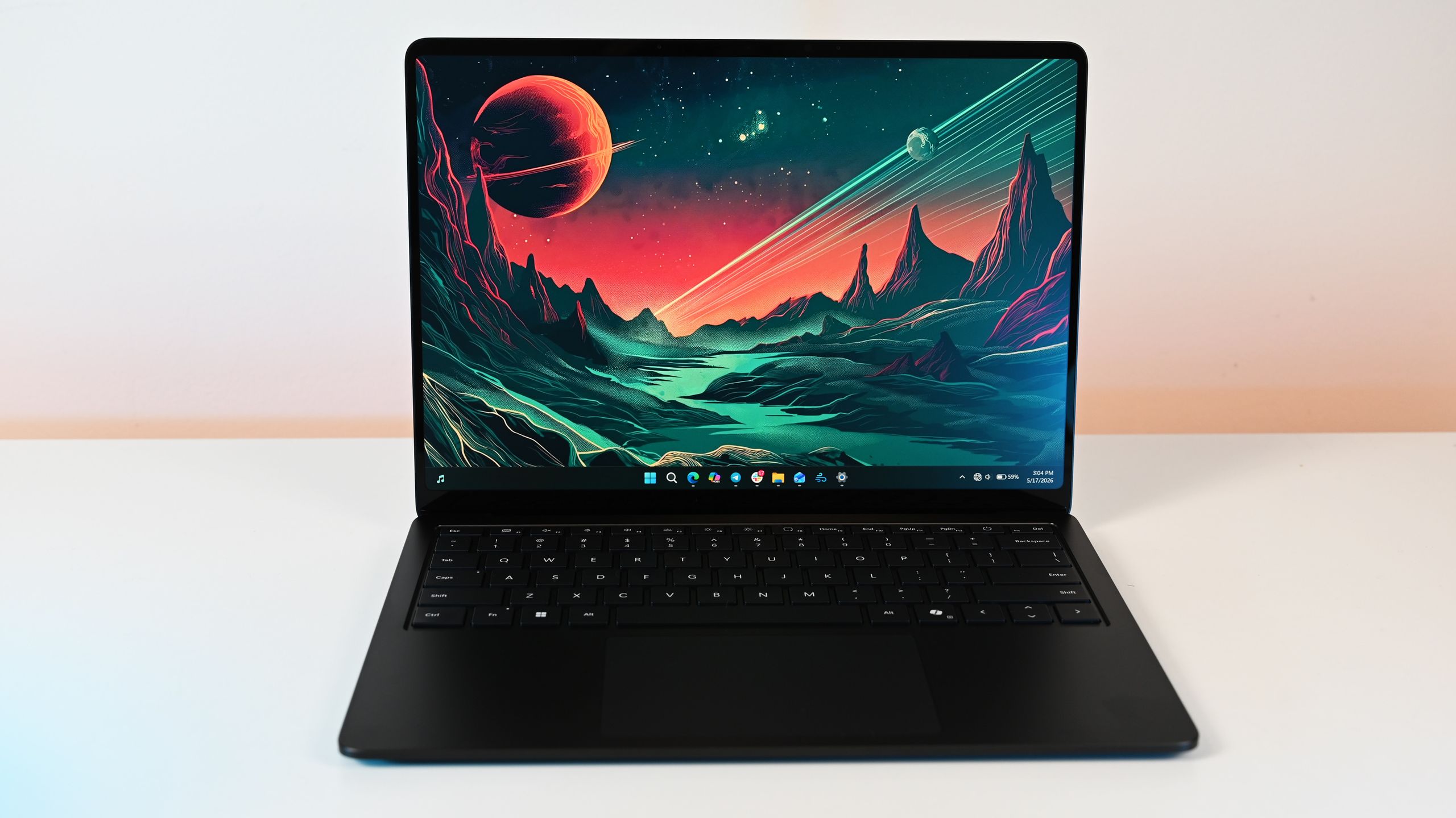
The best laptop for students for most people is a midrange 13–14-inch notebook with a fast modern processor, 16GB of RAM, and all‑day battery life. This combination gives you smooth note‑taking, research, and document editing without expensive extras, and it stays comfortable to carry between classes. According to our source, “the sweet spot for a reliable laptop that can handle average school tasks is between USD 700 and USD 800 (approx. ₱39,200–₱44,800).” That tier avoids bargain models that struggle after a year while skipping premium features most students do not need. You should think of this as your default choice unless you know you need high‑end graphics for art or STEM work. For everyday majors, this single pick delivers the best balance of performance, cost, and durability.
Budget, Midrange, and Power Tiers Explained
Price is the first filter in any college laptop buying guide, especially for cash‑strapped students. You should avoid the cheapest “bargain‑basement” machines because they often cut corners on performance and build quality, which can limit their usable life. Instead, aim for an affordable laptop for school in that midrange “sweet spot” that handles average tasks comfortably.
Budget‑friendly laptops at this level deliver enough power for note‑taking, research, and document editing without premium pricing, particularly when you watch for discounts. If money is tight, a Chromebook or low‑cost Windows laptop can still cover browser‑based coursework and online tools. Students in art or STEM programs, or anyone who wants a bit of gaming after homework, should plan to spend more on a model with stronger graphics and a faster processor. Because makers are moving away from easy upgrades, you should “get as many laptop capabilities as you can afford from the start” so the device can last through several years.
Essential Specs: Processor, RAM, Battery, and Size
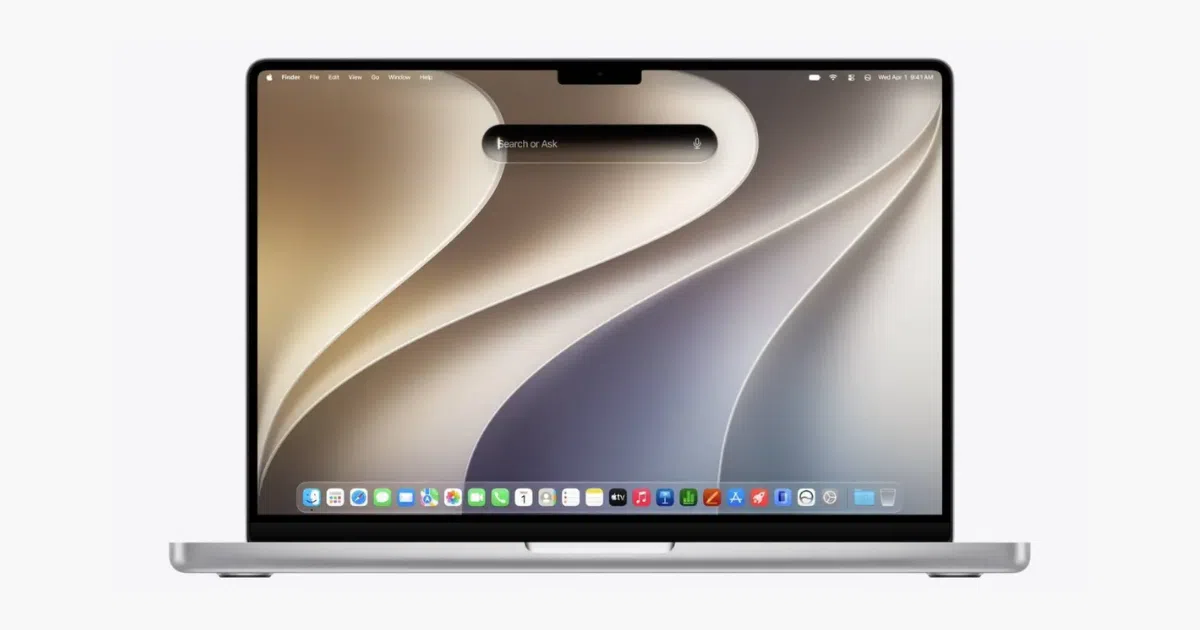
To narrow down student laptop recommendations, focus on four core specs: processor speed, RAM, battery life, and screen size. Generally, the faster the processor and the more cores it has, the better the performance, whether you choose Intel, AMD, or newer Arm‑based chips. Apple’s MacBooks use their own chips, simplifying the choice in that ecosystem.
For multitasking, 16GB of RAM is strongly recommended, with 8GB as the bare minimum if your budget is tight. Battery life is paramount for a student laptop because you may be away from outlets for hours; architecture matters here, since Arm‑based designs from Apple and some newer PCs tend to last longer than many x86‑based systems. For portability, most students should choose a 13‑ or 14‑inch screen, which balances easy carrying with enough space for documents and split‑screen work. A basic 1,920×1,200 display is sharp enough, and you can treat OLED and higher resolutions as nice‑to‑have upgrades if deals bring them into your budget.
Durability, Repairability, and Long-Term Use
A student laptop needs to survive years of tosses into backpacks and daily trips to class, so durability and repairability matter as much as raw speed. Modern laptops are increasingly hard to upgrade; many have soldered memory and storage, which means you cannot add more later. Because of that, you should buy a configuration that meets your entire degree’s needs now rather than planning future upgrades.
Look for solid build quality, a comfortable keyboard for long writing sessions, and a hinge that feels stable when you open and close the lid. A lighter, thinner design makes everyday carrying easier, but it should still feel sturdy when you pick it up by one corner or type with enthusiasm. When you combine strong construction with the right internal specs and a battery that lasts through classes, you end up with the best laptop for students: a device that does not need replacing mid‑degree and that stays reliable from first‑year lectures through your final exams.
Buy if / Skip if
- Buy the midrange 13–14-inch laptop with 16GB RAM if you want one dependable machine for note-taking, research, and typical coursework without overpaying for extras.
- Skip the midrange 13–14-inch laptop with 16GB RAM if your degree requires heavy 3D graphics, advanced creative apps, or scientific simulations that demand a high-end GPU.
- Buy the midrange 13–14-inch laptop with 16GB RAM if you carry your computer to class daily and need a thin, light device with all-day battery life.
- Skip the midrange 13–14-inch laptop with 16GB RAM if you strongly prefer a larger 15–16-inch screen and do not mind extra weight in your bag.
- Buy the midrange 13–14-inch laptop with 16GB RAM if you want a configuration that will last through several academic years without needing upgrades.
- Skip the midrange 13–14-inch laptop with 16GB RAM if you are on an ultra-tight budget and can only consider the cheapest Windows laptops or Chromebooks.