
RTX 50 SUPER GPUs: Finished Hardware, Frozen Launch
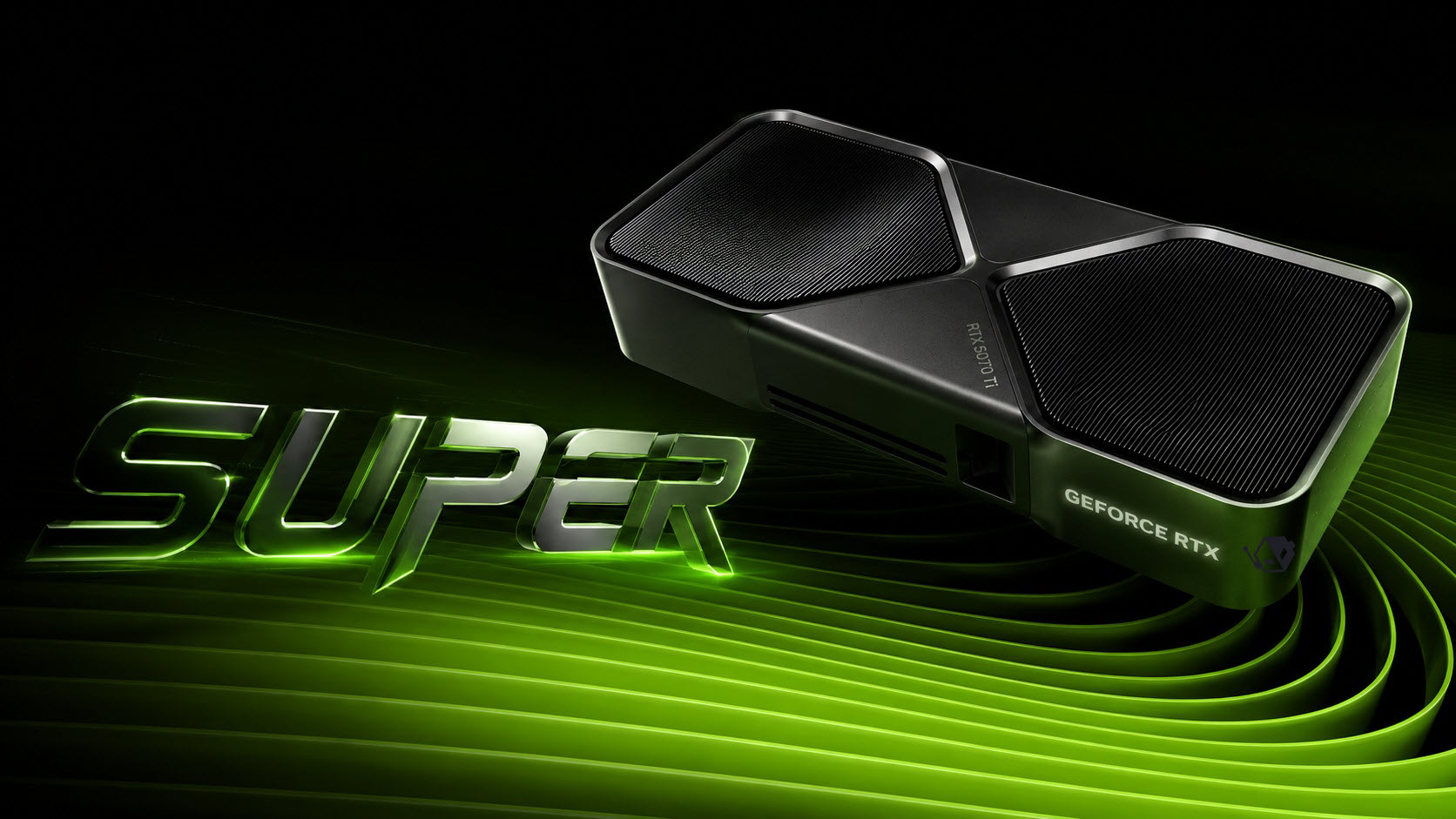
The NVIDIA RTX 50 SUPER delay refers to a situation where at least one partner already has finished RTX 50 SUPER graphics cards in hand, but NVIDIA has reportedly halted their sale and broader production because the cost of the 3GB GDDR7 memory chips inside those cards is currently too high and unstable to support a viable consumer launch. This is not a paper rumour; the boards exist, and they are sitting in warehouses waiting for the memory market to calm down. At least one board partner has received RTX 50 SUPER cards, yet cannot sell them because NVIDIA has put the GPUs on hold for sale. The company’s stance is clear: without sane GDDR7 memory pricing, the SUPER refresh risks becoming an overpriced curiosity instead of the next mainstream upgrade path for gamers and PC builders.
The GDDR7 Pricing Bottleneck: When 50% More VRAM Costs 200% Too Much
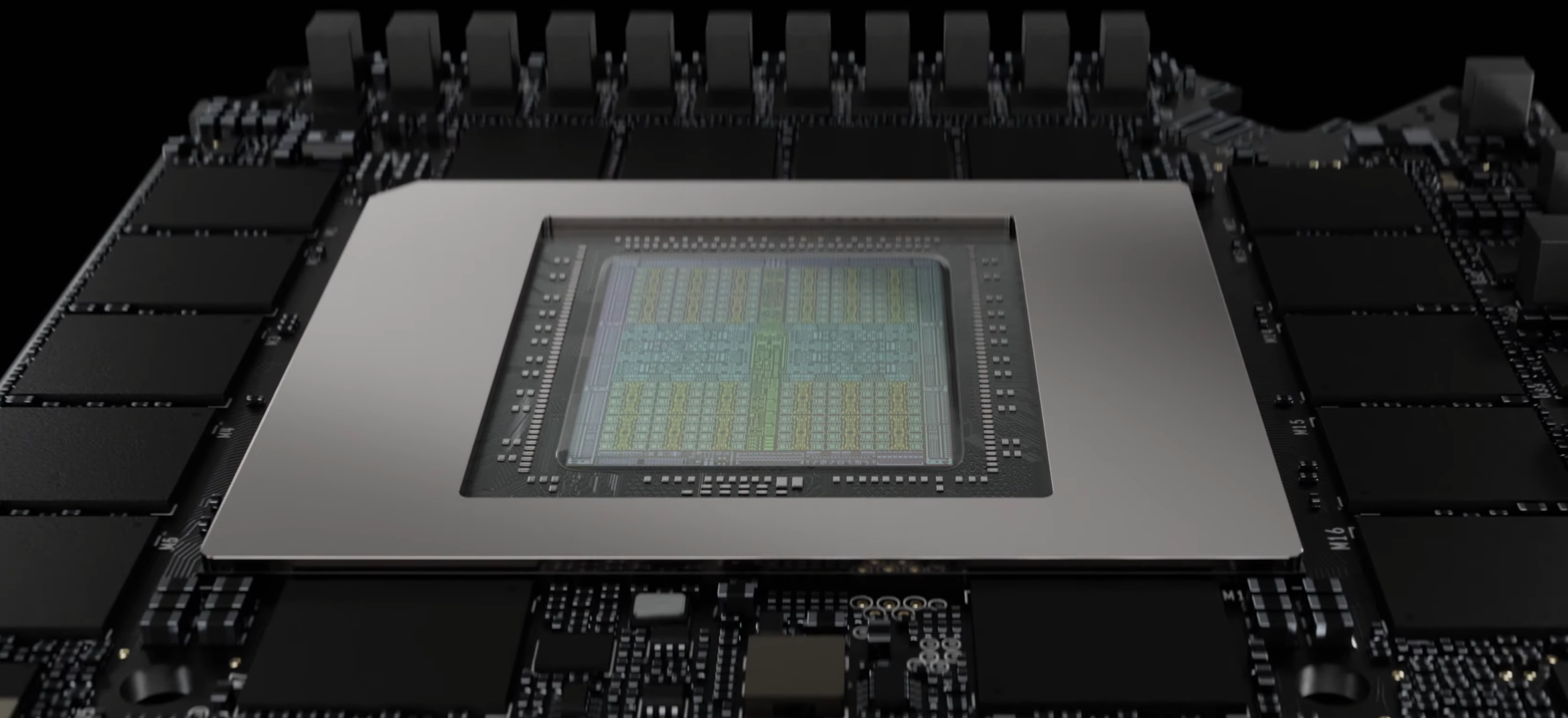
The entire RTX 50 SUPER strategy hinges on 3GB GDDR7 chips—and those chips are financially out of control. According to industry data, a 3GB GDDR7 module now costs between USD 60 and USD 70 (approx. ₱3,360–₱3,920), while a 2GB GDDR7 module sits around USD 20 (approx. ₱1,120). In plain terms, you pay roughly three times more money for 50% more capacity. That ugly ratio blows up the bill of materials for any card using six or eight modules, adding hundreds of dollars in memory cost alone. The RTX 50 SUPER lineup was designed to offer around 50% more VRAM than current variants—24GB instead of 16GB on the 5080, 24GB instead of 16GB on the 5070 Ti, and 18GB instead of 12GB on the 5070. But with GDDR7 memory pricing this skewed, that extra capacity looks less like a gamer-friendly spec bump and more like a margin-killing liability.
A Shaky DRAM Market Sends Shockwaves Through the GPU Supply Chain
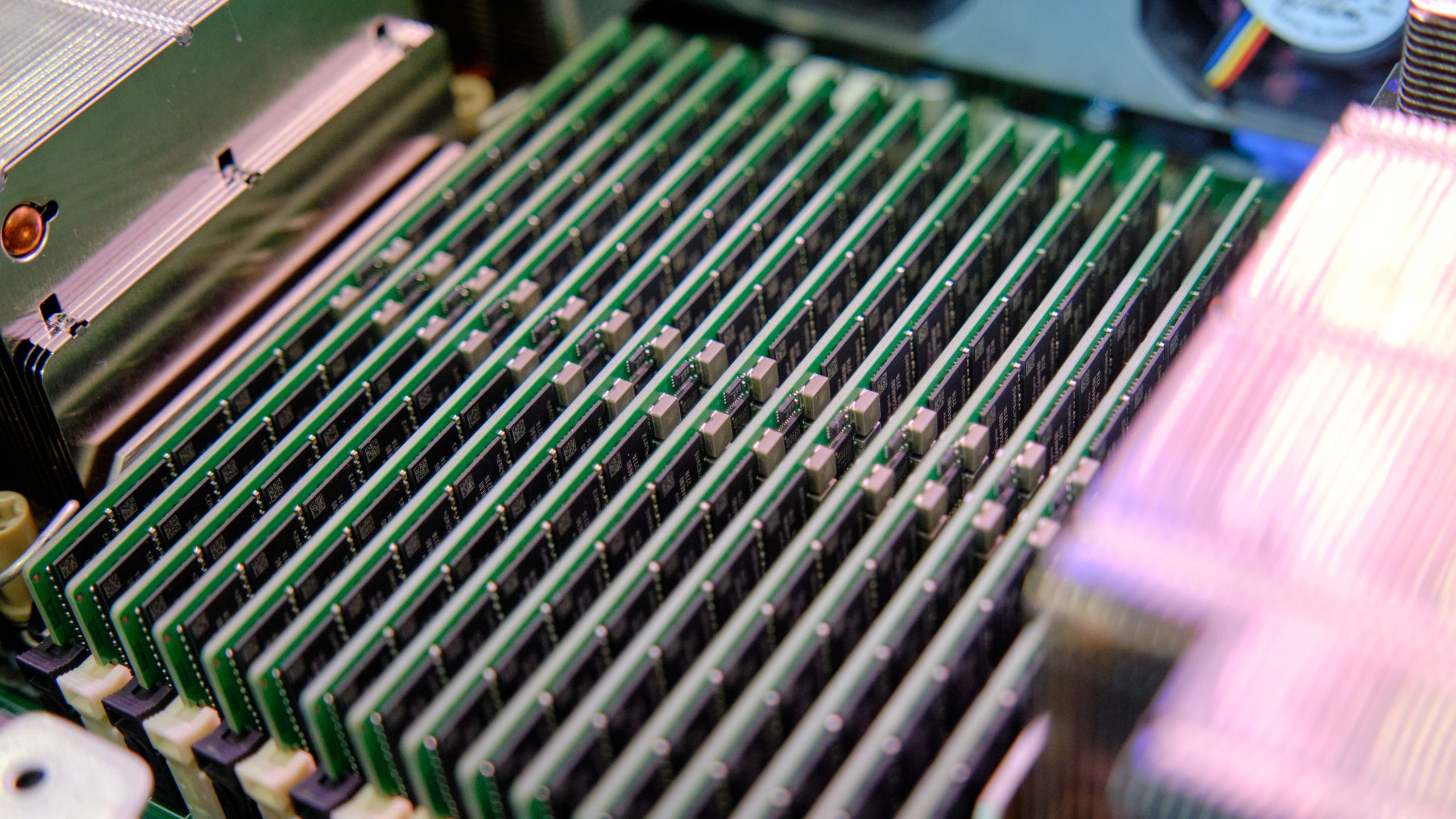
The RTX 50 SUPER delay is a symptom of a deeper problem: a volatile DRAM market colliding with an AI boom that drinks memory like water. Early talk had the SUPER series targeting a Q1 launch before an AI-induced memory shortage disrupted those plans. Now, memory prices are described as highly unstable, with more hikes expected, and NVIDIA is already struggling to secure enough DRAM for its GPUs—making the newer 3GB GDDR7 modules even harder to source at scale. This instability turns the GPU supply chain into a high-stakes guessing game. If GDDR7 prices stay high, the chips will mainly make sense for professional-grade or AI-focused hardware that can justify paying for capacity over cost-effectiveness, not for consumer graphics cards. In that context, re-launching the older RTX 3060 12GB looks less like nostalgia and more like NVIDIA’s attempt to maintain some stability in the midrange while the GDDR7 saga plays out.
What Builders Should Read Into the Silence Around RTX 50 SUPER
From a PC builder’s perspective, the uncomfortable truth is that the RTX 50 SUPER series does not make sense without its promised memory uplift. Most of these cards are effectively higher-power, higher-clock takes on existing RTX 50 models; the real differentiator is the move to larger, faster GDDR7 configurations. Strip out those 3GB modules and you are left with what amounts to factory overclocks, hardly the kind of generational leap that justifies a new stack of product names. As long as memory pricing remains a problem, the series may not launch anytime soon, because no one wants a SUPER-branded GPU whose price feels extravagant. The message between the lines is blunt: until the DRAM market settles and 3GB GDDR7 stops commanding three times the price of 2GB chips, enthusiasts planning around the RTX 50 SUPER refresh are betting on hardware that the manufacturer itself is not yet willing to sell.
Conclusion: Wait for GDDR7 Sanity—or Rethink Your Upgrade Path
The RTX 50 SUPER delay is less a product stumble and more a warning shot about how fragile modern GPU economics have become. NVIDIA’s partners already have cards, but the company has frozen sales because each 3GB GDDR7 chip costs USD 60–70 (approx. ₱3,360–₱3,920) against USD 20 (approx. ₱1,120) for 2GB, turning a 50% memory bump into a threefold price leap. In a DRAM market described as highly unstable, with shortages linked to AI demand and difficulty sourcing enough chips, gambling on a big VRAM refresh at consumer prices looks reckless. For PC builders, the takeaway is simple: do not structure near-term build plans around RTX 50 SUPER availability. Until GDDR7 memory pricing comes back down to earth, the most realistic expectation is continued silence—and the need to focus on existing GPUs that are already on shelves instead of hardware waiting for a saner supply chain.