
The Big Idea: Chemical Thinking for Digital Files
Understanding film lab chemistry means learning how light-sensitive emulsions, development processes, and physical layers on film shape tonal relationships, contrast, and texture, and this mindset directly sharpens how photographers approach digital exposure, tonal range optimization, and post‑processing decisions across modern editing tools.
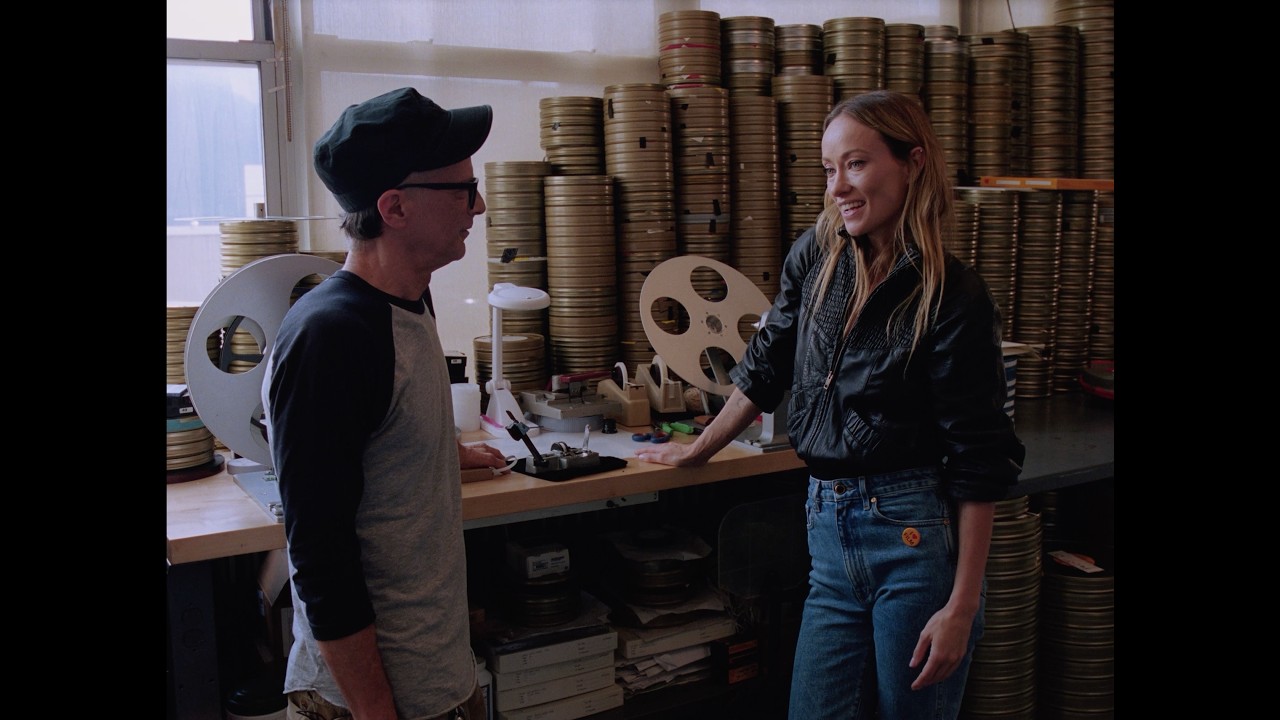
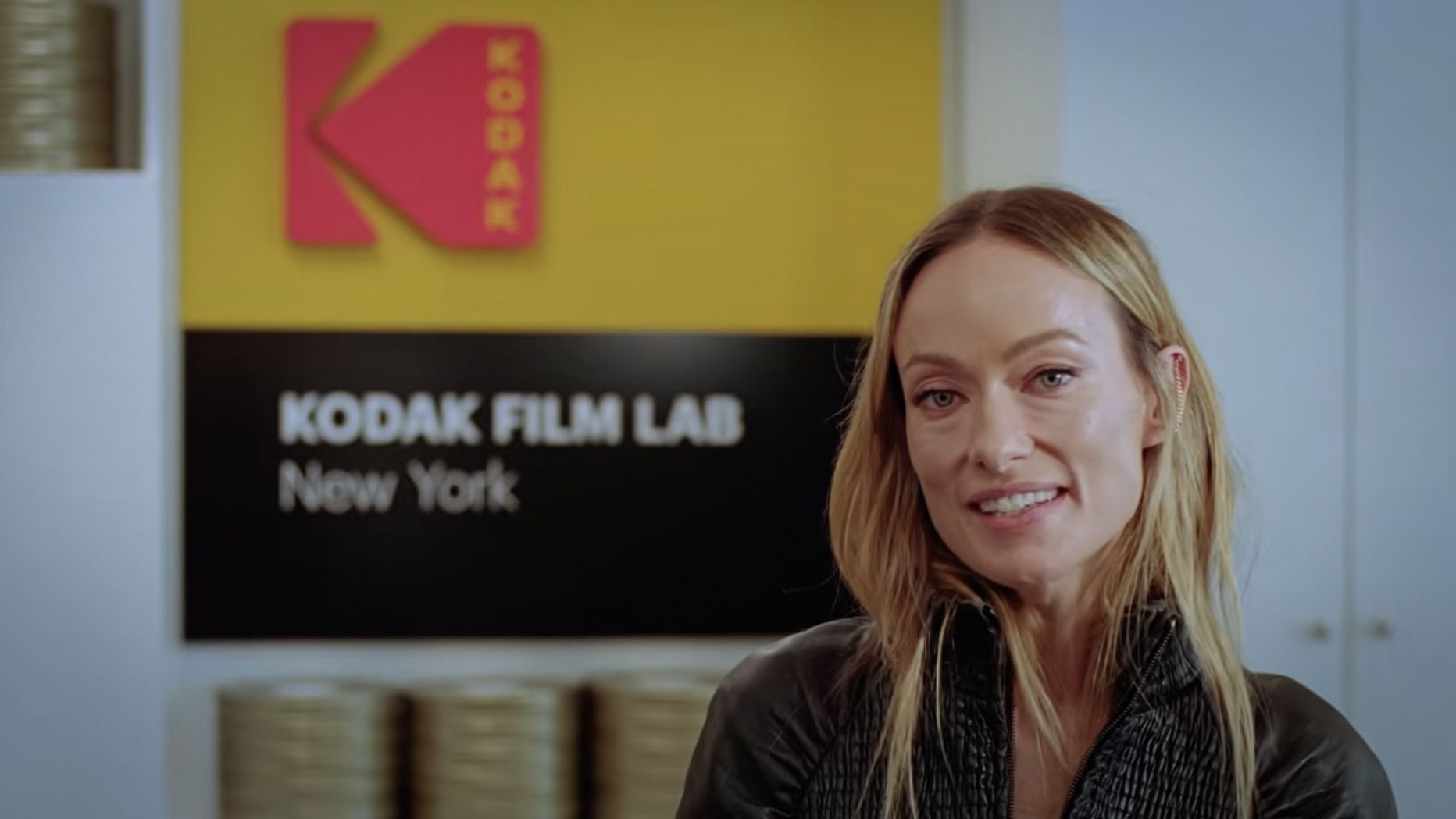
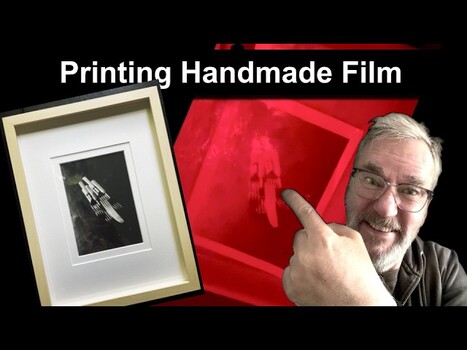
Digital photographers who ignore film processing chemistry work blind to the logic behind tone and color. In a custom project, Igor Polyakov makes his own emulsion from raw silver, gelatin, and chemicals, then rolls it onto a base as 120 film. That is not nostalgia; it is material control. Orthochromatic film even lets you develop under red light in the darkroom, so you can watch the image appear instead of timing it blind. When you see tones forming chemically, you stop treating sliders as magic and start treating them as digital versions of agitation, dilution, and paper choice. Film lab education, such as guided tours of a major film lab that reveal the process of film photography, should be required viewing for digital natives who want more than presets and guesswork.
Emulsion, Defects, and How to Think About Tonal Range
If you want better tonal range optimization in digital, study what happens when film goes wrong on purpose. In one experiment, Ukraine's summer heat threw off the emulsion's viscosity, which made it start lifting off the base during development. Instead of treating this as failure, the photographer leaned into the peeling as part of the look. The same intent shows up in his wish list for a dream film: heavy on nuance, low on contrast, grain welcome, speed no concern.
The lesson for digital photographers is blunt: stop baking contrast into capture. By asking for a low-contrast film, he keeps every tonal decision in the darkroom, where paper choice, exposure, and dodging shape the final image. That mindset translates directly to digital workflows—expose gently, protect highlights, and reserve contrast and clarity for deliberate, late-stage choices. Instead of crushing blacks in-camera, think like a printer who wants room to breathe in the file.
Anti‑Halation, Halos, and Controlling Glow in Digital
Anti-halation layers sound technical, but they explain a problem every digital photographer has seen: ugly halos around bright objects. In Polyakov’s custom stock, the missing anti-halation layer produces a specific effect: without it, bright spots can create small light leaks inside the film, so shiny metallic objects on black backgrounds sparkle in a way commercial stock suppresses. In forest scenes, the same flaw lets light bleed through until tree trunks nearly vanish.
He calls this aggressive metal-on-black look a technical fault and composes for it anyway, placing bright breaks against deep shadow to pull the full range of nuance out of the emulsion. Digital editors fight the same physics in a different form—sensor bloom, sharpening halos, overdone clarity. Once you understand that halos come from light or processing spilling where it should not, you stop over-sharpening edges and start shaping light intentionally, like a chemist managing stray reflections inside a film base.
Custom Stocks, Chemical Craft, and Why It Matters to Digital Natives
Custom film stock creation is the clearest proof that exposure, development, and final image character are inseparable. When Jaaksi asks for a low-contrast, nuance-heavy film, he is choosing to move control back to the print: the technique worth pulling out is how much control moves back to the print when the negative is deliberately soft. By asking for a low-contrast film, he keeps every tonal decision in the dark room, where paper choice, exposure, and dodging shape the final image.
Film lab education is not about nostalgia; it is about learning to bond with process. One digital-native writer notes that film photographers form a bond with the craft, and that it is as much about being in the lab working with the materials and chemicals as it is taking the photo itself. Watching a tour that reveals the inner workings of a film lab and the process of film photography shows how much intention sits between capture and print. Digital photographers who adopt that chemistry mindset—treating every slider like a bath time, temperature, or paper choice—build the same bond with their images, minus the fumes.