
The One Upgrade Most Photographers Need First
A camera accessories guide is a practical list of supporting tools—like tripods, filters, power options, lighting and protection—that expand what your camera can do and keep your investment safe over time. For most photographers, the single best accessory to buy first is a solid tripod, because it transforms both image quality and the types of photos you can attempt. A good tripod gives you a stable platform for deliberate, composed images instead of quick hand‑held snaps, and it opens up long exposures, low‑light shots and self‑portraits with ease. There is nothing more fundamental to a photographer’s kit than a good tripod, and a reliable model anchors every other piece of essential photography gear you add later—from filters and lights to extra power and weather protection.
Tripods: The Foundation of Essential Photography Gear
If you buy one accessory this year, make it a tripod. Modern cameras have optical or in‑body stabilization, but that will never fully replace a proper tripod when you need pin‑sharp frames or long shutter speeds. To the untrained eye, all tripods look similar, yet their weight ratings, heads and leg designs vary widely and serve different purposes. A tripod stabilizes your composition for landscapes, cityscapes and astrophotography, and it keeps the camera locked off so you can wait for the perfect moment in nature or sports photography without introducing blur. It also enables hands‑free self‑portraits and time‑lapses. Because having a good tripod opens up a huge number of possibilities, it is the backbone of any serious kit and the starting point for combining lens filters and tripods into a flexible, creative setup.
Lens Filters, Power and Lighting: Extending Creative Control
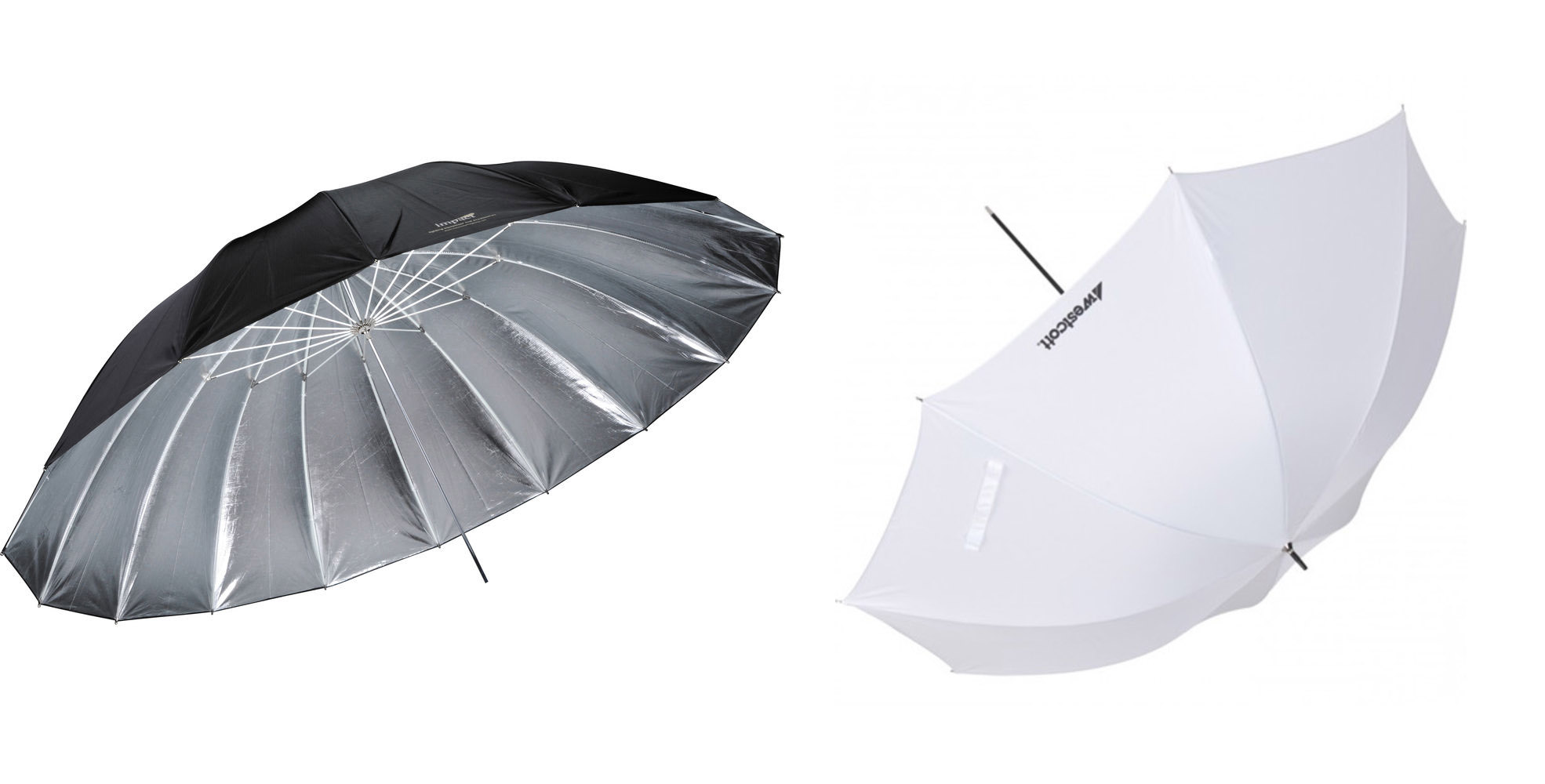
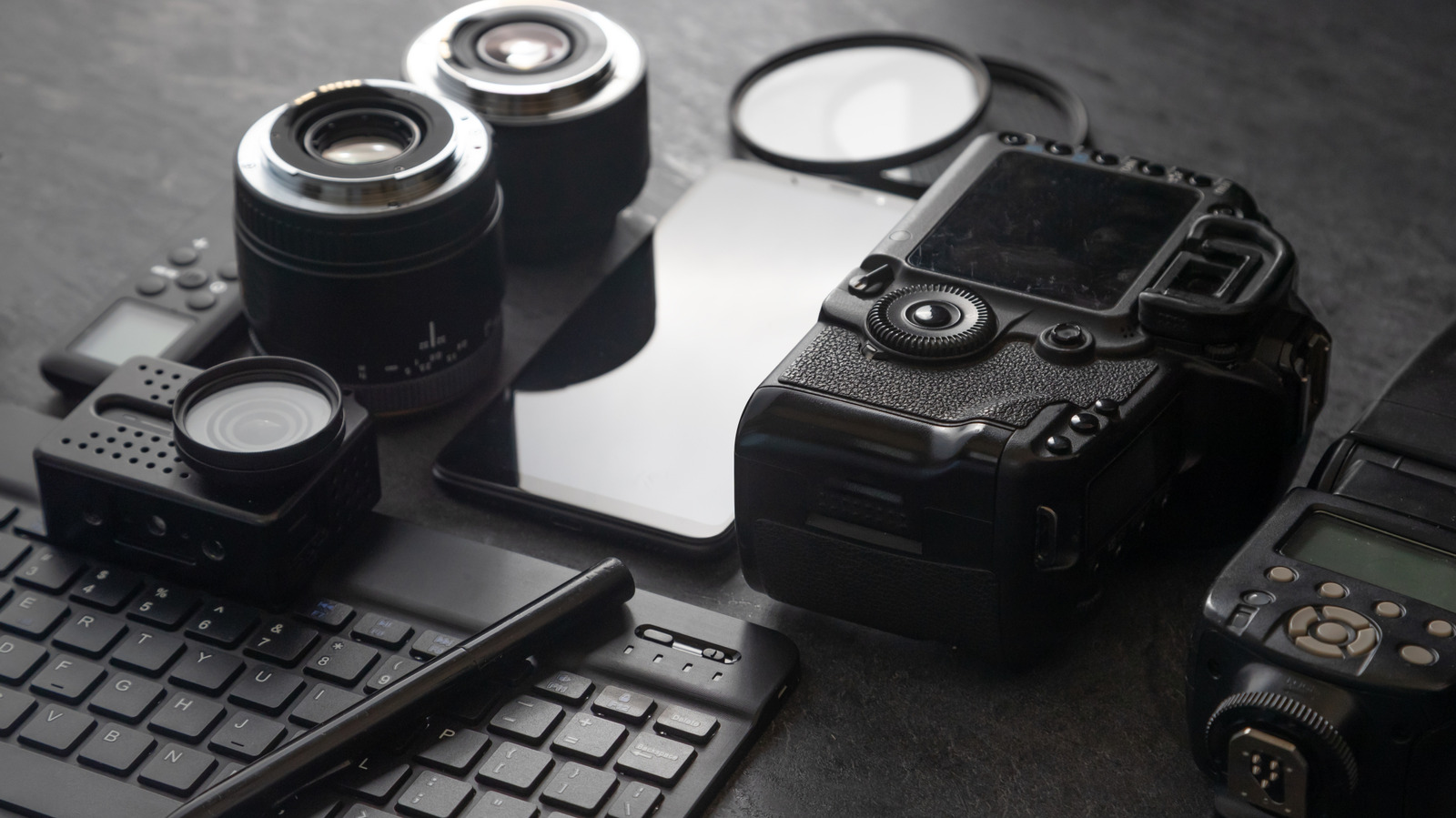
Once your camera is stable, the next essential photography gear is a set of smart add‑ons that change how light hits your sensor and how long you can keep shooting. Lens filters protect the front element from dust and scratches while giving you more control over reflections, contrast and exposure—UV filters add a sacrificial layer, polarizers deepen skies and tame glare, and neutral‑density filters make long exposures possible in bright conditions. Pair those with extra batteries, USB power banks or grip‑style battery packs so you can shoot through full days of travel or events without stopping to recharge. In low‑light and indoor scenes, compact LED panels or small flash kits give you repeatable, controllable light instead of relying on mixed, unreliable ambient illumination. Together, these accessories let you shape light, extend shooting sessions and get more consistent results than a bare camera body can deliver.
Weather Protection and Insurance: Safeguarding Your Investment
Your camera is both a precision instrument and, for many, part of their livelihood, so camera protection equipment is not optional. Even brands known for strong weather resistance cannot fully shield gear from dust and moisture; dust affects your camera and lens performance more than you think, and neglecting the lens contacts can make autofocus erratic. Weather‑sealed covers, rain sleeves and padded, sealed bags keep water and grit away from sensitive components, while regular cleaning routines maintain performance. According to the Photography Care Program, “our program is tailored to meet your unique needs” by pairing equipment protection with liability coverage. Insurance that covers damage, theft and on‑set accidents adds a final safety net, especially since manufacturer warranties do not always cover real‑world mishaps. With physical protection plus coverage in place, you can focus on shooting in challenging conditions without worrying that one accident will wipe out your kit.
Buy if / Skip if
- Buy the tripod if you want sharper landscapes, long exposures and hands‑free self‑portraits with a stable composition.
- Skip the tripod if you never shoot in low light, avoid long exposures and are happy with purely casual hand‑held snapshots.
- Buy the lens filters if you want to protect your optics and control reflections, contrast and exposure in varied lighting.
- Skip the lens filters if you rarely change lenses, seldom shoot outdoors and are unconcerned about minor wear on your front elements.
- Buy the camera protection equipment if you work in dusty, wet or unpredictable environments and depend on reliable autofocus and performance.
- Skip the camera protection equipment if your camera stays indoors, you shoot rarely and gear replacement would not strain your budget.
- Buy the lighting kit if you often shoot indoors or in low light and want consistent, controllable illumination instead of relying on ambient light.
- Skip the lighting kit if you shoot only outdoors in daylight and prefer natural‑light photography over controlled setups.
- Buy the photography insurance program if your equipment is critical to your income and you want coverage beyond standard warranties.
- Skip the photography insurance program if your gear is limited, easily replaceable and you are comfortable self‑insuring smaller losses.